

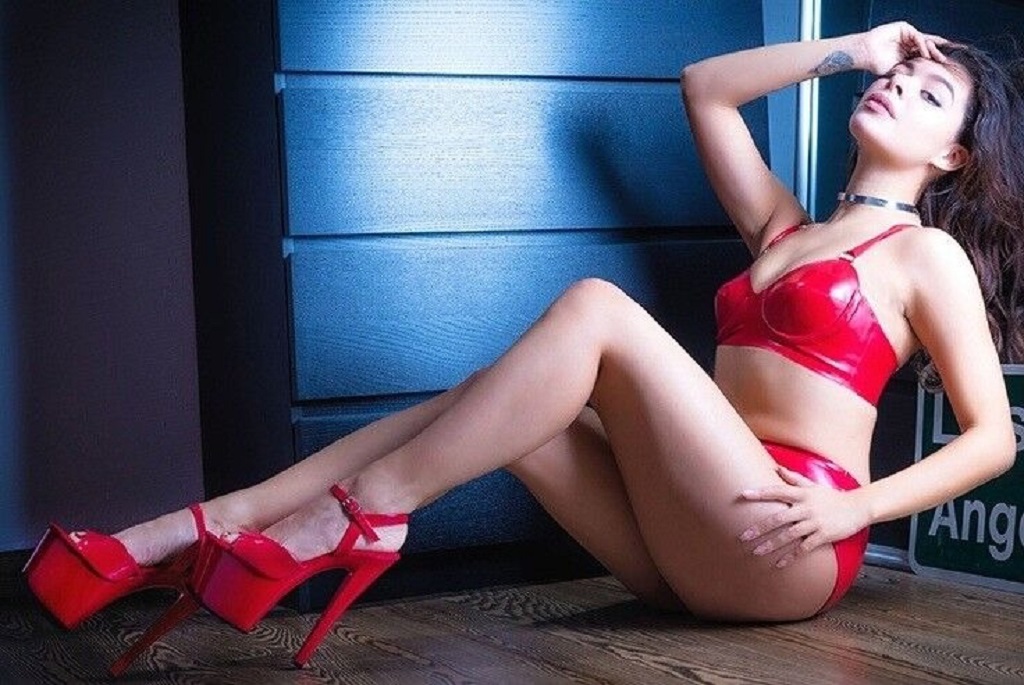
The world of exotic dancing involves carefully curated wardrobes that serve both aesthetic and practical purposes. Understanding the intricacies of stripper attire goes beyond simple curiosity, as it represents a professional consideration for performers in the adult entertainment industry. Creative Jasmin explores various aspects of entertainment fashion, including the essential elements that make up a stripper’s wardrobe.
Strippers carefully select their outfits to maximize appeal while ensuring comfort and functionality during performances. The clothing choices range from elegant lingerie sets to practical dancewear, each serving specific purposes throughout different parts of a performance. Additionally, these outfits must be easy to remove and put back on between sets, making functionality just as important as visual appeal.
For those curious about what do strippers wear, the answer involves a complex combination of lingerie, accessories, and footwear designed to enhance the performer’s natural beauty while allowing for fluid movement and dance routines. However, the specific choices often depend on the venue, audience, and individual performer’s style preferences.
Essential Lingerie and Undergarments
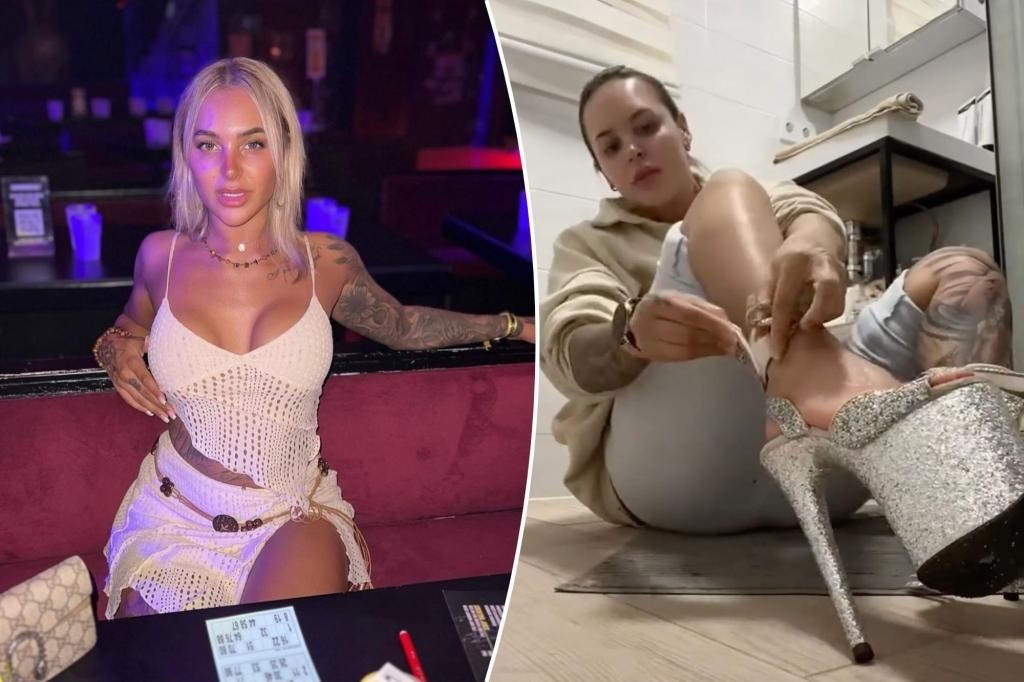
The foundation of any stripper’s wardrobe begins with high-quality lingerie. Bras and panties form the core of most outfits, typically featuring materials like lace, satin, or mesh that photograph well under stage lighting. Furthermore, these pieces must be durable enough to withstand frequent wear and washing while maintaining their shape and appeal.
Push-up bras are particularly popular because they enhance the bust line and create an appealing silhouette under stage lights. Many performers invest in multiple sets in various colors to match different themes or occasions. Additionally, some opt for convertible bras that can be worn strapless or with different strap configurations to accommodate various outfit styles.
Thongs and G-strings are standard choices for bottom wear because they provide minimal coverage while remaining secure during dance routines. These pieces often feature decorative elements like rhinestones, bows, or lace details that catch the light and add visual interest. Moreover, the elastic waistbands must be comfortable enough for extended wear while remaining tight enough to stay in place during vigorous movement.
Body stockings and teddies offer alternative options that combine tops and bottoms into single pieces. These garments can create stunning silhouettes while simplifying costume changes between sets. However, they require careful sizing to ensure proper fit and comfort during performances.
Dancewear and Performance Outfits
Beyond basic lingerie, strippers often incorporate specialized dancewear into their wardrobes. Athletic-inspired pieces like sports bras and dance shorts provide support during more acrobatic routines while maintaining sex appeal. These items are particularly popular among performers who incorporate pole dancing or gymnastics into their acts.
Mesh tops and see-through fabrics create tantalizing glimpses of skin without full exposure, building anticipation throughout a performance. These pieces often layer over basic lingerie, allowing for gradual reveals that enhance the entertainment value. Additionally, mesh materials are typically lightweight and breathable, making them comfortable for extended wear under hot stage lights.
Corsets and bustiers serve dual purposes by providing support while creating dramatic silhouettes. These structured garments can be laced or zippered for easy removal, making them practical choices for strip routines. Furthermore, the boning in quality corsets helps maintain posture and creates an hourglass figure that many find appealing.
Role-play costumes add variety and theme elements to performances. Popular options include schoolgirl outfits, nurse uniforms, and police costumes that allow performers to embody different fantasies. These themed pieces often incorporate recognizable elements while maintaining the revealing nature necessary for strip performances.
Footwear Selection and Importance
Shoes represent one of the most critical aspects of a stripper’s wardrobe. Platform heels, typically ranging from 6 to 8 inches in height, are the standard choice for most performers. These shoes elongate the legs and enhance posture while providing the dramatic height that audiences expect. However, the platforms must be stable enough to support dance routines and walking on various surfaces.
Ankle straps are essential features that keep shoes secure during performances. Without proper straps, shoes could slip off during routines, creating safety hazards and interrupting the flow of performances. Many performers prefer adjustable straps that allow for customized fit and comfort throughout long shifts.
Clear or “glass” heels have become increasingly popular because they don’t visually interrupt the leg line while still providing the desired height. These transparent shoes work with any outfit color and create an illusion of floating, which can be particularly striking under stage lighting. Additionally, clear shoes don’t clash with costume themes or color schemes.
Some performers opt for thigh-high boots, which can add drama and edge to certain routines. These boots often feature zippers or laces for easy removal and can incorporate platform soles to maintain the necessary height. Moreover, boots can provide additional leg support during demanding dance routines.
Accessories and Enhancement Items
Jewelry plays a significant role in completing stripper outfits. Body chains that drape across the torso or connect different pieces of lingerie create visual interest and movement during performances. These chains often incorporate beads, crystals, or metallic elements that catch stage lights and create sparkle effects.
Hair accessories like feathers, flowers, or jeweled clips can complement themed outfits or add color coordination. Many performers coordinate their hair accessories with their lingerie colors or costume themes to create cohesive looks. Furthermore, these accessories can help secure hairstyles that need to stay in place during active performances.
Temporary tattoos and body jewelry offer ways to enhance skin decoration without permanent commitment. Stick-on gems, glitter applications, and removable tattoos allow performers to change their look frequently and coordinate with different outfits. However, these items must be skin-safe and designed for extended wear under stage lighting and physical activity.
Stockings and garter belts add classic elegance to many outfits while providing practical attachment points for tips from customers. Thigh-high stockings with silicone strips stay in place better than traditional stockings, making them preferred choices for active performances. Additionally, garter belts can incorporate decorative elements that enhance the overall costume design.
Practical Considerations and Comfort
While visual appeal remains paramount, comfort and practicality significantly influence clothing choices. Fabrics must allow for easy movement while maintaining their appearance throughout multiple performances per shift. Cotton blends and moisture-wicking materials help manage perspiration under hot stage lights, though they must still maintain the sexy appearance that customers expect.
Quick-change capabilities are essential for performers who do multiple sets with different themes or costumes. Outfits with strategic snaps, magnets, or hook-and-eye closures allow for rapid costume changes between performances. Therefore, many experienced performers invest in pieces specifically designed for easy removal and replacement.
Durability becomes a crucial factor when considering the frequency of wear and washing that stripper clothing endures. Quality construction and reinforced seams help garments maintain their shape and appearance despite regular use. Moreover, investing in higher-quality pieces often proves more economical in the long run due to their extended lifespan.
Storage and care requirements also influence clothing choices. Pieces that require special cleaning or delicate handling may not be practical for regular rotation. Conversely, machine-washable items that maintain their appearance after multiple cleanings provide better value for working performers.
Venue-Specific Requirements
Different types of venues often have varying dress code requirements and expectations. Upscale gentleman’s clubs may favor elegant lingerie and sophisticated accessories, while more casual venues might welcome playful or themed costumes. Therefore, performers must consider their work environment when building their wardrobes.
Local regulations can also impact clothing choices, as some jurisdictions have specific requirements about coverage or types of permitted attire. Performers must stay informed about these regulations to ensure compliance while maximizing their earning potential within legal boundaries. Additionally, venue policies may restrict certain materials, colors, or styles based on their brand image or target clientele.
Seasonal considerations affect clothing choices in venues without climate control. Summer months might favor lighter fabrics and minimal coverage, while winter seasons could incorporate slightly more coverage or warmer materials. However, stage lighting typically generates significant heat regardless of outside temperature, making breathability a year-round concern.
Customer demographics and preferences at specific venues can also influence optimal clothing choices. Venues catering to younger crowds might favor trendy or edgy styles, while those serving older clientele could prefer classic or elegant options. Understanding the target audience helps performers select pieces that maximize their appeal and earning potential.
Read More Also: Trending Luxury Bags in Houston: What’s Hot in 2025
Conclusion
The question of what strippers wear involves much more than simple titillation or curiosity. Professional exotic dancers carefully curate their wardrobes to balance visual appeal with practical functionality, comfort, and safety. From foundation lingerie to statement footwear, each element serves specific purposes in creating memorable performances while ensuring the performer’s wellbeing.
The most successful performers understand that their clothing choices directly impact their professional success and earning potential. By investing in quality pieces that photograph well under stage lighting, allow for comfortable movement, and withstand frequent use, dancers can focus on their performances rather than wardrobe malfunctions or discomfort.
Ultimately, stripper attire represents a specialized form of performance costume that requires careful consideration of multiple factors. Whether prioritizing elegance, edginess, or themed appeal, the best choices combine aesthetic appeal with practical functionality to create outfits that enhance rather than hinder professional performance.
Read More Also: What Does Rose Quartz Do: Healing Benefits Revealed
Frequently Asked Questions
Q: How much do strippers typically spend on their work wardrobe?
A: Professional strippers often invest $500-2000 or more in their initial wardrobe, with ongoing expenses for replacements and new pieces. Quality shoes alone can cost $100-300 per pair, while complete lingerie sets range from $50-200 depending on materials and construction.
Q: Are there specific brands that strippers prefer for their work clothing?
A: Many performers favor brands like Pleasers for footwear due to their specialized platform designs and dancer-friendly features. For lingerie, brands like Leg Avenue, Dreamgirl, and specialty dancewear companies offer pieces designed specifically for exotic dancing requirements.
Q: How often do strippers need to replace their work clothes?
A: Replacement frequency depends on usage and quality, but most performers replace shoes every 3-6 months and lingerie every 6-12 months with regular use. Higher-quality pieces may last longer, while frequently worn items may need more frequent replacement.
Q: Do strippers have to follow specific dress codes at their workplace?
A: Yes, most strip clubs have dress codes that specify acceptable styles, colors, and coverage levels. These policies vary by venue and local regulations, so performers must familiarize themselves with their workplace requirements and any applicable local laws.
Q: Can strippers wear their own street clothes to work, or do they need specialized outfits?
A: While some performers may arrive at work in street clothes and change into work attire, the actual performance clothing must be specifically designed for exotic dancing. Regular lingerie or clothing typically lacks the durability, functionality, and visual appeal required for professional stripping.