

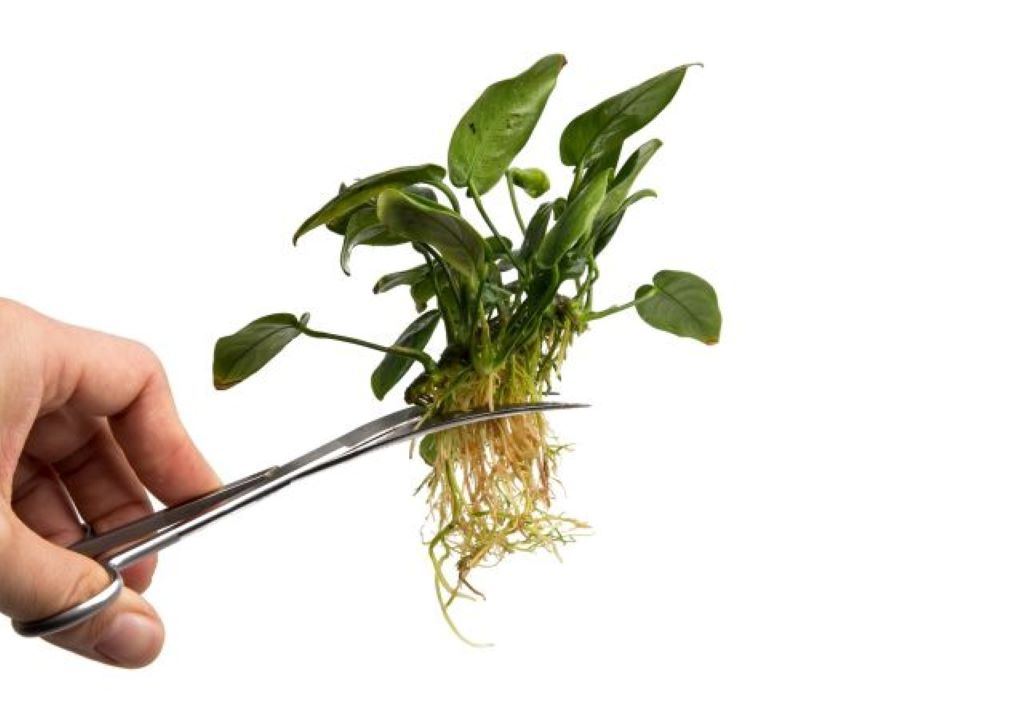
Anubias plants have become cornerstone species in modern aquascaping due to their hardy nature and distinctive broad leaves. These West African natives adapt well to various aquarium conditions while providing excellent structural elements for underwater landscapes. Proper pruning techniques ensure these plants maintain their aesthetic appeal while promoting healthy growth patterns. Be Aquarium provides comprehensive guidance on maintaining these popular aquatic plants for optimal aquascaping results.
Professional aquascapers understand that strategic pruning goes beyond simple maintenance. It shapes plant growth, controls size, and enhances visual impact within carefully designed layouts. Additionally, proper pruning prevents overcrowding and maintains the delicate balance between hardscape elements and living plants.
Creating a stunning dragon rock aquascape with anubias requires understanding how these plants interact with stone structures and respond to careful trimming. Therefore, mastering pruning techniques becomes essential for aquascapers seeking to create professional-quality displays that showcase both natural stone formations and lush plant growth.
Understanding Anubias Growth Patterns
Rhizome Development and Structure
Anubias plants grow from thick, horizontal rhizomes that serve as the plant’s main stem and storage organ. This rhizome system produces both roots and leaves at regular intervals along its length. Understanding this growth pattern is crucial for effective pruning decisions.
The rhizome grows continuously in one direction while older sections may decline over time. New growth appears at the tip, while the oldest sections gradually lose vitality. However, healthy rhizomes can live for many years with proper care and maintenance.
Each leaf emerges from a specific point on the rhizome called a node. These nodes also produce roots that anchor the plant and absorb nutrients. Additionally, adventitious shoots may develop from nodes, creating natural propagation opportunities during pruning activities.
Leaf Development Cycle
Anubias leaves develop slowly compared to most aquarium plants. New leaves emerge as tightly rolled structures that gradually unfurl over several weeks. This slow development means pruning decisions have long-lasting effects on plant appearance.
Mature leaves can persist for months or even years under optimal conditions. However, older leaves eventually yellow and decay as part of the natural aging process. Therefore, timely removal of declining leaves maintains plant health and aesthetic appeal.
Understanding leaf development timing helps aquascapers plan pruning activities. Strategic removal of older leaves encourages new growth while maintaining desired plant proportions. Additionally, proper timing prevents shock that could slow overall plant development.
Essential Pruning Tools and Preparation
Selecting Appropriate Cutting Instruments
Sharp, clean cutting tools are essential for successful anubias pruning. Aquarium-specific scissors provide precision cuts that minimize tissue damage and disease risk. Stainless steel blades resist corrosion and maintain sharpness longer than regular scissors.
Curved scissors work well for reaching between dense foliage and navigating around hardscape elements. However, straight scissors offer better control for precise cuts on thick rhizomes. Therefore, having both types available improves pruning efficiency and results.
Razor blades or scalpels provide the cleanest cuts for thick rhizome sections. These tools create smooth cuts that heal quickly and resist infection. Additionally, disposable blades ensure sterility and sharpness for each pruning session.
Sterilization and Safety Procedures
Sterilize all cutting tools before and between plants to prevent disease transmission. Rubbing alcohol or diluted bleach solutions effectively eliminate pathogens. However, rinse tools thoroughly after sterilization to remove chemical residues that might harm plants.
Wear protective gloves when handling cutting tools and working in aquarium environments. Some aquascapers develop sensitivities to aquarium water or plant materials. Additionally, gloves provide better grip on wet tools and reduce injury risk.
Remove fish and sensitive invertebrates from the immediate work area during extensive pruning sessions. Plant debris and disturbed substrate can temporarily cloud water and stress aquatic inhabitants. Therefore, safety considerations extend beyond the plants being pruned.
Basic Pruning Techniques
Leaf Removal Methods
Individual leaf removal represents the most common anubias pruning activity. Cut leaf stems as close to the rhizome as possible without damaging the main structure. Clean cuts heal faster and present less surface area for potential infections.
Remove yellowing or damaged leaves promptly to prevent decay from spreading to healthy tissues. However, allow partially yellowing leaves to complete their decline naturally unless they create aesthetic problems. Therefore, timing leaf removal balances plant health with visual appeal.
Cut leaf stems at slight angles to promote quick healing and prevent water from pooling on cut surfaces. Straight cuts can create small depressions where bacteria might accumulate. Additionally, angled cuts shed water more effectively in aquarium currents.
Rhizome Division Techniques
Rhizome division creates new plants while controlling the size of existing specimens. Identify natural division points where the rhizome shows slight constrictions or node clustering. These locations typically divide more successfully than arbitrary cutting points.
Use sharp blades to cut completely through thick rhizomes in single, decisive motions. Multiple cuts or sawing motions create ragged edges that heal poorly. However, ensure each division contains at least three healthy nodes for successful establishment.
Allow cut surfaces to air dry for several hours before replanting divided sections. This drying period allows protective calluses to form over cut surfaces. Additionally, dry surfaces resist bacterial infection better than fresh cuts submerged immediately.
Crown Thinning for Density Control
Dense anubias crowns can benefit from selective thinning to improve light penetration and air circulation. Remove older leaves from the center of dense clusters to open up the plant structure. This technique maintains overall plant size while improving health and appearance.
Focus thinning efforts on the oldest, largest leaves that may overshadow younger growth. However, maintain enough foliage to support photosynthesis and plant metabolism. Therefore, balance thinning intensity with plant nutritional needs.
Consider the plant’s position within the overall aquascape when planning crown thinning. Foreground plants may require more aggressive thinning than background specimens. Additionally, plants near viewing windows might need different treatment than those in less visible locations.
Advanced Pruning Strategies
Sculptural Shaping Techniques
Advanced aquascapers use pruning to create specific plant shapes that complement hardscape elements and overall design themes. This requires understanding how anubias responds to different cutting patterns and timing. Additionally, sculptural pruning demands patience as results develop slowly over months.
Create flowing, natural shapes by selectively removing leaves that disrupt desired silhouettes. Work gradually over multiple pruning sessions rather than making dramatic changes all at once. However, maintain enough foliage to support healthy plant metabolism throughout the shaping process.
Consider viewing angles when planning sculptural shapes. Plants look different from various positions around the aquarium. Therefore, evaluate shaping progress from multiple viewpoints to ensure consistent visual appeal.
Integration with Hardscape Elements
Anubias naturally attach to rocks, driftwood, and other hardscape materials through their root systems. Pruning can enhance these attachments while creating seamless integration between living and non-living elements. Additionally, strategic pruning prevents plants from overwhelming delicate hardscape details.
Remove leaves that obscure interesting rock formations or wood grain patterns. However, maintain enough coverage to soften harsh edges and create natural transitions. Therefore, balance plant coverage with hardscape visibility for optimal aesthetic results.
Train rhizome growth around hardscape contours through selective pruning and positioning. This technique creates the appearance that plants have grown naturally on the structures over time. Additionally, following natural contours enhances the overall realism of aquascaped environments.
Perspective and Scale Management
Use pruning techniques to manipulate perceived scale and depth within aquascapes. Smaller, more heavily pruned plants in foreground positions create illusions of greater distance. Conversely, allowing background plants to grow larger enhances depth perception.
Remove lower leaves from background plants to create clear viewing lanes through the aquascape. This technique draws the eye deeper into the composition while maintaining plant presence. However, ensure remaining foliage provides adequate photosynthetic capacity.
Consider leaf size relationships when pruning multiple anubias species within single aquascapes. Maintain proportional relationships that support the overall design theme. Additionally, gradual size transitions between plant groups create more natural appearances than abrupt changes.
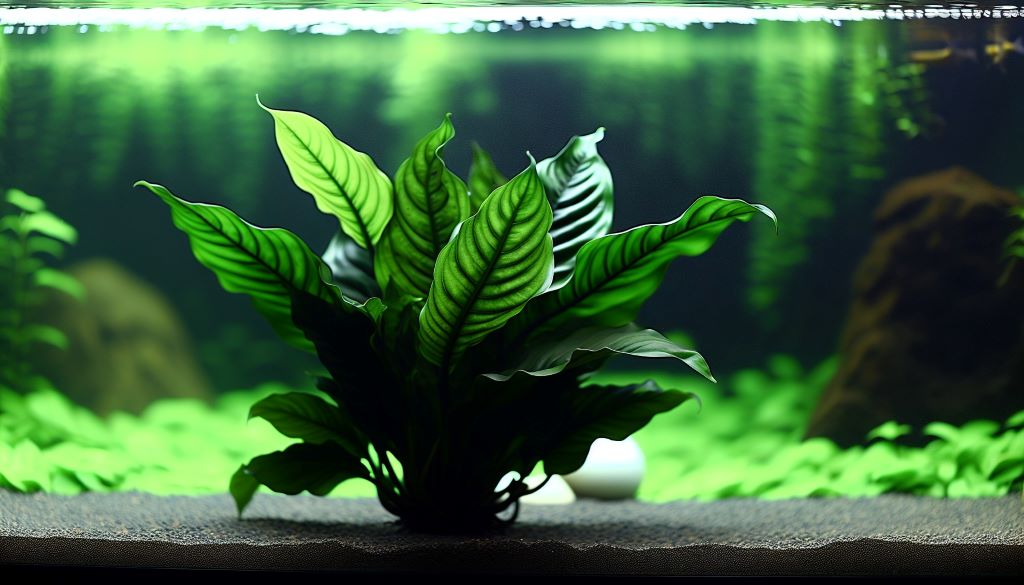
Seasonal Pruning Considerations
Growth Cycle Awareness
Anubias growth rates vary with seasonal changes in lighting, temperature, and photoperiod. Understanding these natural cycles helps optimize pruning timing for best results. Additionally, working with natural rhythms reduces plant stress and promotes faster recovery.
Spring typically brings increased growth rates as lighting intensity and duration increase. This season offers excellent opportunities for major pruning projects and plant divisions. However, monitor plants closely for signs of stress during active growth periods.
Winter months often see slower growth and reduced metabolic activity. Limit pruning during these periods to essential maintenance only. Therefore, save major reshaping projects for more active growth seasons when plants recover more quickly.
Lighting and Nutrient Interactions
Pruning intensity should match available light and nutrients to prevent imbalances that stress plants. Heavy pruning under high-light conditions may cause algae problems on remaining foliage. Conversely, minimal pruning under low-light conditions may lead to weak, etiolated growth.
Adjust fertilization schedules after major pruning activities to match reduced plant biomass. Excess nutrients following heavy pruning can fuel algae growth on hardscape surfaces. Additionally, reduced nutrient demands may persist for several weeks as plants recover and regrow.
Monitor water parameters closely following significant pruning activities. Plant metabolic changes can affect nutrient cycles and bacterial populations. Therefore, temporary adjustments to maintenance routines may be necessary during recovery periods.
According to research published by the American Journal of Botany, understanding plant physiology and growth responses helps optimize horticultural practices in both terrestrial and aquatic environments.
Propagation Through Strategic Pruning
Rhizome Division for Multiplication
Strategic rhizome division during routine pruning creates new plants without purchasing additional specimens. Identify healthy sections with multiple nodes and good root development for division. Additionally, timing divisions with natural growth cycles improves success rates.
Allow parent plants to establish fully before attempting divisions. Young or recently planted specimens may not have sufficient energy reserves for successful division. However, well-established plants typically handle division procedures with minimal stress.
Plan division locations to create balanced new plants with adequate foliage and root systems. Each division should contain enough resources to survive independently while establishing new growth. Therefore, quality divisions are preferable to maximum quantity.
Adventitious Shoot Development
Some anubias species produce adventitious shoots along their rhizomes, especially after pruning activities. These natural offshoots can be encouraged through strategic cutting techniques. Additionally, environmental conditions influence shoot development rates and success.
Create slight wounds in rhizome surfaces near nodes to stimulate adventitious growth. However, avoid excessive damage that might introduce infections or weaken the parent plant. Therefore, use light scoring techniques rather than deep cuts for shoot induction.
Provide optimal growing conditions following shoot induction treatments. Stable water parameters, appropriate lighting, and adequate nutrition support rapid shoot development. Additionally, protection from algae competition helps ensure successful establishment.
Tissue Culture Considerations
Advanced propagation techniques like tissue culture can multiply valuable anubias specimens rapidly. However, these methods require specialized equipment and sterile laboratory conditions. Therefore, most aquascapers rely on traditional division methods for plant multiplication.
Understanding tissue culture principles can inform pruning decisions even without laboratory facilities. Selecting healthy, disease-free plant material for propagation improves success rates regardless of the method used. Additionally, proper sterilization techniques prevent contamination in all propagation activities.
Consider commercial tissue culture sources when expanding plant collections rather than relying solely on division propagation. Laboratory-produced plants often exhibit superior health and genetic uniformity. However, gradually acclimate tissue culture specimens to aquarium conditions for best results.
Integration with Aquascaping Styles
Nature Aquarium Applications
Nature aquarium styles emphasize natural plant arrangements that mimic terrestrial landscapes underwater. Anubias pruning for these applications focuses on creating realistic growth patterns and natural-looking plant communities. Additionally, integration with other plant species requires careful size and proportion management.
Prune anubias to complement rather than compete with stem plants and ground covers in nature-style aquascapes. This often means maintaining more restrained growth and avoiding overly dramatic shapes. However, strategic placement can create powerful focal points within natural-looking compositions.
Consider seasonal changes in terrestrial environments when planning nature aquarium pruning schedules. Mimicking natural growth and dormancy cycles adds realism to aquascaped environments. Therefore, varying pruning intensity throughout the year creates more authentic appearances.
Dutch Aquarium Techniques
Dutch aquarium styles emphasize precise plant arrangement and meticulous maintenance standards. Anubias pruning for Dutch-style aquascapes requires greater precision and more frequent attention than nature styles. Additionally, color coordination and texture contrast play important roles in plant selection and maintenance.
Maintain sharp, well-defined plant borders through regular pruning activities. Dutch styles avoid the natural, flowing boundaries preferred in nature aquariums. However, this precision creates stunning displays that showcase plant diversity and maintenance skills.
Plan pruning schedules to maintain consistent plant proportions and color relationships throughout the display period. Dutch aquascapes often feature complex planting schemes that require careful coordination. Therefore, detailed maintenance logs help track pruning schedules and plant responses.
Minimalist and Contemporary Approaches
Modern minimalist aquascaping emphasizes clean lines, negative space, and carefully selected focal elements. Anubias pruning for these styles focuses on creating perfect plant specimens with ideal proportions and placement. Additionally, every leaf and growth pattern contributes to the overall design impact.
Remove any imperfect or asymmetrical growth that disrupts the intended aesthetic. Minimalist styles demand perfection in plant form and placement. However, achieving this perfection requires understanding plant growth patterns and expert pruning techniques.
Consider the relationship between anubias specimens and surrounding negative space when planning pruning activities. Empty areas contribute as much to minimalist designs as planted regions. Therefore, pruning decisions must consider both positive and negative space relationships.
According to the Royal Horticultural Society, proper pruning techniques are fundamental to maintaining healthy plants and achieving desired aesthetic outcomes in all horticultural applications.
Common Pruning Mistakes and Solutions
Over-Pruning Recovery
Excessive pruning can stress anubias plants and slow growth for extended periods. Recovery requires patience and optimal growing conditions to restore plant health and appearance. Additionally, understanding plant energy reserves helps prevent similar problems in future pruning activities.
Provide extra attention to lighting, nutrition, and water quality following over-pruning incidents. Stressed plants are more susceptible to algae problems and disease issues. However, avoid over-fertilization that might compound existing problems.
Allow extended recovery periods between pruning sessions for over-pruned specimens. Plants need time to rebuild energy reserves and establish new growth patterns. Therefore, patience is essential for successful recovery from pruning mistakes.
Infection Prevention and Treatment
Poor cutting techniques or contaminated tools can introduce bacterial or fungal infections that damage or kill anubias plants. Prevention through proper sterilization and clean cutting practices is far easier than treating established infections. Additionally, early detection improves treatment success rates.
Monitor pruning sites for signs of decay, discoloration, or unusual growth patterns following cutting activities. Address suspected infections immediately with appropriate treatments. However, severe infections may require removing affected plant sections entirely.
Improve water circulation around pruning sites to prevent stagnant conditions that favor pathogen development. Good water movement also delivers oxygen and nutrients that support healing processes. Therefore, consider flow patterns when planning major pruning projects.
Timing and Coordination Issues
Poor timing of pruning activities can disrupt aquascaping display schedules or plant health cycles. Coordinate pruning with lighting changes, fertilization schedules, and other maintenance activities for optimal results. Additionally, consider fish breeding cycles and other aquarium activities when planning major plant work.
Maintain detailed records of pruning activities, plant responses, and environmental conditions. This information helps refine techniques and timing for future projects. However, be prepared to adjust plans based on unexpected plant responses or aquarium conditions.
Plan pruning schedules around aquascaping competitions, photography sessions, or other events where appearance matters most. Allow adequate time for plants to recover and fill in following major pruning work. Therefore, advance planning prevents disappointing results during important display periods.
Conclusion
Mastering anubias pruning techniques opens new possibilities for creating sophisticated aquascapes that showcase both plant beauty and design expertise. These hardy plants respond well to careful pruning when techniques match their natural growth patterns and physiological needs. Additionally, strategic pruning enhances integration with hardscape elements and other aquatic plants.
Success requires understanding plant biology, using proper tools and techniques, and timing activities appropriately. Regular practice and careful observation help develop the skills needed for advanced pruning applications. However, patience remains essential as anubias plants respond slowly to pruning interventions.
Key principles include maintaining plant health through clean cutting practices, respecting natural growth cycles, and coordinating pruning with overall aquascape management. These techniques transform basic maintenance activities into powerful tools for artistic expression. Therefore, dedicated aquascapers who master these skills can create truly exceptional underwater landscapes.
Frequently Asked Questions
How often should I prune my anubias plants in an aquascape? Prune anubias every 2-4 weeks for maintenance, removing yellowing leaves and controlling size. However, major reshaping should occur less frequently, perhaps 2-3 times per year during active growth periods to avoid stressing the plants.
Can I propagate anubias through leaf cuttings like other plants? No, anubias cannot be propagated from leaf cuttings. Propagation requires rhizome divisions that include nodes with both roots and growing points. Therefore, focus on rhizome division techniques for successful plant multiplication.
What tools work best for pruning thick anubias rhizomes? Sharp razor blades or scalpels create the cleanest cuts on thick rhizomes. Aquarium scissors work well for leaves and thin stems. Additionally, ensure all tools are sterile to prevent introducing infections during cutting activities.
Should I remove anubias flowers during aquascaping maintenance? Remove flowers if they detract from the overall design or draw energy from foliage development. However, flowers are harmless and some aquascapers appreciate their unique appearance. Therefore, removal depends on personal preference and design goals.
How do I prevent algae growth on anubias after heavy pruning? Maintain stable water parameters and avoid over-fertilization following major pruning activities. Reduced plant biomass means less nutrient uptake, potentially leading to algae problems. Additionally, ensure adequate water circulation around remaining foliage.
Read More:
Aquarium Filters: The Lifeblood of Your Underwater Ecosystem