


Drifting has evolved from underground street racing to a globally recognized motorsport. The art of controlled sliding captivates audiences worldwide. Among the many techniques that define this discipline, Choku Dori stands out as one of the most challenging and visually striking moves. Car enthusiasts and motorsport fans can explore more about this fascinating world through resources like Auto City, which offers comprehensive insights into automotive culture and techniques.
The Choku Dori technique represents the pinnacle of drift precision. This straight-line pendulum movement requires exceptional skill and timing. Drivers must maintain control while their vehicle oscillates back and forth in a rhythmic motion. The technique originated in Japan’s mountain passes during the early days of drift culture. However, it has since become a benchmark for measuring a drifter’s technical ability.
Understanding this technique provides valuable insight into Japanese car culture and its profound influence on global motorsport. The precision required for Choku Dori reflects the meticulous attention to detail that characterizes Japanese automotive philosophy. Additionally, this move showcases the harmony between driver and machine that defines true drift mastery.
What is Choku Dori?
Choku Dori translates to “straight-line drift” in English. The technique involves maintaining a controlled slide while moving in a relatively straight path. Unlike traditional cornering drifts, Choku Dori requires the car to pendulum from side to side. The driver creates this motion through precise throttle control and steering inputs.
The movement resembles a snake slithering across the pavement. Each oscillation must be perfectly timed and controlled. The car’s rear end swings left, then right, creating a hypnotic rhythm. Therefore, spectators often find themselves mesmerized by the fluid motion of a well-executed Choku Dori.
Professional drifters consider this technique extremely difficult to master. The margin for error is minimal. Too much throttle can cause the car to spin out completely. Too little throttle will end the drift prematurely. Consequently, only the most skilled drivers can perform Choku Dori consistently.
The Technical Mechanics Behind Choku Dori
Executing Choku Dori requires understanding several key mechanical principles. Weight transfer plays a crucial role in initiating and maintaining the pendulum motion. The driver must shift the car’s weight from side to side rhythmically. This creates the characteristic swaying movement that defines the technique.
Throttle modulation becomes critical during execution. Drivers must apply power in precise bursts to maintain momentum. Additionally, they must reduce throttle at exactly the right moments to allow direction changes. The timing of these inputs separates novice attempts from professional execution.
Steering input timing requires extraordinary precision. The driver must countersteer at precisely the right moment during each swing. However, excessive steering corrections can destabilize the entire sequence. Therefore, smooth and minimal steering adjustments work best for maintaining the pendulum rhythm.
Tire selection and setup significantly impact Choku Dori performance. The rear tires must provide enough grip to maintain control while allowing sufficient slip for sustained sliding. Front tire grip levels must complement the rear setup perfectly. Suspension tuning also affects how the car responds to weight transfer during the pendulum motion.
Masters of the Choku Dori Technique
Several legendary drivers have elevated Choku Dori to an art form. Keiichi Tsuchiya, known as the Drift King, popularized many foundational drift techniques including variations of straight-line drifting. His influence on drift culture cannot be overstated. Additionally, his demonstration videos helped spread these techniques beyond Japan’s borders.
Nobuteru Taniguchi represents another master of this challenging technique. His precision and consistency in competition settings have inspired countless drivers. Furthermore, his ability to chain multiple Choku Dori sequences together demonstrates exceptional car control. According to Motor Trend, professional drifters like Taniguchi spend years perfecting such advanced techniques.
Modern drift professionals continue pushing Choku Dori boundaries. Drivers in Formula Drift and D1 Grand Prix regularly incorporate these moves into their runs. However, adapting the technique for competition judging requires additional considerations. Judges evaluate angle, speed, and line consistency throughout the entire sequence.
Training and Progression for Choku Dori
Learning Choku Dori requires systematic progression through fundamental drift skills. Beginning drivers must first master basic rear-wheel drive dynamics. Understanding weight transfer principles provides the foundation for advanced techniques. Additionally, developing smooth throttle control takes considerable practice time.
Practicing in safe, controlled environments remains essential for skill development. Closed courses with adequate runoff areas protect both driver and equipment during learning phases. Therefore, professional drift schools offer structured programs for technique development. These programs emphasize safety while building advanced skills progressively.
Simulator training can supplement real-world practice sessions effectively. Modern racing simulators accurately model vehicle dynamics and tire behavior. However, physical seat time remains irreplaceable for developing the subtle feel required for Choku Dori mastery. Consequently, serious students combine both approaches for optimal learning outcomes.
Equipment Considerations for Choku Dori
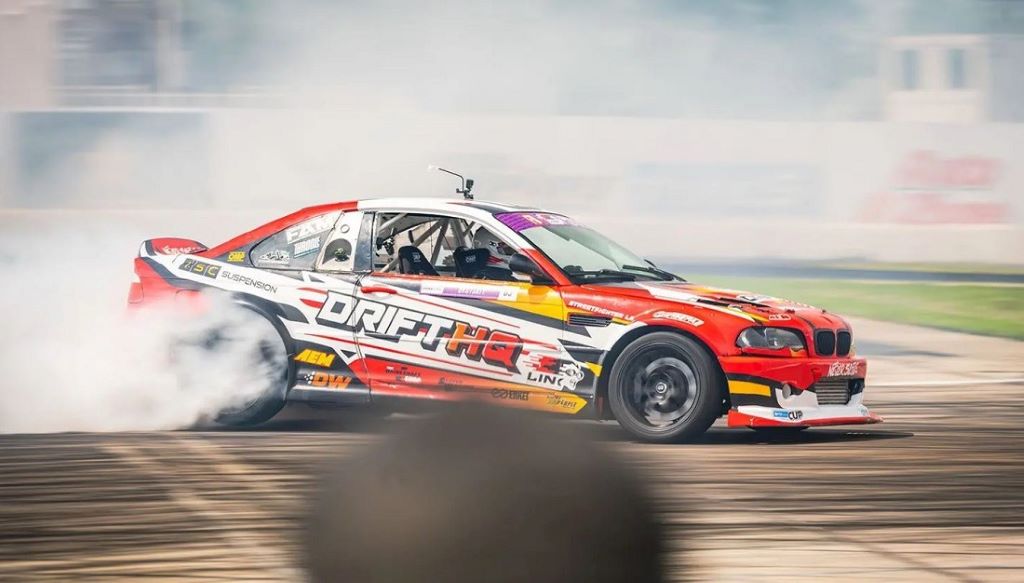
Vehicle selection significantly impacts Choku Dori learning and execution. Rear-wheel drive platforms provide the foundation for all serious drift training. Popular choices include the Nissan Silvia, Toyota AE86, and BMW E30. These vehicles offer excellent balance and predictable handling characteristics.
Power delivery characteristics affect technique execution substantially. Naturally aspirated engines provide linear power delivery that suits learning environments. Turbocharged engines can work well but require additional throttle sensitivity. Additionally, manual transmissions offer superior control over power delivery timing compared to automatic alternatives.
Safety equipment becomes paramount when practicing advanced techniques like Choku Dori. Roll cages protect drivers during potential incidents. Furthermore, proper racing seats and harnesses keep drivers positioned correctly for optimal car control. Fire suppression systems provide additional safety margins during extended practice sessions.
The Cultural Significance of Choku Dori
Choku Dori represents more than just a driving technique within drift culture. The move embodies the philosophical approach to automotive mastery found in Japanese culture. Practitioners view technique refinement as a lifelong journey rather than a destination. This mindset encourages continuous improvement and respect for the craft.
The technique’s difficulty creates natural gatekeeping within the drift community. Drivers who master Choku Dori earn significant respect from their peers. Additionally, the visual impact of well-executed sequences draws appreciation from spectators worldwide. Therefore, the technique serves as both personal achievement and artistic expression.
International drift competitions increasingly feature Choku Dori elements in judged runs. This global adoption demonstrates the technique’s universal appeal and challenge level. However, cultural appreciation for the technique’s origins remains important for respectful practice and teaching.
Common Mistakes and How to Avoid Them
Oversteering represents the most frequent error among Choku Dori beginners. Excessive steering inputs disrupt the pendulum rhythm and often result in spins. Smooth, minimal corrections work better than aggressive steering movements. Therefore, developing light steering touch proves essential for technique mastery.
Inconsistent throttle application creates uneven pendulum timing. Each oscillation requires similar power delivery for consistent rhythm. Additionally, sudden throttle changes can break traction unexpectedly and destabilize the sequence. Gradual throttle modulation maintains better control throughout the entire move.
Attempting Choku Dori too early in the learning process leads to frustration and potential safety issues. Students must master basic drift fundamentals before progressing to advanced techniques. Furthermore, rushing progression often creates bad habits that prove difficult to correct later. Consequently, patient skill building produces better long-term results.
Conclusion
Choku Dori represents one of drifting’s most challenging and rewarding techniques. The straight-line pendulum motion requires exceptional skill, timing, and car control. Masters of this technique demonstrate the pinnacle of drift artistry through their precise execution and fluid movements.
The technique’s roots in Japanese automotive culture reflect broader philosophies about craftsmanship and continuous improvement. Modern practitioners worldwide continue pushing the boundaries of what’s possible with Choku Dori variations. Additionally, the technique serves as both competitive element and artistic expression within contemporary drift culture.
Success with Choku Dori demands systematic progression through fundamental skills, appropriate equipment selection, and dedicated practice in safe environments. However, the rewards of mastery extend beyond personal achievement to include community respect and artistic satisfaction. Therefore, drivers who commit to learning this technique join an elite group of automotive artists.
Frequently Asked Questions
What car is best for learning Choku Dori? The Nissan Silvia S13/S14 and Toyota AE86 are excellent choices for beginners. These vehicles offer predictable handling, good parts availability, and moderate power levels that suit learning environments.
How long does it take to master Choku Dori? Mastering Choku Dori typically takes 2-3 years of regular practice for drivers who already have solid drift fundamentals. However, basic execution might be achieved within 6-12 months with dedicated training.
Is Choku Dori dangerous to practice? Like all advanced drift techniques, Choku Dori carries inherent risks. Proper safety equipment, controlled environments, and progressive skill building minimize these risks significantly. Never attempt this technique on public roads.
Can automatic transmission cars perform Choku Dori? While possible, manual transmissions provide superior control for Choku Dori execution. The ability to control power delivery through clutch work and engine braking makes manual transmissions strongly preferred for this technique.
Do I need a high-powered car for Choku Dori? Moderate power levels (150-250 horsepower) often work better for learning Choku Dori than high-powered vehicles. Excessive power can make the technique more difficult to control and learn properly.
Read More:
How to Reset Ford Expedition Screen? Quick and Easy Guide