


The agricultural landscape stands at a crossroads, where traditional farming methods meet revolutionary biotechnology innovations. As global populations surge and environmental concerns intensify, researchers and companies worldwide are exploring groundbreaking solutions to feed humanity sustainably. Among these innovations, cellular agriculture represents a paradigm shift that could transform how we produce protein. Organizations like Future Life Network are at the forefront of analyzing these emerging food technologies and their potential impact on our planet’s future.
The intersection of technology and agriculture has never been more critical than today. Traditional livestock farming faces mounting challenges, from greenhouse gas emissions to land use inefficiencies. Meanwhile, cellular agriculture offers promising alternatives that could address many of these concerns. Understanding how is lab grown meat good to agriculture requires examining both the environmental benefits and the potential for agricultural transformation.
This emerging field represents more than just a technological advancement. It signals a fundamental shift in how we conceptualize food production, resource utilization, and environmental stewardship. The implications extend far beyond laboratory walls, potentially reshaping entire agricultural ecosystems and rural economies.
Understanding Cellular Agriculture Technology
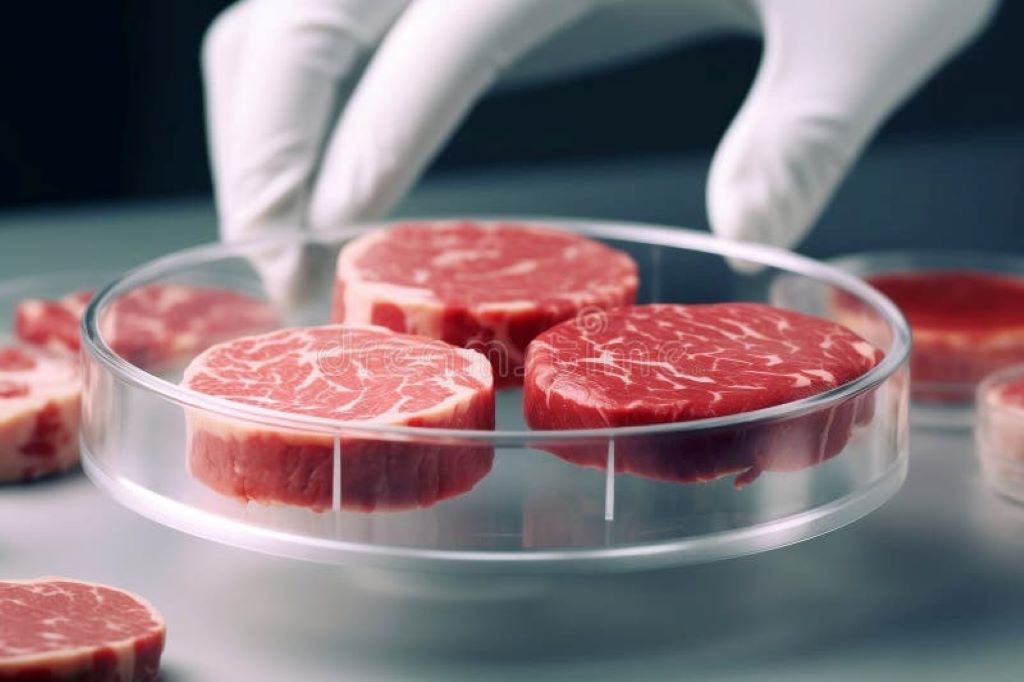
Cellular agriculture, commonly known as lab-grown meat production, involves cultivating animal cells in controlled laboratory environments. Scientists extract cells from living animals through minimally invasive procedures, then provide these cells with nutrients, growth factors, and appropriate conditions to multiply and develop into muscle tissue.
The process begins with stem cells or satellite cells taken from animals. These cells are placed in bioreactors, specialized vessels that maintain optimal temperature, pH levels, and nutrient concentrations. Over several weeks, the cells multiply and differentiate into various tissue types, eventually forming products that closely resemble conventional meat in texture, appearance, and nutritional content.
This technology eliminates the need for raising, feeding, and slaughtering animals for meat production. Instead, a single cell sample can theoretically produce thousands of pounds of meat, dramatically reducing the resources typically associated with livestock farming.
Environmental Benefits for Agricultural Systems
Traditional livestock farming consumes vast amounts of natural resources and generates significant environmental impacts. Cattle ranching alone accounts for approximately 14.5% of global greenhouse gas emissions, primarily through methane production and feed crop cultivation.
Lab-grown meat production offers substantial environmental advantages. Water usage decreases by up to 90% compared to conventional beef production. Land requirements shrink dramatically, as cellular agriculture facilities can operate on a fraction of the space needed for traditional livestock operations. Additionally, greenhouse gas emissions from lab-grown meat production are estimated to be 80-90% lower than conventional meat production.
The reduction in agricultural land use creates opportunities for ecosystem restoration and biodiversity conservation. Forests previously cleared for pastureland could be restored, enhancing carbon sequestration and wildlife habitat preservation. This transition could help reverse decades of deforestation and environmental degradation.
Furthermore, cellular agriculture eliminates the need for antibiotics commonly used in livestock farming. This reduction addresses growing concerns about antibiotic resistance and pharmaceutical pollution in agricultural runoff.
Resource Efficiency and Sustainability
Traditional meat production operates with significant inefficiencies in resource conversion. Conventional beef production requires approximately 25 kilograms of feed to produce one kilogram of meat. This conversion ratio creates enormous pressure on agricultural systems to produce feed crops, often leading to monoculture farming practices and soil depletion.
Cellular agriculture operates with dramatically improved efficiency ratios. Lab-grown meat production requires substantially fewer inputs to generate the same protein output. The controlled environment allows for precise nutrient delivery, minimizing waste and maximizing growth efficiency.
Water consumption represents another critical advantage. Traditional beef production requires approximately 15,000 liters of water per kilogram of meat. This includes water for drinking, feed crop irrigation, and processing. Lab-grown meat production reduces this figure to roughly 1,500 liters per kilogram, representing a 90% improvement in water efficiency.
Energy consumption patterns also differ significantly. While cellular agriculture requires energy for bioreactors and laboratory operations, the overall energy footprint remains lower than traditional livestock farming when accounting for feed production, transportation, and processing infrastructure.
Impact on Traditional Farming Practices
The emergence of cellular agriculture does not necessarily threaten traditional farming but rather offers complementary opportunities. Many agricultural skills and knowledge bases remain relevant in this new paradigm. Farmers experienced in animal husbandry, nutrition management, and biological systems possess valuable expertise that translates to cellular agriculture operations.
Traditional farmers could potentially transition into roles within cellular agriculture facilities, applying their understanding of animal biology and nutrition to optimize cell growth conditions. Additionally, the reduced land requirements for meat production could free up agricultural space for other purposes, such as crop diversification or sustainable farming experiments.
The technology also creates opportunities for local food production. Cellular agriculture facilities can operate closer to urban centers, reducing transportation costs and emissions while providing fresher products to consumers. This proximity could revitalize rural economies and create new employment opportunities in agricultural communities.
However, this transition requires careful planning and support systems to ensure traditional farming communities benefit from these technological advances rather than being displaced by them.
Economic Implications for Agriculture
The economic landscape of agriculture stands to change significantly with widespread adoption of cellular agriculture. Initial investment costs for lab-grown meat facilities are substantial, requiring sophisticated equipment and specialized expertise. However, operational costs may prove lower over time due to reduced feed, land, and labor requirements.
Production scalability presents both opportunities and challenges. As technology improves and production scales increase, costs are expected to decrease substantially. Some projections suggest lab-grown meat could achieve price parity with conventional meat within the next decade.
Market dynamics will likely shift as cellular agriculture matures. Traditional livestock farmers may need to adapt their business models, potentially focusing on premium, grass-fed, or organic meat markets. Alternatively, they could partner with cellular agriculture companies to provide biological materials or technical expertise.
The global trade implications are also significant. Countries with advanced biotechnology capabilities could become major protein exporters, while traditional agricultural exporters may need to diversify their economies.
Challenges and Future Considerations
Despite its promise, cellular agriculture faces several obstacles that must be addressed for successful integration with traditional agriculture. Regulatory frameworks remain underdeveloped in many countries, creating uncertainty for investors and producers. Consumer acceptance varies significantly across different demographics and regions.
Technical challenges persist in scaling production to meet global demand. Current bioreactor technologies work well for small-scale production but require significant advancement to achieve the volumes necessary for widespread adoption. Additionally, the complexity of recreating the full sensory experience of conventional meat remains a work in progress.
Infrastructure development represents another consideration. Cellular agriculture requires specialized facilities, skilled technicians, and sophisticated supply chains. Rural areas may need significant investment in education and infrastructure to participate in this technological transition.
The energy requirements for large-scale cellular agriculture operations also need careful evaluation. While more efficient than traditional farming, the technology still requires substantial energy inputs that must come from renewable sources to maximize environmental benefits.
Integration Strategies for Agricultural Communities
Successful implementation of cellular agriculture requires thoughtful integration strategies that benefit existing agricultural communities. Educational programs can help traditional farmers understand and potentially participate in cellular agriculture operations.
Collaborative models between traditional farms and cellular agriculture companies could create mutually beneficial relationships. Traditional farms could provide biological materials, research partnerships, or complementary products while cellular agriculture companies provide technical expertise and market access.
Geographic considerations play important roles in integration planning. Areas with existing agricultural infrastructure, skilled workforces, and favorable regulatory environments may be best positioned for early adoption of cellular agriculture technologies.
Investment in research and development within agricultural communities can help ensure that local expertise contributes to technological advancement while creating economic opportunities for traditional farming families.
Conclusion
Cellular agriculture represents a transformative opportunity for global food systems, offering solutions to many environmental and efficiency challenges facing traditional agriculture. The technology promises significant reductions in greenhouse gas emissions, water usage, and land requirements while maintaining nutritional quality and food security.
However, successful implementation requires careful consideration of existing agricultural communities and traditional farming practices. Rather than replacing traditional agriculture entirely, cellular agriculture can complement existing systems while providing new opportunities for innovation and economic development.
The future of agriculture likely involves a hybrid approach, combining the best aspects of traditional farming with revolutionary cellular agriculture technologies. This integration can create more sustainable, efficient, and resilient food systems while preserving the valuable knowledge and skills developed over generations of agricultural practice.
As this technology continues to evolve, ongoing dialogue between traditional farmers, researchers, policymakers, and consumers will be essential for creating agricultural systems that benefit both people and the planet.
Frequently Asked Questions
1. How does lab-grown meat production affect soil health compared to traditional farming? Lab-grown meat production occurs in controlled facilities, eliminating the soil compaction, erosion, and nutrient depletion associated with livestock grazing. This allows agricultural land to be repurposed for regenerative farming practices that can restore soil health and biodiversity.
2. Will lab-grown meat completely replace traditional animal farming? Complete replacement is unlikely in the near term. Lab-grown meat will more likely complement traditional farming, with conventional agriculture potentially focusing on premium products, dairy, and other animal-derived goods while cellular agriculture addresses mass protein production needs.
3. What happens to farmers when lab-grown meat becomes mainstream? Farmers can adapt by transitioning to cellular agriculture operations, focusing on specialty livestock products, or converting land to crop production. Many agricultural skills transfer well to cellular agriculture, creating opportunities rather than just challenges.
4. How much land could be freed up by switching to lab-grown meat? Studies suggest that widespread adoption of cellular agriculture could free up 75-80% of land currently used for livestock farming. This land could be repurposed for carbon sequestration, biodiversity conservation, or other agricultural uses.
5. Is lab-grown meat actually more sustainable than traditional farming? Current research indicates lab-grown meat uses significantly fewer resources and produces lower emissions than conventional meat production. However, sustainability depends on energy sources used in production facilities and the scale of operations.
Read More:
Oklahoma City Smart Home Kitchen Devices Compared