

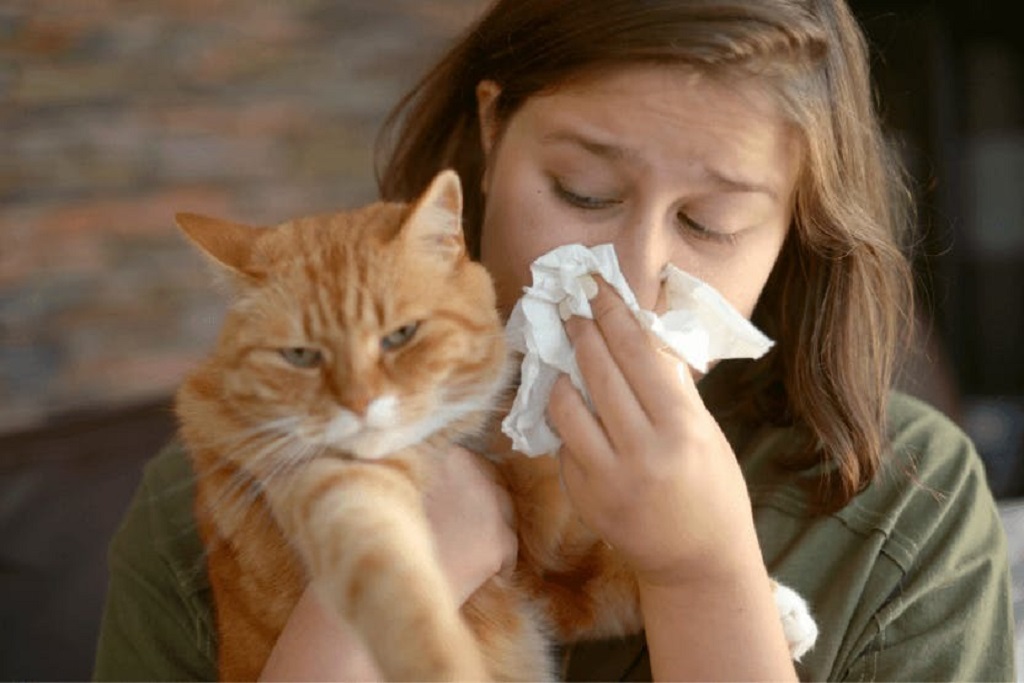
Cat allergies can make life uncomfortable for pet owners and their feline friends. Sneezing, itching, watery eyes, and skin irritations are common symptoms that affect both humans and cats. For humans, allergies often stem from cat dander, saliva, or urine proteins, while cats may suffer from environmental or food-related sensitivities. Fortunately, natural solutions, often called home remedies, can ease these discomforts without relying solely on medications. These remedies focus on reducing allergen exposure, soothing symptoms, and boosting overall health for both you and your pet. By using simple, accessible methods, you can create a more comfortable home environment. This article explores practical, natural approaches to managing cat allergies, answering common questions with detailed, evidence-based solutions. Whether you’re dealing with your own allergic reactions or helping a cat with itchy skin, these strategies, inspired by resources like HomePetUsa, aim to bring relief while keeping your home a sanctuary for everyone.
What Are Cat Allergies and What Causes Them?
Snippet Answer: Cat allergies in humans are immune responses to proteins in cat dander, saliva, or urine, causing symptoms like sneezing or itching. In cats, allergies arise from environmental factors, food, or fleas, leading to skin irritation or digestive issues.
Cat allergies manifest differently in humans and felines, but both involve the immune system overreacting to specific triggers. For humans, the primary culprit is a protein called Fel d 1, found in cat saliva and skin flakes. When cats groom, this protein spreads to their fur and becomes airborne, triggering symptoms like sneezing, watery eyes, nasal congestion, or even asthma in sensitive individuals. According to the American Academy of Allergy, Asthma & Immunology, about 10-20% of people are allergic to cats, making it a common issue.
For cats, allergies often stem from environmental factors like pollen, dust mites, or mold, as well as food sensitivities or flea bites. These can cause intense itching, hair loss, or gastrointestinal upset. Identifying the root cause is key to effective management. For example, a cat scratching excessively might have a flea allergy, while a human with a runny nose likely reacts to dander. Understanding these triggers helps tailor home remedies for cat allergies, such as those outlined at Homepetusa, to address specific symptoms.
Both human and cat allergies share a common thread: the immune system’s hypersensitivity. Reducing exposure to allergens and soothing symptoms naturally can make a significant difference. The following sections dive into practical solutions for both you and your pet.
How Can You Reduce Cat Allergens in Your Home?
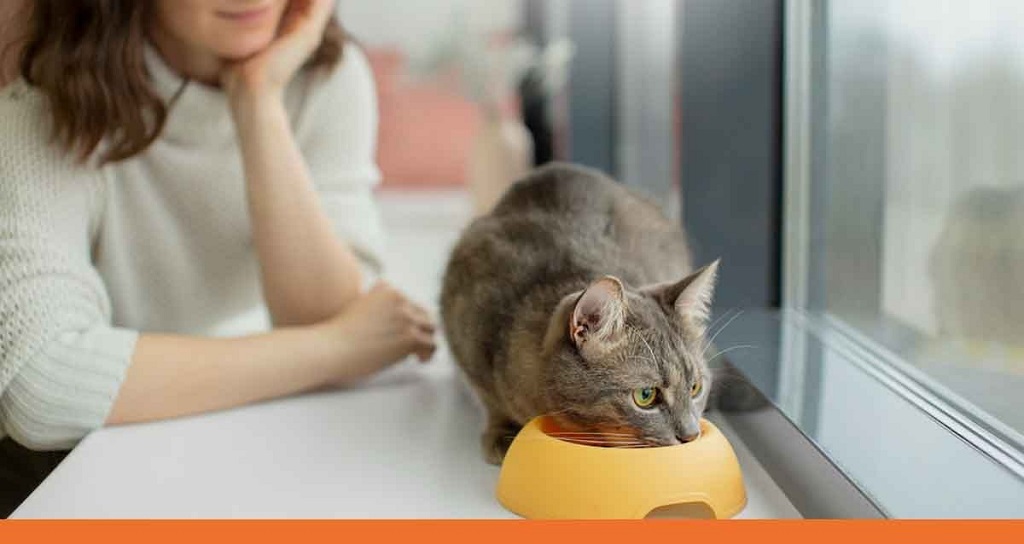
Snippet Answer: Reduce cat allergens by cleaning regularly, using air purifiers, washing bedding, and grooming your cat to minimize dander and saliva spread.
Managing allergens in your home is the first step to easing cat allergy symptoms. Since dander and saliva proteins are the main triggers for humans, keeping your living space clean is crucial. Regular vacuuming with a HEPA-filter vacuum can trap tiny particles that standard vacuums miss. Focus on carpets, furniture, and curtains where dander tends to settle. Additionally, washing your cat’s bedding and your own in hot water weekly removes allergens effectively.
Air purifiers with HEPA filters are another powerful tool. They capture airborne particles, reducing the amount of dander you or your cat might inhale. Place purifiers in rooms where your cat spends the most time, like the living room or bedroom. For inspiration on creating an allergy-friendly home, platforms like Homeplanidea offer ideas for optimizing your space.
Grooming your cat regularly also helps. Brushing your pet daily with a pet-safe brush reduces loose fur and dander. If possible, bathe your cat every few weeks using a gentle, vet-approved shampoo. This not only cuts down on allergens but also soothes a cat’s itchy skin if they have allergies. However, avoid over-bathing, as it can dry out their skin and worsen irritation.
Other strategies include:
- Designate cat-free zones: Keep bedrooms or other key areas off-limits to reduce allergen exposure where you sleep.
- Use hypoallergenic bedding: Covers designed to block allergens can protect mattresses and pillows.
- Ventilate your home: Open windows or use exhaust fans to reduce indoor allergen buildup.
By combining these methods, you can significantly lower allergen levels, creating a more comfortable environment for everyone.
What Natural Remedies Can Soothe Human Cat Allergy Symptoms?
Snippet Answer: Natural remedies for human cat allergies include nasal irrigation, local honey, quercetin supplements, and steam inhalation to ease sneezing, congestion, and itching.
For humans, managing cat allergy symptoms naturally focuses on reducing inflammation and clearing allergens from the body. One effective method is nasal irrigation using a saline solution. A neti pot or saline spray flushes out allergens from nasal passages, reducing congestion and sneezing. Use distilled or boiled water to ensure safety, as tap water can introduce bacteria.
Local honey is another popular remedy. The theory is that consuming honey from your area exposes you to small amounts of local pollen, potentially desensitizing your immune system over time. While scientific evidence is mixed, a teaspoon daily is a low-risk option for mild relief. Similarly, quercetin, a plant-based compound found in foods like apples and onions, acts as a natural antihistamine. Taking 500-1000 mg daily as a supplement may reduce symptoms like itchy eyes or a runny nose, according to WebMD.
Steam inhalation is another simple solution. Inhaling steam from a bowl of hot water (with a towel over your head to trap the steam) can loosen mucus and soothe irritated airways. Adding essential oils like eucalyptus or peppermint may enhance the effect, but use sparingly to avoid irritation.
These remedies work best when combined with environmental controls, like those mentioned earlier. For example, using a neti pot after vacuuming ensures allergens are cleared from both your home and your body. Consistency is key, as natural remedies often take time to show results.
What Home Remedies Help Cats with Allergies?
Snippet Answer: Home remedies for cats with allergies include omega-3 supplements, hypoallergenic diets, coconut oil, and oatmeal baths to reduce itching and inflammation.
Cats with allergies often suffer from itchy skin, hair loss, or digestive issues, and natural remedies can provide relief without harsh medications. Omega-3 fatty acids, found in fish oil or flaxseed oil, are excellent for reducing inflammation. A vet-approved supplement added to your cat’s food (typically 500-1000 mg daily for a medium-sized cat) can improve skin health and reduce scratching. Always consult a vet for proper dosing.
Switching to a hypoallergenic diet is another effective approach. Many cats are sensitive to proteins like chicken or grains in commercial foods. Limited-ingredient diets or novel protein sources (like duck or venison) can pinpoint and eliminate triggers. Transition gradually over 7-10 days to avoid digestive upset.
Coconut oil, when applied topically in small amounts, can soothe irritated skin and act as a natural moisturizer. Use a pea-sized amount and massage it into affected areas, ensuring your cat doesn’t lick it off immediately. Oatmeal baths are another gentle option. Mix finely ground oatmeal with warm water and soak your cat for 5-10 minutes to calm itchy skin. Use a pet-safe shampoo afterward to rinse thoroughly.
Other remedies include:
- Flea control: Use natural flea repellents like diatomaceous earth (food-grade) to address flea allergies.
- Probiotics: Adding pet-safe probiotics to food can support gut health, reducing food-related allergies.
- Humidifiers: Maintaining indoor humidity between 40-60% prevents dry skin, which can worsen itching.
Always monitor your cat’s response to these remedies and consult a vet if symptoms persist. Combining these with environmental changes, like those suggested in home design resources, ensures a holistic approach.
Can Lifestyle Changes Support Allergy Relief for Both Humans and Cats?
Snippet Answer: Lifestyle changes like stress reduction, regular exercise, and a balanced diet can boost immunity and reduce allergy symptoms for humans and cats.
Allergies are closely tied to immune system health, so lifestyle changes that promote overall wellness can make a big difference. For humans, stress reduction is critical, as stress hormones like cortisol can worsen allergic reactions. Practices like yoga, meditation, or even a daily walk can lower stress and improve immune resilience. A balanced diet rich in anti-inflammatory foods—like berries, leafy greens, and fatty fish—also helps. Avoiding processed foods and excess sugar reduces inflammation, which can amplify allergy symptoms.
For cats, a stress-free environment is equally important. Cats are sensitive to changes, and stress can trigger or worsen allergic reactions. Provide a calm space with hiding spots, toys, and regular playtime to keep your cat relaxed. Exercise, like interactive play with feather wands, supports their physical and mental health, reducing symptoms like excessive grooming.
Hydration is another shared factor. Ensure both you and your cat drink plenty of water to keep mucous membranes moist, reducing irritation. For cats, wet food or a pet water fountain can encourage drinking. These changes, paired with home remedies for cat allergies, create a comprehensive approach to relief.
Read More Also: Best Free Movie Streaming on Cineb in 2025
Conclusion
Managing cat allergies doesn’t have to rely on medications alone. By using natural home remedies, like regular cleaning, air purifiers, nasal irrigation, and omega-3 supplements, you can ease symptoms for both yourself and your cat. These solutions, grounded in reducing allergen exposure and supporting immune health, offer a practical way to enjoy life with your pet. Resources like Homeplanidea provide additional inspiration for creating an allergy-friendly home. Start by identifying specific triggers, then implement a combination of environmental controls, dietary changes, and soothing remedies. Always consult a doctor or vet for persistent symptoms to ensure the best care. Ready to try these remedies? Begin with one or two strategies, track their impact, and build a routine that works for you and your feline friend.
FAQs About Home Remedies for Cat Allergies
Can diet changes help with cat allergies?
Yes, diet changes can reduce allergies. For humans, anti-inflammatory foods like berries and fish help. For cats, hypoallergenic or limited-ingredient diets address food sensitivities.
Are air purifiers effective for cat allergies?
Air purifiers with HEPA filters effectively trap cat dander and other allergens, reducing symptoms like sneezing and congestion for humans.
How often should I groom my cat to reduce allergens?
Brush your cat daily and bathe them every 4-6 weeks with vet-approved shampoo to minimize dander and soothe their skin.
Can essential oils be used for cat allergies?
Use essential oils like eucalyptus cautiously for humans via steam inhalation. Avoid using them around cats, as many are toxic to felines.
What’s the best natural remedy for a cat’s itchy skin?
Omega-3 supplements and oatmeal baths are top remedies for a cat’s itchy skin, reducing inflammation and soothing irritation naturally.
Can stress worsen cat allergies?
Yes, stress can amplify allergy symptoms in both humans and cats by weakening the immune system, making relaxation techniques beneficial.
Are home remedies safe for all cats?
Most home remedies are safe, but always consult a vet before trying new treatments, especially supplements or topical applications, to avoid adverse reactions.