


A Stitch in Time Preserves Heritage
Imagine a tattered kimono, lovingly patched with scraps of indigo-dyed fabric, each stitch telling a story of resilience, resourcefulness, and artistry. This is the essence of Japanese boro and sashiko, two traditional textile techniques that transform worn garments into cherished heirlooms. Rooted in Japan’s rural past, these mending practices are more than just repairs—they’re a celebration of sustainability and cultural heritage. In this article, we’ll unravel the rich history of boro and sashiko, exploring their origins, evolution, and enduring appeal in modern times. Whether you’re a textile enthusiast or simply curious about Japanese culture, this journey through the art of mending will inspire you to see old fabrics in a new light.
What Are Boro and Sashiko?
Boro and sashiko are distinct yet interconnected Japanese textile traditions. Boro, meaning “tattered” or “ragged” in Japanese, refers to the practice of layering and patching worn fabrics to extend their life. These patched textiles, often made from hemp or cotton, were historically used by Japan’s rural working class to create durable clothing and bedding. Over time, boro pieces became visually striking, with intricate patterns of patches forming a patchwork aesthetic.
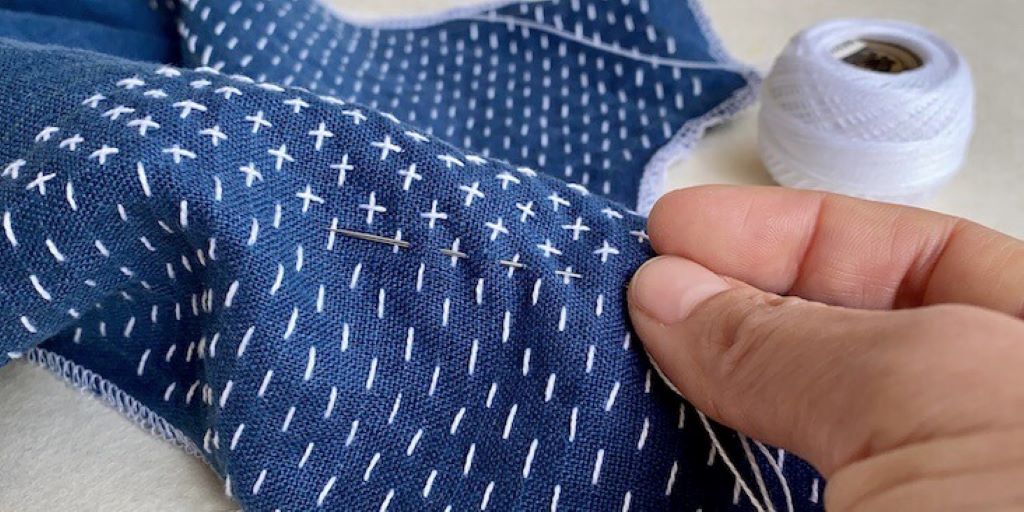
Sashiko, translating to “little stabs” or “piercing with a needle,” is a form of decorative stitching used to reinforce or repair fabric. Characterized by simple, repetitive running stitches, sashiko often features geometric patterns like waves, diamonds, or grids. While sashiko was initially functional, it evolved into an art form, blending utility with beauty.
Both techniques reflect Japan’s ethos of mottainai—a philosophy of minimizing waste and valuing resources. Together, they tell a story of ingenuity and reverence for the everyday.
The Historical Roots of Boro and Sashiko
Early Beginnings in Rural Japan
The origins of boro and sashiko trace back to Japan’s Edo period (1603–1868), a time when cotton was a precious commodity, especially in rural areas. Farmers, fishermen, and laborers in northern Japan, particularly in the Tohoku region, faced harsh climates and limited resources. Clothing was patched and re-patched to withstand wear and tear, giving rise to boro. Families would layer scraps of fabric, often dyed with indigo for its durability and insect-repellent properties, to create warm, functional garments.
Sashiko emerged around the same time as a practical stitching method to reinforce weak points in clothing or to quilt layers of fabric for insulation. Common patterns, such as kogin (a regional variation from Aomori) or hisizashi (diamond-shaped stitches), were both structural and decorative. These early stitches were typically white thread on indigo fabric, creating a striking contrast that became a hallmark of sashiko.
Social and Economic Context
During the Edo period, Japan’s rigid class system restricted access to luxury materials like silk to the samurai and wealthy elite. The working class relied on hemp and, later, cotton, which were laboriously grown, spun, and woven by hand. Fabric was so valuable that every scrap was reused, and boro textiles often incorporated pieces passed down through generations. This practice wasn’t just about frugality; it was a matter of survival in a resource-scarce environment.
Sashiko also had practical applications beyond mending. Firefighters in Edo-era Japan used sashiko-stitched coats, layered and quilted for protection, often adorned with bold patterns symbolizing strength. Similarly, martial artists wore reinforced jackets stitched with sashiko for durability during training.
Evolution Through the Meiji Era and Beyond
The Meiji era (1868–1912) brought industrialization and access to imported textiles, which gradually reduced the necessity of boro and sashiko for everyday survival. As machine-made fabrics became affordable, hand-stitched repairs were less common among the general population. However, these techniques persisted in rural communities, where traditional practices remained integral to daily life.
By the 20th century, boro textiles were often seen as symbols of poverty, and many families discarded them in favor of modern clothing. Fortunately, collectors and textile enthusiasts began to recognize their cultural and aesthetic value, preserving these artifacts. Sashiko, meanwhile, transitioned from a utilitarian craft to a decorative art form, with artisans creating intricate patterns for quilts, clothing, and home decor.
The Cultural Significance of Boro and Sashiko
A Reflection of Japanese Aesthetics
Boro and sashiko embody the Japanese aesthetic principles of wabi-sabi—finding beauty in imperfection—and mottainai, the ethos of reducing waste. Each boro textile is unique, with patches and stitches reflecting the hands that made it and the life it lived. The irregular, organic patterns of boro contrast with the precise, rhythmic stitches of sashiko, creating a harmonious balance of chaos and order.
Stories in Every Stitch
Boro textiles are often described as “narratives in cloth.” A single piece might contain patches from a grandmother’s kimono, a child’s blanket, or a fisherman’s coat, each addition telling a story of family, hardship, and care. Sashiko patterns also carry meaning—geometric designs like asanoha (hemp leaf) symbolize growth and resilience, while seigaiha (wave patterns) evoke the rhythm of the sea.
Preservation of Heritage
Today, boro and sashiko are celebrated as cultural treasures. Museums, such as the Amuse Museum in Tokyo, showcase boro textiles as folk art, while artisans and designers incorporate sashiko into modern fashion and home goods. These practices connect contemporary creators with their ancestors, keeping traditional knowledge alive.
Modern Revival and Global Influence
Sashiko in Contemporary Design
In recent years, sashiko has experienced a global resurgence, fueled by the slow fashion movement and a growing interest in sustainable practices. Designers use sashiko to embellish denim, bags, and home decor, blending traditional patterns with modern aesthetics. Workshops and online tutorials have made sashiko accessible to hobbyists worldwide, with enthusiasts stitching everything from coasters to jackets.
Boro’s Appeal in Sustainable Fashion
Boro’s patchwork aesthetic has inspired sustainable fashion brands and DIY crafters alike. The rise of upcycling—repurposing old clothing—mirrors boro’s ethos of making do with what’s available. High-end designers, such as Maison Margiela and Kapital, draw on boro’s rugged beauty, creating collections that celebrate imperfection and individuality.
Environmental and Ethical Implications
In an era of fast fashion, boro and sashiko offer a counterpoint to disposable culture. By repairing and reusing textiles, these practices reduce waste and promote mindfulness. They remind us that beauty can emerge from scarcity and that well-crafted items deserve to be cherished.
How to Get Started with Boro and Sashiko
Learning Sashiko Stitching
Sashiko is beginner-friendly, requiring only basic tools: a needle, thread (typically white or navy), and fabric (often indigo-dyed cotton). Start with simple patterns like moyozashi (grid-like stitches) before progressing to complex designs. Online resources, books like Sashiko for Making & Mending by Saki Iiduka, and local workshops can guide you. Practice on scrap fabric to master even stitches and tension.
Creating Boro-Inspired Projects
To try boro, gather old fabrics—denim, cotton, or linen work well—and experiment with layering patches. Use sashiko stitches to secure patches, embracing imperfections. Start small with projects like a tote bag or a scarf before tackling larger items like jackets. The key is to let the fabric’s history guide your design.
Where to Find Inspiration
Explore online platforms like Pinterest or Instagram for sashiko patterns and boro projects. Visit textile museums or exhibitions to see historical pieces up close. Books like Boro: Threads of Life by Susan Briscoe offer deep dives into the craft’s history and techniques.
Challenges and Considerations
While boro and sashiko are rewarding, they require patience and practice. Sourcing authentic materials, like indigo-dyed cotton, can be costly, and mastering even stitches takes time. Additionally, cultural sensitivity is crucial—understanding the historical context of these practices ensures respectful engagement.
Conclusion: Stitching the Past into the Future
The history of Japanese boro and sashiko is a testament to human ingenuity and the enduring power of craft. From their humble origins in rural Japan to their modern revival in global fashion, these techniques remind us to value what we have and to find beauty in the imperfect. Whether you’re drawn to their aesthetic, their sustainability, or their cultural depth, boro and sashiko invite you to slow down and create with intention.
Related Topics
The Influence of Social Media on Fashion Trends
Trending Luxury Bags in Houston: What’s Hot in 2025