

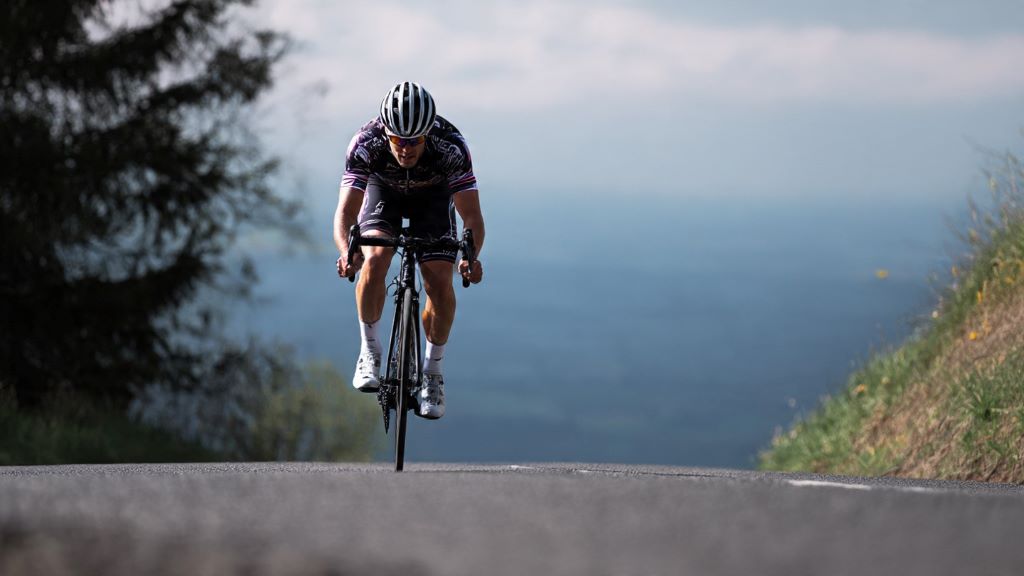
Every cyclist has experienced it. You’re climbing a steep hill or sprinting hard, and suddenly your bike starts making an annoying creaking sound. This noise can be frustrating and concerning, especially when you’re not sure where it’s coming from. At Cyclist View, we understand how important it is to ride with confidence and without distracting noises.
Creaking sounds during hard pedaling typically indicate that something needs attention. The noise often comes from areas under stress when you apply maximum power to the pedals. Understanding the source of these sounds is the first step toward enjoying a quieter, smoother ride.
Understanding the Main Culprit
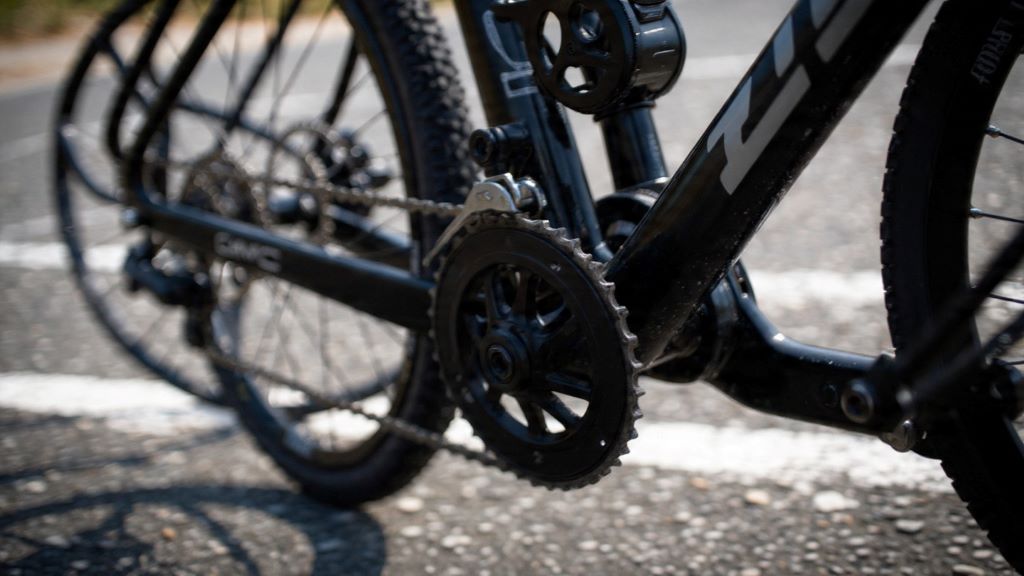
One of the most common sources of creaking is the bottom bracket area. When you pedal hard, enormous forces transfer through this component. Additionally, modern bikes often use press fit bottom brackets, which can develop annoying sounds over time. If you’re dealing with press fit bottom bracket creaking, you’re not alone in this struggle.
Press fit systems rely on friction to hold the bearing cups in place. However, this design can allow micro-movements between the frame and bottom bracket. These tiny movements create the creaking sounds that drive cyclists crazy during intense efforts.
Common Sources of Pedaling Creaks
Bottom Bracket Issues
The bottom bracket bears the brunt of your pedaling power. Therefore, it’s often the primary suspect when creaks appear. Dirt, corrosion, or worn bearings can all contribute to noise. Sometimes, the bottom bracket simply needs cleaning and fresh grease.
Threaded bottom brackets can loosen over time. Meanwhile, press fit varieties may develop gaps between the bearing cups and frame. Both situations create opportunities for unwanted sounds.
Pedal and Cleat Problems
Your pedals connect you to the bike and endure significant forces. Loose pedal threads or worn pedal bearings frequently cause creaking. Furthermore, if you use clipless pedals, the cleats themselves might be the issue.
Cleats bolt to your shoes and can work loose gradually. Dirt trapped between the cleat and shoe also creates noise. Checking these connection points takes just minutes and often solves the problem.
Crank Arm Complications
Crank arms must attach securely to the bottom bracket spindle. Any looseness here produces creaks under load. Modern cranks use various attachment methods, and each has potential weak points.
Carbon cranks require special attention. Overtightening can damage them, while undertightening allows movement. Getting the torque exactly right is essential for silent operation.
Chain and Chainring Concerns
A worn or dry chain can create sounds similar to creaking. Similarly, loose chainring bolts allow the chainrings to flex slightly under power. This flexing produces clicking or creaking noises that seem to come from the bottom bracket area.
Regularly lubricating your chain prevents many issues. Moreover, checking chainring bolt tightness should be part of routine maintenance.
Diagnosing Your Specific Creak
Finding the exact source requires systematic investigation. However, the process doesn’t need to be complicated. Start by cleaning your bike thoroughly, as dirt can mask the true location of sounds.
Next, try pedaling while standing next to the bike. Push down hard on one pedal while holding the brakes. Listen carefully and feel for vibrations. This method often helps isolate the problem area.
Pay attention to when the creak occurs. Does it happen on every pedal stroke or only under maximum effort? Additionally, note whether the sound appears during climbs, sprints, or both situations.
The Bounce Test
Lift your bike and drop it gently on the ground. Listen for any rattles or creaks. This simple test can reveal loose components that might cause noise during riding.
The Torque Test
While standing next to your bike, grab the bars and push down hard on one pedal. Rock the bike side to side while maintaining pressure. This motion often reproduces creaks and helps pinpoint their location.
Solutions for a Quieter Ride
Bottom Bracket Maintenance
Remove, clean, and reinstall your bottom bracket regularly. Apply appropriate grease to threaded interfaces. For press fit systems, consider using friction-reducing compounds designed specifically for this purpose. According to Park Tool, proper maintenance intervals depend on riding conditions but generally range from annually to every few years.
Some mechanics recommend adding a thin layer of grease or anti-seize compound to press fit bottom brackets during installation. Others prefer specialized friction compounds. Experiment to find what works best for your specific frame and riding conditions.
Pedal and Cleat Servicing
Remove your pedals and apply fresh grease to the threads. Ensure they’re tightened to manufacturer specifications. Clean your cleats and check for wear indicators. Replace cleats that show significant wear or damage.
Tighten cleat bolts to proper torque settings. Additionally, consider using a small amount of grease on cleat bolts to prevent corrosion and facilitate future removal.
Crank and Chainring Checks
Use a torque wrench to ensure crank bolts meet specifications. Check chainring bolts and tighten any that have loosened. Inspect for wear on both cranks and chainrings.
If you have carbon components, always use a torque wrench. Carbon fiber requires precise torque values to avoid damage while maintaining secure connections.
Prevention Strategies
Regular maintenance prevents most creaking issues. Therefore, establish a routine maintenance schedule based on your riding frequency. Weekly riders should check key components monthly, while daily riders need more frequent inspections.
Keep your bike clean and dry. Moisture accelerates wear and promotes corrosion. Store your bike in a dry location whenever possible.
Use quality components and proper installation techniques. Cheap parts often develop problems quickly. Furthermore, professional installation ensures components are fitted correctly from the start.
When to Seek Professional Help
Some creaks resist home troubleshooting efforts. Complex issues involving frame alignment or internal routing may require professional expertise. Additionally, if you lack proper tools like torque wrenches, a bike shop visit makes sense.
Professional mechanics have experience with countless creaking bikes. They can often identify problems quickly based on sound characteristics and bike design. Don’t hesitate to seek help if you’re uncertain about diagnoses or repairs.
Persistent creaks after multiple fix attempts suggest deeper issues. Frame damage, improper manufacturing tolerances, or incompatible components might be responsible. A qualified mechanic can assess these possibilities and recommend solutions.
Conclusion
Creaking during hard pedaling is common but solvable. Most noises originate from the bottom bracket, pedals, cranks, or chain area. Systematic diagnosis helps identify the specific source in your bike.
Regular maintenance prevents many creaking issues. Clean your bike frequently, check bolt tightness, and replace worn components promptly. These simple practices keep your ride quiet and enjoyable.
Remember that some creaks are more stubborn than others. Press fit bottom brackets, in particular, can be challenging. However, with patience and proper technique, you can achieve a silent, smooth-running bike that lets you focus on the road ahead.
Frequently Asked Questions
Q: Why does my bike only creak when I pedal hard? A: Hard pedaling increases forces on components, causing loose or worn parts to move slightly and create noise. The extra stress reveals problems that don’t appear during gentle riding.
Q: Can a creaking bike be dangerous? A: Most creaks indicate minor issues like loose bolts rather than safety concerns. However, ignoring persistent creaks can lead to component failure. Address noises promptly to maintain safety and performance.
Q: How often should I service my bottom bracket? A: Service intervals depend on riding conditions. Riders in wet or dirty environments should service bottom brackets annually. Those in dry conditions can extend intervals to two years or more.
Q: Will creaking damage my bike frame? A: Creaking itself doesn’t damage frames, but the underlying causes might. For example, a loose bottom bracket can wear the frame’s threads or press fit interface over time. Fix creaks quickly to prevent secondary damage.
Q: Why does my new bike creak? A: New bikes can creak due to components settling or bolts that weren’t torqued properly during assembly. Check all connection points and retighten as needed. Many shops offer free initial tune-ups to address these settling issues.
Related Topics:
Philadelphia Best Bike Trails And Routes: Where to Ride Now
Oklahoma City Plant Care & Pest Management – Wind‑Tolerant Varieties & Soil Issues