

Traditional kitchen sponges have a notorious reputation for developing unpleasant odors within days of use. The damp environment creates the perfect breeding ground for bacteria, leaving your cleaning tool smelling worse than the dishes you’re trying to wash. Fortunately, sustainable options exist that eliminate this problem entirely. Marigold Commerce offers insights into practical solutions that keep your kitchen fresh while reducing environmental impact.
The shift toward more sustainable cleaning methods has gained momentum as people recognize the drawbacks of conventional sponges. These traditional tools retain moisture, harbor harmful bacteria, and contribute to plastic waste when discarded every few weeks. Therefore, finding alternatives that address both hygiene concerns and environmental responsibility has become increasingly important for modern households.
Why Traditional Sponges Develop Bad Odors
Understanding the root cause of sponge odor helps explain why alternatives work better. Traditional cellulose and polyurethane sponges trap food particles, grease, and moisture in their porous structure. Within hours, bacteria begin multiplying rapidly in this warm, wet environment. Studies from the USDA recommend replacing kitchen sponges weekly because they can harbor dangerous pathogens.
Additionally, the synthetic materials used in most commercial sponges break down slowly, releasing microplastics into waterways. This environmental concern compounds the hygiene issues, making the search for better options doubly important. When exploring zero waste kitchen alternatives, smell-free options naturally rise to the top of consideration.
Swedish Dishcloths: The Versatile Solution
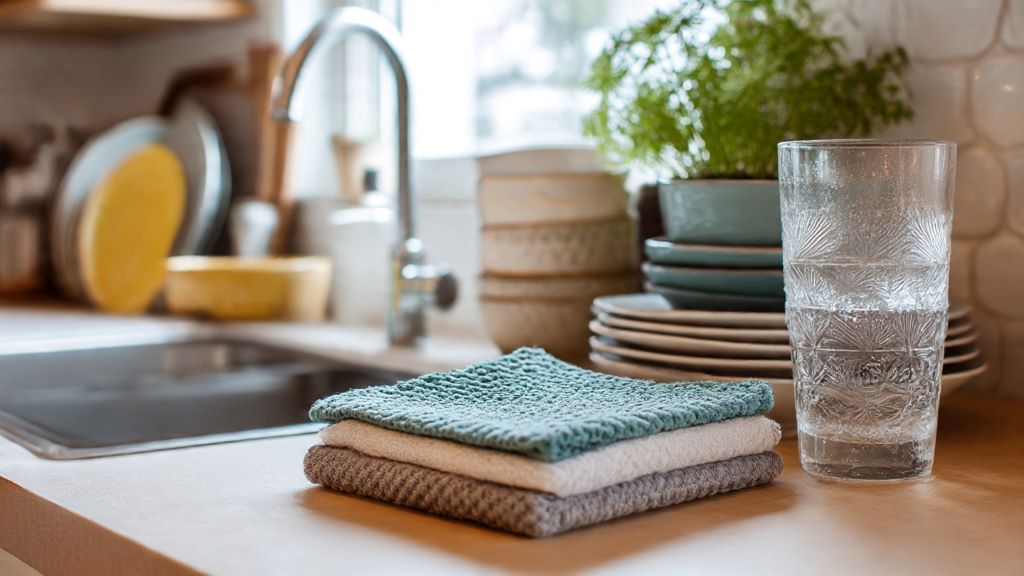
Swedish dishcloths represent one of the most popular alternatives for good reason. Made from a combination of cellulose and cotton, these thin, absorbent cloths can hold up to twenty times their weight in liquid. Unlike traditional sponges, they dry quickly between uses, preventing bacterial growth and eliminating odor problems.
These cloths originated in Sweden during the 1940s and have remained a household staple throughout Scandinavia ever since. Their quick-drying properties make them naturally antimicrobial without requiring chemical treatments. Moreover, they’re completely biodegradable at the end of their lifespan, which typically lasts six to nine months with proper care.
Cleaning Swedish dishcloths is remarkably simple. You can sanitize them in the dishwasher, washing machine, or microwave. This ease of maintenance ensures they remain fresh and hygienic throughout their entire usable life. However, proper drying between uses remains essential for optimal performance.
Natural Fiber Brushes for Scrubbing Power
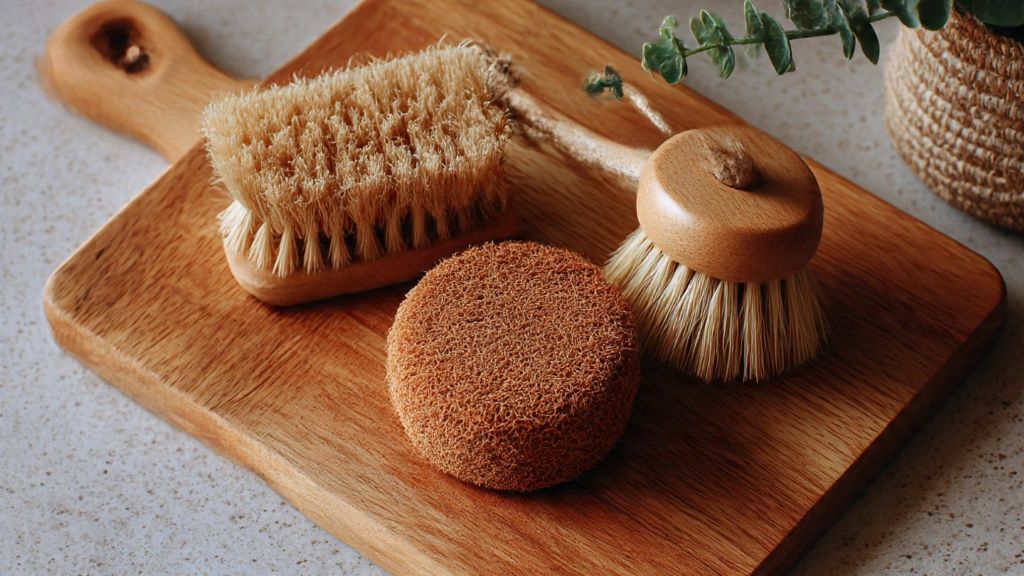
Wooden dish brushes with plant-based bristles offer excellent scrubbing capability without the smell associated with sponges. The bristles, typically made from coconut coir, sisal, or palmyra fiber, provide effective cleaning action while allowing water to drain away completely. This drainage prevents the moisture retention that causes odor in traditional sponges.
The wooden handles resist moisture damage when allowed to dry properly between uses. Many designs feature replaceable heads, extending the tool’s overall lifespan significantly. This modularity reduces waste while maintaining hygiene standards that sponges cannot match.
Natural fiber brushes work exceptionally well for stuck-on food and greasy pans. The stiff bristles provide mechanical cleaning action superior to soft sponges. Additionally, these brushes often come with ergonomic handles that make scrubbing less tiresome during extended cleaning sessions.
Copper Cloth Scrubbers for Tough Jobs
Copper cleaning cloths deliver powerful scrubbing action for stubborn messes while remaining completely odor-free. The metal construction naturally resists bacterial growth, and the open weave allows water to flow through freely. These properties combine to create a cleaning tool that never develops the musty smell plaguing traditional sponges.
Copper possesses natural antimicrobial properties that have been recognized for centuries. Research continues to confirm copper’s ability to eliminate harmful bacteria on contact. Therefore, copper cloths provide both effective cleaning and built-in sanitation without chemical additives.
These scrubbers work wonderfully on stainless steel, cast iron, and ceramic surfaces. They remove baked-on food residue with minimal effort. However, avoid using them on delicate surfaces like nonstick coatings or polished stone, where they might cause scratching.
Bamboo Cleaning Cloths: Sustainable and Fresh
Bamboo fiber cloths combine sustainability with practical performance. Bamboo grows rapidly without pesticides or excessive water, making it an environmentally friendly material choice. The resulting fabric possesses natural antibacterial properties that prevent odor development even when damp.
These soft, absorbent cloths handle everyday dishwashing tasks beautifully. They rinse clean easily and dry faster than traditional sponges. The smooth texture works well on delicate glassware and nonstick cookware without causing damage. Furthermore, bamboo cloths can withstand repeated machine washing, maintaining their effectiveness through hundreds of uses.
The durability of bamboo cloths makes them cost-effective over time. While the initial investment exceeds that of a package of disposable sponges, one bamboo cloth can replace dozens of traditional sponges throughout its lifespan. This longevity benefits both your budget and the environment.
Silicone Scrubbers: The Modern Innovation
Silicone cleaning tools represent a contemporary approach to the sponge odor problem. The non-porous surface prevents bacterial colonization entirely, making odor development impossible. Water rolls off silicone quickly, and the material dries completely within minutes of use.
These scrubbers come in various designs, from flat pads to bristled brushes. The flexibility of silicone allows manufacturers to create ergonomic shapes that fit comfortably in your hand during use. Additionally, silicone withstands extreme temperatures, allowing for dishwasher sterilization or boiling water sanitization.
The longevity of silicone scrubbers exceeds all other options discussed here. With proper care, a single silicone scrubber can last for years. This durability makes them an excellent investment despite higher upfront costs. However, some users find silicone less effective on heavy-duty scrubbing tasks compared to natural fiber options.
Cotton Cleaning Rags: Simple and Effective
Plain cotton cleaning rags deserve consideration as perhaps the simplest alternative available. Old t-shirts, towels, or dedicated cleaning cloths can handle most dishwashing tasks admirably. Cotton absorbs water well, rinses clean easily, and dries relatively quickly when hung properly.
The primary advantage of cotton rags lies in their accessibility and cost. Most households already possess suitable fabric that can be repurposed for cleaning. When these cloths wear out, they can be composted if made from 100% natural fibers. This complete lifecycle makes cotton an excellent zero-waste option.
Machine washing cotton rags with hot water and detergent eliminates bacteria effectively. Rotating multiple cloths throughout the week ensures you always have fresh, clean tools available. This rotation system also extends the life of individual cloths by reducing wear from constant use.
Care and Maintenance Tips for Smell-Free Cleaning Tools
Proper maintenance keeps alternative cleaning tools fresh and effective. Rinse all tools thoroughly after each use, removing food particles and soap residue completely. This simple step prevents bacterial growth regardless of the material you choose.
Allow your cleaning tools to dry completely between uses. Hang brushes bristle-down to promote drainage. Drape cloths over faucets or drying racks where air can circulate freely. Standing water creates conditions for bacterial growth even in materials designed to resist it.
Regular sanitization extends the life of your cleaning tools while maintaining hygiene. Machine wash fabric options weekly. Run brushes through the dishwasher monthly. Boil natural fiber tools occasionally to eliminate any accumulated bacteria. These practices ensure your alternatives remain truly superior to traditional sponges.
Conclusion
Eliminating smelly kitchen sponges improves both your cleaning experience and your home’s hygiene. Swedish dishcloths, natural fiber brushes, copper scrubbers, bamboo cloths, silicone tools, and cotton rags all offer effective alternatives that resist odor development. Each option brings unique advantages to different cleaning situations, allowing you to customize your approach based on specific needs.
The environmental benefits of these alternatives extend beyond personal comfort. By choosing reusable, long-lasting tools, you reduce plastic waste and support more sustainable manufacturing practices. Furthermore, most alternatives ultimately prove more economical than repeatedly purchasing disposable sponges.
Transitioning away from traditional sponges requires minimal effort but delivers substantial improvements. Your kitchen will smell fresher, your dishes will be cleaner, and your environmental footprint will shrink. These smell-free alternatives demonstrate that practical solutions often align perfectly with environmental responsibility.
Frequently Asked Questions
How often should I replace kitchen sponge alternatives?
Replacement frequency varies by material. Swedish dishcloths last six to nine months, natural fiber brushes last up to one year with replaceable heads, copper cloths last several years, silicone scrubbers can last indefinitely, and cotton rags should be replaced when they develop holes or lose absorbency. Regular sanitization extends the life of all options.
Can these alternatives effectively clean greasy dishes?
Yes, all mentioned alternatives handle grease effectively. Natural fiber brushes and copper cloths excel at removing stubborn grease and baked-on food. Swedish dishcloths and cotton rags work well with hot water and dish soap for regular grease removal. Silicone scrubbers require slightly more effort but remain effective with proper technique.
Are smell-free alternatives safe for all cookware types?
Most alternatives suit various cookware, but caution is necessary with delicate surfaces. Copper cloths and stiff natural bristles may scratch nonstick coatings, polished copper, or delicate glass. Swedish dishcloths, bamboo cloths, cotton rags, and silicone scrubbers safely clean all cookware types without causing damage.
How do I prevent any cleaning tool from developing odors?
Thorough rinsing after each use removes food particles that feed bacteria. Complete drying between uses prevents moisture retention that enables bacterial growth. Regular sanitization through machine washing, dishwasher cleaning, or boiling eliminates accumulated bacteria. Following these practices keeps any cleaning tool fresh indefinitely.
Where can I purchase these sponge alternatives?
These products are widely available at home goods stores, grocery stores, and online retailers. Specialty zero-waste shops often carry multiple options. Many general retailers now stock Swedish dishcloths and bamboo cleaning tools in their household sections. Online marketplaces offer the widest selection with various brands and price points available.
Related Topics: