

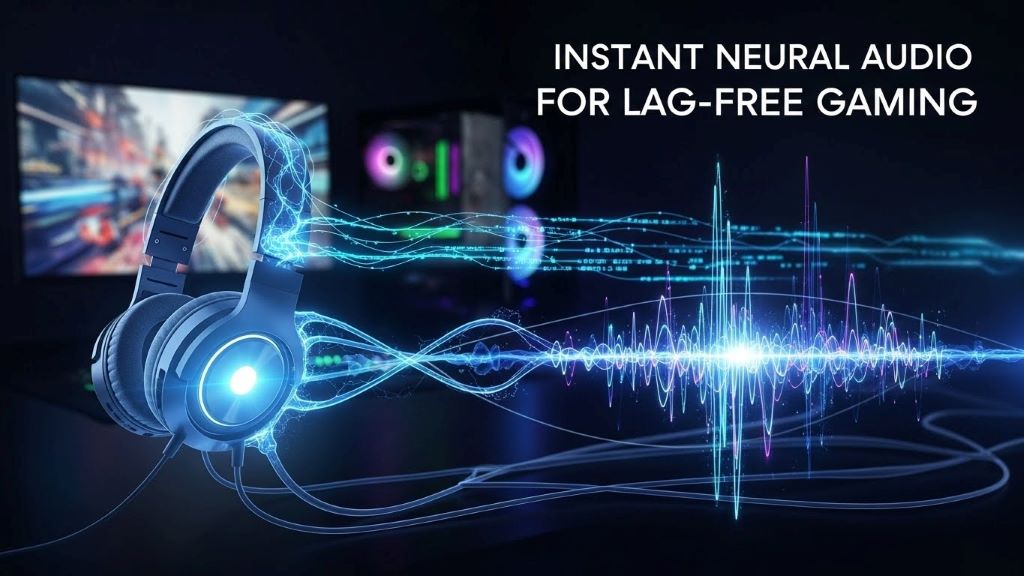
Gaming enthusiasts know that every millisecond counts. When it comes to competitive play, audio lag can mean the difference between victory and defeat. Fortunately, the gaming audio industry has made remarkable strides in eliminating latency issues. Thanks to cutting-edge innovations from brands featured on Headphones Unboxed, gamers now have access to technology that delivers sound in real time.
The quest for zero-latency audio has driven manufacturers to develop sophisticated solutions. These innovations combine advanced wireless protocols, dedicated gaming chips, and neural processing algorithms. As a result, modern gaming headsets can transmit audio signals with imperceptible delays. Additionally, these headphones advances in technology have transformed how players experience immersive soundscapes during intense gaming sessions.
Understanding latency matters because it directly affects gameplay performance. Traditional Bluetooth headphones often introduce delays of 100 to 200 milliseconds. However, neural latency-free systems reduce this lag to less than 20 milliseconds. Therefore, players can react faster to in-game audio cues and maintain their competitive edge.
Understanding Audio Latency in Gaming
Audio latency refers to the time gap between a sound being generated and heard. In gaming contexts, this delay occurs when transmitting audio from your console or PC to your headphones. The delay becomes problematic when visual and audio elements fall out of sync.
Several factors contribute to audio latency. First, the wireless transmission method plays a crucial role. Bluetooth technology, while convenient, processes audio through multiple compression and decompression stages. Second, the distance between the transmitter and receiver affects signal speed. Third, interference from other wireless devices can create additional delays.
For competitive gamers, even small delays cause significant issues. Imagine hearing footsteps behind your character after an opponent has already attacked. These split-second disadvantages add up during fast-paced matches. Furthermore, latency disrupts the immersive experience that modern games strive to create.
Neural Processing Technology Explained
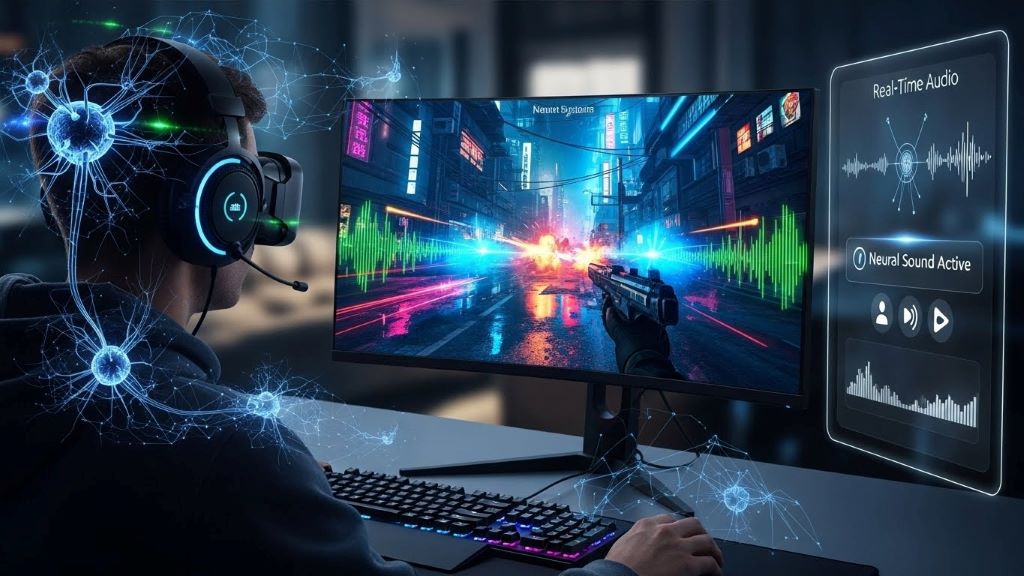
Neural processing represents a breakthrough in audio transmission. Unlike traditional methods, neural systems use artificial intelligence to predict and compensate for potential delays. These smart algorithms analyze audio patterns in real time and adjust transmission accordingly.
The technology works by learning from millions of audio samples. Machine learning models identify which frequencies and patterns require priority transmission. Subsequently, the system allocates bandwidth more efficiently. This intelligent approach ensures critical gaming sounds reach your ears without delay.
Moreover, neural processors adapt to changing conditions. They monitor signal strength and adjust compression levels dynamically. When interference occurs, the system automatically switches to clearer channels. This adaptive behavior maintains consistent, low-latency performance across different environments.
Key Technologies Enabling Zero-Latency Audio
Several technological advancements have made latency-free gaming audio possible. Understanding these innovations helps appreciate the engineering behind modern gaming headsets.
Dedicated gaming wireless protocols have replaced standard Bluetooth in many high-end headsets. These proprietary systems operate on 2.4GHz frequencies optimized for speed. Unlike Bluetooth, they skip unnecessary handshake protocols that cause delays. According to The Verge, some gaming headsets now achieve latency as low as 15 milliseconds.
Hardware acceleration provides another crucial component. Modern gaming headphones incorporate specialized audio chips that process signals faster than general-purpose processors. These chips handle encoding and decoding operations at lightning speed. Additionally, they free up your gaming device’s main processor for other tasks.
Low-latency codecs represent the third pillar of latency-free audio. Codecs like aptX Low Latency and LC3plus compress audio without introducing significant delays. They balance sound quality with transmission speed effectively. Therefore, gamers enjoy both rich audio detail and responsive performance.
Benefits Beyond Gaming Performance
While competitive advantages drive adoption, latency-free audio offers benefits beyond gaming. These technologies enhance various entertainment experiences and daily activities.
Movie watching becomes more enjoyable with synchronized audio. Dialogue matches lip movements perfectly, creating a cinematic experience at home. Similarly, music production benefits from real-time monitoring. Musicians and podcasters can record without frustrating audio delays.
Video conferencing also improves with low-latency audio. Conversations flow naturally without awkward pauses caused by transmission delays. This enhancement proves particularly valuable for remote workers and online learners. Additionally, virtual reality applications require precise audio timing to maintain immersion.
Comparing Traditional and Neural Latency-Free Systems
The differences between traditional and neural systems become apparent during real-world use. Traditional wireless headphones rely on fixed compression algorithms that treat all audio equally. These systems cannot adapt to changing conditions or prioritize important sounds.
Neural systems, by contrast, continuously optimize performance. They recognize weapon fire, footsteps, and voice communications as priority audio. Consequently, these critical sounds transmit first with minimal compression. Background music and ambient noise receive standard processing.
Battery life concerns often arise when discussing advanced audio technologies. However, neural processors operate efficiently thanks to specialized chip architecture. Many gaming headsets with neural technology offer 20 to 30 hours of continuous use. Therefore, gamers rarely experience mid-session battery failures.
Choosing the Right Latency-Free Headphones
Selecting appropriate gaming headphones requires considering several factors. First, determine your primary use case. Competitive esports players need different features than casual gamers who value comfort and versatility.
Connection type matters significantly. Wired connections still offer the absolute lowest latency possible. However, modern wireless systems have narrowed this gap considerably. For most players, the freedom of wireless outweighs minimal latency differences.
Budget considerations influence available options. Entry-level gaming headsets with low latency start around $100. Premium models with neural processing technology cost $200 to $400. These higher-end options typically include additional features like spatial audio and customizable EQ settings.
Compatibility ensures your headphones work with all your gaming devices. Check whether the headset supports your PC, console, or mobile platform. Some manufacturers provide universal dongles that work across multiple systems. This flexibility adds value for gamers who play on various platforms.
The Future of Gaming Audio Technology
Innovation in gaming audio continues at a rapid pace. Researchers are developing even more sophisticated neural algorithms that predict player actions. These predictive systems could reduce perceived latency below measurable thresholds.
Integration with gaming engines represents another frontier. Direct communication between games and headphones could enable dynamic audio adjustments. For instance, headphones might emphasize directional cues during tense moments automatically.
Haptic feedback integration promises to enhance immersion further. Future headsets may combine latency-free audio with subtle vibrations that correspond to in-game events. This multisensory approach could revolutionize how players experience virtual worlds.
Artificial intelligence will likely play an expanding role. AI could personalize audio profiles based on individual hearing characteristics and preferences. Machine learning might also identify and filter distracting background noises in real time.
Conclusion
Neural latency-free gaming audio technology has fundamentally changed how gamers experience sound. By combining wireless convenience with imperceptible delays, these systems deliver competitive advantages and enhanced immersion. The integration of neural processing, dedicated protocols, and specialized hardware has made real-time audio transmission a reality.
Gamers no longer need to choose between wireless freedom and responsive audio. Modern headsets offer both simultaneously. As technology continues advancing, we can expect even more impressive innovations that push the boundaries of what’s possible in gaming audio.
Frequently Asked Questions
What is considered acceptable latency for gaming headphones?
For competitive gaming, latency below 40 milliseconds is generally acceptable. However, professional esports players prefer systems with latency under 20 milliseconds. Anything above 100 milliseconds becomes noticeable and affects gameplay negatively.
Do neural latency-free headphones work with all gaming consoles?
Compatibility varies by model and manufacturer. Most neural latency-free headphones work with PC and PlayStation systems. Xbox compatibility often requires specific licensing. Always check product specifications before purchasing to ensure compatibility with your gaming platform.
How much do neural latency-free gaming headphones typically cost?
Entry-level low-latency gaming headsets start around $100. Mid-range options with neural processing technology cost between $150 and $250. Premium models with advanced features can exceed $400. Price typically reflects build quality, battery life, and additional features.
Can I use latency-free gaming headphones for music and movies?
Absolutely. Latency-free technology benefits all audio applications. Music listening and movie watching become more enjoyable with synchronized sound. Many gaming headphones
Related Topics:
Goat Simulator 3 Debate Stage Hidden Triggers