

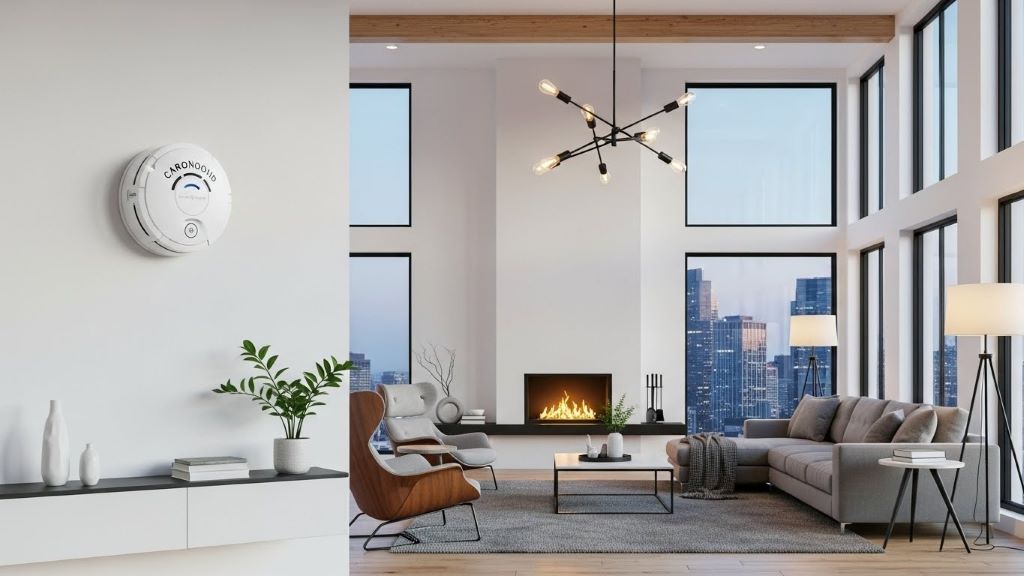
Open-concept living spaces have become incredibly popular in modern homes. These flowing layouts create a sense of spaciousness and bring families together. However, they also present unique challenges when it comes to home safety. Carbon monoxide (CO) is an invisible, odorless gas that can be deadly. Therefore, knowing where to install your detectors is crucial. The experts at Sherwood Blog have gathered essential information to help you protect your family in these modern floor plans.
Open-concept designs blur the lines between kitchen, living room, and dining areas. This layout affects how air circulates throughout your home. Additionally, it changes how you should approach safety measures. Unlike traditional homes with separate rooms, open spaces require strategic detector placement to ensure complete coverage.
Understanding the best places to put a carbon monoxide detector becomes especially important in these flowing layouts. The right positioning can mean the difference between early detection and a dangerous situation. Furthermore, proper placement ensures that your entire living space stays protected around the clock.
Why Open-Concept Homes Need Special Consideration
Open floor plans change how air moves through your home. Without walls to contain air flow, gases can spread more quickly across large areas. This means carbon monoxide from one source can affect multiple zones simultaneously. Consequently, you need to think differently about detector placement.
Traditional placement rules often assume separate rooms with closed doors. However, open-concept spaces operate more like one giant room. The lack of barriers means you cannot rely on one detector near a single bedroom. Instead, you must consider the entire flowing space as one unified area that needs comprehensive coverage.
Moreover, open layouts often feature high or vaulted ceilings. These architectural elements look beautiful but create additional challenges. Carbon monoxide is slightly lighter than air when warm, so it can rise and spread across ceiling spaces. Therefore, ceiling height matters when deciding where to mount your detectors.
Essential Placement Zones for Maximum Protection
Every open-concept home has several critical zones that need carbon monoxide monitoring. First, identify all potential CO sources in your space. These typically include gas furnaces, water heaters, fireplaces, and attached garages. Each source requires nearby detection to catch leaks early.
The sleeping area represents your most important protection zone. Even in open-concept designs, bedrooms typically branch off from the main living space. Place detectors in hallways leading to bedrooms at minimum. This positioning ensures that alarms wake sleeping family members before dangerous levels accumulate. Additionally, consider placing detectors inside bedrooms for extra safety.
Your main living area needs coverage too. In large open spaces, position at least one detector centrally. This placement catches CO that enters from multiple sources. Furthermore, it provides warning when you are actively using the space during daytime hours.
Kitchen areas deserve special attention, especially if you have gas appliances. However, avoid placing detectors too close to cooking surfaces. Steam and cooking fumes can trigger false alarms. Instead, position them about fifteen feet away from stoves while still maintaining coverage of the general kitchen zone.
Height Matters: Where to Mount Your Detectors
The mounting height of your carbon monoxide detector significantly impacts its effectiveness. Many people debate whether detectors belong on ceilings or walls. According to the U.S. Consumer Product Safety Commission, either location works effectively because CO mixes well with air.
However, follow your specific detector’s manufacturer instructions first. Some units perform better at certain heights. Wall-mounted detectors typically should sit about five feet from the floor, roughly at breathing height. This positioning works well in open-concept homes because it places the detector in the main air circulation zone.
Ceiling-mounted detectors should go at least twelve inches away from walls. This distance ensures better air circulation around the sensor. Furthermore, avoid corners where air tends to stagnate. In rooms with sloped or vaulted ceilings, mount detectors on the highest wall or ceiling section.
Never place detectors in dead air spaces. These include corners, behind furniture, or in areas with poor ventilation. Additionally, keep them away from windows, doors, and air vents. These locations can affect readings due to drafts or outdoor air interference.
Navigating Challenges with High Ceilings and Lofts
Vaulted ceilings and loft areas create unique placement dilemmas. These architectural features often accompany open-concept designs. The increased volume of air means gases can dilute more before reaching dangerous concentrations. Consequently, you may need more detectors than a standard home requires.
For spaces with ceilings higher than ten feet, consider multiple detector levels. Place one at standard height and another higher up. This dual-level approach ensures detection regardless of how the gas disperses. Moreover, it accounts for temperature differences that can affect CO behavior.
Loft areas overlooking main living spaces need dedicated protection. These elevated sleeping or working areas might seem covered by detectors below. However, they create separate air pockets that deserve individual monitoring. Therefore, always install detectors in loft spaces, even if they seem open to the area below.
Distance from Fuel-Burning Appliances
Proper spacing from fuel-burning appliances prevents false alarms while ensuring safety. Gas furnaces, fireplaces, and water heaters all produce small amounts of CO during normal operation. Detectors placed too close might sound unnecessary alarms. Conversely, detectors too far away might miss dangerous leaks.
Most experts recommend maintaining fifteen to twenty feet from fuel-burning appliances when possible. This distance allows for detection without over-sensitivity. However, in compact open-concept designs, this spacing may not always be feasible. In such cases, choose detectors specifically designed to resist false alarms from normal appliance operation.
Pay special attention to garage doors leading into your living space. Attached garages represent significant CO sources because of vehicle exhaust. Place a detector in the garage itself and another just inside your living space. This double layer of protection catches exhaust before it spreads throughout your home.
How Many Detectors Do You Really Need?
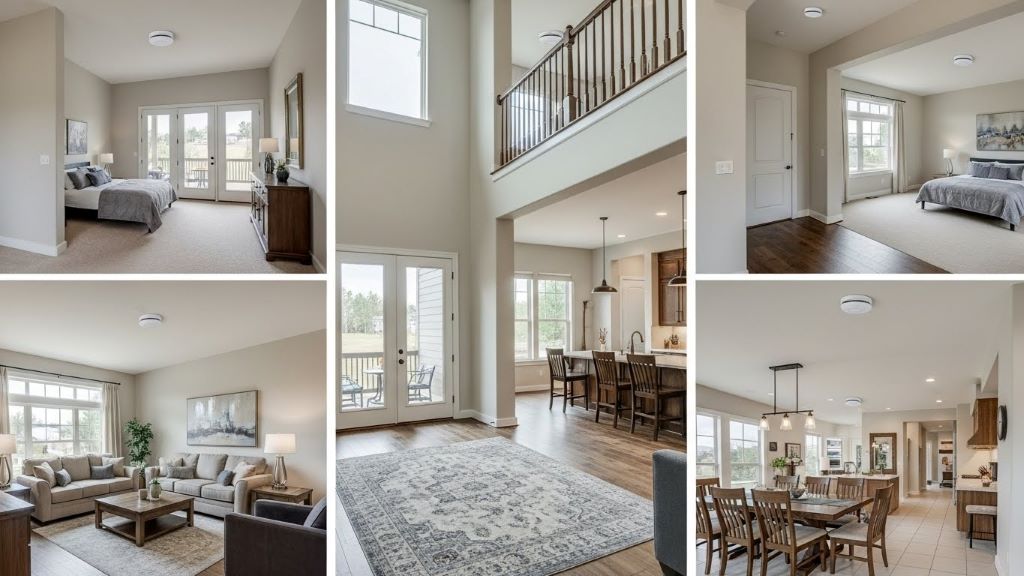
The number of detectors your home requires depends on several factors. Square footage plays a role, as does the number of levels and sleeping areas. Most safety experts recommend at least one detector per floor of your home. However, open-concept layouts may require more than this minimum.
A good rule of thumb suggests one detector for every 1,000 square feet of open space. Additionally, place one within ten feet of each bedroom door. This approach ensures that sleeping family members receive adequate warning. Furthermore, it provides coverage throughout active living areas.
Do not forget about basement areas or finished attics. These spaces often connect to main living areas in modern homes. Each level needs independent protection regardless of how open your floor plan feels. Moreover, having multiple detectors creates redundancy that can save lives if one unit fails.
Interconnected Systems Offer Extra Security
Modern technology allows detectors to communicate with each other. Interconnected systems ensure that when one detector sounds, all units alarm simultaneously. This feature proves especially valuable in large open-concept homes. It guarantees that everyone hears warnings regardless of where they are in the house.
Wireless interconnected detectors make installation simple without running wires. These systems use radio frequencies to link units together. Additionally, many modern versions connect to smartphone apps. This connectivity lets you monitor your home remotely and receive alerts anywhere.
Consider systems that integrate with your home’s smart technology. These advanced setups can trigger ventilation systems or alert emergency services automatically. Furthermore, they provide detailed information about CO levels and detector status. While more expensive initially, integrated systems offer peace of mind and convenience.
Maintenance Tips for Optimal Performance
Installing detectors correctly is only the first step toward safety. Regular maintenance ensures they function properly when needed. Test your detectors monthly by pressing the test button. This simple action confirms the alarm and battery work correctly. Additionally, it familiarizes family members with the alarm sound.
Replace batteries at least annually, even if they seem fine. Many people change batteries when adjusting clocks for daylight saving time. This routine helps prevent forgetting this crucial task. Moreover, some newer detectors feature sealed ten-year batteries that never need replacement.
Dust and debris can interfere with sensor accuracy. Vacuum detector vents gently every six months using a soft brush attachment. This cleaning prevents false alarms and ensures proper operation. Furthermore, it extends the life of your detectors by preventing buildup.
Carbon monoxide detectors have limited lifespans. Most units need replacement every five to seven years. Check your detector’s manufacturing date and replacement schedule. Older units may fail to detect CO properly, putting your family at risk. Therefore, mark replacement dates on your calendar to stay current.
Common Mistakes to Avoid
Even well-intentioned homeowners make detector placement errors. One common mistake involves installing too few units. The openness of your floor plan might suggest one detector suffices. However, coverage gaps can occur in corners or separated areas. Therefore, err on the side of more detectors rather than fewer.
Another frequent error places detectors too close to potential interference sources. Bathrooms, kitchens, and garages can trigger false alarms if detectors sit too nearby. However, completely avoiding these areas leaves dangerous gaps in coverage. Find the balance by maintaining recommended distances while ensuring adequate protection.
Some people install detectors but forget about them completely. Without regular testing and maintenance, detectors may fail when needed most. Additionally, ignoring expiration dates means keeping non-functional units. These mistakes can have deadly consequences, so stay vigilant about detector upkeep.
Never paint over detectors or block them with furniture or decorations. These actions interfere with sensor operation and can prevent proper detection. Furthermore, they may void your warranty. Keep areas around detectors clear and accessible for testing and maintenance.
Special Considerations for Specific Open-Concept Layouts
Different open-concept designs require tailored approaches. Studio apartments, for example, function as single large rooms. These spaces need at least one detector, positioned centrally and away from cooking areas. Additionally, place another near sleeping areas if space allows clear separation.
Great room designs with multiple seating areas benefit from strategic detector positioning. Place units to cover each distinct zone while avoiding redundancy. Furthermore, consider traffic patterns and where family members spend most time. These high-use areas deserve priority protection.
Split-level homes with open sight lines between floors present interesting challenges. Each level needs dedicated detection despite visual openness. Air circulation between levels does not guarantee gas mixing. Therefore, treat each floor as requiring independent coverage.
Understanding Carbon Monoxide Behavior
Knowing how carbon monoxide behaves helps you make smarter placement decisions. This gas results from incomplete combustion of fuels like gas, oil, wood, and coal. Initially, CO emerges at temperatures higher than surrounding air. This warmth causes it to rise slightly.
However, CO quickly reaches room temperature and mixes thoroughly with air. It does not naturally settle at floor level or rise to ceilings exclusively. Instead, it distributes relatively evenly throughout spaces. This behavior means detectors work effectively at various heights when properly positioned.
Temperature differences and air currents significantly affect CO distribution. Open-concept homes often have complex air flow patterns due to HVAC systems and natural convection. These currents can carry CO throughout your space rapidly. Therefore, multiple detectors help ensure comprehensive coverage regardless of air movement patterns.
Conclusion
Protecting your family from carbon monoxide poisoning requires thoughtful detector placement. Open-concept floor plans present unique challenges due to their flowing layouts and lack of barriers. However, understanding proper positioning strategies ensures comprehensive coverage throughout your home.
Remember to install detectors on every level, near all sleeping areas, and throughout large open spaces. Maintain appropriate distances from fuel-burning appliances while ensuring adequate coverage. Regular testing and maintenance keep your detectors functioning properly when you need them most.
The investment in properly placed carbon monoxide detectors provides priceless peace of mind. These devices stand guard silently, ready to alert your family to invisible danger. By following these placement tips, you create multiple layers of protection for everyone in your open-concept home.
Frequently Asked Questions
How many carbon monoxide detectors do I need in my open-concept home?
Install at least one detector per floor, one near each sleeping area, and one for every 1,000 square feet of open living space. Open-concept layouts typically require more detectors than traditional homes with separate rooms.
Can I place a carbon monoxide detector near my kitchen?
Yes, but maintain at least fifteen feet of distance from cooking appliances to prevent false alarms from steam and cooking fumes. This spacing ensures coverage while minimizing nuisance alerts.
Do carbon monoxide detectors work on walls or ceilings?
Both locations work effectively because CO mixes well with air. Follow your specific detector’s manufacturer instructions, as some models perform better at certain heights. Wall mounting at five feet high or ceiling mounting both provide adequate protection.
How often should I replace my carbon monoxide detectors?
Replace detectors every five to seven years, regardless of whether they appear to function properly. Sensors degrade over time and may fail to detect CO accurately. Check the manufacturing date on your unit to determine its replacement schedule.
Will one carbon monoxide detector protect my entire open-concept living area?
Probably not. Large open spaces need multiple detectors to ensure complete coverage. Air flow patterns, furniture placement, and ceiling height all affect how CO disperses. Multiple detectors create overlapping protection zones for maximum safety.
Related Topics: