

Imagine coming home tired from work and craving a warm bowl of rice without hassle. You live alone, so cooking big batches feels wasteful. That’s where rice cookers for one-person meals shine. These compact devices make perfect portions every time. In fact, according to the U.S. Census Bureau, nearly 29 percent of American households consisted of just one person in 2023. Moreover, projections from the Harvard Joint Center for Housing Studies indicate that single-person households will drive 44 percent of all household growth starting in 2025. This trend boosts demand for tools that simplify cooking for one. If you’re seeking a reliable choice, explore this single-serve rice cooker. Now, let’s dive into the best options available today.
Understanding the Rise of Cooking for One
More people choose to live solo these days. This shift changes how we approach meals. In the past, families cooked large pots of food. However, single dwellers need smaller servings to avoid leftovers. Statistics show this clearly. For instance, the number of one-person households reached 38.1 million in 2023, per Statista data.
Consequently, kitchen gadgets evolve to fit this lifestyle. Rice cookers lead the way for easy, nutritious eats. They handle rice flawlessly while allowing other dishes. As a result, solo cooks save time and energy. Furthermore, this setup reduces food waste significantly. People appreciate that benefit in busy lives.
Additionally, health experts note the value here. Cooking for one encourages balanced portions. It promotes mindful eating habits too. Therefore, investing in the right tool matters a lot.
Benefits of Using a Rice Cooker for Solo Meals
Rice cookers offer convenience beyond basic cooking. They free up your hands for other tasks. While the machine works, you can chop veggies or relax. This multitasking appeals to busy individuals.
Moreover, these devices ensure consistent results. No more undercooked or burnt rice. Advanced models adjust settings automatically. So, you get fluffy grains every session.
Another perk involves versatility. Many units steam veggies or cook oats. This expands your meal options greatly. For example, prepare a quick stir-fry base in minutes.
Furthermore, energy efficiency stands out. Small cookers use less power than stoves. They also keep food warm without extra effort. Thus, you enjoy hot meals on your schedule.
In addition, cleanup becomes simple. Most have nonstick pots that wash easily. This saves precious time after eating.
Key Features to Consider When Buying a Single-Serve Rice Cooker
Size plays a crucial role first. Look for capacities between one and three cups uncooked. This matches one-person needs perfectly. Larger ones might tempt overcooking.
Next, examine cooking functions. Basic models just cook rice. However, multifunction ones add steaming or slow cooking. These extras boost value for varied diets.
Controls matter too. Digital interfaces provide precision. Yet, simple switches suit beginners well. Choose based on your comfort level.
Additionally, check the inner pot material. Nonstick coatings prevent sticking. Ceramic options offer durability and health benefits.
Safety features enhance peace of mind. Automatic shut-off prevents accidents. Cool-touch handles protect against burns.
Finally, portability counts for small spaces. Compact designs fit counters easily. Some even travel well for office lunches.
Our Top Picks for the Best Rice Cookers for One-Person Meals
We reviewed numerous models based on performance and user feedback. Our selections focus on reliability and ease. Each one excels in cooking for one. Let’s explore them in detail.
Dash Mini Rice Cooker
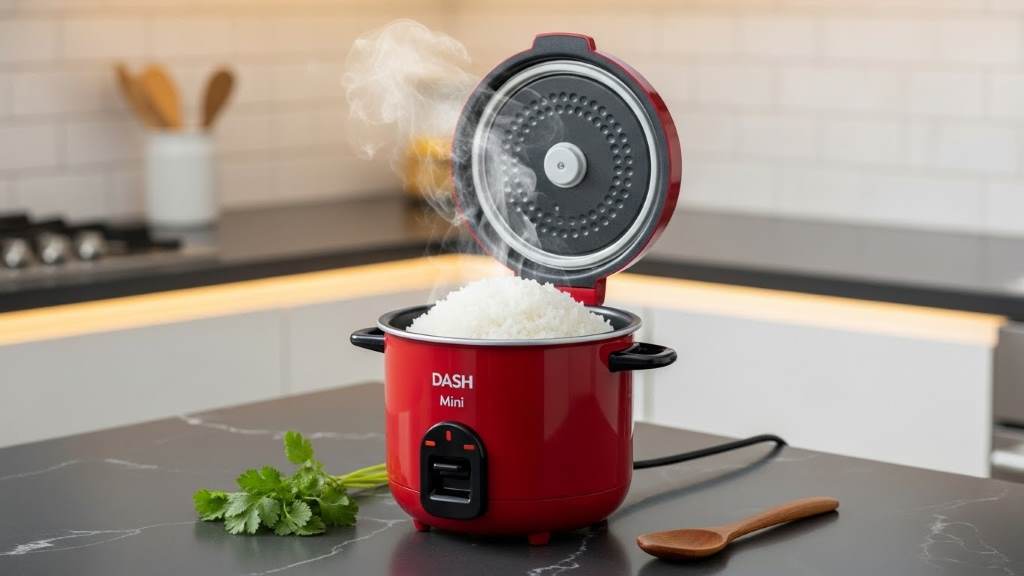
The Dash Mini stands out for its vibrant colors and small footprint. It cooks up to two cups of rice quickly. Users love its steamer basket for veggies.
Performance wise, it delivers fluffy results consistently. The one-touch operation simplifies use. Just add rice and water, then press start.
Pros include its lightweight build. You can store it anywhere. Cons? Limited to basic functions mostly.
Overall, this cooker suits dorm rooms or tiny kitchens. Many reviewers praise its speed for quick meals.
Zojirushi Micom 3-Cup Rice Cooker
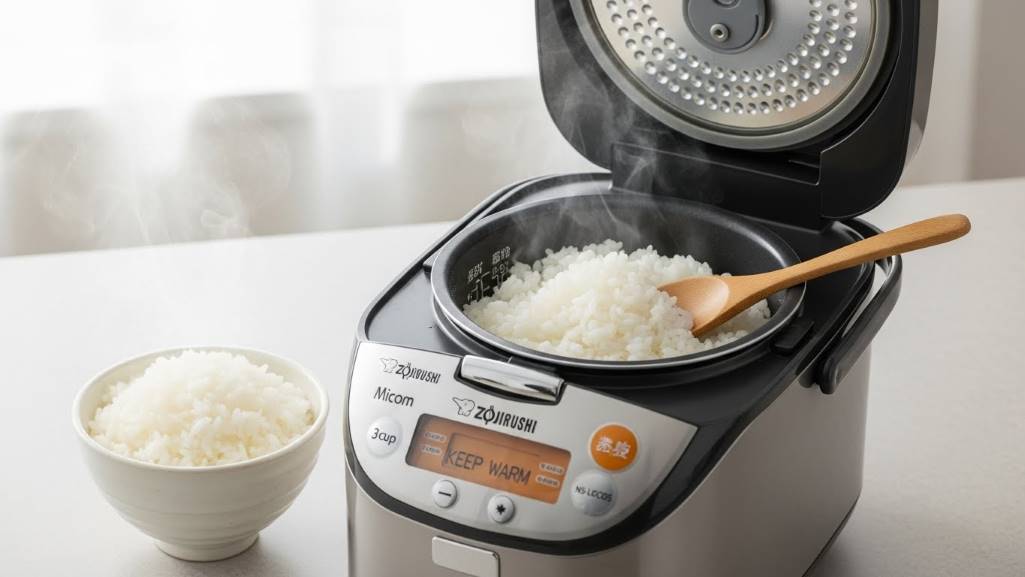
Zojirushi brings Japanese precision to your counter. This model handles three cups uncooked rice. It uses fuzzy logic to adjust cooking times.
Consequently, it perfects various rice types like brown or sushi. The menu settings make selection easy.
One highlight is the delay timer. Set it for fresh rice upon waking. The keep-warm function lasts hours without drying food.
Drawbacks involve a learning curve for settings. Still, once mastered, it becomes indispensable.
Reviewers often mention its longevity. This cooker lasts years with proper care.
Aroma Housewares 3-Cup Rice Cooker
Aroma offers affordability with solid features. It cooks three cups and includes a steamer tray. Perfect for complete meals in one go.
Operation remains straightforward. Flip the switch and wait. The indicator lights guide you.
Strengths lie in its versatility. Steam fish or eggs alongside rice. This saves pots and time.
On the flip side, it lacks advanced timers. Basic users won’t mind though.
Many solo cooks appreciate its compact size. It fits small apartments seamlessly.
Hamilton Beach Mini Rice Cooker
Hamilton Beach delivers reliable performance in a mini package. It handles two cups and warms food automatically.
The removable pot cleans up fast. Nonstick surface helps a lot.
Key advantages include the measuring cup and spatula included. These tools aid precise portions.
Some users note even cooking across batches. No hot spots here.
Limitations? No fancy presets. Yet, it excels at core tasks.
This model appeals to beginners in cooking for one.
Black+Decker 3-Cup Rice Cooker
Black+Decker combines style with function. Its glass lid lets you peek inside. Cooks three cups efficiently.
The cool-touch handles add safety. Move it without worry.
Benefits encompass easy storage. The cord wraps neatly.
Performance shines with white rice. It fluffs up nicely.
A minor con is the basic controls. Advanced users might want more.
Overall, it earns high marks from reviewers for daily use.
Related:
Kitchen Sponge Alternative That Doesn’t Smell
KitchenAid Pasta Maker Attachment Review: A Must-Have Upgrade
Elite Gourmet Mini Rice Cooker
Elite Gourmet focuses on simplicity. This unit cooks one to two cups. Ideal for strict portion control.
It switches to warm mode automatically. Keeps rice ready.
Pros feature its budget-friendly design. Yet, quality doesn’t suffer.
Users report consistent outcomes. Easy to operate too.
Downsides include no steamer option. Stick to rice mainly.
Still, it serves solo diners well in tight spaces.
Proctor Silex 4-Cup Rice Cooker
Proctor Silex offers a bit more capacity at four cups. Great for occasional extras.
The nonstick pot releases food easily. Cleanup takes seconds.
Strengths involve reliable cooking. Handles rice varieties capably.
Some appreciate the included accessories. They enhance usability.
Limitations? Bulkier than minis. Check your counter space.
Reviewers highlight its durability for frequent meals.
How to Choose the Right Rice Cooker for Your Needs
Assess your cooking habits first. Do you eat rice daily? Frequent users benefit from advanced models.
Next, consider kitchen space. Measure your counter before buying. Compact ones save room.
Diet preferences guide choices too. Vegetarians might want steamers. Brown rice lovers need adjustable settings.
Additionally, think about tech comfort. Digital screens suit gadget fans. Analog works for simplicity seekers.
Read reviews from similar users. Solo cooks share valuable insights.
Finally, match features to lifestyle. Busy folks love timers.
Maintenance and Care Tips for Your Rice Cooker
Clean your cooker after each use. Wipe the lid and pot promptly. This prevents buildup.
Use soft sponges only. Harsh scrubbers damage coatings.
Store it dry always. Moisture breeds mold.
Moreover, descale regularly if needed. Vinegar solutions work wonders.
Check cords for wear. Replace if damaged.
Follow these steps, and your cooker lasts longer.
Delicious One-Person Recipes Using Your Rice Cooker
Rice cookers handle more than rice. Try these simple ideas.
First, make vegetable fried rice. Cook rice, then add eggs and veggies. Stir in soy sauce.
Alternatively, prepare quinoa salad. Rinse quinoa, cook it. Mix with fresh herbs and lemon.
For breakfast, cook oatmeal. Add milk, fruits, and nuts. Sweeten with honey.
Another option involves steaming fish. Place fillets on the tray. Season with herbs.
Experiment with soups too. Add broth, veggies, and protein. Let it simmer.
These recipes keep cooking for one exciting.
Common Mistakes to Avoid When Using a Rice Cooker
Don’t overfill the pot. Stick to marked levels. Overflow creates mess.
Measure water accurately. Too much makes mushy rice.
Rinse rice beforehand. This removes starch for better texture.
Avoid lifting the lid mid-cook. Steam escapes and affects results.
Unplug after use. Safety first.
By dodging these errors, you enjoy perfect meals.
Conclusion
We covered the best rice cookers for one-person meals thoroughly. From key features to top picks like the Dash and Zojirushi, options abound. Remember the benefits for solo living. Maintenance tips ensure longevity. Recipes add fun to your routine. Now, pick a model that fits your life. Start enjoying effortless cooking today.
FAQs
What makes a rice cooker ideal for one-person meals?
A good one-person rice cooker has small capacity. It cooks one to three cups. This prevents waste. Plus, quick operation suits busy schedules.
How do I clean my single-serve rice cooker?
Wipe the pot after cooling. Use mild soap. Rinse well. Dry completely before storing.
Can I cook other foods in a rice cooker?
Yes, many models steam veggies. Some handle oats or soups. Check your manual for ideas.
What rice types work best in these cookers?
White, brown, and jasmine rice perform well. Adjust water ratios accordingly. Experiment to find favorites.
Is a rice cooker better than stovetop for solo cooking?
Absolutely, it offers consistency. No monitoring needed. This frees time for other activities.
References