


Teachers carry more than just papers and pens. Every day brings laptops, books, student projects, snacks, personal items, and countless supplies needed for effective teaching. This constant load requires a bag that can withstand serious wear and tear without falling apart after a few months.
Choosing the right bag makes a significant difference in your daily routine. A quality bag protects your belongings, stays comfortable throughout long days, and lasts for years despite constant use. This guide will help you identify the features that matter most and make an informed decision that serves you well throughout your teaching career.
Understanding the Demands of Teaching Life
Before diving into specific features, it’s important to recognize what teachers actually put their bags through each day. Unlike office workers who might carry a bag from car to desk once daily, teachers are constantly on the move.
You’re carrying your bag across parking lots in all weather conditions. Rain, snow, and humidity expose your belongings to moisture that can damage electronics and paperwork. Additionally, you’re setting your bag down on floors, chairs, and outdoor surfaces that may be dirty or wet.
The weight alone creates stress on materials. A laptop, textbooks, binders, and supplies can easily total 15 to 20 pounds or more. This weight pulls on straps, stretches fabric, and tests every seam and zipper. Furthermore, you’re accessing your bag multiple times throughout the day, which means zippers and closures get heavy use.
Classroom environments present their own challenges. Chalk dust, markers, paint, and glue can all end up on your bag. Therefore, choosing materials that clean easily and resist staining becomes essential for maintaining a professional appearance.
Essential Materials for Long-Lasting Bags
The fabric and construction materials determine how well your bag withstands daily challenges. Different materials offer distinct advantages, and understanding these differences helps you make the right choice.
Canvas represents a traditional choice that many teachers prefer. This natural fiber is breathable, relatively lightweight, and develops character over time. However, untreated canvas absorbs water and stains easily. Look for waxed or treated canvas that repels moisture while maintaining the material’s durability.
Nylon offers excellent strength-to-weight ratio and naturally resists water better than canvas. High-denier nylon, typically 600D or higher, provides the durability teachers need. The higher the denier number, the thicker and more durable the material. Additionally, nylon dries quickly if it does get wet.
Polyester shares many benefits with nylon but typically costs less. Quality polyester bags can serve teachers well for years. Like nylon, polyester resists moisture and maintains its shape under heavy loads.
Leather provides unmatched durability and professional appearance. Full-grain leather actually improves with age, developing a rich patina. However, leather requires regular conditioning and weighs more than synthetic alternatives. It also costs significantly more upfront, though the investment often pays off through decades of use.
Many modern bags combine materials strategically. For example, leather bottom panels protect against floor wear while nylon sides reduce weight. This hybrid approach offers the benefits of multiple materials in one bag.
Critical Construction Features to Examine
Beyond materials, how a bag is assembled determines its longevity. Pay close attention to these construction details when evaluating options.
Reinforced stitching totes use double or triple stitching at stress points. Examine the areas where straps attach to the bag body, where zippers are installed, and along the bottom edges. These locations bear the most stress and should feature extra stitching for durability. Bar tacks, which are rectangular patterns of stitches, provide additional strength at critical points.
Seams should be straight, even, and free of loose threads. Quality manufacturers take pride in clean stitching that not only lasts longer but also looks professional. Run your fingers along seams to check for rough edges or gaps that might snag or tear.
The bottom of your bag takes constant abuse from setting it down repeatedly. Look for reinforced bottoms with extra layers of material or protective feet. Some bags include a plastic or cardboard insert that maintains shape and provides additional floor protection. These features extend your bag’s life considerably.
Hardware quality matters more than many people realize. Zippers should be sturdy metal, preferably from known brands like YKK. Test zippers before purchasing by opening and closing them several times. They should move smoothly without catching or requiring excessive force. Plastic zippers may save manufacturers money but typically fail much sooner than metal alternatives.
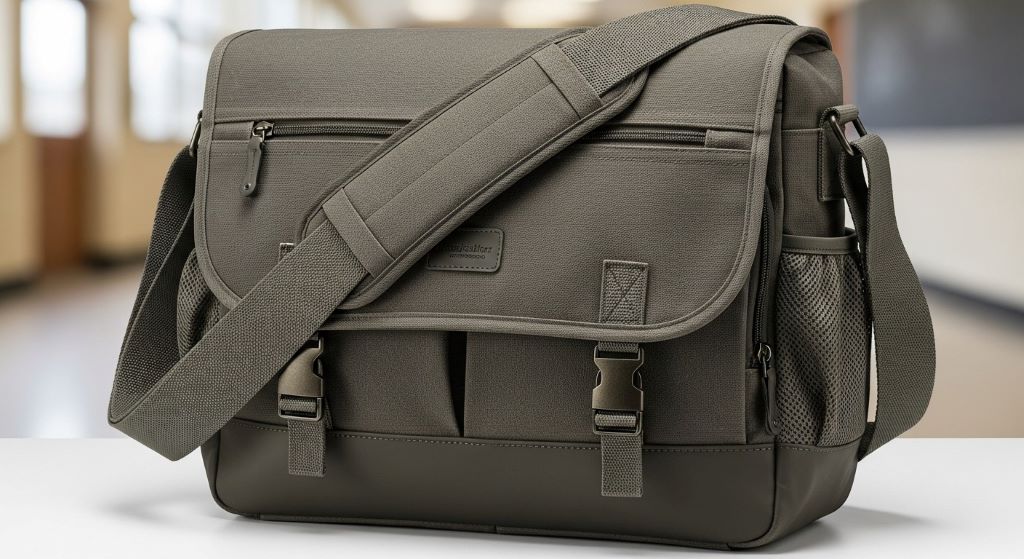
Buckles, clips, and D-rings should be metal rather than plastic when possible. These components secure important pockets and straps. Plastic versions can crack or break under stress, leaving you with a partially functional bag.
Selecting the Right Size and Organization
Capacity needs vary among teachers depending on grade level, subjects taught, and personal preferences. However, certain organizational features benefit almost everyone.
Consider your typical daily load carefully. Elementary teachers often need more space for manipulatives, supplies, and student materials. Secondary teachers might prioritize laptop protection and document organization. Specialist teachers who travel between classrooms need bags that can carry everything for multiple classes.
Multiple compartments help keep items organized and accessible. A dedicated padded laptop sleeve protects your technology without requiring a separate case. Look for sleeves that fit your device size with a little room for padding.
External pockets provide quick access to items you need frequently. A water bottle pocket keeps drinks secure and prevents spills inside the main compartment. Phone pockets let you grab your device without digging through everything else. Key clips ensure you never waste time searching for keys.
However, too many pockets can add unnecessary weight and complexity. Focus on compartments that serve specific purposes in your daily routine rather than choosing a bag simply because it has the most pockets.
The bag’s footprint matters when considering storage. Will it fit in your car trunk? Can you store it under your desk or in your classroom locker? Measure your available space before purchasing an oversized bag that becomes inconvenient to manage.
Comfort Features for All-Day Carry
Even the most durable bag becomes problematic if it’s uncomfortable to carry. Since you’ll use your bag daily, comfort features deserve serious consideration.
Padded shoulder straps distribute weight more evenly across your shoulders and neck. Wide straps work better than thin ones for heavy loads. The padding should be thick enough to cushion weight but not so bulky that it adds unnecessary bulk.
Adjustable straps allow you to customize the fit to your body and clothing. What works with a light jacket might need adjustment when wearing a heavy winter coat. Quick-adjust mechanisms make it easy to modify strap length throughout the day.
Some bags offer both shoulder straps and a crossbody strap option. Crossbody carrying distributes weight differently and can provide relief when shoulders feel strained. This versatility helps you adapt to different situations and comfort needs.
Top handles provide an alternative carrying method for short distances. Look for handles that are reinforced and positioned to maintain bag balance when lifted. Comfort grip material on handles prevents the cutting sensation that occurs with thin handles on heavy bags.
Back padding on messenger-style bags prevents the bag’s contents from poking into your side or back. This feature becomes especially important if you carry items with hard edges like laptops or books.
Weather Protection and Maintenance Considerations
Your bag faces weather conditions beyond your control. Choosing water-resistant teacher bags helps protect valuable contents from unexpected rain or spills.
Water-resistant materials repel light rain and splashes effectively. However, understand that water-resistant differs from waterproof. Waterproof bags can withstand heavy rain or even brief submersion, while water-resistant bags handle everyday moisture exposure.
For most teachers, water-resistant protection suffices. It keeps papers dry during a dash from car to building and protects electronics from coffee spills. If you teach in an extremely rainy climate or frequently work outdoors, consider bags with higher waterproof ratings.
Treated fabrics often require periodic reapplication of water-repellent coatings. Check manufacturer instructions about maintenance. Some bags come with spray bottles of treatment solution, while others recommend specific products.
Cleaning ease affects your bag’s appearance and longevity. Machine-washable bags offer convenience but may sacrifice some durability features. Most quality bags require spot cleaning with mild soap and water. Check care instructions before purchasing to ensure you’re comfortable with the maintenance required.
Stain-resistant treatments help maintain a professional appearance. Dark colors naturally hide dirt better than light ones. However, stain resistance allows you to choose colors you love without worrying excessively about keeping them pristine.
Special Features for Modern Teachers
Technology has changed teaching, and bags have evolved to accommodate these changes. Several modern features enhance functionality for today’s educators.
Padded laptop compartments typically accommodate 13 to 15-inch devices. Measure your laptop before purchasing and ensure the compartment fits with a little extra room. Sleeves that are too tight make insertion and removal difficult, while overly loose compartments allow movement that can damage your device.
Cable organization pockets keep chargers, earbuds, and adapters from becoming tangled messes. Small zippered pouches or elastic loops secure these items separately from other contents. This organization saves time and frustration when you need to grab a specific cable quickly.
Some bags include USB charging ports connected to internal battery pockets. You can charge your phone while carrying your bag without exposing your power bank. While not essential, this feature adds convenience for tech-heavy days.
Insulated pockets maintain food temperature and prevent leaks from affecting other bag contents. Teachers who pack lunches appreciate having a designated space that keeps food separate from educational materials.
Trolley sleeves slide over wheeled luggage handles, making these bags ideal for teachers who travel for conferences or professional development. This feature transforms your everyday bag into a travel companion.
Budget Considerations and Value Assessment
Teacher salaries make budget a real concern when investing in quality bags. However, choosing heavy-duty work bags often saves money over time compared to repeatedly replacing cheaper options.
Calculate cost per use rather than focusing solely on initial price. A 150-dollar bag that lasts five years costs 30 dollars annually. A 40-dollar bag that needs replacement every year costs more over that same period. Additionally, quality bags often include warranties that protect your investment.
Watch for sales during back-to-school season and end-of-year clearances. Many retailers offer significant discounts during these periods. Sign up for email lists from your favorite brands to receive notification of sales.
Consider multi-use potential. A bag that works for teaching and also serves for weekend trips or gym use provides additional value. Versatile designs maximize your investment.
Some features justify higher costs more than others. Prioritize durability elements like quality materials and reinforced construction over purely aesthetic details. A bag that looks amazing but falls apart quickly provides poor value regardless of price.
Testing Before You Buy
Whenever possible, examine bags in person before purchasing. Online shopping offers convenience and selection, but physical inspection reveals quality issues that photos cannot show.
Load the bag with weight similar to your typical daily carry. Many stores don’t mind if you put items from the shelf inside to test capacity and comfort. Pay attention to how the bag feels with realistic weight rather than when empty.
Try all zippers, buckles, and closures. They should operate smoothly without sticking or requiring excessive force. Difficult closures become frustrating quickly and often indicate quality issues.
Inspect stitching closely under good lighting. Look for loose threads, uneven seams, or skipped stitches. These details indicate manufacturing quality that affects longevity.
Smell the bag if possible. Strong chemical odors suggest materials that might irritate sensitive individuals or indicate lower-quality manufacturing processes.
Check return policies carefully, especially for online purchases. Reputable sellers stand behind their products and allow reasonable return windows. This protection becomes important if a bag doesn’t meet expectations after a few days of use.
Professional Appearance Considerations
Your bag contributes to your professional image. While durability remains the priority, appearance matters in educational settings where you interact with students, parents, and administrators.
Classic colors like black, navy, and brown work in virtually any setting and hide wear better than lighter shades. However, don’t feel restricted to neutrals if brighter colors suit your personality and school culture. Many teachers find that a bag in their school colors shows spirit while remaining professional.
Structured bags maintain a polished appearance even when partially empty. Slouchy bags can look disorganized, though some teachers prefer their relaxed aesthetic. Consider which style aligns with your professional image and personal preferences.
Branding should be subtle if present at all. Large logos can appear less professional than understated designs. However, quality brands often include small discrete logos that indicate craftsmanship without being distracting.
The condition of your bag affects perceptions. Even the most durable bag eventually shows wear. Regular cleaning and proper storage extend the time your bag looks presentable. When a bag becomes truly worn, replacing it maintains your professional appearance.
Sustainable Choices and Ethical Considerations
Many teachers value sustainability and ethical manufacturing. These considerations can guide your bag selection without sacrificing durability.
Bags made from recycled materials reduce environmental impact. Modern recycled fabrics match or exceed the durability of virgin materials. Several companies specialize in creating quality bags from recycled plastic bottles and other reclaimed materials.
Domestic manufacturing often ensures better working conditions and quality control. While these bags typically cost more, you’re investing in fair labor practices. Additionally, reduced shipping distances lower environmental impact.
Warranty programs and repair services extend product life and reduce waste. Brands that repair or replace defective bags demonstrate commitment to sustainability and customer satisfaction. This support helps you get maximum use from your purchase.
Buy-it-for-life philosophy prioritizes initial quality over upfront cost. Choosing a bag built to last decades reduces long-term consumption and waste. While this approach requires larger initial investment, it aligns with sustainable values.
Conclusion
Selecting a durable teacher bag requires evaluating multiple factors beyond simple appearance or initial cost. The right choice combines quality materials, solid construction, appropriate size, and comfort features that support your daily routine.
Water-resistant teacher bags protect your valuable contents from moisture damage. Reinforced stitching totes provide the structural integrity needed for years of heavy use. Heavy-duty work bags with proper organization keep you efficient and professional throughout demanding school days.
Remember that the best bag meets your specific needs. A bag that works perfectly for one teacher might not suit another’s requirements. Consider your typical load, carrying preferences, and environment when making your selection. Additionally, inspect construction quality carefully and don’t hesitate to invest in features that enhance durability.
By following these guidelines and prioritizing quality over quick savings, you’ll find a bag that serves you faithfully throughout your teaching career. The right bag becomes a reliable partner that simplifies your workday and protects everything you need to be an effective educator.
Frequently Asked Questions
How much should I expect to spend on a quality teacher bag?
Quality teacher bags typically range from 80 to 200 dollars, depending on materials and features. While this seems expensive, durable bags last five years or more, making them more economical than replacing cheap bags annually. Look for sales during back-to-school season to find better prices on quality options. Additionally, consider this an investment in your daily comfort and professional appearance.
Can I machine wash my teacher bag?
Most quality teacher bags should not be machine washed as this can damage materials, stitching, and hardware. Instead, spot clean with mild soap and water using a soft cloth. For canvas bags, you might use a soft brush for stubborn stains. Always check manufacturer care instructions before attempting any cleaning. Proper spot cleaning maintains appearance without risking damage from machine washing.
What size bag do elementary teachers need compared to high school teachers?
Elementary teachers typically need larger bags since they carry more supplies, manipulatives, and student materials. A bag with 15 to 20 liters capacity often works well. High school teachers usually require less volume but need excellent organization for technology and papers. A 10 to 15 liter bag with multiple compartments typically suffices. However, individual needs vary based on teaching style and subject matter.
Are rolling teacher bags better than traditional carry bags?
Rolling bags reduce shoulder and back strain by eliminating carrying weight. However, they can be cumbersome on stairs, in crowded hallways, or on uneven surfaces. Many schools have multiple floors without elevators, making rolling bags impractical. Consider your specific environment before choosing a rolling option. If you have back problems and primarily work on one level, rolling bags offer significant relief.
How can I make my teacher bag last longer?
Empty your bag completely each week and shake out debris. Store it properly when not in use rather than leaving it on the floor. Avoid overfilling, which stresses seams and zippers. Clean spills immediately before they set into stains. Condition leather bags regularly with appropriate products. Finally, distribute weight evenly inside the bag rather than loading one side heavily, which prevents uneven wear on straps and structure.
Related Topics:
Trending Luxury Bags in Houston: What’s Hot in 2025