

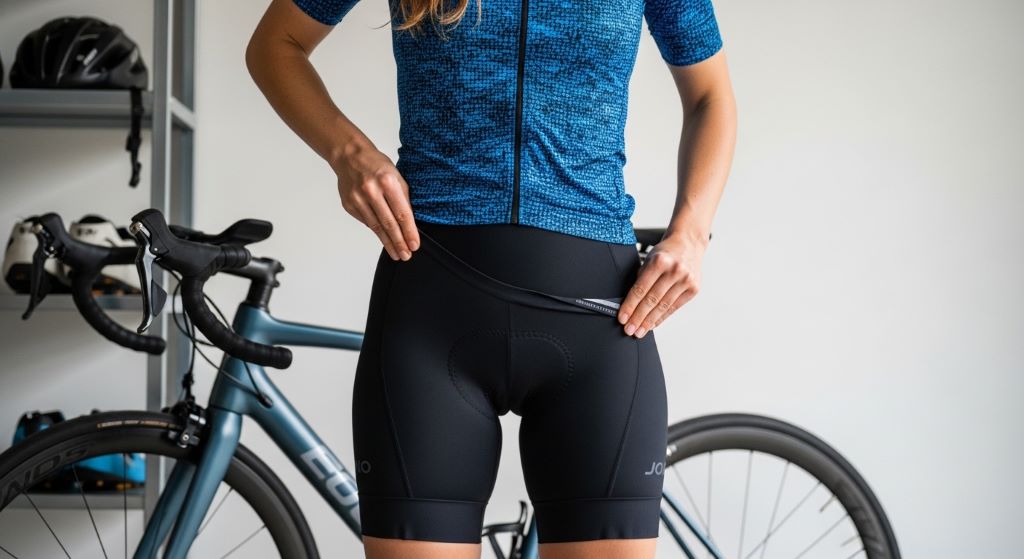
Every cyclist knows the feeling. You start a ride full of energy, but a few miles in, discomfort sets in. Chafing is one of the most common complaints among women who cycle. It can turn a joyful ride into a painful experience. The good news is that choosing the right cycling shorts can prevent this problem entirely.
However, not all cycling shorts are created equal. The market is full of options, and picking the wrong pair can make things worse. This guide will walk you through everything you need to know. From fabric and padding to fit and features, you will find clear advice to help you ride in comfort.
Why Chafing Happens During Cycling
Chafing occurs when skin rubs against fabric or other skin repeatedly. Cycling creates the perfect conditions for this. You are in constant motion, seated in one position for long periods. Moisture from sweat makes things worse. Over time, even small amounts of friction add up.
Inner thighs, the sit-bone area, and the groin are the most affected zones. Therefore, the shorts you choose must address friction in all these spots. The right pair acts as a barrier between your skin and the saddle. It reduces movement and keeps moisture away from your body.
Understanding Chamois Padding
The chamois, or pad, is the most important part of any cycling short. It sits between you and the saddle. A good chamois absorbs impact, reduces pressure, and limits friction. Without it, even short rides become uncomfortable.
Chamois pads come in different thicknesses and shapes. Thicker pads are not always better. In fact, for shorter or moderate rides, a medium-density pad often works best. It provides cushioning without adding bulk that could cause friction at the edges.
Additionally, look for a chamois specifically designed for women. Female anatomy is different from male anatomy. Women’s pads are shaped to support wider sit bones and reduce pressure in the perineal area. Using a unisex or men’s pad can create pressure points that lead to chafing and numbness.
Chamois Cream as Extra Protection
Even with the best shorts, some riders benefit from chamois cream. This is a lubricating cream applied to the pad or skin before riding. It adds a layer of slip between fabric and skin. Many long-distance cyclists swear by it. You apply it directly to the chamois or to your skin before putting on your shorts.
The Role of Fabric in Anti-Chafing Performance
Fabric choice makes a huge difference in how shorts feel during a ride. Stretchy, moisture-wicking materials are the gold standard. They move with your body and pull sweat away from your skin. This keeps the contact area dry, which reduces friction significantly.
Lycra and spandex blends are popular for good reason. They offer four-way stretch, which means the fabric moves in all directions as you pedal. This reduces the chance of bunching or dragging that can cause irritation.
Seamless bike shorts take fabric innovation one step further. Because they have few or no seams, there are fewer raised edges to rub against your skin. Traditional shorts often have seams running through high-friction zones. Seamless bike shorts eliminate these problem areas entirely, making them an excellent choice for long rides or riders with sensitive skin.
Getting the Right Fit
Fit is just as important as fabric and padding. Shorts that are too loose will shift during your ride. This creates friction as fabric moves against your skin. Shorts that are too tight can cut off circulation and create pressure points.
The ideal cycling short fits like a second skin. It should feel snug but not restrictive. You should be able to move freely on the bike. The leg grippers at the bottom should hold the shorts in place without digging into your thighs.
How to Measure for the Best Fit
To find the right size, measure your hips and waist. Compare these measurements to the brand’s size chart. Sizing varies between brands, so never assume your usual size will apply. Additionally, consider your inseam length. Longer shorts provide more coverage and protection for longer rides. Shorter versions work well for indoor cycling or short commutes.
Waistband Comfort and Design
The waistband is often overlooked, but it plays a big role in overall comfort. A wide, flat waistband distributes pressure evenly. It stays in place and does not roll down during activity. Narrow or elastic-only waistbands tend to dig in, especially if you lean forward on the bike.
High-waisted shorts have grown in popularity. They offer more coverage and support for the core. Many women find them more comfortable because they stay put without needing constant adjustment. However, the key is finding a waistband that feels secure without being tight.
Leg Grippers and Anti-Slip Technology
Leg grippers are the silicone or elastic bands at the hem of the shorts. Their job is to keep the shorts from riding up as you pedal. Without them, shorts shift upward and bunch in the inner thigh area. This bunching is a direct cause of chafing.
Therefore, always check the gripper quality before buying. A good gripper holds the short in place without leaving marks on your skin. Some riders prefer a wider, softer gripper for comfort. Others prefer a narrow, firm one for a secure hold. Try different styles to find what works for your body.
Flat Seam and Seamless Construction
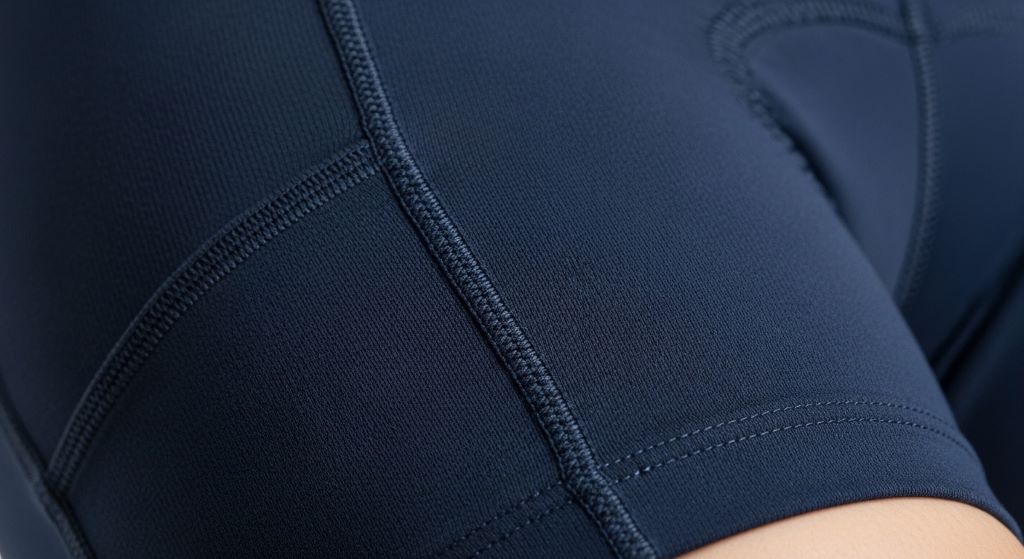
Traditional cycling shorts have raised inner seams that can rub against delicate skin. Flat seam construction solves this problem. Instead of raised ridges, flat seams lie flush against the fabric. They are much less likely to cause irritation, even on long rides.
Going one step further, friction-free cycling wear uses bonded or seamless construction. These shorts are engineered to remove all seam points from high-wear areas. The result is a surface that glides smoothly with every pedal stroke. This type of friction-free cycling wear is particularly helpful for riders who deal with chronic chafing issues or who ride for extended distances.
Bib Shorts vs. Traditional Waistband Shorts
Bib shorts use suspenders instead of a waistband to hold them up. Many serious cyclists prefer them because they eliminate waistband pressure entirely. They also stay in place better during rides. However, they can be less convenient for bathroom breaks on long rides.
Traditional waistband shorts are easier to put on and take off. They are a great starting point for newer cyclists. Both styles can be anti-chafing as long as the other features, such as the chamois, fabric, and seam construction, are well designed.
Key Features to Look for When Shopping
When you are ready to shop, keep this checklist in mind:
- A women-specific chamois pad with a medium to high density
- Moisture-wicking fabric with four-way stretch
- Flat seam or seamless construction, particularly in the inner thigh and seat area
- Wide, flat waistband that sits comfortably without rolling
- Secure but gentle leg grippers at the hem
- UPF protection if you ride outdoors frequently
- A fit that is snug without being tight
Additionally, read reviews from other women cyclists. Real-world feedback often reveals fit issues or durability problems that product descriptions do not mention. Pay attention to comments about sizing and chamois comfort specifically.
Caring for Your Cycling Shorts
Even the best shorts will not last if you do not care for them properly. Wash them after every ride. Sweat and bacteria can break down the chamois material over time. Use a gentle, sports-specific detergent. Avoid fabric softener, as it reduces moisture-wicking ability.
Air dry your shorts instead of using a dryer. High heat can damage the elastic and chamois. Hang them inside out to preserve the fabric’s color and stretch. With proper care, a good pair of cycling shorts can last for two to three seasons of regular riding.
Budget vs. Investment Shorts
Cycling shorts range widely in price. Budget options can cost as little as twenty dollars, while premium pairs can exceed one hundred and fifty. However, with cycling shorts, you tend to get what you pay for.
A cheap chamois can harden and crack quickly. Low-quality fabric loses its stretch after a few washes. Therefore, if you ride more than once or twice a week, consider investing in a mid-range or premium pair. The comfort improvement is usually noticeable from the very first ride.
You do not have to buy the most expensive option available. However, spending slightly more on a pair with a quality chamois and thoughtful construction is almost always worth it. Your body will thank you on every ride.
Conclusion
Choosing the right anti-chafing cycling shorts is one of the best things you can do for your comfort on the bike. The right pair combines a women-specific chamois, moisture-wicking fabric, flat or seamless construction, and a secure fit. Each of these elements works together to reduce friction and keep you riding longer.
Seamless bike shorts and friction-free cycling wear represent the top tier of anti-chafing technology. They are especially worth considering if you ride regularly or have struggled with chafing in the past. However, even a well-fitted mid-range pair with a quality chamois can make a dramatic difference.
Take time to find the right fit, invest in quality, and care for your shorts properly. With the right gear, every ride can be smooth, comfortable, and enjoyable from start to finish.
Frequently Asked Questions
1. Do I need to wear underwear under cycling shorts?
No, you should not wear underwear under cycling shorts. The chamois pad is designed to sit directly against your skin. Wearing underwear creates extra seams and fabric layers that increase friction and reduce the chamois effectiveness. Riding without underwear is the standard practice among cyclists at all levels.
2. How often should I replace my cycling shorts?
Most cycling shorts last between one and three years, depending on use and care. Signs that it is time to replace them include a hardened or flattened chamois, loss of fabric stretch, or recurring chafing that was not present before. If the chamois no longer cushions properly, it is time for a new pair.
3. Can I use cycling shorts for activities other than cycling?
You can, but the chamois pad may feel bulky or awkward during other activities such as running or yoga. Cycling shorts are designed specifically for the seated cycling position. Some women wear them for general fitness, but they perform best when used for riding.
4. What is the difference between road cycling and mountain biking shorts?
Road cycling shorts are typically form-fitting with a built-in chamois and no outer layer. Mountain biking shorts usually have a looser outer shell worn over a separate liner short with a chamois. Road shorts offer a more aerodynamic fit, while mountain biking shorts provide more durability and a relaxed look for trail rides.
5. How do I know if my cycling shorts fit correctly?
Your cycling shorts should feel snug and secure without pinching or cutting into your skin. The chamois should align with your sit bones and the center seam should not press uncomfortably. The leg grippers should hold the shorts in place without leaving red marks. When you pedal, the shorts should move with you, not against you.
Related Topics:
BOSONER Kids Protective Gear Set Review: Best Safety Pads for Active Kids
Why Does My Bike Creak When I Pedal Hard