


Tire maintenance is essential for vehicle safety and performance. However, traditional methods of inflating tires can be time-consuming and inconvenient. Modern technology has introduced compact devices that make this task significantly faster and easier. Understanding how to use these tools effectively can save you valuable time and frustration.
Proper tire pressure affects fuel efficiency, handling, and overall safety. Unfortunately, many drivers neglect this crucial aspect of vehicle maintenance. The process often seems tedious, especially when using gas station air pumps or manual options. Fortunately, innovative solutions have transformed this necessary chore into a quick and simple task.
Understanding Modern Tire Inflation Technology
The evolution of tire inflation equipment has been remarkable over recent years. Early portable devices were slow and unreliable. Additionally, they often lacked the power needed for larger vehicle tires. Today’s advanced models combine powerful motors with efficient compression systems.
Modern inflators use sophisticated engineering to maximize airflow. They compress air rapidly and deliver it through optimized nozzles. Furthermore, digital pressure gauges ensure accuracy during the inflation process. This technology eliminates guesswork and prevents over-inflation or under-inflation.
Battery technology has also improved dramatically. Lithium-ion batteries now power these devices with impressive capacity. Consequently, you can inflate multiple tires on a single charge. Some models even include rechargeable batteries that last for years with proper care.
Portability has become a defining feature of contemporary inflators. Compact designs fit easily in trunks or storage compartments. Moreover, lightweight construction makes them easy to handle and transport. This convenience means you always have inflation capability wherever you go.
Benefits of Using Advanced Inflation Equipment
Investing in quality inflation equipment offers numerous advantages for vehicle owners. First, it provides independence from gas stations and service centers. You no longer need to search for working air pumps or wait in line. Instead, you control when and where you inflate your tires.
Second, these devices save significant time during the inflation process. Traditional methods might take ten to fifteen minutes per tire. However, modern equipment can accomplish the same task in two to three minutes. This efficiency becomes especially valuable during emergencies or time-sensitive situations.
Third, portable inflators enhance safety during roadside emergencies. Flat tires and pressure loss can happen anywhere at any time. Having immediate access to inflation equipment prevents dangerous situations. Therefore, you avoid being stranded in unsafe locations or adverse weather conditions.
Fourth, regular pressure maintenance becomes more convenient with portable equipment. When checking pressure takes minimal effort, you do it more frequently. This habit improves fuel economy and extends tire life significantly. Additionally, it enhances vehicle handling and reduces wear on suspension components.
Fifth, these tools offer versatility beyond automobile tires. Many models include attachments for bicycles, motorcycles, and sports equipment. Furthermore, they can inflate air mattresses, pool toys, and other recreational items. This multi-purpose functionality provides excellent value for your investment.
Selecting the Right Inflator for Your Needs
Choosing appropriate equipment requires understanding your specific requirements. Different vehicles and usage patterns demand different features. Consider these important factors when making your selection.
Power source options include AC, DC, and battery-operated models. AC-powered units plug into standard wall outlets and provide consistent performance. DC models connect to vehicle cigarette lighters and work anywhere your car goes. Battery-operated versions offer maximum portability without cord restrictions. Each type has distinct advantages depending on your typical usage scenarios.
Maximum pressure capability determines which vehicles the inflator can service. Car tires typically require 30 to 35 PSI for proper inflation. Truck and SUV tires often need 40 to 50 PSI or higher. Ensure your chosen model exceeds your vehicle’s requirements by at least 10 PSI. This margin ensures efficient operation and accommodates future vehicle changes.
Airflow rate directly impacts inflation speed and efficiency. Measured in liters per minute or CFM, higher rates mean faster inflation. Look for models delivering at least 30 liters per minute for standard vehicles. Larger vehicles benefit from rates of 50 liters per minute or more. However, balance speed with noise levels and power consumption.
Automatic shut-off features prevent over-inflation and save energy. Quality models allow you to preset desired pressure levels. The device then stops automatically when reaching the target pressure. This automation ensures accuracy and lets you attend to other tasks during inflation.
Gauge accuracy affects the reliability of your pressure readings. Digital gauges generally provide better precision than analog versions. Additionally, backlit displays improve visibility in low-light conditions. Some advanced models even include memory functions that store pressure settings for different tires.
Build quality determines longevity and reliability over time. Metal construction typically outlasts plastic in high-stress components. Moreover, quality seals prevent air leaks that reduce efficiency. Check customer reviews for real-world durability information before purchasing.
Preparing for Efficient Tire Inflation
Proper preparation ensures faster and more effective inflation sessions. Taking a few simple steps beforehand optimizes the entire process. Follow these guidelines to maximize efficiency and results.
Check current tire pressure before beginning inflation. Use the inflator’s built-in gauge or a separate pressure gauge for accuracy. Record the reading for each tire to determine how much air each needs. This information helps you plan your inflation sequence and estimate total time required.
Clean valve stems before attaching the inflator. Dirt and debris can interfere with proper seal formation. Additionally, contamination can damage valve cores and cause slow leaks. Use a clean cloth to wipe valve stems thoroughly before connecting equipment.
Position your vehicle appropriately for easy access to all tires. Park on level ground whenever possible for accurate pressure readings. Furthermore, ensure adequate lighting if working in dim conditions. Good visibility prevents errors and speeds up the process.
Organize all necessary equipment before starting work. Place the inflator within easy reach of all tires. Additionally, have any required adapters or extensions ready. This preparation eliminates interruptions and maintains steady workflow.
Review the manufacturer’s recommended tire pressure for your vehicle. This information appears on a sticker inside the driver’s door jamb. Moreover, it’s printed in your owner’s manual for reference. Using correct pressure specifications ensures optimal performance and safety.
Step-by-Step Inflation Process
Following a systematic approach produces the best results with minimal time investment. These detailed steps guide you through efficient tire inflation using modern equipment.
Start by powering on your inflator and allowing it to reach operating temperature. Some models require a brief warm-up period for optimal performance. Additionally, this ensures consistent pressure delivery throughout the inflation process.
Remove the valve cap from the first tire you plan to inflate. Store caps in a secure location where they won’t get lost. Many people use a cup holder or small container for this purpose. Keeping track of caps prevents frustration and wasted time searching later.
Attach the inflator nozzle firmly to the valve stem. Press down evenly to create a complete seal around the valve. Furthermore, secure any locking mechanism the nozzle might include. A proper connection prevents air leaks that slow inflation and waste energy.
Set your target pressure using the inflator’s controls. Most digital models allow precise pressure selection through buttons or touchscreens. Double-check that you’ve entered the correct pressure for that particular tire. Different axles sometimes require different pressures.
Begin inflation by activating the device according to manufacturer instructions. Monitor progress through the pressure display or gauge. Additionally, listen for unusual sounds that might indicate problems. The process should proceed smoothly with steady pressure increase.
Allow the automatic shut-off feature to stop inflation when reaching target pressure. If your model lacks this feature, watch the gauge carefully. Stop inflation slightly before reaching the target, as pressure often rises briefly after stopping. This technique prevents over-inflation and ensures accuracy.
Disconnect the nozzle quickly but carefully from the valve stem. Some air escape during disconnection is normal and expected. However, lingering too long causes unnecessary pressure loss. Practice smooth, confident movements for best results.
Replace the valve cap immediately after disconnection. Caps protect valve cores from dirt, moisture, and damage. Moreover, they provide a backup seal if the valve core develops problems. This simple step extends valve life significantly.
Move systematically to remaining tires using the same procedure. Working in a consistent pattern prevents accidentally missing a tire. Additionally, it helps you maintain focus and efficiency throughout the process.
Maximizing Speed and Efficiency
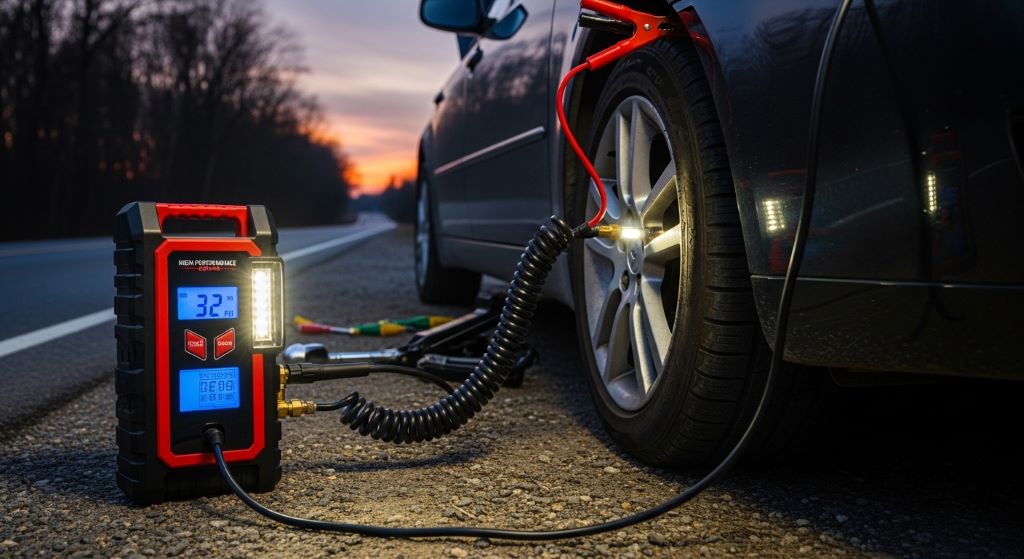
Several techniques can further reduce inflation time and improve overall effectiveness. Implementing these strategies optimizes your quick inflation pump performance beyond basic operation.
Temperature considerations affect inflation speed and accuracy. Cold air contracts while warm air expands according to basic physics. Therefore, check and inflate tires when they’re cool for most accurate readings. Early morning typically provides ideal conditions for this task.
Proper nozzle attachment technique prevents air loss and speeds inflation. Press firmly and hold steady during the entire inflation process. Additionally, avoid wiggling or moving the connection unnecessarily. Stable positioning maintains the seal and directs all compressed air into the tire.
Sequential inflation of all tires maintains equipment temperature within optimal ranges. Inflating one tire completely before moving to the next prevents overheating. Furthermore, it allows the motor brief rest periods between extended operations. This approach extends equipment life while maintaining performance.
Regular equipment maintenance ensures consistent operation and longevity. Clean air filters prevent dust from reducing motor efficiency. Additionally, check power connections periodically for corrosion or damage. Well-maintained equipment performs faster and more reliably over time.
Strategic placement of the inflator reduces hose strain and connection issues. Position the device on stable, level surfaces near the tire being inflated. Moreover, avoid stretching hoses to their maximum length unnecessarily. Shorter hose runs maintain better pressure and reduce wear.
Troubleshooting Common Issues
Understanding how to address problems quickly maintains efficiency and prevents frustration. These solutions cover the most frequent issues users encounter with portable inflators.
Slow inflation often results from inadequate power supply or low battery charge. Ensure power connections are secure and free from corrosion. Additionally, charge batteries fully before attempting to inflate multiple tires. Weak power sources cannot deliver sufficient compression for rapid inflation.
Inaccurate pressure readings might indicate gauge calibration problems. Compare your inflator’s reading with a separate, known-accurate gauge. If discrepancies exist, adjust your target pressure accordingly or service the device. Regular calibration checks maintain reliability over time.
Air leaks during inflation typically occur at connection points. Check that the nozzle seats properly against the valve stem. Furthermore, inspect O-rings and seals for wear or damage. Replacing worn components restores proper function and prevents air loss.
Overheating protection systems activate when motors run too long continuously. If your inflator shuts off unexpectedly, allow it to cool completely. Additionally, avoid exceeding recommended duty cycles specified by the manufacturer. Respecting these limits prevents damage and extends equipment life.
Unusual noises during operation might signal mechanical problems requiring attention. Stop using the device immediately if you hear grinding or squealing sounds. Moreover, have qualified technicians inspect the unit before resuming use. Early intervention prevents minor issues from becoming major repairs.
Safety Considerations During Inflation
Proper safety practices protect both you and your equipment during tire inflation. Following these guidelines minimizes risks and ensures successful outcomes every time.
Eye protection shields against debris and unexpected air releases. Small particles can become airborne during inflation operations. Additionally, sudden pressure releases might propel dirt toward your face. Inexpensive safety glasses provide adequate protection for this task.
Stable positioning prevents injuries from equipment movement or tire failures. Never stand directly in front of the tire during inflation. Instead, position yourself to the side where tire failures pose less danger. Furthermore, ensure the inflator sits securely and cannot tip over.
Pressure monitoring prevents dangerous over-inflation that could cause tire failure. Never exceed the maximum pressure rating shown on the tire sidewall. Additionally, stop inflation immediately if the tire appears misshapen or bulging. These signs indicate serious problems requiring professional attention.
Proper ventilation matters when inflating tires in enclosed spaces. Motors generate heat and some models produce exhaust gases. Therefore, work in well-ventilated areas whenever possible. This practice prevents heat buildup and ensures adequate fresh air circulation.
Children and pets should remain at safe distances during inflation operations. Moving parts and compressed air present potential hazards. Moreover, the noise might frighten animals or startle young children. Maintaining a clear work area reduces accident risks significantly.
Maintaining Your Inflation Equipment
Regular maintenance ensures your high-speed inflator performs reliably for years. These simple care practices protect your investment and maintain optimal performance levels.
Cleaning after each use prevents dirt accumulation that reduces efficiency. Wipe down exterior surfaces with a damp cloth to remove dust and grime. Additionally, clean air intake filters according to manufacturer recommendations. This simple maintenance maintains airflow and motor cooling.
Proper storage protects equipment from environmental damage and physical harm. Store inflators in dry locations away from extreme temperatures. Furthermore, avoid placing heavy objects on top of stored units. Protective cases or bags provide additional security during storage and transport.
Battery care significantly affects the lifespan of cordless models. Charge batteries fully before extended storage periods. Additionally, avoid completely draining batteries which shortens their useful life. Following manufacturer charging guidelines maximizes battery longevity and performance.
Periodic inspections identify developing problems before they cause failures. Check hoses for cracks, cuts, or signs of wear. Moreover, test all connections and fittings for tightness and proper function. Addressing minor issues promptly prevents more serious problems later.
Firmware updates improve performance on models with digital controls. Check manufacturer websites periodically for available updates. Additionally, register your product to receive notifications about improvements. Updated software often adds features and enhances reliability.
Environmental and Economic Benefits
Using portable inflation equipment offers advantages beyond personal convenience. These benefits extend to environmental protection and long-term cost savings.
Proper tire pressure significantly improves fuel efficiency in all vehicles. Under-inflated tires increase rolling resistance and fuel consumption. Therefore, maintaining correct pressure reduces carbon emissions and environmental impact. Regular inflation with portable equipment makes this maintenance more convenient and likely.
Extended tire life results from consistent pressure maintenance throughout their service period. Under-inflation causes uneven wear that shortens tire lifespan dramatically. However, properly inflated tires wear evenly and last significantly longer. This reduces waste and decreases the frequency of tire replacements.
Reduced dependence on service stations saves money over time. Paying for air at commercial locations adds up quickly. Additionally, dedicated trips to find working air pumps waste fuel and time. Owning personal equipment eliminates these recurring expenses entirely.
Preventive maintenance enabled by convenient inflation prevents costly repairs. Properly inflated tires protect suspension components and improve handling. Furthermore, they reduce stress on wheel bearings and alignment systems. These benefits minimize repair costs throughout vehicle ownership.
Energy efficiency of modern inflators minimizes environmental impact during operation. Advanced motors convert electricity to compressed air with minimal waste. Moreover, battery-powered models avoid the emissions associated with driving to service stations. These factors make portable inflation an environmentally responsible choice.
Conclusion
Modern tire inflation technology has revolutionized how vehicle owners maintain proper tire pressure. Portable inflators combine speed, convenience, and reliability in compact packages that fit anywhere. Understanding how to select, operate, and maintain these devices maximizes their benefits and ensures long-term satisfaction.
Efficient inflation requires proper preparation, systematic technique, and regular equipment maintenance. Following manufacturer guidelines and safety practices protects both you and your investment. Additionally, addressing common issues quickly prevents frustration and maintains optimal performance.
The advantages extend beyond personal convenience to include environmental and economic benefits. Improved fuel efficiency, extended tire life, and reduced maintenance costs justify the initial investment. Furthermore, the independence and security of having inflation capability always available provides peace of mind.
Whether you drive daily or occasionally, proper tire pressure remains essential for safety and performance. Investing in quality equipment and learning proper techniques transforms this necessary maintenance into a quick and simple task. Take control of your tire care today and experience the difference modern inflation technology provides.
Frequently Asked Questions
How long does it take to inflate a completely flat tire with a portable inflator?
Inflation time varies based on tire size and inflator power. For standard car tires, most quality portable inflators take between five and ten minutes to inflate from completely flat to proper pressure. Larger truck or SUV tires might require fifteen to twenty minutes. High-performance models with greater airflow capacity can accomplish the task in less time.
Can portable inflators handle truck and SUV tires effectively?
Yes, but you must select models with adequate pressure and airflow ratings. Truck tires often require 50 to 80 PSI, which exceeds some inflator capabilities. Check specifications carefully before purchasing to ensure the device handles your vehicle’s requirements. Heavy-duty models specifically designed for larger vehicles provide better performance and faster inflation times.
How often should I check and inflate my tires?
Check tire pressure at least once monthly and before long trips. Temperature changes affect pressure significantly, so seasonal checks are particularly important. Many experts recommend checking every two weeks if you drive frequently. With a portable inflator, this maintenance becomes convenient enough to perform more regularly without inconvenience.
Do I need to let tires cool before checking pressure?
Yes, checking pressure on cool tires provides the most accurate readings. Driving generates heat that temporarily increases pressure by several PSI. For best results, check pressure in the morning before driving or at least three hours after your last trip. This ensures measurements reflect actual cold inflation pressure recommended by manufacturers.
Will using a portable inflator drain my car battery?
DC-powered models do draw power from your vehicle battery, but the drain is minimal. Running the inflator for ten to fifteen minutes typically uses less energy than starting your engine once. However, avoid extended use with the engine off in vehicles with older or weak batteries. Battery-powered models eliminate this concern entirely.
Related Topics:
Philadelphia Auto Insurance Providers Compared 2025 Guide
How to Make Car Eco-Friendly: A Guide for the Everyday Driver