

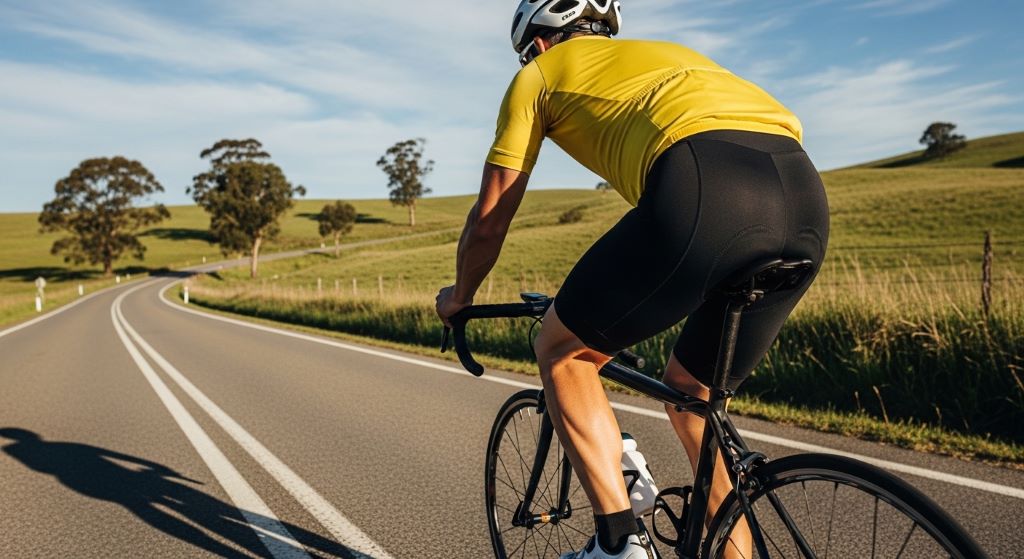
Cycling should feel smooth and enjoyable. However, discomfort from chafing can quickly ruin even the best ride. The right pair of cycling shorts can make a big difference. They protect your skin, reduce irritation, and help you ride longer without pain.
This guide will help you understand how to choose anti-chafing cycling shorts. You will learn what features matter most and how to find the perfect fit for your needs.
Why Anti-Chafing Cycling Shorts Matter
Chafing happens when skin rubs against fabric or other skin. This friction can cause redness, irritation, and even painful sores. For cyclists, this often occurs in the inner thighs and saddle area.
Anti-chafing cycling shorts are designed to reduce this friction. They use special fabrics, padding, and construction techniques to keep your ride comfortable.
Additionally, they improve performance. When you are not distracted by discomfort, you can focus better on your ride.
Understanding Fabric and Material
The fabric of cycling shorts plays a key role in preventing chafing. You should look for materials that are smooth, stretchy, and breathable.
Key Fabric Features to Look For
- Moisture-wicking fabric to keep sweat away
- Lightweight material for better airflow
- Stretchable fabric for a snug fit
- Soft texture to reduce irritation
Synthetic fabrics like polyester and nylon blends are popular choices. They dry quickly and maintain their shape over time.
However, avoid rough or thick materials. These can trap moisture and increase friction.
The Importance of Fit
Fit is one of the most important factors when choosing cycling shorts. Even the best materials will not help if the shorts do not fit properly.
How Proper Fit Prevents Chafing
A well-fitted pair of shorts stays in place. It does not bunch up or shift during movement. This reduces rubbing and irritation.
Tips for Finding the Right Fit
- Choose a snug fit, but not too tight
- Ensure the waistband stays secure
- Check that leg grippers do not dig into your skin
- Try different sizes if needed
Additionally, consider your body shape. Some brands offer different cuts for various body types.
Chamois Padding: What You Need to Know
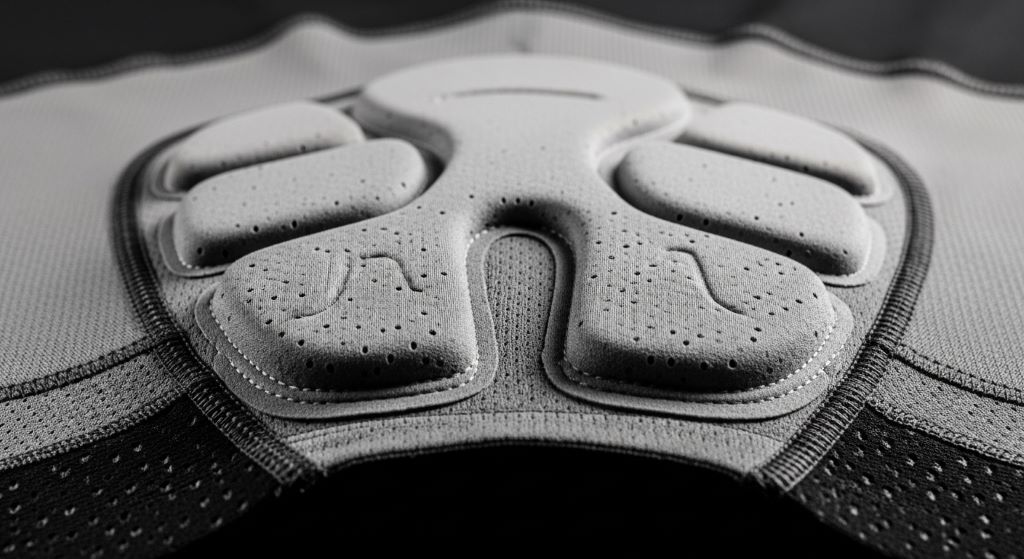
One of the most important features in cycling shorts is the padding. This is often called a chamois.
What Is Chamois Padding?
Chamois padding is a cushioned layer inside the shorts. It sits between your body and the saddle.
Why It Matters
The right padding reduces pressure and absorbs shock. It also helps prevent skin irritation during long rides.
The chamois padding benefits include improved comfort, better support, and reduced risk of saddle sores.
However, not all padding is the same. Some are thicker, while others are designed for breathability.
How to Choose the Right Padding
- For short rides, choose thinner padding
- For long rides, opt for thicker or multi-density padding
- Look for breathable designs to reduce sweat buildup
Additionally, seamless padding is a good option. It minimizes friction and improves overall comfort.
Seam Construction and Design
Seams can be a hidden cause of chafing. Poorly placed seams can rub against your skin and cause irritation.
What to Look For
- Flatlock seams that lie flat against the skin
- Minimal seam design
- Seam placement away from high-friction areas
Therefore, always check the inside of the shorts before buying. Smooth seams can make a big difference.
Waistbands and Leg Grippers
These parts of cycling shorts are often overlooked. However, they play an important role in comfort.
Waistband Features
A good waistband should stay in place without digging into your skin. It should also allow easy movement.
Leg Grippers
Leg grippers keep the shorts from riding up. Look for:
- Silicone grippers for better hold
- Soft edges to avoid irritation
Additionally, make sure they are not too tight. Tight grippers can restrict blood flow and cause discomfort.
Breathability and Ventilation
Cycling can make you sweat a lot. If your shorts do not allow airflow, moisture builds up. This increases the risk of chafing.
Features That Improve Ventilation
- Mesh panels
- Lightweight fabrics
- Quick-drying materials
Therefore, always choose shorts that keep you cool and dry. This is especially important in hot weather.
Choosing the Right Style
Cycling shorts come in different styles. The most common are traditional shorts and bib shorts.
Traditional Shorts
These have a waistband and are easy to wear. They are suitable for casual riders.
Bib Shorts
Bib shorts have shoulder straps instead of a waistband. They offer better support and stay in place during long rides.
However, they can be less convenient for quick breaks.
Importance of Friction Reduction
Reducing friction is the main goal of anti-chafing cycling shorts. Many brands design their products specifically for this purpose.
The concept of friction-free shorts focuses on smooth fabrics, seamless design, and proper fit. These features work together to minimize skin irritation.
Additionally, proper lubrication and hygiene can enhance their effectiveness.
Durability and Quality
High-quality cycling shorts last longer and perform better. Cheap options may wear out quickly and lose their shape.
Signs of Good Quality
- Strong stitching
- High-quality fabric
- Durable padding
Therefore, investing in a good pair can save money in the long run.
Weather Considerations
Different weather conditions require different types of cycling shorts.
For Hot Weather
- Lightweight and breathable materials
- Shorter designs
- Mesh panels
For Cold Weather
- Thermal fabrics
- Longer designs or tights
- Wind-resistant materials
Additionally, layering can help you adapt to changing conditions.
Maintenance and Care
Taking care of your cycling shorts is important. Proper maintenance keeps them effective and comfortable.
Washing Tips
- Wash after every ride
- Use mild detergent
- Avoid fabric softeners
Drying Tips
- Air dry whenever possible
- Avoid high heat
Therefore, proper care helps maintain the shape and function of your shorts.
Common Mistakes to Avoid
Many cyclists make simple mistakes when choosing shorts. Avoiding these can improve your comfort.
Mistakes to Watch Out For
- Choosing the wrong size
- Ignoring fabric quality
- Buying based only on price
- Not considering ride duration
Additionally, always test your shorts before long rides.
How to Test Your Cycling Shorts
Before committing to a long ride, test your shorts on a shorter ride.
What to Check
- Comfort level
- Fit and movement
- Any signs of irritation
Therefore, small adjustments can prevent big problems later.
Budget vs Value
Cycling shorts come in a wide price range. While it may be tempting to choose cheaper options, quality often matters more.
Finding the Right Balance
- Set a reasonable budget
- Focus on essential features
- Read reviews before buying
Additionally, consider how often you ride. Frequent riders should invest in better quality shorts.
Role of Personal Preference
Comfort is subjective. What works for one person may not work for another.
Factors That Affect Preference
- Body shape
- Riding style
- Personal comfort level
Therefore, do not hesitate to try different brands and styles.
Combining Shorts with Other Comfort Strategies
Cycling shorts are important, but they are not the only solution.
Additional Tips
- Use chamois cream to reduce friction
- Maintain proper hygiene
- Adjust your saddle position
Additionally, wearing clean shorts for every ride helps prevent irritation.
Conclusion
Choosing the right anti-chafing cycling shorts is essential for a comfortable ride. The right fabric, fit, and padding can make a huge difference. Focus on features like moisture-wicking materials, proper seam construction, and effective padding.
The chamois padding benefits include better support and reduced pressure, which helps prevent discomfort. Additionally, the idea of friction-free shorts highlights the importance of minimizing skin irritation through smart design.
By considering your needs, testing different options, and maintaining your gear, you can enjoy longer and more comfortable rides.
FAQs
-
How tight should cycling shorts be?
Cycling shorts should feel snug but not restrictive. They should stay in place without causing discomfort.
-
Can I wear underwear with cycling shorts?
No, it is best to wear cycling shorts without underwear. This reduces friction and improves comfort.
-
How often should I replace cycling shorts?
You should replace them when the padding wears out or the fabric loses elasticity.
-
Are expensive cycling shorts worth it?
Yes, higher-quality shorts often provide better comfort, durability, and performance.
-
Do I need different shorts for long rides?
Yes, longer rides require better padding and support for maximum comfort.
Related Topics:
How to Use Bike Rollers with a Road Bike Safely
BOSONER Kids Protective Gear Set Review: Best Safety Pads for Active Kids