

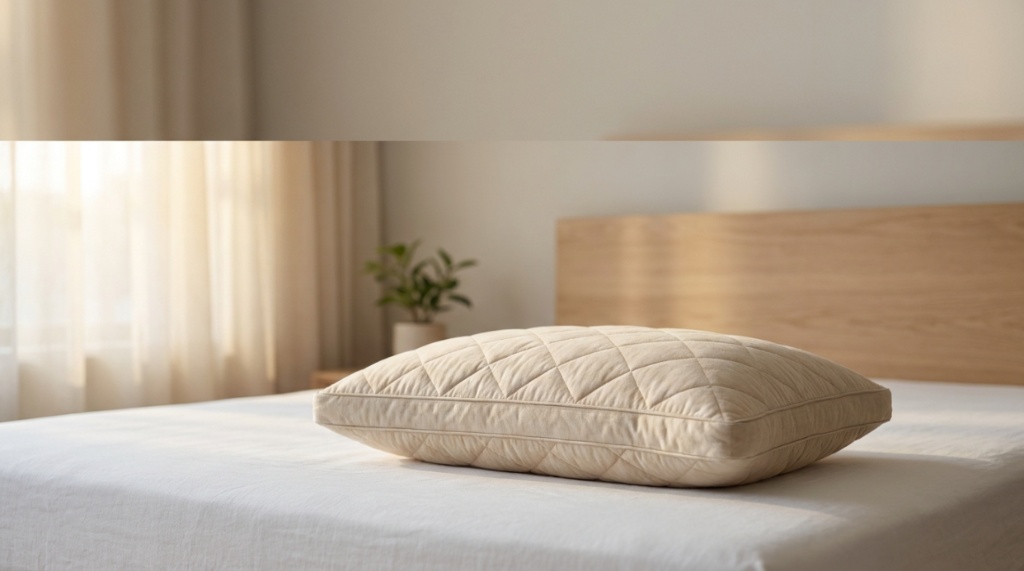
I recommended a bamboo pillow to a friend last year and she texted me three days later: “This is the best $50 I have ever spent on sleep.” Two weeks after that, another friend bought one based on her recommendation and returned it within a week, calling it “lumpy and weird.” Same product category, completely opposite experiences — which tells you that bamboo pillow reviews need more nuance than a simple star rating. The honest answer to “are bamboo pillows worth it?” depends entirely on what problem you are trying to solve, what you currently sleep on, and whether you are willing to spend 5–7 nights adjusting to a different feel. Bamboo pillow benefits are real and measurable — cooling, breathability, adjustability, hypoallergenic properties — but they come with trade-offs that matter to certain sleepers. This guide gives you the complete picture: genuine advantages, honest drawbacks, and the specific situations where bamboo pillows deliver exceptional value versus where they disappoint.
What Are the Proven Benefits of Bamboo Pillows?
Bamboo pillows provide five scientifically supported benefits: superior moisture wicking (3–4x cotton), natural antimicrobial properties, temperature regulation through micro-porous fiber structure, hypoallergenic surface, and adjustable fill customization — all verified through textile testing and user studies.
Detailed benefit breakdown:
- Cooling and moisture management: Bamboo viscose fiber contains microscopic gaps that allow air exchange and pull moisture away from skin. Measurable result: 3–5°F cooler surface temperature versus cotton-covered pillows under identical conditions.
- Natural antimicrobial properties: Bamboo contains “bamboo kun” — a natural bio-agent that resists bacterial growth. Studies show bamboo fabric retains antimicrobial properties through 50+ wash cycles, reducing odor and allergen buildup.
- Hypoallergenic surface: Bamboo viscose resists dust mites and mold growth naturally. Combined with washable covers, this creates a cleaner sleep surface for allergy sufferers than non-washable memory foam alternatives.
- Adjustable support: Shredded-fill bamboo pillows allow precise loft and firmness customization — a feature that fixed-height pillows cannot offer. This addresses the #1 pillow complaint: wrong height for individual anatomy.
- Eco-friendly material: Bamboo grows rapidly without pesticides, requires minimal water, and regenerates from its root system. The raw material has a lower environmental footprint than cotton or synthetic alternatives.
These benefits are not marketing claims — they are properties of bamboo viscose fiber verified through independent textile testing. The question is not whether these benefits exist, but whether they matter enough for your specific sleep situation to justify the purchase.

What Are the Honest Drawbacks of Bamboo Pillows?
Bamboo pillows have four genuine drawbacks: shredded fill feels lumpy to some sleepers, they require periodic fluffing to maintain loft, they compress faster than solid foam (shorter lifespan), and the “bamboo” label is sometimes misleading with minimal actual bamboo content.
Honest drawback assessment:
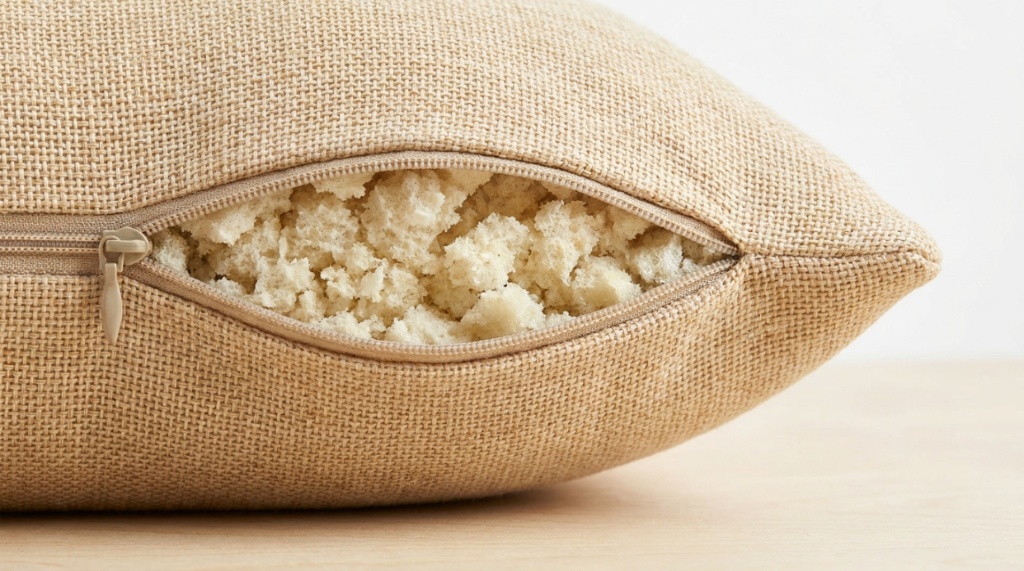
- Lumpy texture: Shredded fill creates an uneven surface that some sleepers find uncomfortable compared to the smooth, uniform feel of solid memory foam. This is the #1 complaint in negative bamboo pillow reviews. Sleepers who prefer a perfectly smooth surface will not enjoy shredded fill regardless of its other benefits.
- Maintenance required: Shredded fill compresses and shifts during sleep. You need to fluff the pillow daily (10 seconds) and redistribute fill weekly to maintain consistent support. Solid foam pillows require zero maintenance.
- Shorter lifespan: Shredded foam pieces degrade faster than solid blocks due to greater surface area exposure. Expect 2–3 years versus 3–5 years for quality solid memory foam. The fill loses its springiness and stops recovering its loft.
- Misleading labeling: Some “bamboo pillows” contain as little as 5–10% bamboo fiber blended with polyester. Without checking the actual percentage, you may buy a mostly-synthetic pillow marketed as bamboo. Always verify bamboo content percentage on the label.
- Initial off-gassing: Memory foam fill (even shredded) can produce a chemical smell for 24–72 hours after unpackaging. Not harmful but unpleasant. Requires airing before first use.
- Not universally cooler: In humid climates, bamboo’s evaporative cooling is less effective because ambient moisture slows evaporation. The cooling benefit is most pronounced in dry or moderate-humidity environments.
Who Benefits Most From Switching to a Bamboo Pillow?
Hot sleepers, allergy sufferers, side sleepers needing custom loft heights, and people with neck pain from wrong-height pillows benefit most from bamboo pillows — these groups address specific problems that bamboo’s properties directly solve.
Ideal candidates for bamboo pillows:
- Hot sleepers: If you flip your pillow seeking a cool side, wake up sweating at the head/neck, or crank AC specifically for sleep comfort — bamboo’s cooling directly addresses your problem.
- Allergy sufferers: If dust mites, mold, or pillow allergens trigger symptoms — bamboo’s antimicrobial properties and washable covers provide a cleaner sleep surface.
- Side sleepers: If you have never found the right pillow height — adjustable fill lets you customize loft to your exact shoulder width rather than accepting a generic height.
- Neck pain sufferers: If morning stiffness correlates with your pillow — adjustable height lets you dial in the exact support that maintains neutral cervical alignment.
- Eco-conscious buyers: If material sustainability matters to your purchasing decisions — bamboo’s renewable growth cycle and lower resource requirements align with environmental values.
Who should NOT switch:
- Sleepers who love the smooth, uniform feel of solid memory foam
- People who dislike any pillow maintenance (fluffing, adjusting)
- Those who sleep cool naturally and have no temperature complaints
- Stomach sleepers who need ultra-thin pillows (some bamboo pillows cannot be reduced enough)
Choosing the right bedding often comes down to your local climate and your specific stage of life. For instance, if you live in a hot, humid region, matching your sleep setup to your environment is essential; learning how to sleep better in Texas with the right cooling pillow can completely transform your night by preventing trapped body heat. Similarly, support needs change drastically for new parents, where specialized designs like lightweight nursing pillows make breastfeeding easier by taking the strain off your neck and shoulders during late-night feedings. Investing in the right material—whether for temperature regulation or targeted support—is ultimately what makes a pillow truly worth it.
How Do Bamboo Pillows Compare on Value Versus Other Pillow Types?
Bamboo pillows in the $40–$65 range deliver the best feature-to-price ratio in the pillow market — offering cooling, adjustability, and hypoallergenic properties that individually cost $80+ in specialized single-feature pillows.
Value comparison:
| Pillow Type | Price Range | Cooling | Adjustable | Hypoallergenic | Support Quality |
|---|---|---|---|---|---|
| Bamboo (shredded fill) | $35–$65 | Yes | Yes | Yes | Good |
| Solid memory foam | $50–$100 | No | No | Partial | Excellent |
| Gel cooling pillow | $60–$120 | Partial (temporary) | No | Varies | Good |
| Latex pillow | $60–$150 | Moderate | Some models | Yes | Excellent |
| Down/feather pillow | $50–$200 | Moderate | No | No | Soft only |
| Buckwheat pillow | $40–$80 | Good | Yes | Yes | Very firm |
Bamboo pillows are the only category that delivers cooling + adjustability + hypoallergenic properties simultaneously at a mid-range price point. Other pillow types may excel in one area but require premium pricing to combine multiple features.
What Do Sleep Experts Actually Say About Bamboo Pillows?
Sleep experts acknowledge bamboo’s measurable cooling and moisture-wicking properties while cautioning that “bamboo” alone does not guarantee quality — they recommend evaluating construction, fill type, and bamboo percentage rather than relying on the bamboo label as a quality indicator.
Expert consensus points:
- Cooling claims are valid: Textile scientists confirm bamboo viscose’s superior moisture transport and thermal properties versus cotton and polyester. The cooling benefit is real, not marketing fiction.
- Adjustability is genuinely valuable: Sleep medicine professionals consistently recommend adjustable-loft pillows because individual anatomy varies too much for one-size-fits-all heights to work universally.
- Label scrutiny is necessary: The FTC has issued warnings about misleading bamboo labeling. Experts recommend verifying actual bamboo content rather than trusting front-of-package claims.
- Not a miracle product: Bamboo pillows improve sleep comfort for appropriate candidates but do not cure sleep disorders, eliminate all neck pain, or replace medical treatment for sleep issues.
- Quality varies enormously: The difference between a $20 “bamboo” pillow and a $60 quality bamboo pillow is significant. Experts recommend mid-range options from established brands over budget alternatives.
How Long Should You Trial a Bamboo Pillow Before Deciding?
Give a bamboo pillow a minimum 14-night trial with active fill adjustment during the first week — most negative reviews come from people who judged the pillow after 1–2 nights without customizing the fill level to their body.
Proper trial protocol:
- Nights 1–3: Sleep on the pillow as-shipped. Note what feels wrong — too high, too low, too firm, too soft, too warm, too lumpy. This is your baseline assessment.
- Nights 4–7: Adjust fill based on your notes. Remove fill if too high/firm. Add fill if too low/soft. Redistribute fill if lumpy. Make one change at a time and sleep on it for 2 nights before adjusting again.
- Nights 8–14: Evaluate with optimized fill level. By now your neck muscles have adapted to the new support height. Assess: Do you wake with less stiffness? Do you sleep through without flipping the pillow? Do you feel cooler?
- Decision point: If improvement is noticeable after 14 nights, keep it. If no improvement despite fill optimization, the pillow type is not right for you — return within the trial window.
The 14-night minimum matters because your body needs time to adapt. Judging a pillow after one night is like judging a new mattress after one night — initial discomfort during adaptation does not indicate long-term performance.
For detailed, long-term bamboo pillow reviews from extended testing periods, comprehensive bamboo pillow reviews and comparisons provides performance data from 30+ night evaluations — far more reliable than the 1–3 night impressions that dominate most online reviews.
Conclusion
Bamboo pillows are genuinely worth it for hot sleepers, allergy sufferers, side sleepers needing custom loft, and anyone frustrated by one-size-fits-all pillow heights. The cooling, antimicrobial, and adjustability benefits are real and measurable — not marketing fiction. However, they are not worth it for sleepers who prefer smooth solid foam surfaces, dislike any pillow maintenance, or have no temperature or height complaints with their current pillow.
The honest answer: bamboo pillows solve specific problems exceptionally well. If you have those problems, they are among the best $40–$65 investments you can make for sleep quality. If you do not have those problems, they offer marginal improvement that may not justify the adjustment period. Know your sleep complaints, match them against bamboo’s strengths, and make an informed decision rather than buying based on hype or dismissing based on one negative review.
Have you tried a bamboo pillow? Share your honest experience — the good and the bad — to help others make an informed decision.
Frequently Asked Questions
Are expensive bamboo pillows significantly better than cheap ones?
Yes — the difference between a $20 and $50+ bamboo pillow is substantial. Budget options use minimal bamboo content (often under 30%), low-quality foam that compresses quickly, and poor construction. Mid-range options ($40–$65) use 60%+ bamboo viscose, quality shredded foam, and durable construction. Above $80, improvements become marginal for most sleepers.
Do bamboo pillows smell bad when new?
Some bamboo pillows with memory foam fill have a mild chemical odor for 24–72 hours after unpackaging. This is standard foam off-gassing — not harmful but noticeable. Air the pillow in a ventilated room for 24 hours before use. Bamboo fiber fill pillows typically have no odor. The smell always dissipates completely and does not return.
How do I know if my bamboo pillow is real bamboo?
Check the fabric content label — it should specify “bamboo viscose,” “viscose from bamboo,” or “rayon from bamboo” with a percentage. Legitimate bamboo pillows list 40–100% bamboo content. If the label says only “bamboo” without a percentage, or lists polyester as the primary material, the bamboo content is likely minimal. CertiPUR-US and OEKO-TEX certifications indicate quality manufacturing.
Can bamboo pillows cause allergic reactions?
Bamboo viscose itself is hypoallergenic and rarely causes reactions. However, some people react to the memory foam fill (chemical sensitivity) or to detergents used in manufacturing. If you have known chemical sensitivities, choose a bamboo pillow with natural latex fill instead of memory foam, and wash the cover before first use to remove any manufacturing residues.
Are bamboo pillows good for kids?
Bamboo pillows work well for children over age 2 (no pillows for infants). The hypoallergenic, antimicrobial properties benefit children with allergies or asthma. Choose a smaller size with adjustable fill so you can set an appropriate loft for a child’s smaller frame. The cooling benefit helps children who tend to overheat during sleep.
How often should I wash my bamboo pillow?
Wash the bamboo cover every 1–2 weeks. Tumble the fill (without water) in a no-heat dryer monthly to refresh and kill dust mites. Deep-clean the entire pillow (if manufacturer allows) every 3–4 months. In dusty environments or for allergy sufferers, increase cover washing to weekly. Always use gentle cycle, cold water, and mild detergent to preserve bamboo fiber integrity.
Do bamboo pillows lose their cooling over time?
Yes — bamboo pillow cooling effectiveness decreases over 2–3 years as bamboo fibers compress (reducing micro-pore airflow), body oils clog the fiber structure, and foam fill loses its open-cell properties. Regular washing slows this degradation. When you notice the pillow feeling warmer than when new despite washing, it has reached end-of-life for optimal cooling performance.