


We’ve all been there – the weekend warrior tackling a routine car maintenance task, only to realize you might have grabbed the wrong bottle. In this case, the culprit? Transmission fluid instead of engine oil. While it’s certainly not ideal, take a deep breath! The severity of the situation depends on the amount of transmission fluid added. Let’s delve into what happens and what steps to take.
Understanding the Difference: Engine Oil vs. Transmission Fluid
Engine oil and transmission fluid are both vital automotive fluids, but they serve distinct purposes:
- Engine Oil: This lubricant reduces friction between moving engine parts, regulates engine temperature, and helps prevent wear and tear. It has a thicker viscosity for withstanding high engine pressures and temperatures.
- Transmission Fluid: This thinner fluid facilitates smooth gear changes in automatic transmissions. It contains additives to prevent slipping and improve performance.
The key difference lies in viscosity. Engine oil is thicker to handle the engine’s demands, while transmission fluid prioritizes smooth gear changes. Mixing them can disrupt these critical functions.
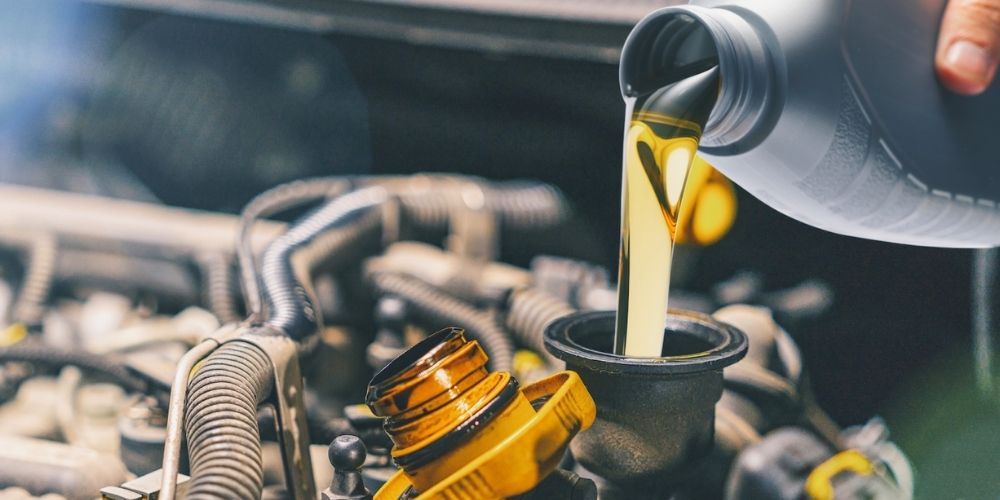
The Impact of Transmission Fluid in Engine Oil
The extent of damage depends on the amount of transmission fluid introduced:
- Small Amount (A Few Ounces): In this scenario, there’s minimal risk. The engine oil’s lubricating properties will likely overpower the small amount of transmission fluid. You might not experience any problems, but it’s still recommended to get an oil change soon to remove the diluted oil.
- Significant Amount (More Than a Pint): This is more concerning. The thinner transmission fluid can reduce the engine oil’s viscosity, hindering its ability to lubricate effectively. This can lead to:
- Increased Friction: Engine parts may rub against each other with insufficient lubrication, causing wear and tear.
- Overheating: Friction generates heat. Reduced lubrication can lead to engine overheating, potentially causing damage to internal components.
- Leaking: Transmission fluid can break down seals designed for engine oil, leading to leaks.
Important Note: If you suspect you’ve added a significant amount of transmission fluid, do not start the engine. Call a tow truck and have your car taken to a qualified mechanic for an oil change and potential inspection for any damage.
Taking Action: What to Do Next
Here’s how to proceed based on the amount of transmission fluid added:
- Small Amount: If it’s a negligible amount (a few tablespoons), you can cautiously drive the car to a mechanic for an oil change. However, getting it changed sooner rather than later is advisable.
- Significant Amount: Do not start the engine. Call a tow truck and have your car professionally inspected and serviced.
For all situations:
- Consult your car’s owner’s manual: Refer to the specific recommendations for your vehicle in case of accidental fluid mix-up.
- Seek professional help: Don’t hesitate to consult a trusted mechanic. They can assess the situation, change the oil, and advise on any further steps if necessary.
Prevention is Key: Avoiding Future Mishaps
- Label Everything Clearly: Use clear labels for both engine oil and transmission fluid containers. This helps in quick identification during maintenance tasks.
- Store Fluids Separately: Keep engine oil and transmission fluid in separate locations to minimize confusion.
- Double-Check Before Pouring: Always take a moment to confirm you’re using the correct fluid before pouring it into the engine.
Gear Up With Knowledge: Understanding Oil and Fluids
While this incident might raise concerns, a basic understanding of automotive fluids can empower you to make informed decisions:
- Oil Grades: Engine oil viscosity is denoted by a grade like “10W-30”. The first number indicates cold-flow performance (lower is better for cold starts), and the second number signifies viscosity at operating temperature (higher is better for hot engines). Consult your owner’s manual for the recommended oil grade for your car.
- Synthetic vs. Conventional Oil: Synthetic oil offers superior performance and protection compared to conventional oil. However, it’s typically more expensive.
- Consulting a Mechanic: When in doubt, don’t hesitate to seek a mechanic’s guidance. They can answer your questions and recommend the best course of action for your vehicle’s specific needs.
By understanding the roles of engine oil and transmission fluid, the potential consequences of accidental mixing, and preventive measures, you can navigate similar situations with confidence. Remember, early intervention and professional help can minimize any potential damage. Now, go forth and conquer those car maintenance tasks – armed with knowledge and a little caution!