

Your digestive system works hard every single day. It deserves proper support through nourishing whole foods. A well-planned eating map can transform how your gut feels and functions. Additionally, choosing whole foods benefits not just your body but also the planet, much like hosting an Sweet Healthy Living that celebrates sustainability. This guide provides a complete week of gut-friendly meals designed to reduce inflammation, promote regularity, and boost overall wellness.
Many people struggle with digestive discomfort, bloating, and irregular bowel movements. Therefore, creating a structured meal plan becomes essential for healing. A 7 day whole food meal plan offers the perfect starting point for anyone seeking digestive relief. This approach focuses on fiber-rich vegetables, fermented foods, healthy fats, and easily digestible proteins. Moreover, it eliminates processed ingredients that often trigger gut issues.
Research shows that whole food diets significantly improve digestive health. According to Harvard Health, fiber from whole foods helps maintain healthy gut bacteria and prevents constipation. However, transitioning to this eating style requires proper planning. This seven-day map removes the guesswork and provides simple, delicious meals that support your digestive tract naturally.
Understanding Digestive-Friendly Whole Foods
Whole foods are ingredients in their natural, unprocessed state. These foods contain no artificial additives, preservatives, or refined sugars. Furthermore, they provide essential nutrients that processed foods lack. Your digestive system recognizes and processes these foods more efficiently.
Fiber stands as the cornerstone of digestive health. Soluble fiber absorbs water and creates a gel-like substance in your gut. This helps slow digestion and promotes feelings of fullness. Insoluble fiber adds bulk to stool and helps food move through your system. Both types work together to maintain regularity.
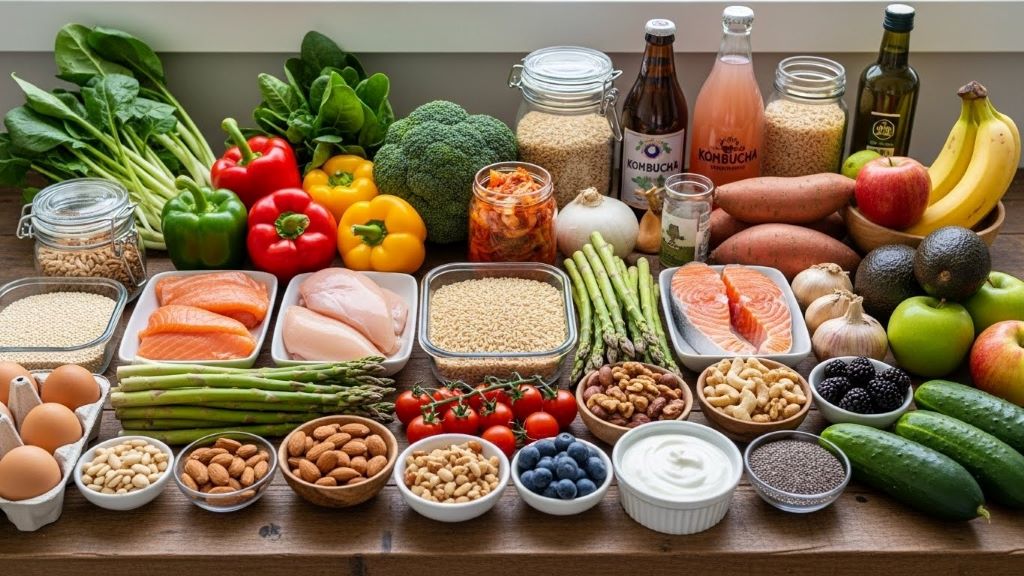
Fermented foods introduce beneficial probiotics to your gut microbiome. These living organisms support digestion, boost immunity, and reduce inflammation. Examples include sauerkraut, kimchi, kefir, and yogurt. Additionally, prebiotic foods like garlic, onions, and asparagus feed these helpful bacteria.
Healthy fats from sources like avocados, olive oil, and nuts help your body absorb fat-soluble vitamins. They also reduce inflammation throughout the digestive tract. Conversely, inflammatory oils and trans fats damage gut lining and worsen digestive symptoms.
Day 1: Gentle Introduction
Start your week with easily digestible options. Breakfast features overnight oats with chia seeds, blueberries, and almond butter. This combination provides soluble fiber and omega-3 fatty acids. The chia seeds expand in liquid, creating a soothing texture for your stomach.
For lunch, prepare a simple chicken and vegetable soup. Use bone broth as the base for added collagen and minerals. Include carrots, celery, zucchini, and fresh herbs. These gentle vegetables won’t irritate sensitive digestive systems.
Dinner consists of baked salmon with roasted sweet potato and steamed broccoli. Salmon provides anti-inflammatory omega-3s. Sweet potatoes offer complex carbohydrates that digest slowly. Steam broccoli lightly to preserve nutrients while making it easier to digest.
Snacks throughout the day include sliced cucumber with hummus and a small handful of walnuts. Stay hydrated with herbal teas like ginger or peppermint, which naturally soothe digestive discomfort.
Day 2: Building Momentum
Begin day two with a smoothie bowl. Blend spinach, banana, mango, and coconut milk. Top with ground flaxseed, hemp hearts, and fresh berries. This meal packs nutrients while remaining gentle on your stomach.
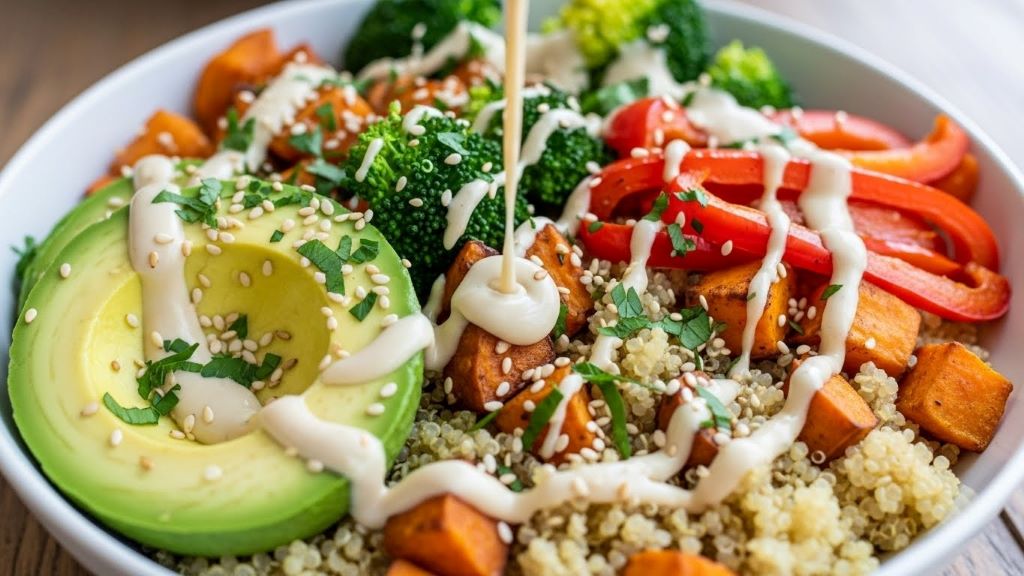
Lunch features a quinoa bowl with roasted vegetables and tahini dressing. Quinoa is a complete protein that’s easier to digest than many grains. Roast bell peppers, eggplant, and cherry tomatoes with olive oil. Drizzle tahini mixed with lemon juice and garlic over everything.
For dinner, make turkey meatballs with zucchini noodles and marinara sauce. Use ground turkey for lean protein. Spiralized zucchini replaces traditional pasta, reducing digestive load. Make marinara from scratch using tomatoes, basil, and oregano.
Evening snacks include apple slices with almond butter or a small serving of plain Greek yogurt with honey. These options provide protein and healthy fats without overwhelming your system.
Day 3: Fermented Food Focus
Day three emphasizes probiotic-rich foods. Breakfast is a veggie omelet with sauerkraut on the side. Use eggs from pasture-raised chickens for better nutrition. Include spinach, mushrooms, and tomatoes in your omelet. The sauerkraut introduces beneficial bacteria.
Lunch consists of a large salad with mixed greens, grilled chicken, avocado, and kimchi. Add pumpkin seeds for crunch and extra minerals. Dress with olive oil and apple cider vinegar, which also supports digestion.
Dinner brings miso-glazed cod with brown rice and bok choy. Miso paste is fermented and adds depth of flavor. Brown rice provides more fiber than white rice. Sauté bok choy quickly with garlic and sesame oil.
Snack on kefir mixed with berries or carrot sticks with fermented vegetable dip. These choices continue supporting your gut microbiome throughout the day.
Day 4: Anti-Inflammatory Emphasis
Start with golden milk chia pudding. Combine chia seeds, coconut milk, turmeric, ginger, and cinnamon. Let it set overnight. This breakfast fights inflammation while providing lasting energy.
Lunch features a Mediterranean-style wrap using collard greens instead of bread. Fill with grilled vegetables, hummus, cucumber, and olives. Collard greens are nutrient-dense and wrap securely when steamed briefly.
Dinner is slow-cooked chicken with root vegetables. Use chicken thighs for better flavor and healthy fats. Add carrots, parsnips, turnips, and fresh thyme. Slow cooking makes everything tender and easy to digest.
Snacks include celery with cashew butter or a small handful of anti-inflammatory berries like blueberries and raspberries.
Day 5: Fiber-Rich Day
Breakfast brings steel-cut oats with pear, walnuts, and cinnamon. Steel-cut oats digest more slowly than instant varieties. Pears provide both types of fiber. Walnuts add omega-3s and satisfying crunch.
For lunch, prepare a lentil and vegetable stew. Lentils are legumes packed with fiber and protein. Include carrots, celery, tomatoes, and spinach. Season with cumin and coriander for digestive support.
Dinner features grass-fed beef with roasted Brussels sprouts and mashed cauliflower. Choose lean cuts of beef. Brussels sprouts contain fiber and beneficial compounds. Cauliflower mash provides a creamy side without dairy.
Snack on pear slices with sunflower seed butter or a small portion of trail mix made with nuts and dried fruit.
Day 6: Light and Fresh
Begin with a green smoothie containing kale, pineapple, ginger, and coconut water. Pineapple contains bromelain, an enzyme that aids protein digestion. Ginger reduces nausea and inflammation.
Lunch is a rainbow salad with chickpeas. Include red cabbage, orange bell peppers, yellow squash, and purple onions. Chickpeas provide plant-based protein and fiber. Dress with lemon juice and olive oil.
Dinner brings baked white fish with asparagus and wild rice. White fish like halibut or tilapia is lean and mild. Asparagus is a prebiotic that feeds good gut bacteria. Wild rice offers more nutrients than conventional rice.
Evening snacks include sliced bell peppers with guacamole or a small apple with a few almonds.
Day 7: Celebration and Reflection
Complete your week with buckwheat pancakes topped with fresh fruit and almond butter. Buckwheat is actually a seed, not a grain. It’s easier for many people to digest and provides complete protein.
Lunch features a Buddha bowl with mixed components. Include roasted sweet potato, massaged kale, quinoa, avocado, and pumpkin seeds. Drizzle with tahini-lemon dressing. This meal combines everything your gut needs.
For your final dinner, prepare a vegetable stir-fry with shrimp and cauliflower rice. Use coconut oil for cooking. Include broccoli, snap peas, mushrooms, and bell peppers. Season with fresh ginger and garlic.
Reflect on how you feel compared to seven days ago. Notice improvements in energy, regularity, and overall comfort.
Tips for Success
Meal preparation is crucial for maintaining this eating pattern. Dedicate a few hours on Sunday to washing vegetables, cooking grains, and preparing proteins. Store everything in glass containers for easy access.
Listen to your body throughout this process. Some people need larger portions while others feel better with smaller, more frequent meals. Adjust serving sizes based on your hunger and energy levels.
Stay well-hydrated by drinking water between meals. Aim for at least eight glasses daily. Herbal teas count toward this goal. However, avoid drinking large amounts during meals, as this can dilute digestive enzymes.
Chew your food thoroughly. Digestion begins in your mouth with mechanical breakdown and salivary enzymes. Taking time to chew reduces the burden on your stomach and intestines.
Conclusion
This seven-day whole food eating map provides a foundation for better digestive health. By focusing on fiber-rich vegetables, fermented foods, healthy fats, and quality proteins, you give your gut everything it needs to function optimally. The elimination of processed foods reduces inflammation and irritation. Additionally, this approach supports beneficial gut bacteria that aid digestion and immunity. Remember that lasting change happens gradually. Use this week as a starting point for developing sustainable eating habits. Your digestive system will thank you with improved regularity, reduced bloating, and increased energy. Continue incorporating these principles beyond the seven days for ongoing wellness.
Frequently Asked Questions
Can I repeat this meal plan after seven days?
Yes, you can repeat this plan or mix and match days based on your preferences. However, try introducing variety by swapping similar ingredients to ensure you get diverse nutrients.
What if I have food allergies or sensitivities?
Simply substitute problem foods with alternatives. For example, replace nuts with seeds, or use coconut yogurt instead of dairy yogurt. The principles remain the same.
How quickly will I notice digestive improvements?
Most people experience some relief within three to five days. However, significant changes often take two to four weeks as your gut microbiome adjusts to new foods.
Can I eat between meals if I’m hungry?
Absolutely. Choose whole food snacks like fruits, vegetables with dips, or small portions of nuts. Listen to your hunger cues rather than following strict meal times.
Is this eating plan suitable for weight loss?
While not specifically designed for weight loss, many people naturally lose weight by eating whole foods. This occurs because these foods are more filling and contain fewer empty calories than processed options.
Related Topics:
Best Pasta Sauce for Diabetics: Flavorful Options That Won’t Spike Blood Sugar
How to Attract Specific Native Pollinators to Your Coneflowers