

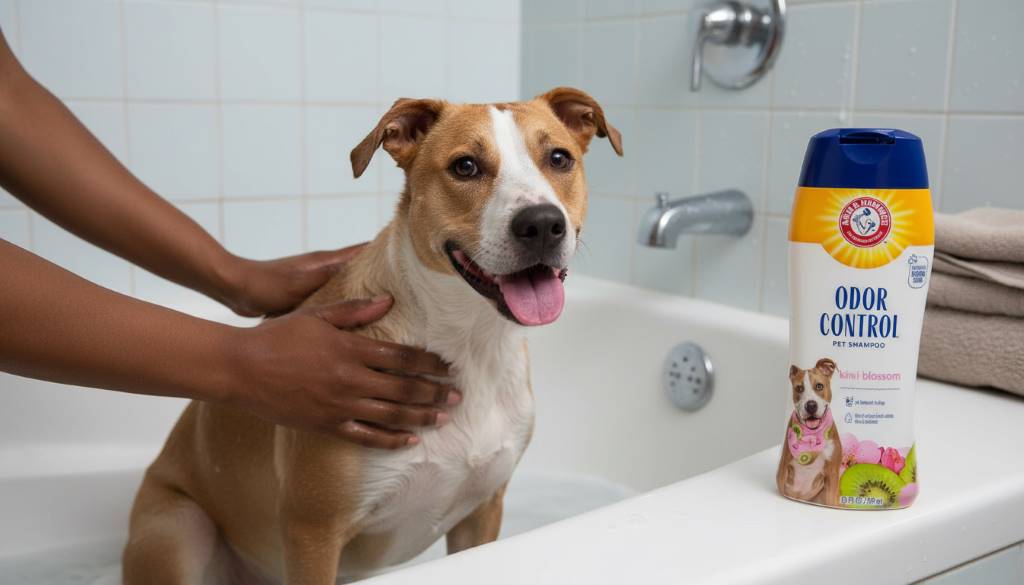
Dog owners often struggle with smelly pets. Bad odors can make cuddles less enjoyable. You want your furry friend fresh and clean. This guide helps you pick the right shampoo. It focuses on odor control with vet-approved advice. First, understand why dogs smell. Skin issues or diet play roles. According to the American Veterinary Medical Association, over 50% of dogs face skin problems that cause odors. A study from the Journal of Veterinary Dermatology shows proper grooming reduces bacteria by 70%. If you’re looking for a great option, check out best dog shampoo for odor. Now, let’s explore how to choose wisely.
Understanding Dog Odors and Their Causes
Dogs develop odors for many reasons. Bacteria build up on their skin. Yeast infections add to the problem. However, not all smells come from poor hygiene. Diet influences scent too. Foods high in fats create stronger body odors. Additionally, allergies trigger excessive oil production. Vets note that environmental factors matter. Pollen or dust clings to fur. Consequently, odors linger.
Moreover, age affects smell. Older dogs produce more sebum. Puppies might have milk scents. Breeds with wrinkles, like Bulldogs, trap moisture. This leads to bacterial growth. Therefore, identify the source first. Consult a vet for underlying issues. They diagnose problems accurately. In turn, you select better products.
Furthermore, water activities increase risks. Swimming dogs pick up algae smells. Without proper drying, mildew forms. So, regular baths help. Yet, overbathing strips natural oils. Balance is key. Studies from Cornell University show weekly baths control odors without harm.
Types of Dog Shampoos for Odor Control
Various shampoos target odors differently. Medicated ones fight infections. They contain antifungal agents. Natural options use plant extracts. These appeal to eco-conscious owners. However, deodorizing shampoos neutralize smells directly. They often include enzymes.
Additionally, hypoallergenic formulas suit sensitive skin. They avoid harsh chemicals. Waterless shampoos offer quick fixes. Spray them on for instant freshness. Nevertheless, choose based on needs. Vets recommend reading labels carefully. Look for pH-balanced products. Dogs need shampoos around 7.0 pH.
Moreover, some shampoos combine conditioning. They soften fur while controlling scent. This dual action saves time. Consequently, your dog stays comfortable. Research from the Pet Industry Association highlights enzyme-based shampoos as effective. They break down odor molecules.
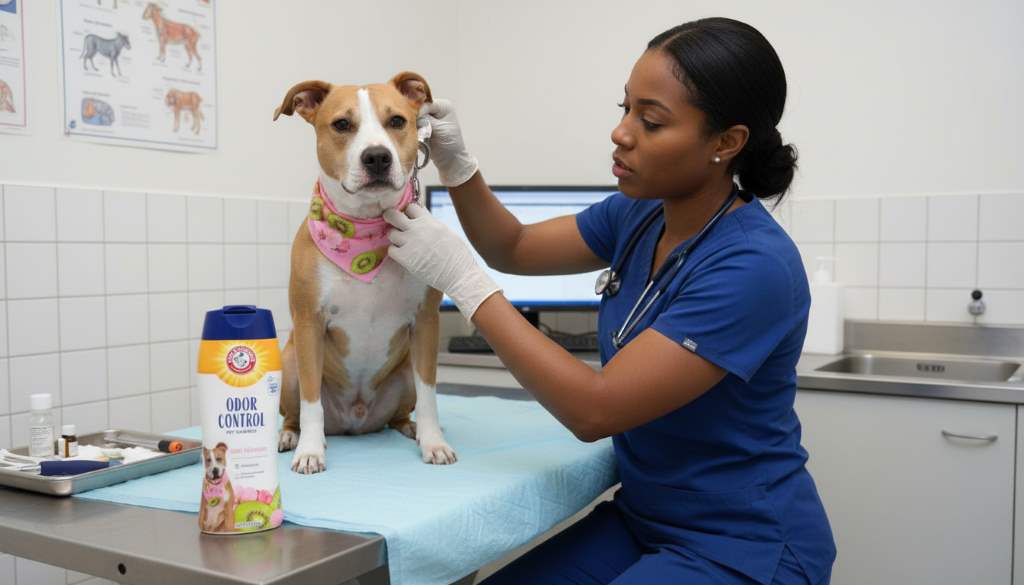
Key Ingredients to Look For in Odor-Control Shampoos
Effective ingredients make a difference. Baking soda absorbs smells naturally. It neutralizes acids. Aloe vera soothes skin. This reduces irritation that causes odors. Additionally, essential oils like lavender provide fragrance. They mask bad scents gently.
However, enzymes are powerhouse components. They digest proteins in bacteria. Citric acid adjusts pH levels. Consequently, skin stays healthy. Oatmeal offers anti-inflammatory benefits. It calms itchy areas. Therefore, odors decrease.
Furthermore, tea tree oil fights microbes. Use it in diluted forms. Vets approve coconut oil for moisture. It prevents dryness. A report from the National Institutes of Health confirms these ingredients’ safety. Always check for vet endorsements.
Ingredients to Avoid
Certain elements harm dogs. Sulfates strip oils harshly. They cause dryness. Parabens preserve but irritate. Avoid artificial dyes too. These trigger allergies. Additionally, alcohol dries skin quickly.
However, phthalates disrupt hormones. They hide in fragrances. Strong perfumes mask issues temporarily. Yet, they don’t solve root causes. Consequently, odors return stronger.
Moreover, DEA and TEA foam but irritate. Choose clean labels instead. Vets warn against human shampoos. Their pH differs greatly.
How to Choose Based on Dog’s Breed and Skin Type
Breeds vary in needs. Long-haired dogs like Golden Retrievers need detangling formulas. They trap dirt easily. Short-haired breeds benefit from deep cleansers. Additionally, wrinkly skins require antibacterial options.
However, consider skin sensitivity. Dry skin needs moisturizing shampoos. Oily coats demand clarifying ones. Vets assess types accurately. Consequently, tailor choices.
Furthermore, puppies need gentle products. Their skin develops still. Senior dogs face more issues. Arthritis limits bathing ease. Therefore, select easy-rinse shampoos.
Breed-Specific Recommendations
Labradors swim often. Choose water-resistant odor control. Huskies have thick fur. Opt for penetrating formulas. Additionally, Terriers dig dirt. Strong deodorizers work best.
However, Poodles curl tightly. Hypoallergenic shampoos prevent matting. Bulldogs fold skin. Antifungal ingredients help. Consequently, breeds stay fresh.
Moreover, mixed breeds combine traits. Test small areas first. Vets suggest monitoring reactions.
Vet-Approved Tips for Effective Odor Control
Vets emphasize routine grooming. Bathe every 4-6 weeks. This maintains balance. Use lukewarm water always. Additionally, brush before baths. Remove loose fur.
However, dry thoroughly afterward. Moisture breeds bacteria. Towel dry gently. Consequently, odors stay away.
Furthermore, diet supports skin health. Omega-3s reduce inflammation. Feed quality proteins. Vets recommend supplements sometimes.
Bathing Techniques
Lather from neck down. Avoid eyes carefully. Massage deeply. This distributes product evenly. Rinse twice thoroughly. Residue causes itchiness.
Additionally, use conditioners sparingly. They seal in freshness. Pat dry instead of rubbing. This prevents tangles.
However, for stubborn odors, repeat washes. Vets approve spot cleaning between baths.
Common Mistakes to Avoid When Choosing Shampoo
Many owners pick based on scent alone. This ignores effectiveness. Strong fragrances irritate. Additionally, ignore human products. They imbalance pH.
However, overbathing dries skin. This worsens odors ironically. Space sessions properly. Consequently, health improves.
Furthermore, skip cheap options. They lack quality ingredients. Vets stress researching brands. Read reviews critically.
Storage and Usage Tips
Store shampoos coolly. Heat degrades formulas. Shake before use. This mixes settled parts.
Additionally, dilute if needed. Follow instructions precisely. Test patches always.
However, discard expired products. They lose potency.
Benefits of Regular Use of Odor-Control Shampoos
Consistent use freshens pets. Bonds strengthen through grooming. Additionally, health checks occur during baths. Spot issues early.
However, allergens reduce in homes. This helps families. Vets note fewer vet visits. Consequently, savings add up.
Furthermore, confidence boosts for dogs. They feel comfortable. Social interactions improve.
Long-Term Effects
Skin barrier strengthens over time. Infections decrease. Fur shines naturally.
Additionally, owners enjoy cleaner spaces. Odors don’t linger.
However, pair with vet checkups. This ensures overall wellness.
Natural vs. Commercial Shampoos: Which is Better?
Natural shampoos use herbs. They appeal gently. Commercial ones offer science-backed formulas. Additionally, blends combine both.
However, naturals lack preservatives. Shelf life shortens. Vets compare efficacy. Studies show commercials often outperform.
Furthermore, test preferences. Dogs react differently. Choose what suits.
Pros of Natural Options
They avoid chemicals. Eco-friendly packaging common. Additionally, scents soothe.
However, potency varies. Seasons affect herbs.
Cons and Alternatives
Commercials standardize results. Labs test them. Vets endorse reliable brands.
Additionally, hybrids provide balance. Research guides choices.
How Often Should You Bathe Your Dog for Odor Control?
Frequency depends on activity. Active dogs need more baths. Indoor pets less often. Vets suggest 4-6 weeks generally.
However, monitor smells weekly. Adjust accordingly. Overbathing harms.
Furthermore, use dry shampoos between. They refresh quickly.
Seasonal Considerations
Summer increases sweats. Bathe more. Winter dries skin. Moisturize extra.
Additionally, allergies peak in spring. Antihistamine shampoos help.
However, fall sheds fur. Brush frequently.
Combining Shampoo with Other Grooming Products
Shampoos work best with tools. Brushes remove debris. Additionally, ear cleaners prevent infections.
However, paw wipes tackle dirt. They control tracking.
Furthermore, dental chews freshen breath. Overall hygiene improves.
Grooming Kits
Assemble essentials. Include combs. Vets recommend kits for convenience.
Additionally, sprays extend freshness. Use daily lightly.
However, conditioners follow shampoos. They lock moisture.
Role of Diet in Controlling Dog Odors
Food impacts scents greatly. Proteins break down differently. Choose digestible sources. Additionally, fibers aid gut health.
However, avoid fillers. They cause gas. Vets link diets to skin.
Furthermore, hydration matters. Water flushes toxins.
Supplements for Odor Reduction
Omegas shine coats. Probiotics balance bacteria. Additionally, zinc supports skin.
However, consult vets first. Dosages vary.
Furthermore, herbs like parsley freshen naturally.
When to Consult a Vet for Persistent Odors
Smells persist despite efforts. This signals issues. Infections need meds. Additionally, thyroid problems cause scents.
However, allergies require tests. Vets diagnose accurately.
Furthermore, tumors rarely contribute. Early detection helps.
Warning Signs
Excessive scratching accompanies odors. Redness shows. Additionally, hair loss alarms.
However, lethargy indicates systemic problems.
Furthermore, appetite changes matter. Act quickly.
Eco-Friendly and Sustainable Shampoo Options
Sustainability grows important. Biodegradable formulas protect environments. Additionally, recycled packaging reduces waste.
However, plant-based ingredients renew. Vets approve green choices.
Furthermore, certifications guide. Look for cruelty-free.
Brands Leading the Way
Several innovate. They use solar power. Additionally, donations support shelters.
However, efficacy remains key. Balance eco with results.
Furthermore, consumers drive changes. Choose wisely.
Myths and Facts About Dog Shampoos
Myths mislead owners. Human shampoos work? No, pH differs. Additionally, all natural safe? Not always.
However, facts clarify. Enzymes truly neutralize. Vets debunk hype.
Furthermore, frequent baths harm? Moderation matters.
Debunking Common Beliefs
Odors mean dirtiness. Sometimes medical. Additionally, expensive better? Not necessarily.
However, research trumps ads. Trust science.
Furthermore, puppies need special care. Gentle always.
Case Studies: Real-Life Success Stories
One owner faced smelly Lab. Switched to enzyme shampoo. Odors vanished in weeks. Additionally, vet confirmed health.
However, Bulldog with folds improved. Antifungal formula helped. Family enjoyed cuddles.
Furthermore, rescue dog transformed. Regular baths built trust.
Lessons Learned
Consistency pays off. Additionally, patience required.
However, vet input crucial. Success follows.
Furthermore, share experiences. Communities help.
Related:
What Is a Vest Dog Harness and How It Improves Walking Comfort
Pedigree Canned Beef Dog Food Review: Nourishing Your Furry Friend
Advanced Tips for Professional-Level Grooming
Pros use techniques. Section fur for even coverage. Additionally, use massagers.
However, time baths post-walks. Dirt fresh.
Furthermore, record reactions. Adjust products.
Tools for Pros
Clippers trim excess. Additionally, dryers speed process.
However, gloves protect hands. Efficiency rises.
Furthermore, apps track schedules. Stay organized.
Integrating Odor Control into Daily Routines
Daily habits prevent build-up. Wipe paws after outings. Additionally, brush teeth weekly.
However, air dry beds. Freshness lasts.
Furthermore, vacuum regularly. Removes dander.
Family Involvement
Kids learn responsibility. Additionally, bonds form.
However, supervise always. Safety first.
Furthermore, enjoy processes. Fun matters.
Future Trends in Dog Grooming Products
Innovation advances. Smart shampoos detect issues. Additionally, AI apps recommend.
However, biotech improves formulas. Vets excited.
Furthermore, personalization grows. DNA-based choices.
What to Expect
Sustainability leads. Additionally, affordability increases.
However, research continues. Benefits expand.
Furthermore, global access improves. All dogs benefit.
Conclusion
Choosing the best dog shampoo for odor control involves understanding causes and ingredients. Consider breed and skin type. Follow vet tips for bathing. Avoid common mistakes. Regular use brings benefits. Combine with diet and grooming. Consult vets for persistent issues. Explore eco options. Debunk myths through facts. Learn from cases. Adopt pro tips. Integrate into routines. Watch trends. Now, assess your dog’s needs and select a shampoo today. Your pet deserves freshness.
FAQs
FAQ: What Causes Dog Odors?
Dogs smell due to bacteria, yeast, or diet. Environmental factors add too. Vets identify sources quickly.
FAQ: How Often to Bathe for Odor Control?
Bathe every 4-6 weeks. Adjust for activity levels. Overbathing dries skin.
FAQ: Are Natural Shampoos Effective?
Yes, but vary in potency. Combine with commercials for best results. Test carefully.
FAQ: What if Odors Persist?
See a vet. Underlying health issues possible. Early action helps.
FAQ: Can I Use Human Shampoo?
No, pH differs. It harms skin balance. Stick to dog products.
References
- https://www.avma.org/resources/pet-owners/petcare/dog-grooming-tips
- https://journals.sagepub.com/doi/full/10.1177/1098612X19870370
- https://www.ncbi.nlm.nih.gov/pmc/articles/PMC6366616/
- https://www.aspca.org/pet-care/dog-care/general-dog-grooming