


When making fresh pasta at home, nothing ruins the excitement faster than watching your carefully rolled dough tear in the pasta machine. If you’ve ever experienced this, you know how frustrating it can be. Learning how to prevent pasta dough from tearing is key to avoiding this issue. Whether you’re new to homemade pasta or an experienced chef, the good news is that this problem is entirely fixable. With a bit of know-how, troubleshooting, and careful preparation, you can create perfectly smooth pasta sheets every time.
Homemade pasta is all about patience, practice, and precision. In this article, we’ll explore the best methods to prevent pasta dough from tearing in a manual pasta machine. By the end, you’ll understand the common causes behind tearing and learn foolproof ways to avoid them. Oh, and if you want to elevate your pasta-making game even further, don’t forget to explore Smartpastamaker for amazing tips and resources to simplify your cooking journey!
Why Does Pasta Dough Tear in a Manual Pasta Machine?
Homemade pasta should be fun and fulfilling, but watching your dough tear can quickly dampen the experience. So why does this happen?
Pasta dough tears for various reasons, ranging from the dough’s texture to how it’s handled. Common culprits include overly dry dough, insufficient kneading, rolling the dough too thin too quickly, or skipping crucial resting periods. Additionally, if your manual pasta machine isn’t properly maintained (such as being poorly cleaned or misaligned), it can tug or tear the delicate dough.
Let’s break down these factors further to understand how they contribute to tearing and what you can do to overcome each one.
The Importance of Proper Dough Consistency
Achieving the right dough consistency is the foundation of successful pasta making. If your dough is too dry, it will crack and tear as you roll it. On the other hand, overly wet dough will stick to the rollers of your pasta machine, making it prone to tearing as well.
What Does Perfect Pasta Dough Feel Like?
Well-kneaded pasta dough should feel firm but slightly pliable, like modeling clay. If it’s sticky or crumbling, your dough needs adjusting. A general rule of thumb is a ratio of 3 parts flour to 2 parts egg by weight, but this can vary depending on your flour type, climate, and egg size.
Pro Tip for Hydration Adjustments
If your dough feels too dry, add a teaspoon of water at a time until it’s smooth and elastic. Conversely, if it’s too wet, dust it with a small amount of flour to achieve the ideal consistency. Don’t rush this process—proper hydration ensures your dough won’t tear during rolling.
How Kneading Impacts Dough Strength
Kneading is crucial for developing gluten, the protein network that gives pasta dough its elasticity and strength. Inadequate kneading leads to weak dough that tears easily.
How to Knead Pasta Dough Properly
Start by folding the dough in half, pressing down firmly with your palms, and turning it 90 degrees. Repeat this process for 8-10 minutes. If you’re kneading by hand, the dough should spring back slightly when poked but remain soft to the touch.
For those short on time, a stand mixer with a dough hook can help, but don’t skip hand-kneading entirely—it gives you better control over the dough’s texture.
Resting the Dough: Why It Matters
Resting the dough is often overlooked but vital for avoiding tearing. After kneading, gluten strands in the dough need time to relax. Skipping this step results in dough that resists rolling and becomes prone to tearing.
How Long Should You Rest Dough?
Wrap the dough in plastic wrap and let it rest for at least 30 minutes at room temperature. For an even better result, refrigerate it for up to 24 hours. Just ensure it’s brought back to room temperature before rolling.
How to Roll Pasta Dough Without Tearing
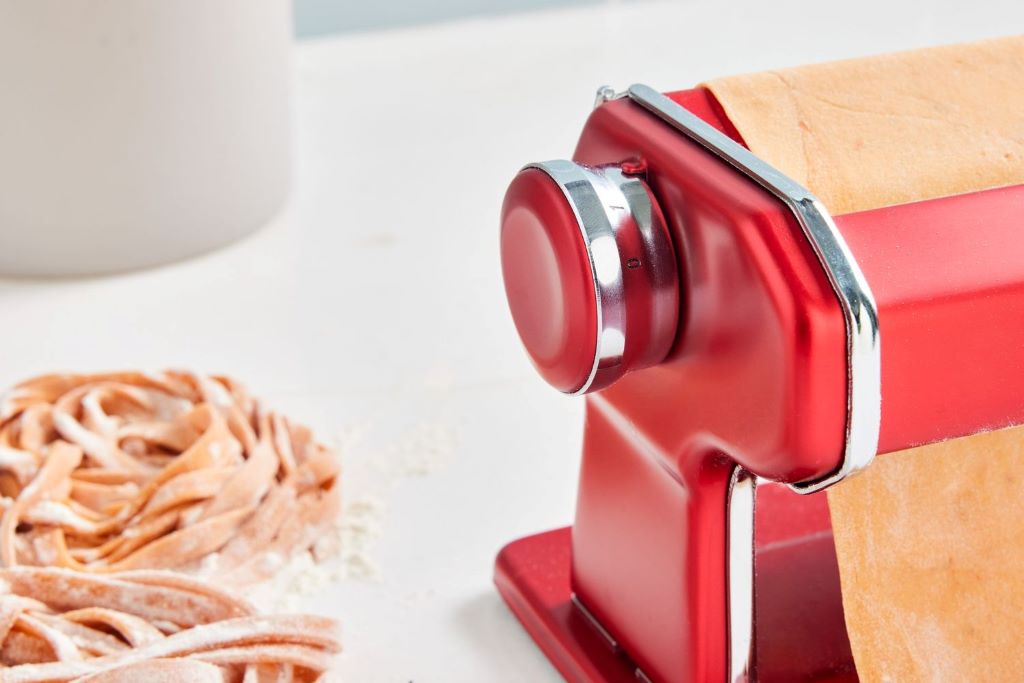
When using a manual pasta machine, rolling the dough is a delicate balance between technique and patience. Avoid rushing through this step, as it can lead to thin, weak spots that tear.
Step-by-Step Rolling Guide
- Start with a small piece of dough (roughly the size of a golf ball) and flatten it slightly with your hands.
- Set your pasta machine to its widest setting. Roll the dough through, then fold it in half and roll again. Repeat this process 5-6 times to further develop the gluten structure.
- Gradually narrow the machine’s settings, rolling the dough once at each level. Avoid skipping settings, as this puts unnecessary strain on the dough.
- Dust the dough lightly with flour if it begins to stick, but don’t overdo it—excess flour can dry out the dough.
Maintaining Your Pasta Machine for Smooth Rolling
A well-maintained manual pasta machine is essential for smooth dough rolling. Dirty rollers or worn-out components can grab and tear your dough.
Tips for Machine Care
- Always clean your pasta machine after use. Avoid water; instead, use a dry brush or cloth to remove leftover flour and dough bits.
- Regularly check for alignment issues. If your rollers aren’t evenly spaced, they can pinch the dough unevenly.
- Lightly oil the machine’s moving parts with food-safe mineral oil to ensure smooth operation.
Why Thin Dough Tears More Easily
While thin pasta sheets are ideal for dishes like ravioli or lasagna, rolling dough too thin too quickly can weaken its structure, leading to tearing. If your goal is paper-thin pasta, take your time and focus on even rolling.
Using the Right Flour for Pasta Dough
Flour choice plays a critical role in the strength and texture of your pasta dough. High-protein flours like semolina or “00” flour are ideal because they contain more gluten, giving the dough its stretch and resilience.
Semolina vs. “00” Flour: Which Is Better?
- Semolina: Coarser and more durable, perfect for extruded pasta like penne or rigatoni.
- “00” Flour: Finely milled and silky, ideal for delicate, hand-rolled pasta.
Using all-purpose flour is possible but may require additional kneading to develop sufficient gluten.
What Role Does Temperature Play?
Temperature affects both the dough and the machine. If your pasta dough feels too sticky or unworkable, it may be too warm. Cooler dough is easier to manage and less likely to tear.
Quick Temperature Fixes
If your dough becomes too warm, wrap it in plastic wrap and chill it for 10-15 minutes. Similarly, if your pasta machine is cold, let it sit at room temperature before rolling.
You Might Enjoy: What is Contractor Failure? Understanding the Risks and Solutions
FAQs
What should I do if my dough keeps tearing?
Check the hydration, kneading, and rolling techniques. Dry dough often tears, so consider adding small amounts of water to improve elasticity.
Can I fix a torn piece of dough?
Yes, patch it by overlapping the torn edges and rolling them together gently. If the tear is too large, fold and re-roll the dough.
Why is my pasta sticking to the machine?
Sticky dough indicates excess moisture. Lightly dust your dough and machine with flour before rolling.
What’s the best setting for thin pasta sheets?
Gradually work your way to the thinnest setting. Skipping settings can overstretch and tear the dough.
Can I use a stand mixer for pasta dough?
Yes, but hand-kneading is recommended for final adjustments to the dough’s texture.
Why does my dough crack during rolling?
Cracking occurs when the dough is too dry or wasn’t kneaded enough to develop gluten.
Conclusion
Preventing pasta dough from tearing in a manual pasta machine comes down to mastering the basics: achieving the right dough consistency, kneading thoroughly, allowing the dough to rest, and using proper rolling techniques. With the tips outlined in this article, you’ll have the confidence and skills to create flawless homemade pasta every time.