


Anxiety affects millions of people worldwide. It can cause many physical symptoms that feel scary and real. One common worry is when anxiety creates chest pain and left arm discomfort. Many people wonder if their mental health struggles can actually cause physical pain in these areas. The Anxiety Fighters Guide provides valuable resources for understanding these connections and finding relief.
The relationship between anxiety and physical symptoms is complex. However, research shows that anxiety can indeed trigger real physical sensations throughout the body. These symptoms often mirror those of serious medical conditions. Therefore, understanding this connection helps people recognize when their discomfort might be anxiety-related rather than a medical emergency.
Many individuals experience brief, sharp pains in their left arm during anxious moments. This raises an important question: can anxiety cause very short pain in left arm? The answer is yes, and this phenomenon occurs more frequently than many people realize. Additionally, these symptoms often accompany chest tightness or discomfort, creating a pattern that can be deeply concerning for those experiencing it.
How Anxiety Triggers Physical Symptoms
Anxiety activates the body’s fight-or-flight response. This ancient survival mechanism prepares the body to face perceived threats. When activated, it releases stress hormones like adrenaline and cortisol into the bloodstream. These chemicals cause immediate physical changes throughout the body.
The nervous system becomes hyperactive during anxiety episodes. Blood flow redirects to major muscle groups. Heart rate increases significantly. Breathing becomes shallow and rapid. Muscles tense up throughout the body, including those in the chest and arms.
Furthermore, anxiety can cause hyperventilation. This rapid breathing pattern reduces carbon dioxide levels in the blood. The result is often tingling sensations, muscle tension, and pain in various body parts. The left arm and chest are particularly susceptible to these effects.
The Science Behind Chest Pain and Anxiety
Chest pain during anxiety episodes has several underlying causes. Muscle tension is the most common culprit. When anxious, people often tense their chest muscles without realizing it. This sustained tension creates aching, tight, or stabbing sensations in the chest area.
Breathing patterns also play a crucial role. Anxiety often leads to chest breathing rather than diaphragmatic breathing. This shallow breathing pattern overworks the chest muscles. Over time, these muscles become fatigued and painful.
Additionally, anxiety can cause esophageal spasms. The esophagus runs through the chest cavity. When anxiety triggers muscle spasms in this area, it creates chest pain that feels very real and concerning. These spasms can last for minutes or hours, depending on the severity of the anxiety episode.
Left Arm Pain: A Common Anxiety Symptom
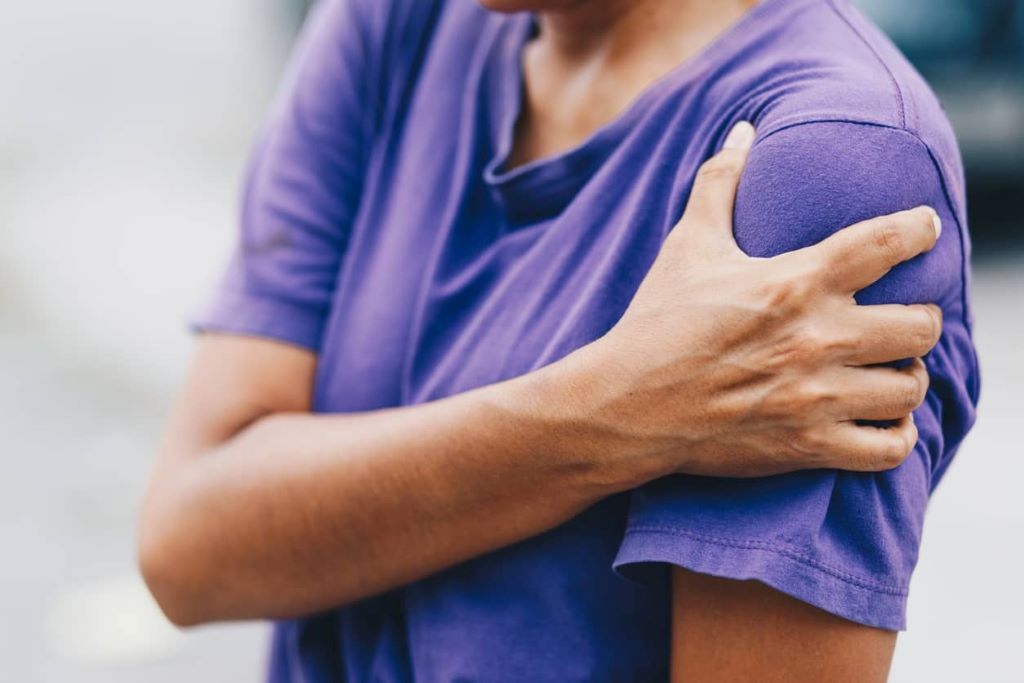
Left arm pain during anxiety occurs through several mechanisms. Muscle tension spreads from the chest to the shoulder and arm muscles. This tension can create sharp, shooting pains or dull aches. The pain may be brief or persistent, depending on how long the anxiety episode lasts.
Nerve sensitivity increases during anxious states. The body becomes hyperaware of normal sensations. Minor muscle twitches or nerve impulses that would normally go unnoticed become amplified. This heightened sensitivity can make normal sensations feel like pain.
Moreover, anxiety can cause referred pain. This means pain originating in one area is felt in another. Chest muscle tension can refer pain to the left arm, shoulder, or back. This phenomenon explains why many anxiety sufferers experience pain in multiple areas simultaneously.
Distinguishing Anxiety Pain from Medical Emergencies
Learning to differentiate anxiety-related pain from serious medical conditions is essential. However, when in doubt, always seek medical attention. Heart attacks and other serious conditions require immediate treatment.
Anxiety-related chest and arm pain typically has certain characteristics. The pain often coincides with other anxiety symptoms like racing thoughts, sweating, or feeling overwhelmed. It may come and go quickly or fluctuate in intensity. Physical movement or position changes might temporarily relieve the discomfort.
Conversely, heart attack pain usually presents differently. According to the American Heart Association, heart attack symptoms often include crushing chest pressure, pain radiating to the jaw or back, nausea, and shortness of breath. These symptoms typically persist and worsen over time rather than fluctuating.
Nevertheless, some people experience atypical heart attack symptoms. Women, in particular, may have subtler signs. Therefore, anyone experiencing new or concerning chest or arm pain should consult a healthcare provider promptly.
Managing Anxiety-Related Physical Symptoms
Several strategies can help reduce anxiety-related chest and arm pain. Deep breathing exercises are particularly effective. Diaphragmatic breathing helps activate the parasympathetic nervous system. This activation counters the fight-or-flight response and promotes relaxation.
Progressive muscle relaxation techniques also provide relief. This practice involves systematically tensing and releasing different muscle groups. Start with the toes and work up to the head. This process helps identify areas of tension and promotes overall relaxation.
Additionally, regular exercise can reduce anxiety and its physical symptoms. Moderate aerobic activity releases endorphins, which are natural mood elevators. Exercise also helps process stress hormones more efficiently, reducing their impact on the body.
Lifestyle Changes for Long-Term Relief
Creating healthy lifestyle habits supports long-term anxiety management. Consistent sleep schedules help regulate stress hormones. Most adults need seven to nine hours of quality sleep each night. Poor sleep quality can worsen anxiety symptoms and increase physical discomfort.
Nutrition also plays a vital role in anxiety management. Limiting caffeine intake can reduce anxiety symptoms. Caffeine is a stimulant that can trigger or worsen anxiety episodes. Similarly, reducing alcohol consumption helps stabilize mood and improve sleep quality.
Furthermore, stress management techniques are crucial for long-term success. Meditation, yoga, or mindfulness practices can significantly reduce anxiety levels. These practices teach the mind to respond differently to stressful situations, breaking the cycle of anxiety and physical symptoms.
When to Seek Professional Help
Professional help becomes necessary when anxiety significantly impacts daily life. If chest or arm pain occurs frequently, medical evaluation is important. Healthcare providers can rule out physical causes and provide appropriate treatment recommendations.
Mental health professionals offer specialized anxiety treatment. Cognitive-behavioral therapy is particularly effective for anxiety disorders. This therapy helps identify and change thought patterns that contribute to anxiety and physical symptoms.
In some cases, medication may be helpful. Anti-anxiety medications or antidepressants can reduce symptom severity. However, medication works best when combined with therapy and lifestyle changes rather than used alone.
Conclusion
Anxiety can indeed cause real physical symptoms, including chest and left arm pain. Understanding this connection helps people recognize when their symptoms might be anxiety-related rather than signs of a medical emergency. The fight-or-flight response, muscle tension, and altered breathing patterns all contribute to these uncomfortable sensations.
However, distinguishing between anxiety symptoms and serious medical conditions requires careful attention. When in doubt, seeking medical evaluation provides peace of mind and ensures proper care. With appropriate management strategies, including breathing techniques, lifestyle changes, and professional support when needed, people can effectively reduce anxiety-related physical symptoms and improve their overall quality of life.
Frequently Asked Questions
Can anxiety really cause physical pain in the chest and left arm? Yes, anxiety can cause real physical pain in the chest and left arm through muscle tension, altered breathing patterns, and the body’s stress response. These symptoms are genuine physical sensations, not imagined.
How can I tell if my chest pain is from anxiety or something more serious? Anxiety-related chest pain often fluctuates, coincides with other anxiety symptoms, and may improve with relaxation techniques. However, persistent, crushing chest pain, especially with nausea or jaw pain, requires immediate medical attention.
What should I do when I experience anxiety-related arm pain? Try deep breathing exercises, progressive muscle relaxation, or gentle stretching. If symptoms persist or worsen, consult a healthcare provider to rule out other causes and discuss anxiety management strategies.
How long does anxiety-related chest and arm pain typically last? The duration varies depending on the individual and the severity of the anxiety episode. Pain may last minutes to hours, but typically subsides as anxiety levels decrease and relaxation techniques are applied.
Can lifestyle changes really help reduce anxiety-related physical symptoms? Yes, lifestyle modifications like regular exercise, adequate sleep, stress management, and limiting caffeine can significantly reduce both anxiety levels and associated physical symptoms over time.
Read More:
How to Remove Fear From Mind and Heart: Understanding and Overcoming the Grip of Anxiety
How to Get 200g of Protein a Day: A Guide to Fueling Your Body