


A vibrant and thriving aquarium is a testament to the delicate balance of its ecosystem. Central to maintaining this equilibrium are aquarium filters, often overlooked but indispensable components. They serve as the ‘lifeblood’ of your underwater world, diligently working to purify the water, remove harmful toxins, and foster a healthy environment for your aquatic inhabitants. Alongside these filters, incorporating plants like pothos in aquarium can further enhance water quality by naturally absorbing nitrates, contributing to the overall well-being of your aquatic ecosystem.
The Importance of Filtration
In the wild, natural bodies of water possess self-cleaning mechanisms that help maintain water quality. In an enclosed aquarium, however, these processes are absent. Fish waste, uneaten food, decaying plant matter, and other organic debris accumulate, leading to the buildup of harmful substances like ammonia and nitrites. These toxins can severely stress your fish, compromise their immune system, and even prove fatal.
Aquarium filters step in to replicate the natural purification processes, ensuring that the water remains clean and healthy. They work tirelessly to remove debris, break down harmful chemicals, and create a hospitable environment for your aquatic pets.
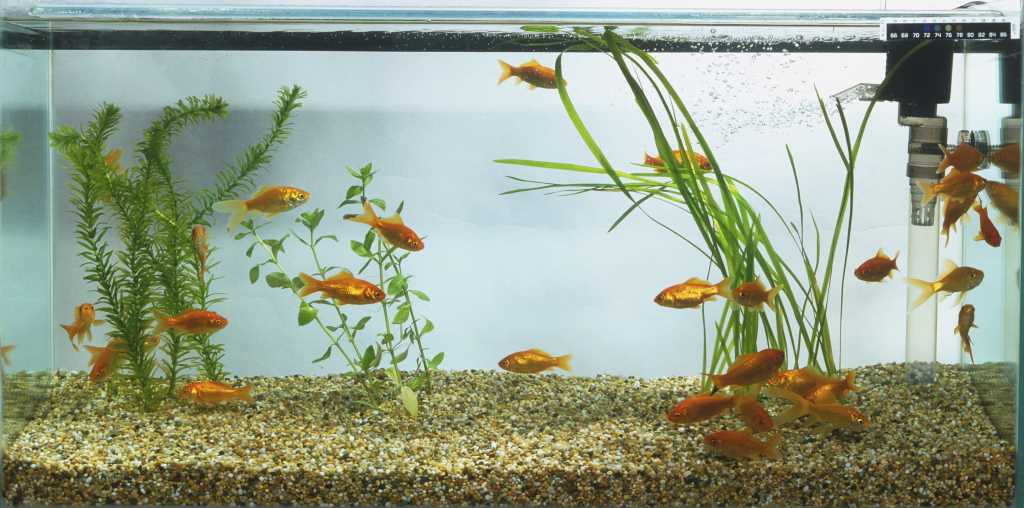
Types of Aquarium Filters
Aquarium filters come in various types, each with its own set of advantages and best suited for different aquarium setups.
- Mechanical Filters: These are the simplest type of filters, designed to remove physical debris from the water. They use filter media like sponges or filter floss to trap particles, preventing them from circulating and clouding the water.
- Biological Filters: These filters house beneficial bacteria that break down harmful chemicals like ammonia and nitrites into less toxic substances. They are essential for maintaining a healthy nitrogen cycle in your aquarium.
- Chemical Filters: These filters use activated carbon or other adsorbent media to remove dissolved organic compounds, toxins, and discoloration from the water. They help improve water clarity and eliminate unpleasant odors.
- Power Filters: These versatile filters combine mechanical, biological, and sometimes chemical filtration in a single unit. They are popular due to their ease of use and effectiveness in various aquarium sizes.
- Canister Filters: These filters are housed externally and offer high filtration capacity and flexibility. They are ideal for larger aquariums or setups with high bio-loads.
- Undergravel Filters: These filters use the gravel bed as a filter medium, promoting biological filtration. While they were popular in the past, they require regular maintenance and are less common today. Let’s start Designing a Hip Roof.
Choosing the Right Filter
Selecting the right filter for your aquarium depends on several factors, including:
- Aquarium Size: The filter’s capacity should match the volume of your aquarium. A filter that is too small will be overwhelmed, while an oversized filter can create excessive water flow.
- Fish Stocking: The type and number of fish you plan to keep will influence the bio-load and the filtration requirements.
- Aquarium Type: The type of aquarium, such as freshwater or saltwater, will also dictate the filter type. Saltwater aquariums typically require more robust filtration.
- Budget: Filters come in a wide range of prices. Consider your budget while ensuring that you choose a filter that adequately meets your aquarium’s needs.
Maintaining Your Filter
Regular filter maintenance is crucial to ensure its optimal performance and longevity.
- Cleaning: The frequency of cleaning depends on the filter type and the bio-load. Mechanical filter media should be rinsed regularly to prevent clogging. Biological filter media should be cleaned gently to avoid disrupting the beneficial bacteria colonies.
- Replacement: Filter media, especially mechanical and chemical media, need to be replaced periodically. Follow the manufacturer’s recommendations for replacement intervals.
- Water Changes: Regular water changes are essential to remove dissolved organic compounds and replenish trace elements. Aim for 25-50% water changes every week or two, depending on your aquarium’s bio-load.
Beyond Filtration: Additional Considerations
While filters play a vital role in maintaining water quality, they are not the sole solution. Other factors contribute to a healthy aquarium ecosystem:
- Water Parameters: Regularly test your water parameters, such as pH, ammonia, nitrite, and nitrate levels. Maintain these parameters within the optimal range for your fish species.
- Aquarium Maintenance: Regular aquarium maintenance, such as removing uneaten food and decaying plant matter, helps reduce the bio-load and prevent water quality issues.
- Live Plants: Live plants not only enhance the aesthetics of your aquarium but also play a role in water purification. They absorb nutrients and release oxygen, contributing to a healthy environment.
- Proper Feeding: Avoid overfeeding your fish, as excess food can lead to increased waste production and water quality problems.
Conclusion
Aquarium filters are the unsung heroes of your underwater world, working diligently to maintain a clean and healthy environment for your aquatic inhabitants. Choosing the right filter, maintaining it regularly, and complementing its function with other good aquarium practices are key to creating a thriving and vibrant ecosystem. Remember, a well-maintained filter is not just an accessory but the ‘lifeblood’ of your aquarium, ensuring the well-being and longevity of your aquatic pets.