

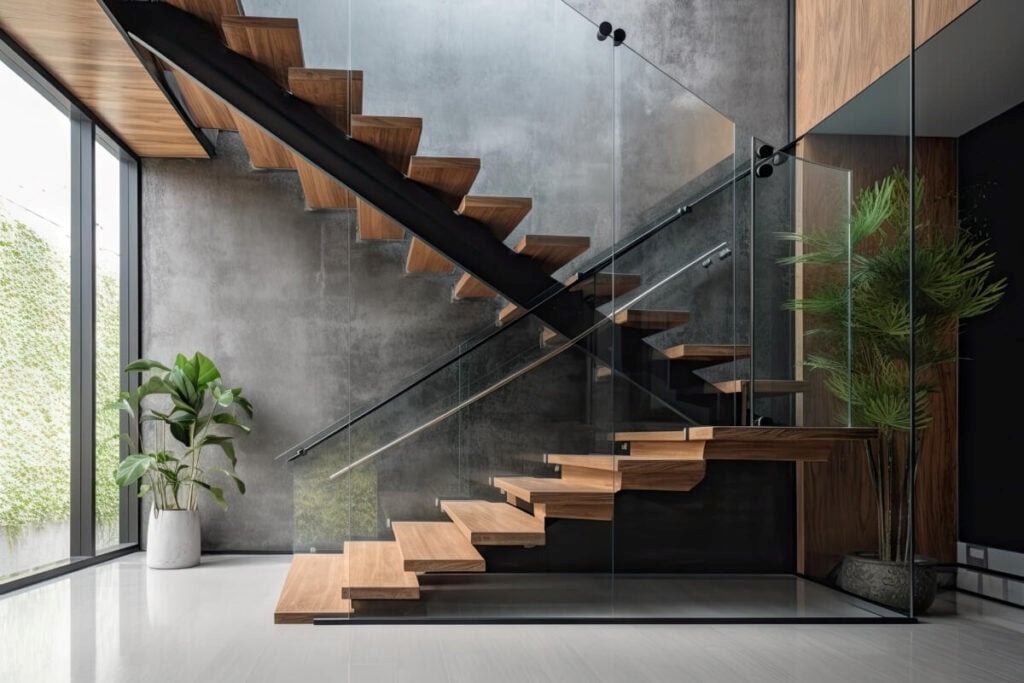
Basement staircases often receive less attention in home design, yet they play a pivotal role in both aesthetics and safety. A well-designed staircase can transform your basement into an inviting extension of your living space. Conversely, outdated or unsafe stairs can pose hazards and detract from your home’s overall appeal. This article delves into innovative design ideas and essential safety upgrades for remodeling your basement staircase, ensuring a harmonious blend of style and security.
Understanding the Importance of Basement Staircase Design
The basement staircase serves as the primary conduit between your main living area and the basement. Its design influences not only the visual flow of your home but also the functionality and safety of the space. A thoughtfully remodeled staircase can enhance property value, improve accessibility, and reflect personal style. Neglecting this area, however, can lead to accidents and diminish the overall aesthetic of your home.
Innovative Design Ideas for Basement Staircases
- Open Riser Stairs: Opting for open riser stairs can create a sense of openness and modernity. This design allows light to flow through, making the basement feel more connected to the rest of the house. However, it’s essential to ensure that the gaps between risers are within safety regulations to prevent accidents.
- Floating Staircases: Floating staircases, characterized by treads attached directly to the wall without visible supports, offer a sleek and contemporary look. This minimalist design can make the space appear larger and more open. Incorporating materials like wood or glass can add warmth or an industrial edge, depending on your preference.
- Under-Stair Storage: Maximizing space by integrating storage solutions beneath the staircase is both practical and stylish. Custom-built shelves, drawers, or even a small reading nook can utilize this often-overlooked area, adding functionality without sacrificing design.
- Accent Lighting: Installing LED strip lights along the stair treads or beneath the handrail can enhance safety and add a dramatic flair. This subtle lighting not only illuminates the path but also creates a cozy ambiance, making the basement more inviting.
- Material Choices: The materials you choose significantly impact the staircase’s aesthetic and durability. Hardwood treads offer timeless elegance, while metal railings can introduce a modern touch. Combining materials, such as wood and glass, can result in a balanced and unique design.

Safety Upgrades for Basement Staircases
- Sturdy Handrails: Ensuring that handrails are robust and securely anchored is crucial for preventing falls. According to safety guidelines, handrails should be continuous and easy to grip, extending the full length of the staircase.
- Non-Slip Treads: Installing non-slip treads or applying anti-slip coatings can significantly reduce the risk of slipping, especially in homes with children or elderly occupants. Materials like rubber or textured vinyl are excellent choices for enhancing traction.
- Adequate Lighting: Proper illumination is vital for staircase safety. Installing overhead lights or wall sconces ensures that each step is clearly visible, reducing the likelihood of missteps. Motion-sensor lights can be an energy-efficient and convenient option.
- Uniform Step Dimensions: Consistency in the height and depth of each step is essential to prevent trips and falls. Ensuring that all risers and treads are uniform complies with building codes and enhances user confidence when navigating the stairs.
- Clear Headroom: Adequate headroom prevents injuries from accidental bumps. Building codes typically require a minimum headroom clearance, so it’s essential to design the staircase accordingly, especially in basements with low ceilings.
Professional Tips for a Successful Remodel
- Consult a Structural Engineer: Before making significant changes, consult a structural engineer to ensure that the proposed design maintains the home’s structural integrity. This step is crucial, especially when altering load-bearing elements.
- Adhere to Local Building Codes: Familiarize yourself with local building codes and regulations to ensure compliance. This includes specifications on handrail height, tread dimensions, and headroom clearance.
- Prioritize Functionality: While aesthetics are important, functionality should be at the forefront of your design. Consider who will be using the staircase and tailor the design to meet those needs, ensuring ease of use and safety.
- Budget Accordingly: Allocate a realistic budget that accounts for materials, labor, and unforeseen expenses. Investing in quality materials and skilled labor can prevent costly repairs in the future and ensure a durable outcome.
Real-Life Examples of Basement Staircase Transformations
- Modern Minimalism: A homeowner transformed their outdated basement stairs into a modern masterpiece by installing floating wooden treads with sleek metal railings. The addition of under-stair LED lighting created an inviting pathway to the renovated basement.
- Rustic Charm: In a bid to add character, a family revamped their basement staircase using reclaimed wood for the treads and risers. The incorporation of wrought iron balusters complemented the rustic theme, creating a cohesive look throughout the home.
- Space-Saving Spiral: For a compact basement, a spiral staircase was installed to maximize usable space. The design featured metal steps with wooden accents, blending functionality with aesthetic appeal.
Featured Snippet:
What are the best basement staircase remodel ideas and safety upgrades?
Remodeling a basement staircase can enhance both style and safety. Popular design ideas include floating staircases, open risers, and under-stair storage to optimize space. Materials like hardwood, glass, and metal offer modern aesthetics, while LED lighting and non-slip treads ensure better safety. Upgrades such as sturdy handrails, uniform step dimensions, and motion-sensor lighting can prevent falls. Homeowners should always adhere to local building codes and consider professional guidance for structural changes.
Must-Visit Locations for Staircase Materials and Inspiration
Finding the right materials and inspiration can make a difference in your basement staircase remodel. Here are some must-visit places:
- Local Home Improvement Stores (Lowe’s, Home Depot, Menards): These stores offer a variety of stair treads, railings, and finishing materials at different price points. You can also seek expert advice from in-store specialists.
- Specialty Staircase Retailers: Companies like StairSupplies and Viewrail provide custom staircase components, including modern floating stair systems and glass railings.
- Architectural Salvage Yards: If you’re looking for reclaimed wood or vintage iron railings, salvage yards can provide unique, eco-friendly options.
- Interior Design Showrooms: Visiting showrooms that feature modern and classic staircase designs can help visualize how certain styles will look in your home.
- Online Marketplaces (Houzz, Wayfair, Etsy): You can browse thousands of staircase components, from decorative newel posts to handcrafted balusters.
Pros and Cons of a Basement Staircase Remodel
Before committing to a remodel, consider the advantages and challenges associated with upgrading your basement stairs.
Pros:
- ✔ Enhanced Safety – Upgraded staircases with non-slip surfaces, proper lighting, and sturdy handrails reduce accident risks.
- ✔ Increased Home Value – Well-designed staircases add architectural appeal and can increase property value by up to 10%.
- ✔ Improved Aesthetic Appeal – A modernized staircase can make your basement feel like a natural extension of your home.
- ✔ Better Functionality – Incorporating storage, improved step dimensions, and ergonomic design makes your basement more accessible.
- ✔ Personalized Style – Choosing custom materials and finishes allows homeowners to create a look that matches their preferences.
Cons:
- ✖ Costly Upgrades – A staircase remodel can range from $1,500 for simple updates to over $10,000 for a complete overhaul.
- ✖ Time-Consuming Process – Remodeling can take anywhere from a few days to a few weeks, depending on complexity.
- ✖ Permit and Code Compliance – Some remodels require permits and must meet local building codes, adding time and cost to the project.
- ✖ Space Constraints – Not all basements have room for an expanded or elaborate staircase design.
Frequently Asked Questions (FAQs)
-
How much does it cost to remodel a basement staircase?
The cost varies based on materials and labor. A basic refresh with paint and new handrails costs around $1,500. A complete rebuild with custom materials can exceed $10,000.
-
How do I make my basement staircase safer?
Install non-slip treads, ensure adequate lighting, use sturdy handrails, and maintain uniform step dimensions. Motion-sensor lighting can improve visibility.
-
Do I need a permit to remodel my basement stairs?
In many areas, major renovations require a permit, especially if structural changes are involved. Always check local building codes.
-
What are the best materials for basement stairs?
Hardwood, metal, and concrete are durable choices. If moisture is a concern, engineered wood or composite materials work well.
-
Can I DIY my basement staircase remodel?
Simple updates like painting, adding a runner, or installing LED lights can be DIY-friendly. However, major structural changes require professional expertise.
This guide ensures your basement staircase remodel is both visually appealing and structurally sound. Whether you’re going for a minimalist look or a grand statement piece, these design ideas and safety upgrades will help you achieve a successful transformation.
Read More: What is the Best Central Vacuum?