


Selecting a microwave that combines style, functionality, and longevity can feel overwhelming with so many options available. Stainless steel countertop microwaves have become increasingly popular in homes across the country, offering both aesthetic appeal and practical benefits. However, not all models are created equal when it comes to durability and performance.
Understanding what separates a microwave that lasts a decade from one that fails after a few years can save you money and frustration. This comprehensive guide will walk you through everything you need to know about choosing a stainless steel countertop microwave that stands the test of time. You’ll learn about construction quality, essential features, and smart buying strategies that ensure your investment pays off.
Understanding Stainless Steel Quality and Construction
The first step in choosing a long-lasting microwave involves understanding the quality of stainless steel used in its construction. Not all stainless steel is the same, and manufacturers use different grades and thicknesses to meet various price points.
True stainless steel exteriors resist fingerprints, scratches, and corrosion better than coated alternatives. Some manufacturers use a thin stainless steel coating over plastic or cheaper metals. While these options cost less initially, they tend to chip, peel, or discolor over time. Look for microwaves with solid stainless steel doors and control panels for maximum durability.
The gauge of stainless steel matters significantly. Thicker materials withstand daily wear better and maintain their appearance longer. However, you won’t always find gauge specifications in product descriptions. Instead, pay attention to overall build quality by reading reviews and, when possible, examining the unit in person.
Additionally, the interior cavity construction affects longevity just as much as the exterior. Stainless steel interiors are easier to clean and more resistant to staining than painted alternatives. They also tend to distribute heat more evenly, which can extend the life of internal components by preventing hot spots.
Evaluating Power and Performance Features
Power ratings directly impact both cooking performance and durability. Modern microwave design typically ranges from 700 to 1,200 watts for countertop models. Higher wattage means faster cooking, but it also places more demand on internal components.
A 1,000-watt microwave offers an excellent balance between performance and longevity for most households. This power level cooks food efficiently without overtaxing the magnetron, which is the component that generates microwaves. The magnetron is often the first part to fail in a microwave, and choosing appropriate wattage helps extend its life.
Inverter technology represents a significant advancement in microwave performance. Traditional microwaves cycle on and off to simulate lower power levels, which can stress components. Inverter models deliver consistent power at any setting, resulting in more even cooking and potentially longer component life.
Sensor cooking capabilities add convenience while protecting your investment. These sensors detect moisture and adjust cooking time automatically, preventing overheating that can damage both food and the microwave itself. Furthermore, this feature reduces the likelihood of user error that might otherwise shorten the appliance’s lifespan.
Multi-stage cooking programs let you combine different power levels and times in a single operation. This feature not only improves cooking results but also demonstrates sophisticated electronics that typically indicate higher overall quality.
Examining Control Panel Design and Durability
The control panel serves as your primary interface with the microwave, making its durability crucial for long-term satisfaction. Several design approaches exist, each with distinct advantages and potential weaknesses.
Tactile buttons with physical feedback generally last longer than touch-sensitive panels. They’re less susceptible to moisture damage and continue functioning even if the surface gets scratched or worn. However, they can accumulate dirt in the crevices around each button.
Touch controls offer a sleek, modern appearance that’s easy to clean. They represent a key aspect of modern microwave design that many consumers find appealing. Nevertheless, they can become less responsive over time or fail completely if moisture seeps beneath the surface.
Dial controls provide excellent durability and intuitive operation. Many high-end microwaves combine dials with digital displays, offering both reliability and precision. This hybrid approach often proves more durable than purely touch-based systems.
Look for control panels with protective coatings that resist wear from repeated use. Clear labeling that won’t fade or rub off ensures you’ll still be able to operate the microwave years from now. Additionally, consider the layout’s logic and ease of use, as frustrating controls increase the likelihood of aggressive button pressing that accelerates wear.
Assessing Door Quality and Seal Integrity
The door is perhaps the most critical component for both safety and longevity. It experiences constant mechanical stress from opening and closing, making its construction quality paramount.
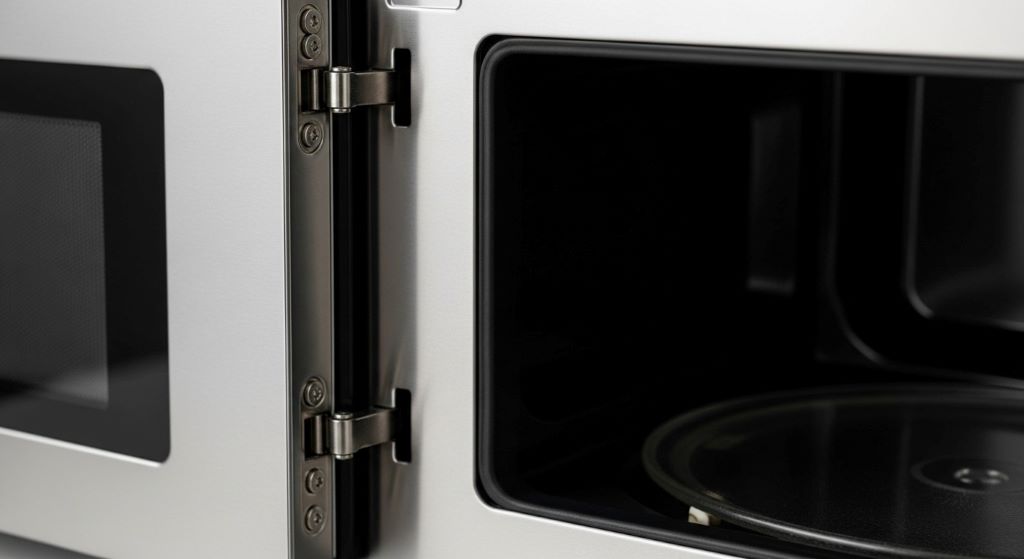
Examine the hinge mechanism carefully. Sturdy metal hinges outlast plastic alternatives by years. The door should open and close smoothly without wobbling or requiring excessive force. Any looseness or grinding sensation indicates poor construction that will worsen over time.
The door seal prevents microwave radiation from escaping and keeps heat inside where it belongs. A high-quality seal remains flexible and maintains consistent contact with the frame throughout the door’s perimeter. Over time, cheap seals become brittle and crack, compromising both safety and efficiency.
Look for doors with multiple latch points rather than a single catch. Multiple latches distribute stress more evenly and provide redundancy if one begins to wear. This design choice often distinguishes durable microwave ovens from budget models that prioritize cost over longevity.
Window quality matters for both visibility and safety. The glass should be thick and properly secured in the door frame. Mesh screens behind the glass prevent radiation leakage while allowing you to monitor cooking progress. Ensure this screen is firmly attached and shows no signs of damage.
Ventilation Systems and Heat Management
Proper heat management extends microwave life significantly. Internal components generate considerable heat during operation, and inadequate ventilation causes premature failure.
Side or rear vents allow hot air to escape, preventing heat buildup that damages electronic components. Check that vents aren’t blocked when the microwave is positioned on your counter. Leave several inches of clearance around all vented areas for optimal airflow.
Some models include built-in fans that actively cool internal components. These fans are particularly important in higher-wattage units that generate more heat. Listen for fan operation during and after cooking, as this indicates the cooling system is functioning properly.
Thermal cutoff switches serve as safety features that shut down the microwave if it overheats. While you hope never to need this protection, its presence indicates the manufacturer prioritized component longevity. Quality models include multiple thermal sensors in different locations.
The turntable motor and its mounting system also generate heat. Well-designed microwaves isolate this motor from other components and provide dedicated cooling. This attention to detail in heat management distinguishes models built to last from those designed for minimal production costs.
Size, Capacity, and Space Considerations
Choosing the right size affects both functionality and longevity. A microwave that’s too small for your needs will be overworked, while one that’s too large wastes energy and counter space.
Capacity measurements in cubic feet tell you interior volume. Most households find 0.9 to 1.2 cubic feet adequate for daily use. Larger families or those who frequently cook for groups might prefer 1.5 to 2.0 cubic feet. However, remember that larger cavities require more power to heat effectively.
External dimensions determine how the microwave fits on your counter. Measure your available space carefully, accounting for the clearance needed around vents. Also consider the swing radius of the door to ensure it won’t hit walls or adjacent appliances when opened.
Turntable diameter affects what you can cook effectively. A larger turntable accommodates bigger dishes and promotes more even heating. Some models offer removable turntables or rectangular cavities that maximize usable space. These features can reduce the need to run multiple cooking cycles, extending component life.
Weight often correlates with build quality. Heavier microwaves typically use more substantial materials and components. While this isn’t an absolute rule, extremely lightweight units should raise questions about construction quality and durability.
Energy Efficiency and Operating Costs
Energy efficiency impacts both your utility bills and the microwave’s longevity. More efficient models convert more electricity into microwave energy rather than wasting it as heat.
Look for Energy Star certification, which indicates the microwave meets strict efficiency standards. These models use less power in standby mode and convert energy more effectively during operation. Lower energy consumption means less heat generation, which can extend component life.
Standby power consumption varies dramatically between models. Some microwaves draw significant power even when not in use, just to maintain clock displays and ready states. Models with eco modes or the ability to turn off displays completely save energy and reduce unnecessary component wear.
Cooking efficiency relates to how quickly and evenly the microwave heats food. More efficient heating means shorter cooking times, which reduces total operating hours over the appliance’s lifetime. This efficiency can significantly extend the magnetron’s functional life.
Consider the true cost of ownership beyond the purchase price. A slightly more expensive, energy-efficient model that lasts longer provides better value than a cheap unit requiring replacement every few years. Factor in energy savings over the expected lifespan when comparing options.
Brand Reputation and Warranty Coverage
Manufacturer reputation offers valuable insights into likely product longevity. Some brands have earned reputations for building durable microwave ovens that operate reliably for a decade or more.
Research customer reviews focusing on long-term ownership experiences. Look for patterns in feedback about specific models. Pay particular attention to reviews from people who’ve owned the microwave for several years, as they provide the most relevant durability information.
Professional ratings from independent testing organizations offer objective assessments of performance and reliability. These organizations test numerous units and track failure rates, providing data-driven insights into which models truly last longer.
Warranty length and coverage indicate manufacturer confidence in their product. Standard warranties typically cover one year, but extended warranties or specific component guarantees suggest better construction. Read warranty terms carefully to understand what’s covered and what conditions might void coverage.
Customer service quality becomes crucial if you experience problems. Brands with responsive support teams and readily available replacement parts make repairs more practical. Companies that have abandoned old models or provide poor service essentially guarantee you’ll need to replace rather than repair a failing microwave.
Smart Features and Future-Proofing
Technology continues advancing rapidly, and kitchen appliance trends increasingly include smart connectivity and automation. However, complexity can compromise reliability if not implemented well.
Voice control and smartphone connectivity add convenience for some users. These features work through WiFi or Bluetooth connections that introduce additional potential failure points. Consider whether these capabilities justify their added complexity and cost.
Preset cooking programs range from basic to elaborate. Simple, well-designed programs add value without unnecessary complication. Overly complex systems with dozens of rarely used settings often indicate feature bloat that adds cost without improving durability.
Display clarity and information density affect long-term usability. Clear, easy-to-read displays remain functional even as your eyesight changes over the years. Busy displays with tiny icons and multiple simultaneous readouts can become frustrating over time.
Software updates capability matters for smart microwaves. Models that receive regular updates maintain compatibility with evolving smart home systems. However, verify that updates don’t require manufacturer support that might be discontinued after a few years.
Consider your actual usage patterns honestly. Features you’ll never use don’t add value and potentially create more things that can break. Focus on capabilities that genuinely improve your cooking experience rather than impressive-sounding options that go unused.
Installation and Maintenance Best Practices
Proper installation and regular maintenance significantly extend microwave life. Even the most durable unit will fail prematurely without appropriate care.
Position the microwave on a stable, level surface away from heat sources. Ensure adequate clearance around vents as specified in the manual. Avoid placing it near the sink or stove where moisture and heat might accelerate component wear.
Regular cleaning prevents buildup that can damage components or create fire hazards. Wipe spills immediately, as dried food requires more aggressive cleaning that might damage interior surfaces. Use appropriate cleaners that won’t corrode stainless steel or damage seals.
Check the door seal periodically for signs of wear or damage. Clean the seal gently to remove food particles that might prevent proper closure. Replace damaged seals promptly to maintain efficiency and safety.
Avoid running the microwave empty, as this can damage the magnetron. Always ensure food or a microwave-safe container with water is inside before operating. This simple precaution prevents one of the most common causes of premature failure.
Schedule professional inspections if you notice unusual sounds, smells, or performance changes. Early intervention often prevents minor issues from becoming major failures. Many appliance service providers offer maintenance packages that can extend your microwave’s functional life.
Recognizing Quality in Modern Microwave Design
Modern microwave design encompasses both aesthetics and functionality. Understanding current trends helps you identify models that balance style with substance.
Minimalist control panels with essential functions clearly labeled represent thoughtful design. This approach prioritizes usability and typically indicates attention to overall quality. Conversely, cluttered panels packed with obscure icons often suggest rushed design that prioritizes features over user experience.
Seamless integration of the door with the body creates a sleek appearance while potentially improving seal integrity. Flush-mounted handles or push-button releases eliminate protruding parts that can break or catch on items.
Interior lighting quality affects daily usability. Bright, evenly distributed light lets you monitor cooking progress without opening the door. LED lighting lasts longer than traditional bulbs and generates less heat.
Sound dampening materials reduce operational noise, indicating higher build quality. Quieter operation results from better insulation and more precisely manufactured components. This attention to detail often correlates with longer overall lifespan.
Thoughtful details like easy-grip door handles, child safety locks, and intuitive control layouts demonstrate user-focused design philosophy. Companies that invest in these refinements typically maintain higher quality standards throughout the manufacturing process.
Making the Final Decision
After considering all these factors, narrowing down your options becomes more manageable. Create a shortlist of models that meet your requirements and compare them systematically.
Visit stores to examine potential choices in person when possible. Photos don’t capture build quality the way hands-on inspection does. Open and close doors, press buttons, and assess overall construction quality.
Compare specifications side by side, focusing on features that matter most for your situation. Don’t be swayed by marketing hype around features you won’t use. Instead, prioritize elements that contribute to durability and everyday functionality.
Read recent reviews from multiple sources to get a balanced perspective. Look for consistency in feedback about specific strengths or weaknesses. Be skeptical of reviews that seem either extremely positive or unreasonably negative.
Consider the total cost of ownership, including energy consumption, likely repair costs, and expected lifespan. Sometimes paying more upfront saves money over time through better efficiency and longer service life.
Trust your instincts after gathering information. If something feels cheaply made despite acceptable specifications, that impression probably has merit. Quality often reveals itself in subtle ways that specifications don’t capture.
Conclusion
Choosing a stainless steel countertop microwave that lasts longer requires evaluating multiple factors beyond simple appearance and price. Focus on construction quality, particularly the grade of stainless steel used in both exterior and interior components. Modern microwave design increasingly emphasizes both aesthetics and functionality, but durability should remain your primary concern.
Pay attention to power ratings, control panel construction, and door quality, as these elements directly impact longevity. Proper ventilation and heat management separate durable microwave ovens from those prone to early failure. Additionally, brand reputation and warranty coverage provide valuable insights into likely product lifespan.
Consider energy efficiency and the presence of truly useful features while avoiding unnecessary complexity that creates additional failure points. Current kitchen appliance trends favor smart connectivity and advanced controls, but evaluate whether these additions align with your needs and usage patterns.
Remember that proper installation and regular maintenance significantly extend any microwave’s functional life. Even the highest-quality unit will underperform without appropriate care and positioning.
By systematically evaluating these factors and prioritizing durability over trendy features, you’ll select a stainless steel countertop microwave that serves your household reliably for many years. The investment in quality pays dividends through better performance, lower operating costs, and the satisfaction of owning an appliance that truly stands the test of time.
Frequently Asked Questions
How long should a quality stainless steel microwave last?
A well-made stainless steel microwave should last seven to ten years with proper care and regular use. Some high-quality models exceed this lifespan, lasting fifteen years or more. The magnetron, which generates microwaves, typically determines lifespan. Heavy use, improper maintenance, or power surges can shorten this expectancy. Investing in a quality unit with good reviews for longevity and following manufacturer maintenance guidelines maximizes your microwave’s useful life.
Is stainless steel interior better than painted for durability?
Yes, stainless steel interiors offer superior durability compared to painted alternatives. They resist staining, don’t chip or peel, and clean more easily. Stainless steel also distributes heat more evenly, which can extend component life. While painted interiors cost less, they tend to deteriorate over time, especially with frequent use. The stain resistance and easy maintenance of stainless steel interiors make them worth the additional investment for long-term satisfaction.
Do higher wattage microwaves wear out faster?
Not necessarily. Higher wattage microwaves cook food faster, potentially reducing total operating time over the appliance’s life. However, they generate more heat, which can stress components if ventilation is inadequate. A 1,000 to 1,100-watt microwave offers an excellent balance for most households. The quality of construction and cooling systems matters more than wattage alone. A well-designed high-wattage unit with proper ventilation can outlast a poorly made lower-wattage model.
Are touch controls less reliable than physical buttons?
Generally, yes. Physical buttons with tactile feedback tend to last longer than touch-sensitive controls. Touch panels can become less responsive over time and are more vulnerable to moisture damage. However, modern touch controls have improved significantly. The reliability difference depends on implementation quality. High-end touch panels with proper sealing can be quite durable. If you prioritize longevity, models with physical buttons or combination dial-and-button controls often prove more reliable long-term.
Should I buy an extended warranty for my microwave?
Extended warranties rarely provide good value for countertop microwaves. Most failures occur either within the standard warranty period or after the extended warranty expires. Instead of purchasing an extended warranty, invest that money in a higher-quality model from a reputable brand. Good construction and proper maintenance provide better protection than extended warranty coverage. However, if you find an exceptional deal on an extended warranty that costs very little, it might provide peace of mind.
Related Topics:
Kitchen Sponge Alternative That Doesn’t Smell
How to Clean a Deep Fryer with Oil Filtration the Right Way