

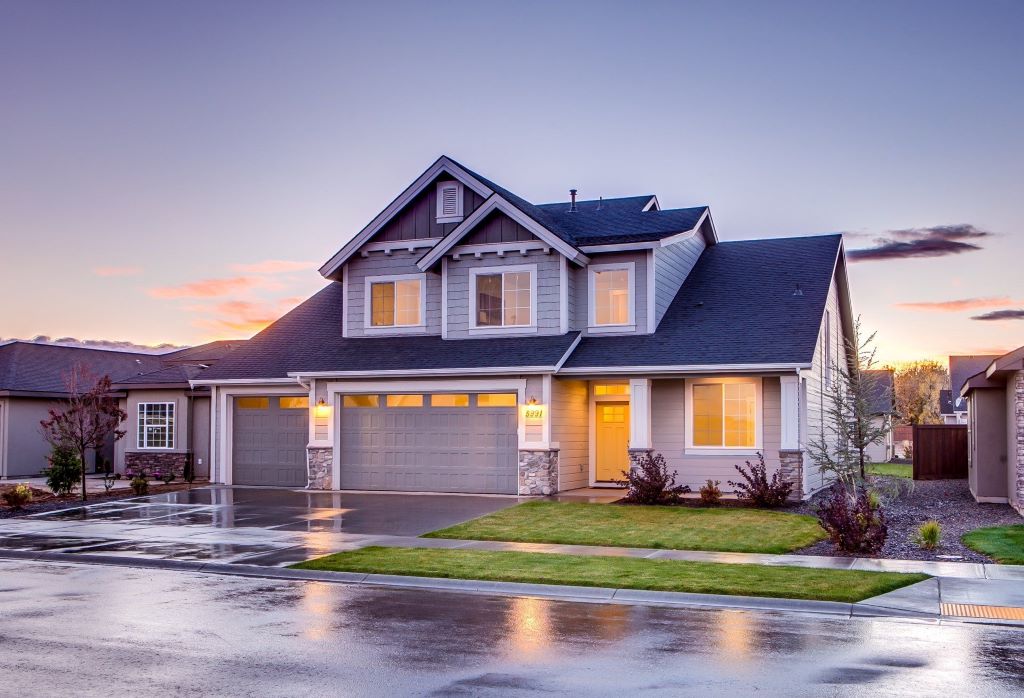
When considering home improvements, one major project often debated is roof replacement. This undertaking not only impacts the structural integrity of a home but also its aesthetic appeal and market value. Understanding whether replacing a roof is a sound investment requires a comprehensive examination of various factors, including costs, benefits, potential returns, and alternative options.
Understanding the Costs Involved
The financial commitment of replacing a roof varies based on materials, labor, and regional pricing. In the United States, the average cost of a roof replacement is approximately $11,500, with most homeowners spending between $6,700 and $80,000, depending on the materials and complexity of the installation. For instance, asphalt shingles, a common choice, are generally more affordable than metal or slate roofing options. However, while premium materials entail higher upfront costs, they often offer extended durability and lifespan.
Evaluating Return on Investment (ROI)
Investing in a new roof can significantly enhance a property’s value. According to the Remodeling 2019 Cost vs. Value Report, a new roof delivers a greater return than the initial investment, indicating that homeowners can recoup more than they spend on the replacement. This substantial ROI underscores the financial viability of roof replacement, especially when aiming to increase a home’s marketability.
Enhancing Curb Appeal and Marketability
A new roof can dramatically improve a home’s curb appeal, making it more attractive to potential buyers. An aesthetically pleasing and structurally sound roof serves as a key selling point, often leading to quicker sales and potentially higher offers. In fact, 18% of sellers reported replacing or repairing their roof before selling, highlighting its importance in the real estate market.
Energy Efficiency and Cost Savings
Modern roofing materials offer improved energy efficiency, leading to reduced heating and cooling costs. For example, cool roofs, designed to reflect more sunlight and absorb less heat, can reduce energy usage by 16.6%. This enhancement not only benefits the environment but also results in significant savings on energy bills over time.
Assessing the Condition and Age of the Existing Roof
The decision to replace a roof heavily depends on its current condition and age. Roofs nearing the end of their lifespan or exhibiting extensive damage may necessitate replacement to prevent further issues. Conversely, newer roofs with minor damages might only require repairs. It’s crucial to evaluate factors such as leaks, shingle deterioration, and structural integrity when considering replacement.
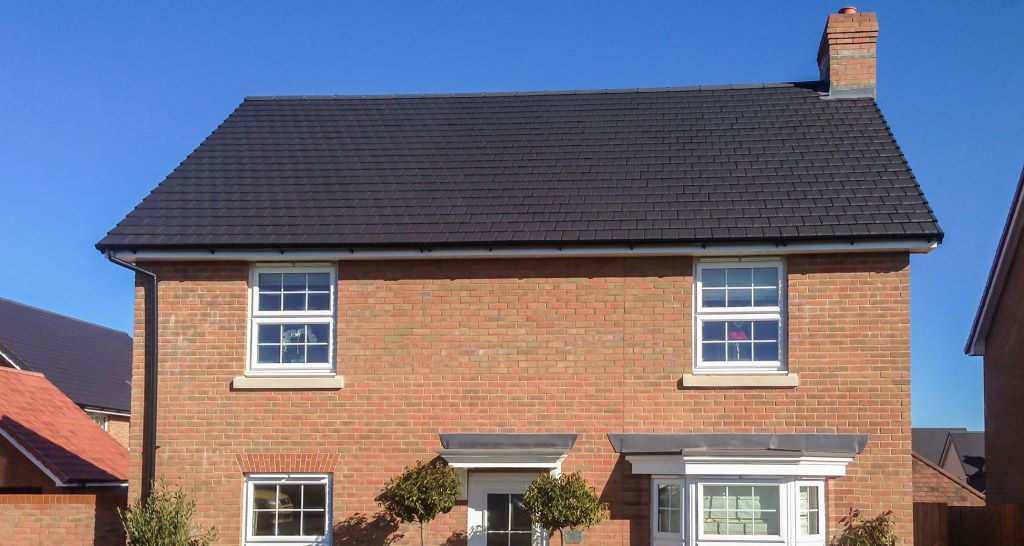
Pros and Cons of Roof Replacement
Pros:
- Long-Term Solution: A new roof provides a durable solution, often lasting between 20 to 50 years, depending on the materials used.
- Enhanced Aesthetics: Replacing a roof can significantly boost a home’s visual appeal, contributing to increased property value.
- Improved Energy Efficiency: Modern roofing technologies can lead to better insulation and lower energy costs.
Cons:
- High Initial Cost: Roof replacement is a substantial financial investment, which may not be immediately feasible for all homeowners.
- Disruption: The replacement process can be disruptive, potentially interfering with daily routines and requiring temporary relocation.
Alternative Options: Roof Repair vs. Replacement
In some cases, repairing the existing roof may be a viable alternative to full replacement. Repairs are generally more cost-effective and less disruptive. However, they may not address underlying issues or provide the same long-term benefits as a complete replacement. The decision between repair and replacement should consider factors such as the extent of damage, roof age, and future maintenance costs.
Professional Insights and Recommendations
Industry experts emphasize the importance of timely roof replacement to maintain property value and prevent further damage. Delaying necessary replacement can lead to more significant issues, such as structural damage and increased repair costs. Therefore, consulting with professional roofing contractors for a thorough inspection and personalized advice is highly recommended.
Featured Snippet:
Q: How does a new roof impact home resale value?
A new roof can significantly boost a home’s resale value. According to the Remodeling 2019 Cost vs. Value Report, homeowners can recoup more than their initial investment in a new roof, indicating a substantial return on investment. Additionally, a new roof enhances curb appeal, making the property more attractive to potential buyers and potentially leading to quicker sales and higher offers.
Expert Tips:
- Choose Quality Materials: Investing in high-quality roofing materials can extend the lifespan of your roof and provide better protection against environmental factors.
- Regular Maintenance: Routine inspections and maintenance can prevent minor issues from escalating, preserving your roof’s integrity and delaying the need for replacement.
- Consider Energy Efficiency: Opt for roofing materials with energy-efficient properties to reduce utility bills and increase your home’s overall efficiency.
Frequently Asked Questions (FAQs)
-
How often should a roof be replaced?
The lifespan of a roof depends on the materials used. Asphalt shingles last 20-30 years, metal roofs up to 50 years, and slate roofs over 100 years. Regular inspections and maintenance can extend a roof’s lifespan.
-
What signs indicate that a roof needs replacement?
Common signs include curling or missing shingles, frequent leaks, water stains on ceilings, sagging roof decks, and increased energy bills due to poor insulation.
-
Can a new roof reduce homeowners’ insurance premiums?
Yes, some insurance companies offer discounts for new, durable, and weather-resistant roofs, as they lower the risk of damage claims.
-
Is it better to repair or replace a roof?
If the roof has minor damage and is relatively new, repairs might be sufficient. However, if it’s over 20 years old and has significant wear, replacement is a better long-term solution.
-
How long does a roof replacement take?
Most residential roof replacements take 1-3 days, depending on size, material, and weather conditions.
Final Verdict: Is Replacing a Roof a Good Investment?
A roof replacement is a substantial investment but one that offers long-term benefits. It enhances home value, improves energy efficiency, increases curb appeal, and protects against costly future damages. While the upfront cost may seem daunting, the potential return on investment and increased marketability make it a wise decision for homeowners planning to sell or stay long-term.
Those considering roof replacement should assess their home’s condition, consult professionals, and explore financing options to make the best choice.
Read More: Designing a Hip Roof: A Comprehensive Guide for Architects