

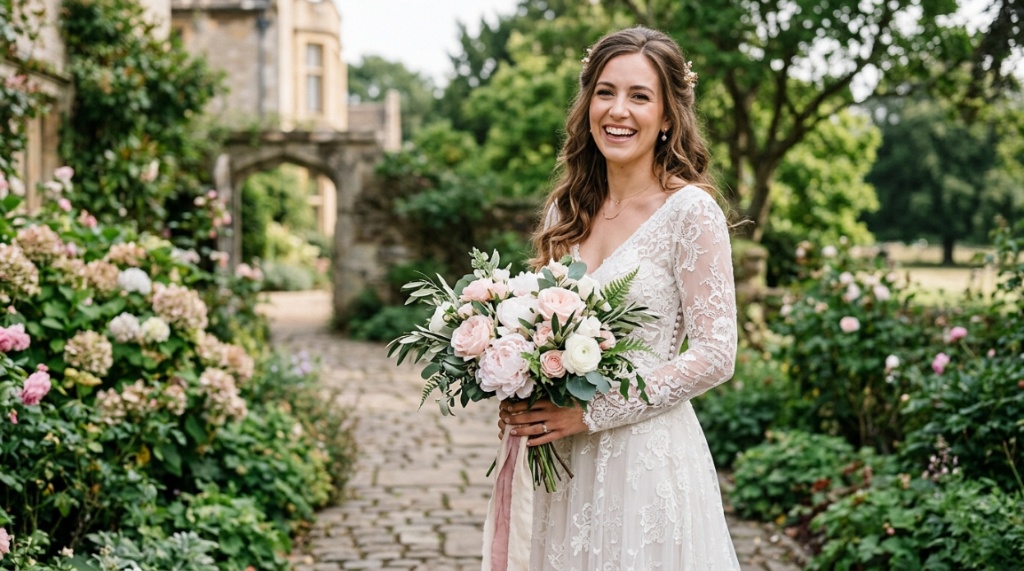
You’ve pinned the cascading garden roses, the romantic eucalyptus trails, and the perfectly styled boutonnieres. But your budget and your wedding date are colliding with reality. Fresh flowers are stunning, but they come with a hefty price tag, a short lifespan, and a host of logistical headaches. The solution? Turning to artificial wedding flowers that look real but not all faux blooms are created equal. Choosing the wrong ones can leave your venue looking crafty and cheap. This guide will walk you through exactly how to identify, select, and style high-quality silk flowers that fool even the most discerning florist.
Why Are Couples Choosing Faux Blooms in 2026?
Couples are increasingly choosing high-end silk florals for their weddings due to their versatility, cost-efficiency, and sustainability. Unlike fresh flowers, which wilt within hours, premium faux stems offer a permanent keepsake. The 2026 wedding market has shifted toward “pre-loved” and re-usable decor, making realistic silk flowers a smart investment.
The Financial Advantage of Quality Faux
A standard bridal bouquet can easily cost $250–$400 when sourced fresh. A premium artificial bouquet is often a one-time purchase that can be sold after the event. This allows couples to allocate funds toward photography, catering, or a better honeymoon. Over a full wedding season, this saves thousands without sacrificing the aesthetic.
Environmental Impact and Zero Waste
Fresh flowers are often flown in from international farms, leaving a significant carbon footprint. By choosing durable silk and foam flowers, you reduce waste and avoid the use of chemical preservatives. Furthermore, you can donate your centerpieces to local nursing homes or keep them as family heirlooms.
The “Forever” Factor: Sentimental Value
Imagine holding your exact bridal bouquet on your first anniversary. With realistic artificial flowers, that’s not just a dream—it’s a tangible reality. Many couples choose to preserve their arrangements in shadow boxes or use them as a decorative piece in their new home.
What Materials Actually Make Faux Flowers Look Real?
The material composition determines realism. Look for flowers made from high-grade polyurethane, mulberry paper, or real-touch latex. These materials mimic the translucency and texture of fresh petals, whereas cheap polyester or plastic shine under camera flashes and scream “fake.”
Real-Touch Latex vs. Standard Silk
Real-touch latex is the gold standard in 2026. These flowers are slightly tacky and silicone-infused, feeling almost exactly like a fresh rose petal. Standard silk is stiffer and can have a fabric sheen. For guest-touching centerpieces, latex is superior; for high overhead installations, silk is lighter and easier to hang, For more styling tips on your big day, check out our guide on how to Put Veil in Wedding Ceremony.
How to Spot High-Quality Polyurethane Stems
Check the thickness of the petals and the color gradient. Real flowers have veins visible on the petal’s surface. Premium manufacturers paint each petal individually after molding, creating a depth that flat-dyed fabric lacks. If the stem feels hollow and the petals stick together, return them immediately.
The Importance of Wire Gauges and Stems
A realistic stem should be wrapped in natural-looking paper or green floral tape, not shiny plastic. The stem should have a slight bend and be easily adjustable for reshaping. High-quality stems feature multiple wire layers, allowing you to position the bloom in a natural-looking droop or straight stand.
How Can You Test Realism Before Buying?
You can test realism by taking a photo with flash and by touching the petals. A quick “squint test” is also effective—blur your eyes slightly and see if the flower silhouette still looks natural. If you’re shopping online, always order a single stem sample first.
The Flash Photography Test
This is the ultimate filter. Take a photo of the faux flower with direct flash against a dark background. Realistic flowers absorb light slightly, creating subtle shadows. Cheap plastic reflects light harshly, leaving a bright white shine on the edges. If you see a “glow,” it will look terrible in professional photos.
The Touch and Squeeze Method
Gently squeeze the petal between your fingers. Does it bounce back instantly? Real-touch materials do. Does it leave a faint fingerprint? That is a good sign. If the petal makes a crinkling sound, it’s plastic. Additionally, check the center of the bloom—fake stamens are often a dead giveaway. Look for clustered, tiny micro-flowers or realistic dusting.
Why the “Smell” Trick Works
Fresh flowers have a subtle, earthy scent. Many premium faux flowers now come with a scent-infused option. However, if you are buying unscented, smell the stem. A strong chemical or “new plastic” smell is a red flag. Air them out for 48 hours; if the smell persists, they are likely cheap material.
Which Flowers Should You Buy (and Which to Skip)?
Choose flowers with naturally thick petals and complex structures. Orchids, garden roses, peonies, and ranunculus are the easiest to replicate believably. Conversely, skip flowers with delicate, translucent petals like sweet peas or hyacinths, as they are notoriously difficult to fake.
Top 5 Realistic Blooms for 2026
- Garden Roses: The many petals hide fake seams perfectly.
- Phalaenopsis Orchids: Waxy texture is easy to mimic with latex.
- Anemones: The black center makes the edges look more real.
- Dahlias: Geometric complexity hides manufacturing flaws.
- Proteas: Texture covers a multitude of sins.
Flowers to Avoid Buying Faux
- Lilacs: Tiny clusters rarely look scale-accurate.
- Baby’s Breath: Often looks like plastic popcorn.
- Wisteria: The flat silhouette is hard to replicate.
- Delphinium: The color is too uniform in fakes.
Greenery Matters More Than Blooms
Realism comes from the foliage. Buy high-quality eucalyptus, olive branches, and ruscus. If the greenery looks fake, the entire arrangement loses credibility. Invest in textured leaves with dusty finishes—these are the backbone of a realistic cascade.
When Should You Start Buying Your Artificial Flowers?
Start shopping 8–10 months before your wedding. This timeline allows for sample ordering, returns, and custom color matching. Unlike fresh flowers which are bought 2–3 days ahead, faux flowers require planning to ensure the design is cohesive.
The Sample Lead Time Strategy
Order your top three choices from different vendors 10 months out.
Compare them side-by-side under natural daylight and incandescent lighting. This comparison takes about two weeks, including shipping. By doing this early, you’ll know exactly which vendor you trust before placing a bulk order.
Color Matching Across Dye Lots
Faux flowers are dyed in batches. If you buy 100 roses in March but your bridesmaid’s dress changes in May, you might not be able to find an exact match. In 2026, many suppliers use a digital color-matching service. Ask your vendor for a “swatch card” and hold it against your fabric samples.
Ordering for Destination Weddings
If you are traveling to a resort in Mexico or a villa in Italy, ship your flowers to your accommodation 2 weeks early. This allows the hotel staff to steam them and set them up. Always carry your bridal bouquet in hand luggage—do not check it. The climate won’t affect silk, but baggage handlers might.
How Do You Style Faux Flowers to Look Natural?
Styling is where most DIY brides fail. You must eliminate “fluffiness”—the round, uniform ball shape that screams synthetic. Instead, create asymmetry and varying heights. Use the spiral technique and allow some stems to trail naturally for a fresh-picked look.
Bending Stems to Mimic Natural Growth
Do not leave stems straight. Bending the wire stems into gentle S-curves mimics how fresh flowers grow toward the sun. This flow makes the bouquet look like it was just cut from a garden rather than assembled in a factory.
Mixing Faux and Dried Botanicals
The 2026 trend is mixing high-end silk with dried grasses, bunny tails, and preserved ferns. This combination adds organic texture and breaks up the “perfect” look of fake petals. The dried elements also add a fragrant, earthy aroma to the table.
Layering Colors and Depths
Try to use at least three shades of the same color family. For example, if using white roses, mix pure white, ivory, and champagne. This variation tricks the eye into seeing depth. Avoid using identical blooms throughout the arrangement;—nestle in smaller buds and half-open blooms.
Are Expensive Artificial Flowers Actually Worth It?
Yes, but only if you plan to keep them. A $12 premium rose stem is worth it compared to a $2 craft store stem because it has hand-painted veining and realistic weight. However, for large backdrop installations where guests cannot touch, you can save money by mixing cheap stems at the back and premium stems at the front.
Understanding the Cost Per Stem
Standard budget stems cost $2–$4. Mid-range runs $5–$8. Premium “real-touch” latex ranges from $10–$15 per stem.
For a bridal bouquet of 30 stems, the premium option costs around $450. Crucially, you can resell this bouquet on marketplace sites for $200–$300 post-wedding, bringing your net cost down to a rental price.
When to Skimp vs. When to Splurge
- Splurge: Bride’s bouquet, boutonnieres, cake flowers—these get photographed close-up.
- Skimp: Tall arch greenery, hanging installations, or aisle markers—distance hides flaws.
Resale Value in 2026
The second-hand wedding market is booming. High-quality faux arrangements retain about 40% of their retail value. Look for popular brands like Ling’s Moment or Afloral, which have strong resale demand. Ensure you keep the original packaging to protect them during shipping.
Can You Use Artificial Flowers for Outdoor Weddings?
Absolutely. In fact, faux flowers are superior for outdoor ceremonies because they never wilt in heat, droop in humidity, or get crushed by wind. A stiff wire stem holds its shape even in a desert breeze or a tropical rain shower.
Working with Extreme Heat and Sunlight
Direct UV light will fade cheap polyester over 6 hours. If your ceremony is on a sunny beach, choose “UV-resistant” varieties. These have a coating that prevents color bleaching. Store them in a cooler box before the ceremony to keep the latex from feeling sticky in extreme heat.
Cleaning and Maintenance on the Day
Keep a can of compressed air in your bridal emergency kit to dust off petals. For dusty outdoor venues, use a damp microfiber cloth. Avoid using water sprays as they may leave water spots on the latex or cause the wire to rust.
How to Store and Transport Faux Florals Safely

Transport flowers in a sturdy artist portfolio case or a hanging garment bag. Never lay them flat under heavy luggage, as the petals will flatten. Use acid-free tissue paper—do not use newsprint, as ink can transfer onto the white petals.
Steaming Out the Creases
If petals arrive squished, use a handheld steamer, not an iron. Hold the steamer six inches away and let the steam relax the fibers. Pull gently to reshape. Do not boil water—the condensation will run the paint.
The Best Storage Checklist
- Store in a breathable cotton bag.
- Keep in a dark, cool closet.
- Pin moisture-absorbing silica gel packets inside the box.
- Hang cascading bouquets from a hook.
What Is the Best Way to Reuse Flowers After the Event?
After the wedding, transform your bouquet into a shadow box frame, a table centerpiece for your dining room, or a wreath for your front door. The lifespan of silk flowers is measured in decades, not days. This makes them a sustainable keepsake that becomes a family heirloom.
DIY Shadow Box Preservation
Take the bouquet apart and arrange the stems flat between two layers of glass. Use a deep frame to avoid smashing the 3D petals. Add your invitation card and a piece of sparkly jewelry underneath for a beautiful collage effect.
Gifting Bridesmaids and Mothers
Instead of giving fresh bouquets that get thrown away, gift each bridesmaid their bouquet in a neat bud vase. Add a personalized ribbon tag with the date. This serves as a lasting thank-you gift that is both practical and sentimental.
Between the budget savings and the durability, the case for high-quality faux is solid. However, finding a vendor that genuinely understands the nuance of artificial wedding flowers that look real can be the difference between Pinterest-worthy and passé. Always read reviews that mention “real touch” and asked to see uncropped photos in that review.
Common Mistakes to Avoid When Buying Faux Flowers
Do not buy a full pack without testing, and do not assume expensive means realistic. Color inconsistency between stems is normal; make sure your batch comes from the same manufacturer code. Avoid moss and foam balls in the center of arrangements—they never look real.
Why “Shiny” is Your Enemy
If the petal catches a glare in the store lighting, skip it.
Look for an “eggshell” finish, which diffuses light. Ask the seller if there is a matte-finish spray. You can also brush the petals with baby powder to dull an overly glossy silk—but test this on one stem first.
Matching Stem Count to Your Vases
Buy more stems than you think you need. Empty vases that look sparse will ruin the realism. You need at least double the volume of fresh flowers.
For example, if a fresh centerpiece uses 10 stems, you need 20 faux stems due to their thinner wire profiles.
Frequently Asked Questions
What are the best brands for artificial wedding flowers that look real?
The best brands are Afloral, Ling’s Moment, and Something Borrowed Blooms. These brands specialize in “real-touch” latex and offer detailed hand-painting. For the highest quality, look for collections labeled “botanical collection” rather than standard craft lines.
Are artificial wedding flowers cheaper than fresh flowers?
Yes, in the long run. High-quality faux costs 20% more upfront than wholesale fresh, but you can resell them or reuse them at the rehearsal dinner. Fresh flowers are a 100% sunk cost.
How do I clean artificial flowers after the wedding?
Use a dry microfiber cloth to wipe dirt. For dusty areas, use a hairdryer on cool, low setting. Do not use liquid cleaners. For deep cleaning, sprinkle cornstarch on petals, leave for 30 minutes, and brush off gently.
Can I mix real flowers with artificial ones?
Yes, but you must hide the stems. Use artificial for the accents and real for the focal base. If mixing, do not spray the fresh flowers with water near the latex—this causes spotting.
Will my artificial flowers melt in a hot car?
Standard silk won’t melt, but latex will warp if temperatures exceed 140°F. Keep them in the passenger compartment with AC running, never in the trunk for long periods.
What does “real-touch” mean in floral design?
Real-touch refers to materials like polyurethane and silicone that mimic the softness, weight, and tactile feel of fresh petals. They typically cost 50% more than polyester, but crucial for the front of bouquets.
How long do artificial wedding flowers last?
Indefinitely. They will last decades if protected from direct sun and humidity. Latex can degrade after a few years if stored in a hot attic. Keep them in a stable climate for lifetime durability.
Conclusion
Choosing realistic artificial wedding flowers requires a discerning eye, but it is an incredibly rewarding journey. By prioritizing materials like real-touch latex, testing for photographic flash reflection, and styling with asymmetrical depth, you can achieve a look that rivals that of organic botanicals. The benefits extend far beyond your wedding day: saving your budget, preserving memories, and creating less environmental waste. Start early, order samples, and touch every petal before committing. Your photographer won’t know the difference, and your bank account will thank you. Now, go out there and curate a bouquet that will last as long as your marriage.