

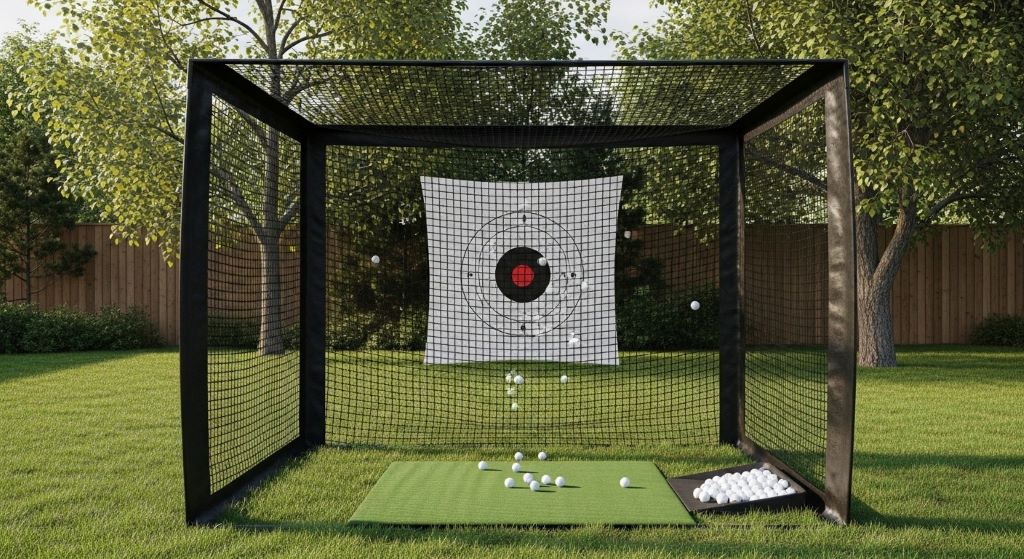
Practicing golf at home offers incredible convenience, but nothing frustrates golfers more than watching their practice net tear after just a few weeks of use. Whether you’re working on your swing in the backyard or setting up a permanent practice area, investing in a net that can withstand thousands of shots is essential for getting the most value from your purchase.
The market is flooded with golf nets at various price points, making it challenging to determine which ones will actually last. Some nets tear after a few dozen practice sessions, while others continue performing flawlessly after years of regular use. Understanding what separates durable nets from their weaker counterparts helps you make an informed decision that saves money and frustration in the long run.
This comprehensive guide will walk you through everything you need to know about selecting golf nets that can handle the punishment of repeated ball impacts. You’ll learn about materials, construction methods, and features that contribute to longevity. By the end, you’ll have the knowledge to choose a net that serves you well for years to come.
Understanding What Makes Golf Nets Tear
Before diving into selection criteria, it’s important to understand why golf nets fail. This knowledge helps you identify weak points and avoid common pitfalls when shopping for practice equipment.
The most common failure point is where the netting attaches to the frame. Stress concentrates at these connection points, especially when balls hit near the edges. Over time, repeated impacts cause the material to weaken and eventually tear away from its mounting points.
Poor-quality netting material itself represents another major failure mode. Thin strands or loosely woven nets lack the strength to absorb the energy from golf ball impacts. Each shot gradually damages the fibers until they break completely. This degradation accelerates when nets are exposed to sunlight and weather conditions.
Additionally, improper tension causes premature wear. Nets that sag allow balls to hit with more force at certain points, creating stress concentrations. Conversely, nets stretched too tightly put constant strain on the material and mounting points, accelerating wear.
Frame quality matters more than many golfers realize. A weak or flexible frame transfers more stress to the netting. When the frame flexes excessively, it creates a whipping action that multiplies the force on the net material.
Material Composition and Durability
The material your golf net is made from directly impacts its longevity. Different materials offer varying levels of strength, weather resistance, and overall durability.
Nylon is the most common material for golf nets. It offers excellent strength-to-weight ratio and resists moisture well. However, not all nylon is created equal. The denier rating indicates the thickness of the yarn, with higher numbers meaning thicker, stronger material. Look for nets with at least 1000 denier nylon, though 1500 or higher is preferable for serious practice.
Polyethylene nets provide outstanding weather resistance and UV protection. This material doesn’t absorb water, preventing the weakening that occurs when other materials stay damp. Polyethylene handles temperature extremes well, maintaining flexibility in cold weather and not degrading quickly in heat.
Polyester offers a good middle ground between nylon and polyethylene. It resists UV damage better than nylon while maintaining good impact strength. Quality polyester nets can last for years with proper care and reasonable use.
Knotted versus knotless construction significantly affects durability. Knotted nets feature intersections where strands are tied together, creating potential weak points. However, high-quality knotted nets can be extremely durable. Knotless nets use a weaving process that eliminates these junction points, often resulting in more uniform strength distribution.
Multi-ply netting adds another layer of protection. Some heavy-duty golf nets use multiple layers of material, either throughout the entire net or in high-impact zones. This construction method dramatically increases the net’s ability to withstand repeated shots without tearing.
Frame Construction and Stability
A net is only as strong as the frame supporting it. Understanding frame design helps you choose a complete system that will last.
Steel frames offer maximum strength and durability. Powder-coated steel resists rust and maintains structural integrity through years of use. The thickness of the steel tubing matters significantly. Thicker walls provide better rigidity and reduce flexing during ball impacts.
Fiberglass frames provide a lighter alternative with good strength properties. They flex slightly on impact, which can help absorb some of the energy. However, fiberglass can become brittle over time, especially with UV exposure. Quality matters enormously with fiberglass frames.
Aluminum frames strike a balance between steel’s strength and lighter weight. Marine-grade aluminum resists corrosion excellently, making it ideal for humid climates or coastal areas. However, aluminum frames generally need larger diameter tubing to match steel’s rigidity.
Frame diameter and wall thickness are critical specifications often overlooked by buyers. A frame made from one-inch diameter tubing with thick walls will vastly outperform a thinner frame even if both are made from the same material. Don’t hesitate to ask manufacturers for specific dimensions.
Connection joints represent another critical element. Welded joints provide the strongest connections but make the frame less portable. Bolt-together designs allow for easier assembly and transport but must use quality hardware that won’t loosen over time. Push-button or snap-lock systems should feel solid and engage completely without play.
Netting Design and Impact Absorption
How the netting is designed and configured affects both its durability and performance. Several design elements contribute to creating a long-lasting golf net.
Mesh size plays an important role in durability. Smaller mesh catches balls more effectively but uses more material and creates more surface area to absorb impact. Larger mesh reduces material costs but may not stop balls as effectively. The ideal mesh size for golf nets typically falls between one and two inches.
Baffle or target systems add durability by distributing impact forces. These internal structures create pockets that catch balls and spread their energy across a larger area of netting. Additionally, they prevent balls from bouncing back as aggressively, reducing wear on the net.
Edge reinforcement significantly extends net life. Quality nets feature thicker binding material around all edges, particularly where the net attaches to the frame. This reinforcement prevents the high-stress edge areas from tearing away from mounting points.
Graduated thickness is a feature found in premium nets. The center section where most balls hit uses thicker, stronger material, while outer areas use standard thickness. This targeted reinforcement provides extra durability where it matters most without adding unnecessary weight and cost.
Impact zones vary depending on how you practice. If you consistently hit shots at the same height and location, that area will wear faster. Therefore, some golfers prefer nets that allow them to adjust height or rotate the netting to distribute wear more evenly.
Attachment Methods and Tension Systems
How the net attaches to its frame and maintains proper tension directly impacts longevity. Poor attachment methods create stress points that lead to premature failure.
Rope borders with reinforced grommets represent a traditional attachment method. The rope threading through grommets around the net’s perimeter allows for even tension distribution. However, the grommets themselves can become stress points if not properly reinforced with additional material.
Bungee cord systems provide some flexibility that can help absorb impact energy. The cords stretch slightly when balls hit, reducing the peak force on the netting. However, bungee cords themselves degrade over time and need replacement. Choose systems with heavy-duty cords and easy replacement options.
Strap attachments using buckles or velcro offer adjustability but must be high-quality to avoid failures. The straps should be wide and made from strong webbing material. Buckles need to be metal or reinforced plastic, not cheap plastic that will crack.
Tension matters enormously for net longevity. Proper tension keeps the net taut enough to catch balls effectively without sagging but not so tight that it puts constant strain on materials and attachment points. Look for nets with adjustable tension systems that let you fine-tune the setup.
Multi-point attachment distributes stress across many locations rather than concentrating it at a few points. More attachment points generally mean better stress distribution, though the attachment method at each point still matters greatly.
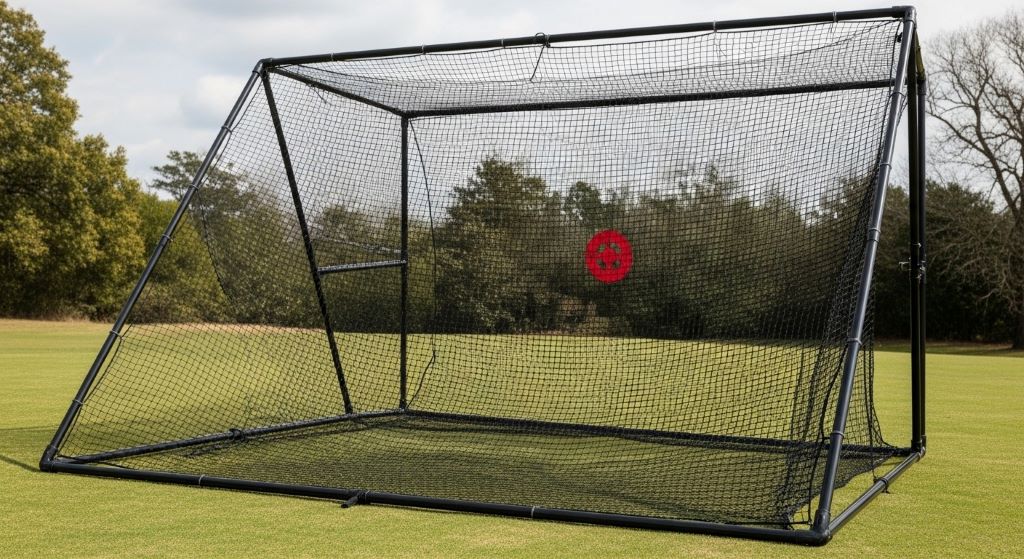
Weather Resistance and UV Protection
Outdoor nets face challenges beyond just golf ball impacts. Environmental factors can degrade materials rapidly if the net isn’t designed to withstand them.
UV protection is absolutely critical for outdoor nets. Sunlight breaks down many materials over time, causing them to become brittle and weak. A long-lasting golf net must either use inherently UV-resistant materials or include UV-protective coatings. Look for nets specifically marketed as UV-resistant or treated for outdoor use.
Water resistance prevents several problems. Nets that absorb water become heavier, putting more strain on attachment points. Additionally, moisture can promote mildew growth and accelerate material degradation. Materials like polyethylene that naturally resist water absorption perform better in wet climates.
Temperature stability ensures your net performs consistently across seasons. Some materials become stiff and brittle in cold weather, making them more prone to tearing. Others may soften excessively in heat. Quality outdoor nets use materials that maintain their properties across a wide temperature range.
Wind load represents an often-overlooked factor. A large golf net acts like a sail, catching wind and putting stress on both the netting and frame. If you’re setting up a permanent outdoor installation, consider how much wind exposure the location receives. Some heavy-duty golf nets include wind vents that reduce this load.
Rust and corrosion protection for frames and hardware extends the life of the entire system. Even if the netting remains intact, rusty frames or corroded mounting hardware will eventually fail. Powder coating, galvanizing, or using corrosion-resistant materials protects your investment.
Size Considerations and Usage Patterns
The right size net depends on your space, skill level, and practice goals. However, size also impacts durability in ways you might not expect.
Larger nets naturally require more material and stronger frames to maintain stability. They offer more room for error and reduce the chances of balls hitting the frame or missing entirely. However, they also cost more and take up more space. Consider whether you truly need the extra size or if a more compact option would serve your needs.
Impact area concentration affects durability regardless of net size. If you consistently hit balls into the same two-foot circle, even a ten-foot net will wear out quickly in that spot. Larger nets give you the option to move your hitting position occasionally, distributing wear across a broader area.
Your swing speed and the clubs you practice with influence the durability you need. Drivers impart more energy to balls than wedges, demanding stronger nets. If you primarily practice short game shots, you might not need the most heavy-duty option. Conversely, if you’re working on driver distance, invest in maximum strength.
Practice frequency matters significantly. Hitting fifty balls per week creates much less wear than five hundred. Be honest about how often you’ll use the net when making your selection. A net that would last years for occasional use might fail quickly with daily practice sessions.
Indoor versus outdoor use changes durability requirements. Indoor nets don’t face weather-related degradation but may be used more frequently due to convenience. Outdoor nets must withstand environmental factors but might see less regular use. Choose accordingly based on your specific situation.
Price Points and Value Analysis
Golf nets span a wide price range, from under one hundred dollars to over a thousand. Understanding what you get at different price points helps you make a smart investment.
Budget nets typically use thinner materials, lighter frames, and simpler construction. They can work fine for very light use but rarely qualify as truly durable. If you only plan to hit a few dozen balls per month, a budget option might suffice. However, they often end up being false economy when they need replacement after a single season.
Mid-range nets offer substantially better value for most golfers. They generally use adequate materials and construction methods to last several years with regular use. Features like UV protection, reinforced edges, and stable frames become standard in this category. For the average golfer practicing a few times per week, mid-range options provide the best balance of cost and durability.
Premium nets deliver exceptional durability through superior materials, construction, and engineering. They’re designed for heavy use and harsh conditions. Professional golfers, teaching pros, and serious amateurs who practice daily benefit most from this category. The higher upfront cost spreads across many years of use, making them economical in the long run.
Warranty coverage provides insight into manufacturer confidence. Companies that offer multi-year warranties on their nets demonstrate belief in their product’s durability. Read warranty terms carefully to understand what’s covered and what conditions might void the warranty.
Replacement part availability extends the useful life of your investment. Nets eventually wear out even with the best materials. Systems that allow you to replace just the netting without buying an entirely new frame offer better long-term value.
Installation and Setup for Maximum Longevity
Even the most durable net won’t last if improperly installed. Correct setup maximizes the life of your practice equipment.
Level ground provides a stable foundation for freestanding nets. Uneven surfaces cause the frame to twist slightly, putting uneven stress on the netting and attachment points. Take time to find or prepare a level area for your setup.
Proper anchoring prevents movement during use. Many nets include ground stakes or weighted bases. Use all provided anchoring systems, not just some of them. Movement during ball impacts dramatically increases stress on the net.
Correct assembly following manufacturer instructions ensures all components function as designed. Skipping steps or taking shortcuts during setup can compromise the entire system. If instructions are unclear, contact the manufacturer rather than guessing.
Tension adjustment should be performed after initial setup and rechecked periodically. Materials settle and stretch slightly during initial use. Proper tension keeps the net taut enough to function well without overtightening, which would stress materials unnecessarily.
Clearance space behind and around the net matters for both safety and net longevity. Balls that hit near the edges put more stress on the net. Having adequate clearance encourages you to aim for center, distributing wear more evenly.
Maintenance and Care Practices
Regular maintenance extends the life of even a heavy-duty golf net significantly. Simple care practices prevent small issues from becoming major failures.
Periodic cleaning removes dirt and debris that can gradually damage netting material. Gentle washing with water and mild soap preserves the material without harsh chemicals. Allow the net to dry completely before storage if you remove it seasonally.
Inspect your net regularly for signs of wear. Check attachment points, look for fraying or thin spots in the netting, and examine frame joints for any loosening. Catching problems early allows for repairs before complete failure occurs.
Tension adjustments should be made as needed to maintain optimal performance. Nets naturally loosen slightly over time. Retightening the attachment points periodically prevents sagging, which accelerates wear.
Protective covers extend the life of permanent outdoor installations. When not in use, covering your net protects it from constant UV exposure and reduces dirt accumulation. However, ensure covers don’t trap moisture against the net.
Off-season storage in a dry, protected location prevents weather-related degradation for portable nets. Cleaning and drying the net before storage prevents mildew. Store it loosely rather than tightly compressed to avoid creating permanent creases or stress points.
Making Your Final Decision
With all this information in mind, you’re ready to choose a golf net that will serve you well for years. Prioritize your specific needs rather than simply buying the most expensive option.
Assess your primary use case honestly. How often will you practice? What clubs will you use? Where will the net be set up? Indoor or outdoor? Your answers to these questions guide you toward the right durability level.
Compare specifications across brands rather than relying solely on marketing language. Look at actual material types, thickness ratings, frame dimensions, and construction methods. Two nets at similar prices might offer vastly different quality levels.
Read user reviews from golfers with similar use cases. Pay particular attention to reviews from users who have owned the net for at least a year. They can speak to actual durability rather than just initial impressions.
Consider the total cost of ownership, not just the purchase price. A more expensive net that lasts five years costs less per year than a cheap net you replace annually. Factor in the hassle and time involved in shopping for and setting up replacement nets.
Trust reputable brands with established track records in golf training equipment. Companies specializing in golf practice gear generally produce better products than generic sporting goods manufacturers branching into golf nets.
Conclusion
Choosing a durable golf net that won’t tear easily requires understanding the factors that contribute to longevity. Material quality, frame construction, attachment methods, and weather resistance all play crucial roles in determining how long your net will last. A heavy-duty golf net built with quality materials and proper engineering will provide years of reliable service, making it a worthwhile investment for any golfer serious about practice.
Remember that a long-lasting golf net doesn’t just save money through fewer replacements. It provides peace of mind, allowing you to focus on improving your game rather than worrying about equipment failure. Whether you’re a weekend warrior working on your swing or a dedicated golfer practicing daily, selecting the right net ensures you can practice confidently for years to come.
Take time to evaluate your specific needs, compare options carefully, and invest in quality that matches your usage patterns. The difference between a net that tears after a few months and one that lasts for years often comes down to informed decision-making and choosing quality over the cheapest available option. Your golf game and your wallet will thank you.
Frequently Asked Questions
How long should a quality golf net last with regular use?
A well-made golf net with proper care should last three to five years with regular use of several practice sessions per week. Heavy-duty models can last even longer, potentially seven to ten years. Factors affecting lifespan include frequency of use, club selection, weather exposure, and maintenance practices. Nets used exclusively indoors or with lighter clubs generally last longer than those facing full driver shots outdoors daily.
What denier rating should I look for in golf net material?
For casual practice, nets with 1000 denier material are adequate. However, serious golfers should seek nets with at least 1500 denier rating, and preferably 2000 denier or higher for maximum durability. The denier rating indicates thread thickness, with higher numbers meaning stronger, more tear-resistant material. Multi-ply construction can provide excellent strength even with moderate denier ratings.
Can I repair a torn golf net or should I replace it?
Small tears can often be repaired using heavy-duty nylon thread or specialized netting repair kits. However, repairs are temporary fixes that work best for minor damage away from high-impact zones. If tears are extensive, located in the center impact area, or if the net has multiple damaged spots, replacement is usually more practical. Some manufacturers sell replacement netting for their frame systems.
Do more expensive golf nets really last longer?
Generally, yes. Higher-priced nets typically use superior materials, better construction methods, and more durable frames. However, price alone doesn’t guarantee quality. Focus on specific features like material type, denier rating, frame construction, and warranty coverage rather than price alone. A well-researched mid-range net often outlasts a premium net from a less reputable manufacturer.
Should I take my golf net down when not in use?
For portable nets, taking them down between practice sessions extends their life by reducing weather exposure and UV damage. However, constant setup and takedown can stress connection points. If you practice frequently, leaving the net up and using a protective cover when not in use offers a good compromise. Permanent installations should always include UV-resistant materials designed for continuous outdoor exposure.
Related Topics:
Kinetic Chain Warmup Drills for Beginner Golfers