

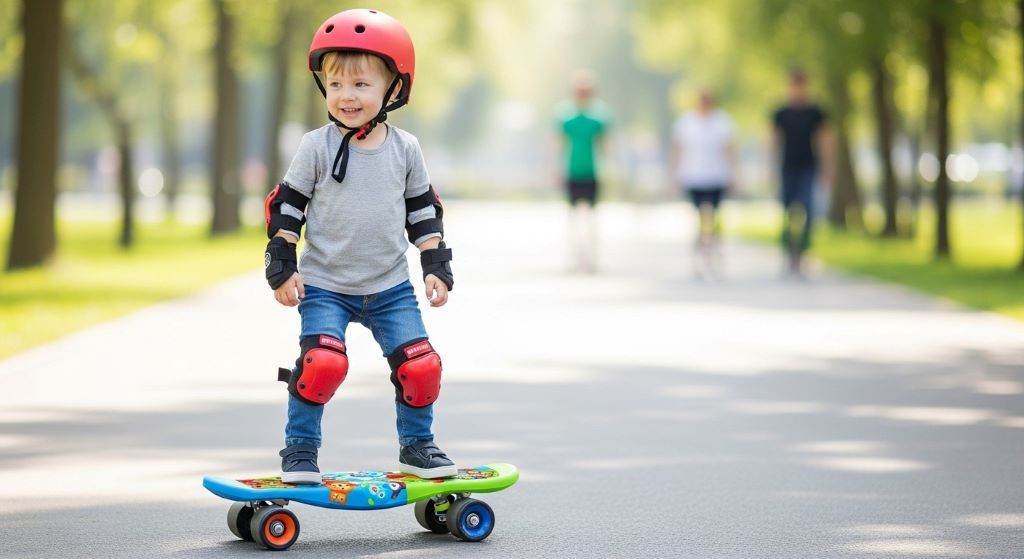
Choosing the right skateboard for your little one can feel overwhelming. With so many options available in stores and online, parents often struggle to know where to start. However, finding a safe and appropriate skateboard for toddlers doesn’t have to be complicated. This comprehensive guide will walk you through everything you need to know about selecting the perfect starter skateboard kids can enjoy safely.
Understanding Your Child’s Readiness
Before purchasing any skateboarding equipment, consider whether your child is truly ready for this activity. Most experts recommend waiting until children reach at least three years old before introducing them to skateboarding. At this age, they typically have developed enough balance and coordination to handle the basic movements.
Additionally, watch for signs of interest from your child. Do they show excitement when seeing other kids ride skateboards? Do they enjoy activities that require balance, such as riding a tricycle or scooter? These indicators suggest they might be ready to try skateboarding.
Physical development matters significantly too. Your child should be able to stand steadily on one foot for several seconds and follow simple safety instructions. Therefore, readiness involves both physical capability and mental maturity.
Size Matters More Than You Think
Skateboard size plays a crucial role in your child’s safety and enjoyment. Young children need smaller boards that match their body proportions. A board that’s too large becomes difficult to control and increases the risk of falls.
For toddlers and preschoolers, look for mini skateboards measuring between 27 and 28 inches in length. The deck width should range from 6.5 to 7.5 inches. These compact dimensions allow small feet to reach the edges comfortably, giving young riders better control and confidence.
Furthermore, consider the wheelbase, which is the distance between the front and back wheels. A shorter wheelbase makes turning easier for beginners. This feature helps little ones maneuver without feeling overwhelmed by the board’s size.
Deck Design and Construction
The deck serves as the foundation of any skateboard. For young beginners, certain deck features enhance safety considerably. First, examine the material. Most quality skateboards use seven-ply maple wood, which offers excellent durability and flexibility. This construction withstands the wear and tear of learning while providing enough give to absorb impact.
Deck shape also influences how easily children can ride. Wider decks provide more stability, which benefits nervous beginners. However, avoid decks that are excessively wide, as they become heavy and awkward for small children to carry or maneuver.
The concave, or curved shape, of the deck affects foot placement and control. Mild concave works best for young riders. Deep concave designs suit advanced skaters but can be uncomfortable and confusing for those just starting out.
Wheel Specifications for Stability
Wheels determine how smoothly the skateboard rolls and how much control the rider maintains. Several wheel characteristics deserve attention when selecting a starter skateboard kids will find manageable.
Wheel size affects speed and stability. Larger wheels roll faster but can be harder to control. For beginners, wheels measuring 50 to 54 millimeters in diameter provide an ideal balance. They offer enough speed to be fun without becoming dangerously fast for inexperienced riders.
Wheel hardness, measured on the durometer scale, impacts the ride quality significantly. Softer wheels, rated between 78A and 87A, create a smoother ride over rough surfaces. They also provide better grip, which helps prevent sliding and improves confidence. Conversely, harder wheels suit smooth surfaces but can feel unstable on pavement cracks or bumps.
Moreover, wider wheels increase stability. Look for wheels that measure at least 30 millimeters in width. This extra contact with the ground helps young riders maintain balance more easily.
Trucks and Hardware Safety
Trucks are the metal components that attach the wheels to the deck. Quality trucks ensure the skateboard turns properly and withstands regular use. For young children, trucks should match the deck width. If trucks extend beyond the deck edges, they can catch on obstacles and cause falls.
The turning capability of trucks depends on their tightness. Beginners benefit from tighter trucks that limit sharp turns. As children gain confidence and skill, you can gradually loosen the trucks to allow more maneuverability. This adjustability makes the skateboard grow with your child’s abilities.
Furthermore, check that all hardware, including bolts and nuts, is securely fastened. Loose components pose serious safety risks. High-quality skateboards use grade 8 bolts that resist loosening over time. Regularly inspect and tighten hardware to maintain safe riding conditions.
Essential Safety Features
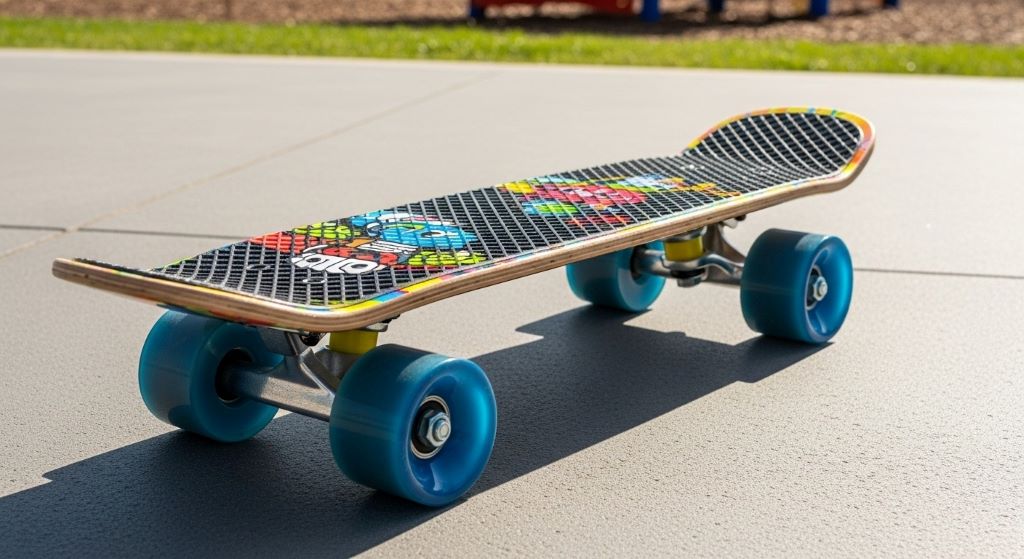
Beyond basic construction, certain safety features make skateboards more suitable for toddlers and young beginners. Non-slip grip tape covering the deck surface helps small feet stay planted during rides. This textured surface prevents slipping, especially when shoes or the deck get wet.
Some beginner skateboards include extra-wide decks at the tail or nose. These platforms give children more space to position their feet comfortably. Additional deck space reduces the likelihood of feet slipping off during pushes or while balancing.
Weight capacity also deserves consideration. Ensure the skateboard can support your child’s current weight plus at least 20 additional pounds. This buffer accommodates growth and ensures the board remains safe as your child develops.
Complete Boards Versus Custom Builds
Parents face the choice between purchasing complete skateboards or building custom setups. For young beginners, complete boards typically offer the better option. They come fully assembled with components specifically matched for compatibility and performance.
Complete skateboards designed for toddlers undergo testing to ensure all parts work together safely. Manufacturers select appropriate wheel hardness, truck width, and deck size for the intended age group. This takes the guesswork out of shopping and prevents mismatched components.
However, buying individual components allows for customization based on your child’s specific needs. If your child has particular preferences or physical considerations, building a custom skateboard might prove worthwhile. Consult with skateboard shop professionals who can recommend appropriate parts for young riders.
Brand Reputation and Quality Standards
Not all skateboards meet the same quality standards. Some cheap models available at discount stores use inferior materials that break easily or perform poorly. These low-quality boards can actually be more dangerous than having no skateboard at all.
Research brands known for producing reliable children’s skateboards. Read reviews from other parents and look for recommendations from skateboarding communities. Reputable manufacturers stand behind their products with warranties and responsive customer service.
Additionally, consider brands that specialize in youth sporting equipment. These companies understand child development and design products with age-appropriate features. Their expertise often results in skateboards that balance fun with safety effectively.
Protective Gear is Non-Negotiable
Even with the safest skateboard for toddlers, accidents can happen. Proper protective gear significantly reduces injury severity. Never allow your child to ride without wearing a properly fitted helmet. The helmet should meet CPSC or ASTM safety standards and sit level on the head, covering the forehead.
Knee and elbow pads provide crucial protection during falls. Young children tend to fall frequently while learning, and these pads prevent scrapes, bruises, and more serious injuries. Choose pads with hard plastic caps for maximum protection.
Wrist guards help prevent wrist fractures and sprains, which commonly occur when children instinctively extend their hands during falls. Ensure all protective gear fits snugly without restricting movement or circulation.
Teaching Safe Riding Practices
Having the right equipment represents only part of skateboarding safety. Teaching proper techniques and safety awareness matters equally. Start by showing your child how to step onto and off the skateboard safely. Practice this simple action repeatedly until it becomes automatic.
Demonstrate proper falling techniques. Teach children to bend their knees and try to roll when falling rather than breaking the fall with stiff arms. This natural movement reduces injury risk considerably.
Furthermore, establish clear rules about where skateboarding is allowed. Designate smooth, flat areas away from traffic for practice sessions. Avoid sloped surfaces until your child demonstrates solid balance and control skills.
Budget Considerations
Quality skateboards for young children typically cost between 50 and 100 dollars. This investment might seem significant, but remember that proper equipment lasts longer and provides safer experiences. Cheap alternatives often break quickly, requiring replacement purchases that ultimately cost more.
However, don’t feel pressured to buy the most expensive option available. Mid-range skateboards from reputable brands usually offer excellent quality without premium pricing. Focus on essential safety features rather than flashy designs or brand names.
Consider purchasing from local skateboard shops rather than big-box retailers. Specialty shops employ knowledgeable staff who can provide personalized recommendations and ensure proper sizing. They also typically offer better quality products than general sporting goods stores.
Growth and Progression Planning
Children grow quickly, and their skateboarding abilities develop rapidly too. When selecting a starter skateboard kids can use long-term, think about how the board will accommodate improvement. Adjustable trucks allow for customization as skills advance. Removable accessories, such as safety handles, can be taken off when no longer needed.
Plan to reassess your child’s equipment every six months. As they grow taller and heavier, they’ll need larger boards with different specifications. However, starting with an appropriately sized board ensures they develop proper techniques and confidence during the critical learning phase.
Conclusion
Selecting a safe skateboard for toddlers requires careful consideration of multiple factors. Focus on appropriate sizing, quality construction, suitable wheel specifications, and reliable safety features. Prioritize complete boards from reputable manufacturers that specialize in youth equipment. Remember that protective gear is absolutely essential, regardless of the skateboard’s quality. By following these guidelines and emphasizing safety from the beginning, you’ll help your child enjoy skateboarding while minimizing risks. The right starter skateboard kids can safely use builds confidence, develops coordination, and creates a foundation for years of active fun.
Frequently Asked Questions
What age is appropriate for a child to start skateboarding?
Most experts recommend waiting until children reach at least three years old before introducing skateboarding. At this age, kids typically have developed sufficient balance, coordination, and ability to follow safety instructions. However, every child develops differently, so assess your individual child’s readiness based on their physical abilities and maturity level rather than relying solely on age.
How much should I expect to spend on a quality beginner skateboard?
Quality beginner skateboards for young children typically cost between 50 and 100 dollars. While cheaper options exist, they often use inferior materials that break easily or perform poorly, potentially creating safety hazards. Investing in a mid-range skateboard from a reputable brand ensures durability, safety, and better overall experience for your child.
Can my child use a regular skateboard instead of one designed for toddlers?
Standard skateboards are too large and heavy for toddlers and young children. Using an adult-sized board makes learning difficult and increases injury risk because children cannot properly control oversized equipment. Always choose a skateboard specifically designed for your child’s age, size, and skill level to ensure safe and enjoyable experiences.
What protective gear does my child need for skateboarding?
At minimum, children need a properly fitted helmet that meets CPSC or ASTM safety standards. Additionally, knee pads, elbow pads, and wrist guards significantly reduce injury severity during falls. All protective gear should fit snugly without restricting movement. Never allow your child to skateboard without wearing complete protective equipment, regardless of their skill level.
How often should I check my child’s skateboard for safety issues?
Inspect your child’s skateboard before each use, checking for loose hardware, worn wheels, damaged deck, or grip tape problems. Perform more thorough maintenance weekly, tightening all bolts and examining components for wear. Replace damaged parts immediately and consider professional tune-ups every few months to ensure the skateboard remains safe and functional.
Related Topics:
Retro Skateboard Trends: Vintage Vibes Meet Modern Rides
Skateboard Maintenance Guide – Houston Tips 2025