

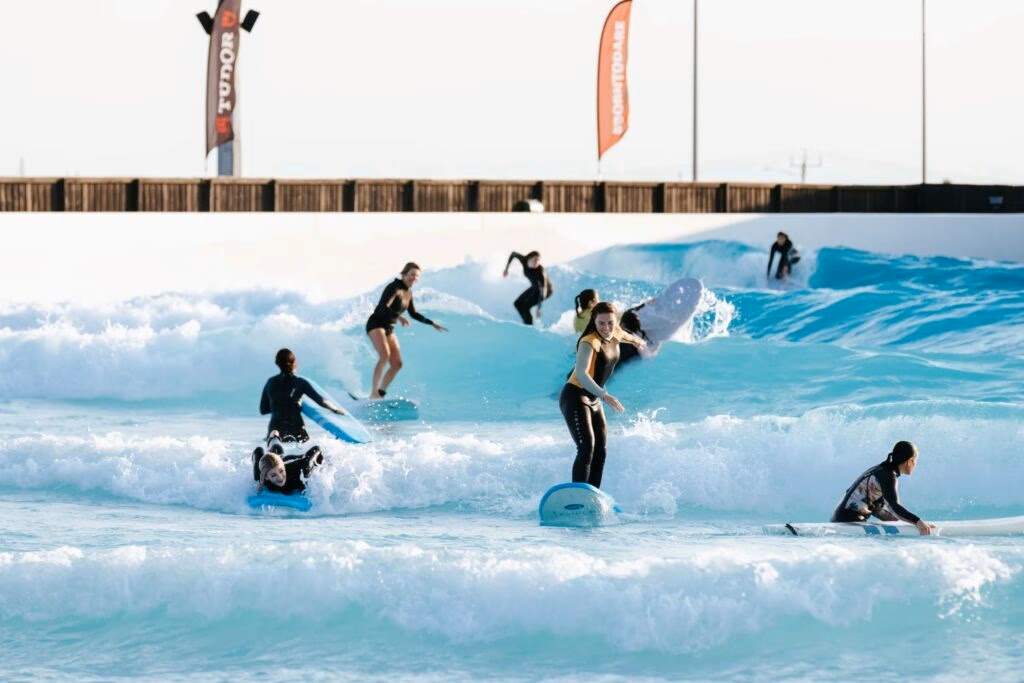
Surfing was once confined to oceans, dependent on tides, seasons, and travel. Today, that’s changing fast. A revolution is crashing into cities across the globe, urban surfing: the rise of city wave parks is no longer a novelty. It’s a movement. From New York to Tokyo, engineered waves are turning concrete jungles into surfer paradises. These high-tech, artificial wave facilities are not just cool attractions—they’re redefining surf culture, urban planning, and even real estate value.
Surfing Without the Sea: The Technology Behind Urban Waves
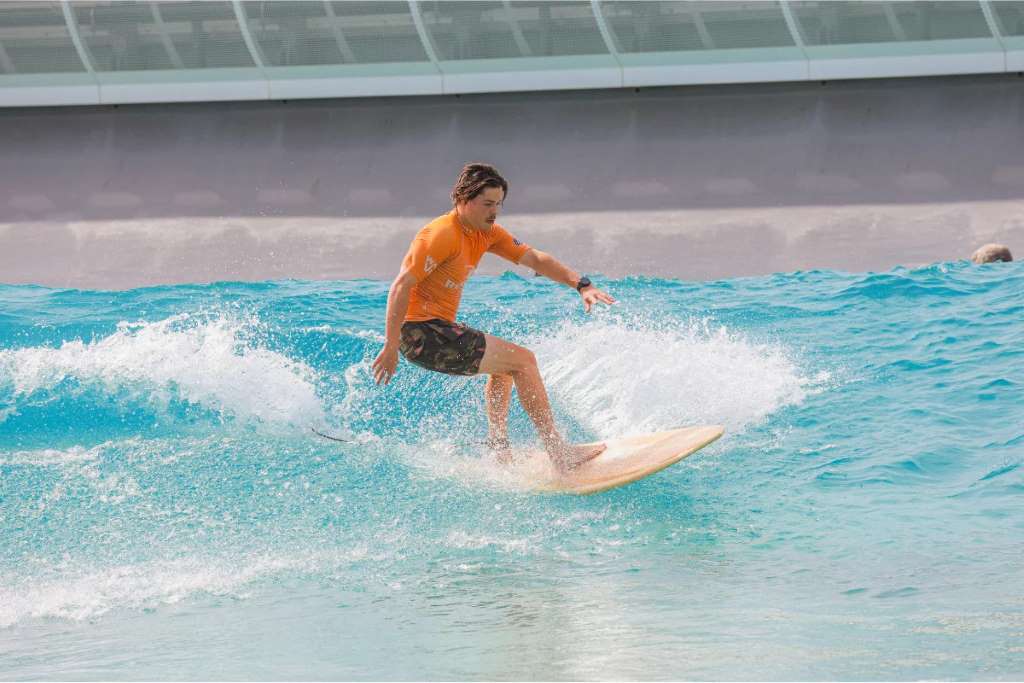
The science driving this wave renaissance is impressive. City wave parks use cutting-edge hydrodynamics to simulate ocean-quality waves. Companies like Wavegarden and CityWave have developed tech that replicates natural wave shapes with astonishing precision. According to Surfer Today, Wavegarden’s “The Cove” system can pump out 1,000 waves per hour. This means consistent, customizable waves—perfect for training or just catching fun rides without needing a coastline.
Moreover, wave size and shape can be adjusted at the push of a button, catering to everyone from beginners to pros. Unlike ocean surfing, where conditions vary wildly, urban wave parks guarantee reliability. This consistency attracts surf schools, competitions, and brands, making them commercial hotspots.
Accessibility: Surfing for Everyone, Everywhere
Urban surfing isn’t just about novelty—it’s about access. The traditional surfing lifestyle requires travel, time, and often expensive gear. City wave parks remove these barriers. A young professional in Munich can now surf during lunch break. A kid in Chicago, hundreds of miles from the coast, can pick up surfing as easily as skateboarding.
According to Statista, 60% of the world’s population lives in urban areas. With such demographics, placing wave parks in cities puts surfing within reach for millions who’d never visit a beach. It democratizes the sport and fosters diverse communities around a once-exclusive activity.
Urban Planning and Real Estate Boom
Real estate developers and urban planners see city wave parks as economic engines. Projects like The Wave in Bristol or URBNSURF in Melbourne have boosted tourism, increased nearby property values, and created local jobs. These parks draw crowds—not just surfers, but families, tourists, and events.
Real estate around The Wave saw a 12% increase in value over two years, according to UK property insights group HomeTrack. Cities now see wave parks as not just recreational assets, but smart investments. Integrating them into larger development plans—like lifestyle hubs with cafes, gyms, and co-working spaces—creates high-ROI ecosystems.
Surf Training Redefined: From Casual to Competitive
Urban surfing is also changing how athletes train. National surf teams from countries like Germany and Switzerland, both landlocked, use wave pools as year-round training centers. Olympic hopefuls can now practice daily, without ocean access or international travel.
According to the International Surfing Association, more than 100 countries have active surf federations. Many of these nations lack regular ocean waves. City wave parks are bridging the gap, leveling the playing field for global competition.
Furthermore, because conditions in artificial wave parks are controlled, athletes can focus on perfecting maneuvers. It’s the surfing equivalent of a batting cage or ski simulator—precise, repeatable, and safe.
Cultural Impact: A New Kind of Surf Lifestyle
Traditional surf culture was born from beaches, sun, and the sea. Urban surfing is crafting something new—an intersection of sport, design, and city life. It’s common now to see surfers in business districts, board under arm, weaving between skyscrapers.
This fusion of city cool and surf culture is creating unique urban subcultures. Brands are paying attention. Red Bull, Quiksilver, and other lifestyle companies sponsor events in urban wave parks to tap into this fresh, energized demographic.
Moreover, the aesthetics of these parks are often striking—glass walls, neon lights, DJ booths. They’re built to attract attention, create content, and cultivate social media moments.
Read Also:
What to take to an outdoor sports event this autumn
Best Pompano Rig Setup for Long Cast Pier Fishing
Environmental and Energy Considerations
Skeptics raise concerns about energy consumption. After all, it takes a lot of power to generate waves. However, many facilities are responding with sustainable models. The Wave in Bristol, for instance, runs entirely on renewable energy. Others are integrating solar panels or using excess heat for nearby buildings.
Compared to long-distance travel to surf spots and the pollution that comes with coastal development, some experts argue urban surf parks offer a greener alternative. The focus is now on balancing thrill with responsibility.
Global Expansion: Urban Surfing Around the World
City wave parks are spreading fast. URBNSURF already has facilities in Melbourne and is expanding to Sydney. Switzerland’s Alaïa Bay offers snow-capped mountains as the backdrop for high-performance surfing. Meanwhile, New York City is planning a massive surf park in Queens.
According to WavePoolMag, over 100 wave park projects are in development worldwide. These range from mega-developments like Praia da Grama in Brazil to smaller, modular parks being built in parking lots and rooftops.
This surge reflects a growing appetite for experiential urban leisure—activities that combine physical challenge, community, and spectacle.
FAQs: Urban Surfing and City Wave Parks
What is urban surfing?
Urban surfing refers to surfing in artificial wave parks located in cities, far from natural beaches.
Are city wave parks suitable for beginners?
Absolutely. Most parks offer beginner sessions with soft waves and trained instructors on-site.
How much does it cost to surf at a city wave park?
Prices vary, but typically range from $30 to $70 per session, depending on the location and duration.
Are artificial waves as good as ocean waves?
For training and fun, yes. While purists prefer ocean unpredictability, many surfers appreciate the consistency of artificial waves.
Are wave parks environmentally friendly?
Some are. Many newer parks use solar or renewable energy and recycle water. Always check a park’s sustainability practices.
Can professional surfers train in these parks?
Yes. Many elite surfers use city wave parks for technical training due to the consistency and controlled environment.
Where are the best urban surf parks?
Top parks include URBNSURF (Melbourne), The Wave (Bristol), Alaïa Bay (Switzerland), and Waco Surf (Texas).
Final Thought
Urban Surfing: The Rise of City Wave Parks is not just a trend—it’s a transformation. These parks are opening new frontiers in sport, lifestyle, and city design. They give millions access to a once-remote experience and offer surfers a predictable, safe, and exhilarating ride.
As technology advances and sustainability becomes central, the future of urban surfing looks bright. It’s more than just riding a wave—it’s riding a global shift. Whether you’re a curious first-timer or a seasoned wave chaser, the concrete coastlines of our cities might soon offer your next big thrill.