

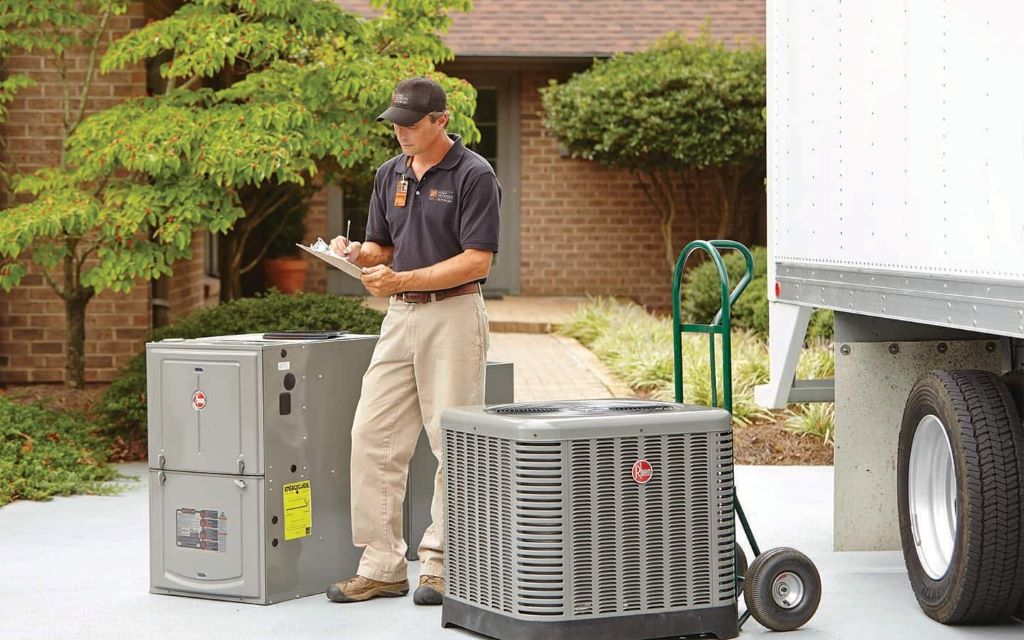
Choosing the right residential HVAC system in California is crucial due to the state’s diverse climate and energy regulations. This guide provides expert insights to help you make an informed decision tailored to your specific needs.
Understanding California’s Climate and Its Impact on HVAC Choices
California’s vast geography results in varied climates—from coastal areas with mild temperatures to inland regions experiencing extreme heat. For instance, Los Angeles averages 284 sunny days per year, while Sacramento faces hot summers with temperatures often exceeding 90°F. These variations necessitate HVAC systems that can efficiently handle both cooling and heating demands.
Types of HVAC Systems Suitable for California Homes
- Central Air Conditioning Systems: Ideal for larger homes, these systems use ductwork to distribute cool air. They are effective in consistently hot regions but may be less efficient in areas with moderate temperatures.
- Heat Pumps: These systems provide both heating and cooling by transferring heat between the indoors and outdoors. They are energy-efficient and suitable for areas with milder winters. However, their efficiency can decrease in extremely cold temperatures.
- Ductless Mini-Split Systems: Perfect for homes without existing ductwork, these systems offer flexibility and energy efficiency. They allow for zoned cooling and heating, which can lead to energy savings.
- Furnaces: Common in colder regions, furnaces provide powerful heating. In California, they are more prevalent in northern areas where winters are colder.
Key Factors to Consider When Selecting an HVAC System
-
Energy Efficiency Ratings
- SEER (Seasonal Energy Efficiency Ratio): Measures cooling efficiency. California mandates a minimum SEER rating of 14, but higher ratings (up to 21) offer better efficiency.
- AFUE (Annual Fuel Utilization Efficiency): Applies to furnaces, indicating how efficiently they convert fuel into heat. High-efficiency models have AFUE ratings of 90% or more.
- HSPF (Heating Seasonal Performance Factor): Relevant for heat pumps, measuring heating efficiency. A higher HSPF indicates better performance.
-
System Size and Capacity
An HVAC system must be appropriately sized for your home. Oversized systems can lead to short cycling, reducing efficiency and lifespan. Undersized systems may not adequately heat or cool your home. A professional HVAC contractor can perform a load calculation to determine the correct size.
-
Installation and Maintenance Costs
Consider both the initial installation costs and long-term maintenance expenses. While high-efficiency systems may have higher upfront costs, they can lead to significant savings over time through reduced energy bills.
-
Smart Technology Integration
Modern HVAC systems often come with smart features, allowing for remote control and scheduling via smartphones. These features can enhance comfort and lead to energy savings.
-
Environmental Impact
California’s commitment to reducing greenhouse gas emissions makes environmentally friendly HVAC systems more appealing. Heat pumps, for example, have a lower carbon footprint compared to traditional systems.
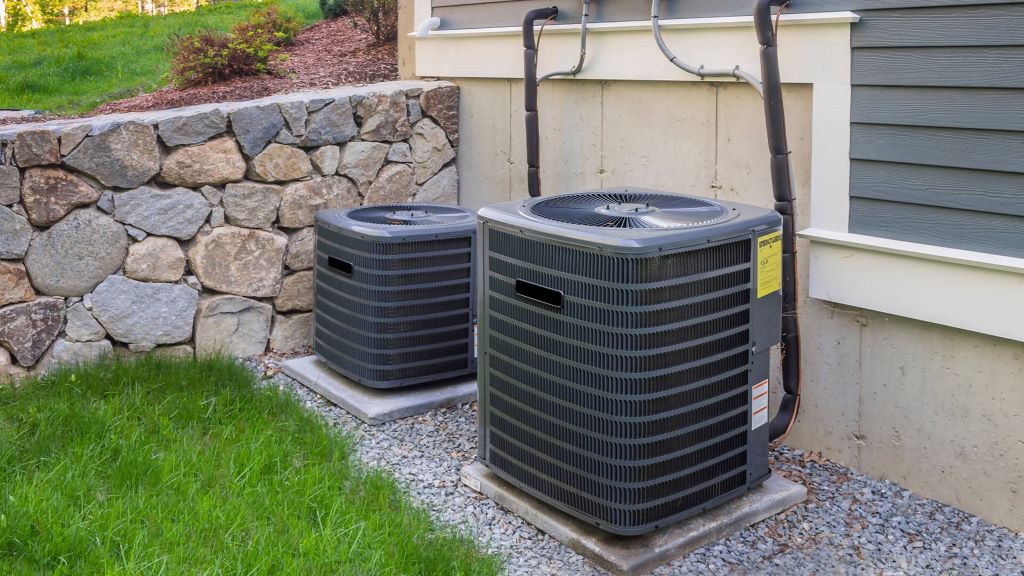
Professional Tips for Selecting the Right HVAC System
- Consult a Licensed HVAC Contractor: A professional can assess your home’s specific needs and recommend the most suitable system.
- Check for Rebates and Incentives: California offers various programs to encourage the adoption of energy-efficient HVAC systems.
- Regular Maintenance: Ensure your system operates efficiently by scheduling regular maintenance checks.
Featured Snippet: How to Select the Best Residential HVAC System for California
Q: What factors should I consider when choosing a residential HVAC system in California?
A: When selecting a residential HVAC system in California, consider the following:
- Climate Zone: California’s diverse climate requires systems tailored to specific regions. Coastal areas may benefit from heat pumps, while inland regions might require robust air conditioning systems.
- Energy Efficiency: Look for systems with high SEER, AFUE, or HSPF ratings to ensure energy savings and compliance with state regulations.
- System Size: Ensure the system is appropriately sized for your home to maximize efficiency and comfort.
- Smart Features: Modern systems with smart technology can offer enhanced control and energy savings.
- Environmental Impact: Opt for systems with lower greenhouse gas emissions to align with California’s environmental goals.
Reviews and Real-World Examples
- Heat Pumps: Homeowners in San Diego have reported significant energy savings after switching to heat pumps, citing reduced utility bills and consistent indoor temperatures.
- Ductless Mini-Splits: Residents in San Francisco appreciate the flexibility and efficiency of ductless systems, especially in older homes without existing ductwork.
Read More: Is Replacing a Roof a Good Investment?
Frequently Asked Questions (FAQs)
-
Are heat pumps effective in colder parts of California?
Yes, modern heat pumps are designed to operate efficiently even in colder climates, making them suitable for northern California regions.
-
How often should I service my HVAC system?
It’s recommended to have your HVAC system serviced at least once a year to ensure optimal performance and longevity.
-
Can I install an HVAC system myself?
While some components can be DIY-friendly, it’s advisable to have a licensed professional handle the installation to ensure safety and compliance with local codes.
-
What is the lifespan of a typical HVAC system?
Most HVAC systems last between 15 to 20 years, depending on usage and maintenance.
-
Are there financing options available for HVAC systems in California?
Yes, many manufacturers and local programs offer financing options to make energy-efficient systems more accessible.
-
How do I know if my current HVAC system needs replacement?
Signs include frequent repairs, inconsistent temperatures, and rising energy bills. A professional assessment can provide clarity.
-
Do smart thermostats work with all HVAC systems?
Most modern HVAC systems are compatible with smart thermostats, but it’s essential to check compatibility before installation.
By considering these factors and consulting with professionals, you can select an HVAC system that ensures comfort, efficiency, and compliance with California’s standards.
Read More: What is the Best Central Vacuum?