


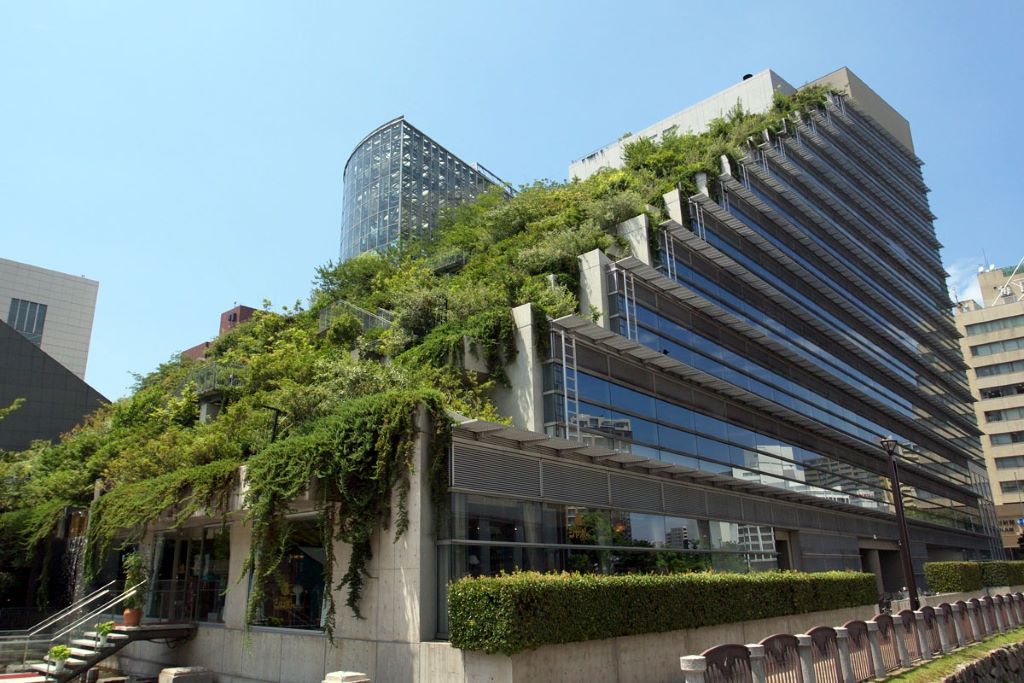
Green roofing in Philadelphia isn’t just a passing trend — it’s a growing movement reshaping the city’s skyline and environmental footprint. As urban areas face increasing climate challenges, Philadelphia is stepping up with smart, sustainable roofing solutions. These green roofing innovations are designed to reduce energy costs, manage stormwater, and beautify buildings — all while helping the environment.
The Urban Heat Crisis & The Rise of Green Roofs
Philadelphia ranks among the top U.S. cities affected by the urban heat island effect. Rooftops absorb heat, raising city temperatures by up to 7°F compared to surrounding rural areas. This triggers higher energy use, increased air conditioning costs, and more carbon emissions. Green roofs, however, offer a clear solution.
Green roofing systems — which incorporate vegetation over waterproof membranes — cool buildings naturally. According to the U.S. Environmental Protection Agency, green roofs can lower rooftop temperatures by 30–40%. Philadelphia has responded by incentivizing green roofs through its Green Roof Tax Credit, encouraging developers and homeowners to install sustainable systems.
Philadelphia’s Cutting-Edge Green Roofing Technologies
Innovation is at the heart of Philadelphia’s green roofing transformation. Several companies are leading the charge with forward-thinking designs:
- Modular Green Roof Systems: Lightweight trays filled with plants can be installed quickly and replaced easily. These are ideal for retrofit projects on older Philadelphia rowhomes and office buildings.
- Smart Drainage Systems: Advanced roofing setups now include sensors that manage stormwater flow. These systems prevent runoff from overwhelming Philly’s outdated sewer infrastructure.
- Integrated Solar-Green Roof Combos: Some new rooftops combine photovoltaic panels with green roofs, maximizing both energy savings and temperature regulation.
One standout example is the PECO Building’s green roof on Market Street. Installed in 2016, it covers over 45,000 square feet and helps manage more than 1.5 million gallons of stormwater annually.
Stormwater Management: A Philadelphia Priority
Stormwater runoff has long plagued Philadelphia. Its combined sewer system often overflows during storms, leading to polluted waterways. Green roofs absorb rainwater before it can run off, easing the load on sewer lines.
According to Philadelphia Water Department, green roofs can retain up to 80% of rainfall during summer and 40% in winter. The city’s Green City, Clean Waters initiative promotes such strategies to meet federal stormwater requirements.
From a homeowner’s perspective, installing a green roof could mean avoiding expensive fines and contributing to a cleaner Delaware River.
Environmental and Economic Benefits
The advantages of green roofing go far beyond water control. Energy savings are one of the most appealing perks. The National Research Council of Canada found that green roofs reduce summer energy demands by up to 75%. In Philadelphia, where older brick buildings are common, this difference can slash utility bills dramatically.
In winter, green roofs add insulation. This leads to fewer temperature fluctuations and improved comfort inside the home or office. Over time, the investment pays off. Though initial costs can be 30–50% higher than traditional roofs, green roofs last twice as long, lowering replacement and maintenance expenses.
Moreover, green roofs increase property values. A 2023 study by the Urban Land Institute found that homes with sustainable features sold for up to 9% more than their traditional counterparts.
Urban Biodiversity and Aesthetic Appeal
Philadelphia green roofing innovations & benefits extend to ecology and city beautification. Green roofs act as habitats for pollinators, birds, and native plant species. Rooftop gardens in University City, for example, support local honeybee populations critical to urban agriculture.
From a visual standpoint, green roofs offer a stark contrast to black tar. Green spaces on rooftops make urban life more vibrant, offering mental health benefits too. Studies show that views of greenery can reduce stress, improve focus, and even lower blood pressure.
Policy Support and Incentives in Philadelphia
The city has laid a strong policy foundation to support green roof development. The Philadelphia Zoning Code provides floor-area bonuses for buildings with green roofs. Additionally, the city offers up to 50% of green roof installation costs back through the Green Roof Tax Credit, capped at $100,000 per project.
These programs encourage developers and businesses to consider green solutions early in the design phase. Penn State Extension also provides local technical support and education to guide rooftop projects from concept to completion.
Challenges and Future Outlook
Despite their many benefits, green roofs are not without challenges. Installation requires structural assessment to ensure buildings can bear the extra weight. Maintenance — though not overly complex — demands occasional weeding, irrigation, and seasonal care.
Climate change is another variable. As temperatures rise, Philadelphia must select native and drought-resistant plant species to ensure roof gardens thrive long-term.
Still, the future looks bright. As material costs decrease and public awareness grows, green roofs are expected to become mainstream across the city. According to Green Roofs for Healthy Cities, the U.S. green roof market grew by over 10% in 2024 alone — a trend that shows no sign of slowing.
FAQs on Philadelphia Green Roofing Innovations & Benefits
- How much does a green roof cost in Philadelphia?
Installation ranges from $10 to $25 per square foot. Modular systems are more affordable than intensive garden-style roofs. - Can I install a green roof on my rowhome?
Yes, but a structural engineer should inspect your roof first to ensure it can handle added weight. - How long do green roofs last?
When properly maintained, green roofs can last 40–50 years — nearly double that of traditional roofing systems. - Are there tax credits or rebates in Philadelphia?
Yes. The Green Roof Tax Credit reimburses up to 50% of the installation cost, up to $100,000. - What kind of plants grow on green roofs?
Sedum, wildflowers, grasses, and native perennials are commonly used due to their resilience and shallow root systems. - Do green roofs attract pests or rodents?
Not usually. When properly maintained, green roofs are no more pest-prone than ground-level gardens. - Will a green roof reduce my heating and cooling bills?
Yes. Green roofs insulate buildings and can cut energy costs by up to 75% in summer months.
Final Thought
Philadelphia green roofing innovations & benefits aren’t just about sustainability — they’re about transforming the way we live, work, and build. Whether you’re a property owner looking to save on energy, a developer chasing tax incentives, or simply a resident who wants a greener city, green roofs offer powerful solutions. With continued investment, support, and awareness, these living rooftops will become a signature feature of Philadelphia’s future — one vibrant, efficient, and eco-friendly building at a time.
Read More:
Is Replacing a Roof a Good Investment?
How to Select the Best Residential HVAC System for California