

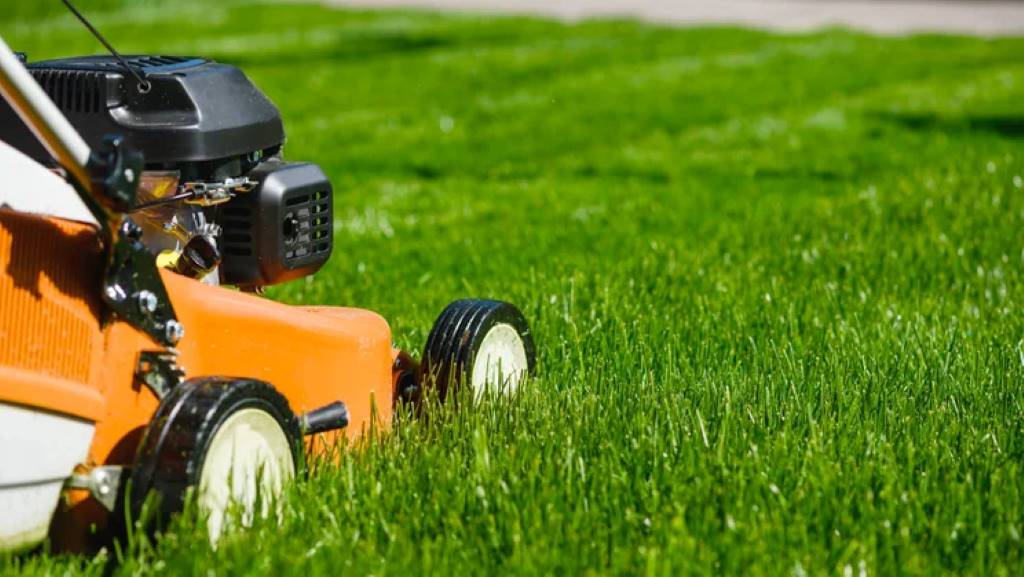
Maintaining a lush, low-cut lawn is a goal for many homeowners who value a pristine, manicured look. Reel mowers, also known as push mowers, offer an eco-friendly, precise, and quiet way to achieve this aesthetic. Unlike gas-powered or electric mowers, reel mowers rely on human power, making them a sustainable choice for lawn care. This article explores the benefits, techniques, and best practices for using a reel mower to achieve a low-cut lawn, with insights from experts like Boyers Lawn Care to guide you.
Why Choose a Reel Mower for a Low-Cut Lawn?
Reel mowers are designed with a set of rotating blades that cut grass like scissors, delivering a clean and precise trim. This cutting mechanism is ideal for low-cut lawns, as it avoids the tearing or shredding that rotary mowers can cause. Additionally, reel mowers are lightweight, easy to maneuver, and require minimal maintenance compared to their powered counterparts. For environmentally conscious homeowners, reel mowers produce zero emissions, aligning with sustainable lawn care practices. For instance, incorporating mycorrhizal fungi for lawn growth can complement the eco-friendly approach of reel mowing by naturally enhancing soil health and grass vitality.
Moreover, reel mowers excel at cutting grass to a shorter height, typically between 0.5 and 2 inches, which is perfect for creating a carpet-like lawn. However, achieving this look requires proper technique and lawn preparation, as reel mowers are less effective on uneven terrain or tall, overgrown grass. By understanding how to use a reel mower effectively, you can transform your lawn into a stunning, low-cut masterpiece.
Benefits of a Low-Cut Lawn with a Reel Mower
A low-cut lawn not only enhances curb appeal but also promotes healthy grass growth when done correctly. Here are some key benefits of using a reel mower for this purpose:
- Precision Cutting: The scissor-like action of reel mowers ensures a clean cut, reducing stress on grass blades and minimizing disease risk.
- Eco-Friendly Operation: With no fuel or electricity needed, reel mowers reduce your carbon footprint.
- Quiet Performance: Unlike noisy gas mowers, reel mowers allow you to work early in the morning or late in the evening without disturbing neighbors.
- Low Maintenance: Reel mowers have fewer moving parts, meaning less upkeep and repair costs.
- Exercise Benefits: Pushing a reel mower provides a light workout, combining lawn care with physical activity.
According to the University of Illinois Extension, mowing at the correct height is critical for lawn health, and reel mowers are particularly effective for maintaining short grass species like Bermuda or Zoysia.

How to Use a Reel Mower for a Low-Cut Lawn
To achieve a low-cut lawn with a reel mower, follow these steps to ensure optimal results:
1. Choose the Right Reel Mower
Not all reel mowers are created equal. Select a model with adjustable blade heights, ideally ranging from 0.5 to 2.5 inches, to suit your desired lawn height. Look for mowers with five to seven blades for smoother cuts on fine grass. Brands like Fiskars and Scotts offer reliable options for homeowners.
2. Prepare Your Lawn
Before mowing, clear the lawn of debris like sticks, rocks, or toys, as these can damage the mower’s blades. Additionally, ensure the grass is dry, as wet grass can clog the blades and lead to uneven cuts. If your lawn is overgrown, use a string trimmer to cut it down to a manageable height before using the reel mower.
3. Set the Blade Height
Adjust the mower’s blade height to your desired cutting level. For a low-cut lawn, aim for 0.5 to 1 inch for grass types like Bermuda or 1 to 2 inches for Kentucky bluegrass. Be cautious not to cut more than one-third of the grass blade at a time, as this can stress the lawn and lead to browning.
4. Mow with Proper Technique
Push the reel mower at a steady pace, overlapping each pass slightly to avoid missed spots. Mow in straight lines or alternate patterns (e.g., horizontal one week, vertical the next) to promote even growth and prevent ruts. For best results, mow frequently—once or twice a week—during the growing season to maintain a consistent low height.
5. Sharpen Blades Regularly
Dull blades can tear grass, leading to a ragged appearance and increased disease risk. Sharpen the blades annually or as needed, using a sharpening kit or professional service. A well-maintained reel mower ensures a clean, professional cut every time.
6. Maintain Lawn Health
A low-cut lawn requires healthy soil and grass to thrive. Water deeply but infrequently, aiming for 1 inch of water per week, and fertilize appropriately based on your grass type. Incorporating organic solutions, such as mycorrhizal fungi, can enhance root development and nutrient uptake, as noted by lawn care professionals.
Read Also:
Green Lawn Magic Revealed: How Does Sunday Lawn Care Work for You?
Spring Lawn Care in New York City – Checklist & Tips
Tips for Success with Reel Mowers
To maximize the effectiveness of your reel mower and maintain a stunning low-cut lawn, consider these tips:
- Mow in the Early Morning or Late Afternoon: Avoid mowing during the heat of the day to prevent grass stress.
- Check for Uneven Terrain: Reel mowers struggle with bumps or dips, so level your lawn as needed.
- Use a Grass Catcher: Some reel mowers come with grass catchers to collect clippings, keeping your lawn tidy.
- Alternate Mowing Patterns: Changing directions each time you mow prevents grass from leaning in one direction.
- Inspect After Each Use: Clean the blades and check for damage to keep the mower in top condition.
For additional guidance, the Lawn Care Association offers resources on maintaining healthy lawns with proper mowing techniques.
Common Challenges and Solutions
While reel mowers are excellent for low-cut lawns, they come with challenges. For instance, they may struggle with tough weeds or thick grass varieties like St. Augustine. To address this, pre-trim problem areas with a weed whacker. Additionally, reel mowers require more effort on sloped lawns, so pace yourself and take breaks as needed. If your lawn has significant unevenness, consider aerating or topdressing to create a smoother surface.
Another challenge is maintaining consistent blade sharpness. Dull blades can lead to poor cuts, so schedule regular maintenance. If you’re new to reel mowers, practice on a small section of your lawn to get a feel for the push motion and blade adjustment.
FAQs
Why is a reel mower better for a low-cut lawn?
Reel mowers provide a scissor-like cut, ideal for short grass heights, and promote lawn health by avoiding tearing. They’re also eco-friendly and quiet.
How often should I mow with a reel mower?
Mow once or twice weekly during the growing season to maintain a low-cut lawn without stressing the grass.
Can a reel mower handle all grass types?
Reel mowers work best on fine grasses like Bermuda or Zoysia. Thicker grasses may require pre-trimming or a different mower.
How do I maintain my reel mower?
Clean the blades after each use, sharpen them annually, and store the mower in a dry place to prevent rust.
Is a reel mower suitable for large lawns?
Reel mowers are best for small to medium lawns due to the physical effort required. For larger lawns, consider a powered mower.
Conclusion
Using a reel mower for a low-cut lawn is an excellent choice for homeowners seeking a sustainable, precise, and visually appealing lawn care solution. By selecting the right mower, mastering proper techniques, and maintaining both the mower and lawn, you can achieve a professional-quality cut. Incorporating practices like using mycorrhizal fungi for lawn health and following expert advice from sources like Boyers Lawn Care ensures long-term success. With patience and consistency, your reel mower can transform your lawn into a low-cut masterpiece that enhances your home’s curb appeal.