

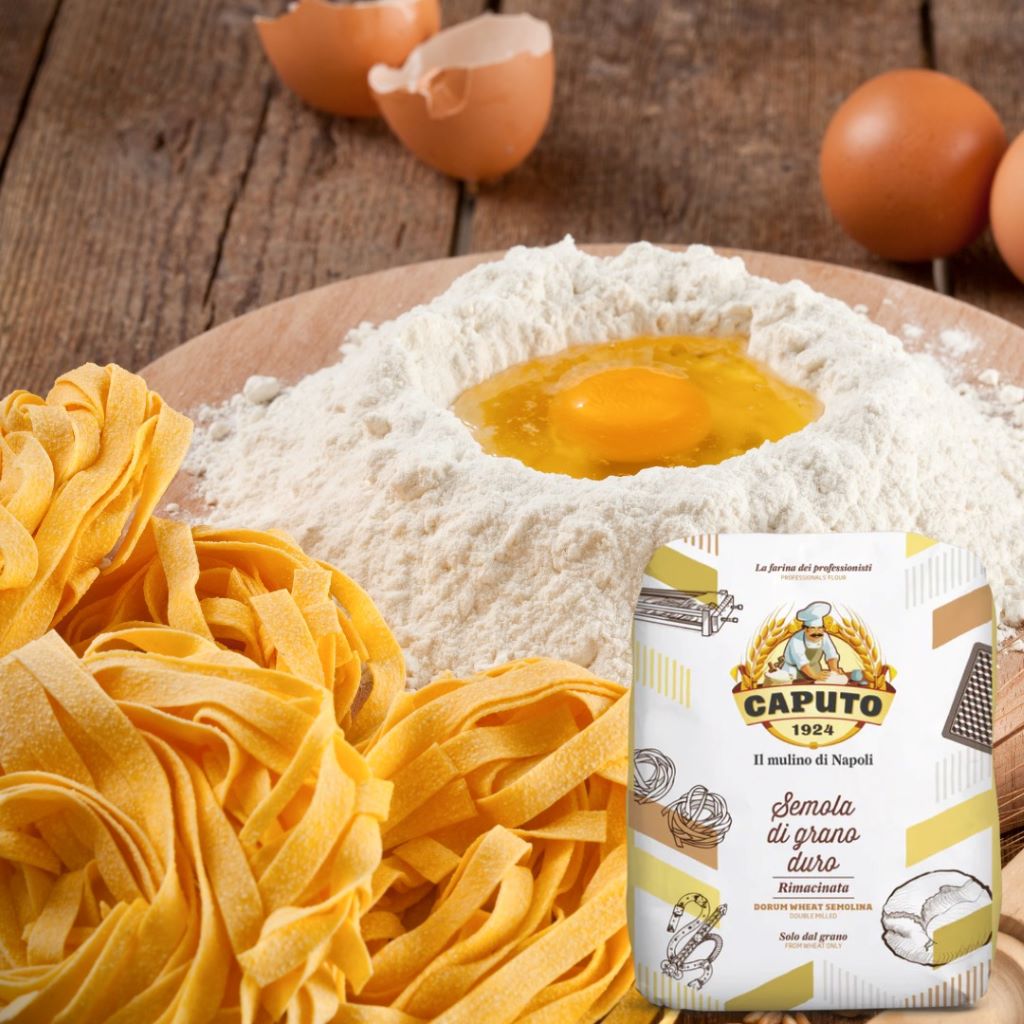
Imagine sitting at a rustic wooden table in the heart of Naples, a plate of steaming tagliatelle placed before you. The aroma of fresh eggs and wheat fills the air, and the first bite reveals a texture that is perfectly silky yet possesses a satisfying resistance. This is not merely food; it is an experience rooted in centuries of tradition. For home cooks and professional chefs alike, recreating this authentic Italian experience relies on one fundamental secret that goes beyond the sauce or the technique. The secret lies in the foundation of the dough itself.
Creating restaurant-quality pasta at home is an art form that requires precision, patience, and the right ingredients. While many enthusiastic cooks focus heavily on sourcing organic eggs or importing San Marzano tomatoes, they often overlook the most critical component. The flour you choose dictates the elasticity, the color, and the final mouthfeel of your pasta. Among the myriad of options available on the market, one brand consistently rises above the rest as the gold standard for Italian milling.
The Antimo Caputo mill, founded in 1924, has become synonymous with Neapolitan culinary excellence. Their dedication to the art of milling has produced a flour that is engineered specifically for the unique demands of pasta making. If you are looking to elevate your cooking game, using high-quality Caputo pasta flour is the first step toward achieving professional results at home. This specific flour is celebrated not just for its heritage, but for the tangible difference it makes in the final dish.
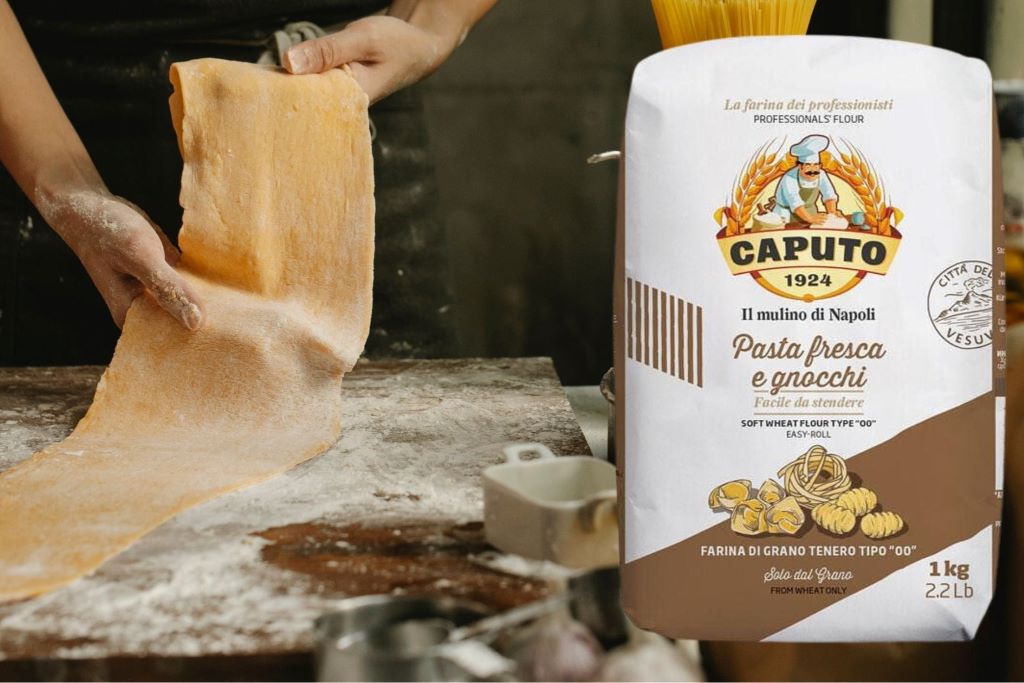
Image Source
Understanding the “00” Distinction
To understand why this flour is superior, one must first understand the Italian flour grading system. In Italy, flour is classified based on how finely it is ground and how much bran and germ have been removed. The grading scale moves from 2, which is whole wheat, down to 00. Type “00” flour is the most refined, resulting in a powder that is as soft and fine as talcum powder.
However, fineness alone does not guarantee a great pasta. A common misconception is that all “00” flours are the same. This could not be further from the truth. While a pastry “00” flour is designed to be low in protein for tender cakes, the Caputo blend is milled to retain a specific protein structure necessary for pasta. Consequently, it offers the perfect balance of refinement and strength. The ultra-fine grind allows for rapid hydration, meaning the flour absorbs the eggs and water efficiently, creating a dough that is smooth and uniform without the graininess often found in standard all-purpose flours.
The Science of Gluten and Elasticity
The primary challenge in making fresh pasta is achieving the right elasticity. You want the dough to stretch without tearing, allowing you to roll it distinctively thin for ravioli or tortellini. This is where the protein content becomes the star of the show.
Caputo’s pasta flour is milled from a proprietary blend of high-quality wheats selected specifically for their gluten quality. When you knead the dough, two proteins in the flour, gliadin and glutenin, combine to form gluten. Because of the high-quality wheat selection, the gluten network formed is strong yet extensible. Therefore, when you bite into the cooked pasta, it has that characteristic “al dente” snap rather than turning mushy or soft, which is a common failure point when using generic flours.
Additionally, this elasticity makes the physical process of making pasta much more enjoyable. A dough made with inferior flour often fights back, springing back too much when rolled or tearing when passed through a pasta machine. In contrast, this flour produces a pliable, forgiving medium that responds beautifully to both hand-rolling and mechanical sheeters.
Versatility in the Kitchen
While the name suggests a singular use, this product is remarkably versatile. It is technically formulated for fresh pasta and gnocchi, but its application extends beyond simple fettuccine. The starch composition is ideal for gnocchi, providing structure to the potato dumplings so they remain light and airy rather than dense and heavy.
Moreover, this flour serves as an excellent base for precise pastry work where a bit of structure is required, or for blending with other flours to create custom doughs. For example, some chefs mix it with semolina to add a rougher texture to the pasta surface, which helps heavier sauces cling to the noodles. Nevertheless, even used on its own, it produces a superior product that elevates simple butter and sage sauce just as well as a complex ragu.
Comparison to All-Purpose Flour
A question frequently asked by home cooks is whether they can simply use the all-purpose flour already sitting in their pantry. While you certainly can make pasta with all-purpose flour, the results will be markedly different. All-purpose flour is a jack-of-all-trades, designed to be decent at everything from cookies to bread, but master of none.
All-purpose flour generally has a higher ash content and a coarser grind than “00” flour. As a result, pasta made with all-purpose flour tends to be grayer in color and has a rougher mouthfeel. Furthermore, the gluten structure in all-purpose flour is often less extensible. This means that if you try to roll it paper-thin for stuffed pasta, it is liable to break, leading to filling leakage during boiling.
Caputo pasta flour, on the other hand, yields a dough with a bright, golden hue that looks appetizing even before it is cooked. The texture is undeniably smoother, offering a sensory experience that mimics what you would find in a high-end trattoria.
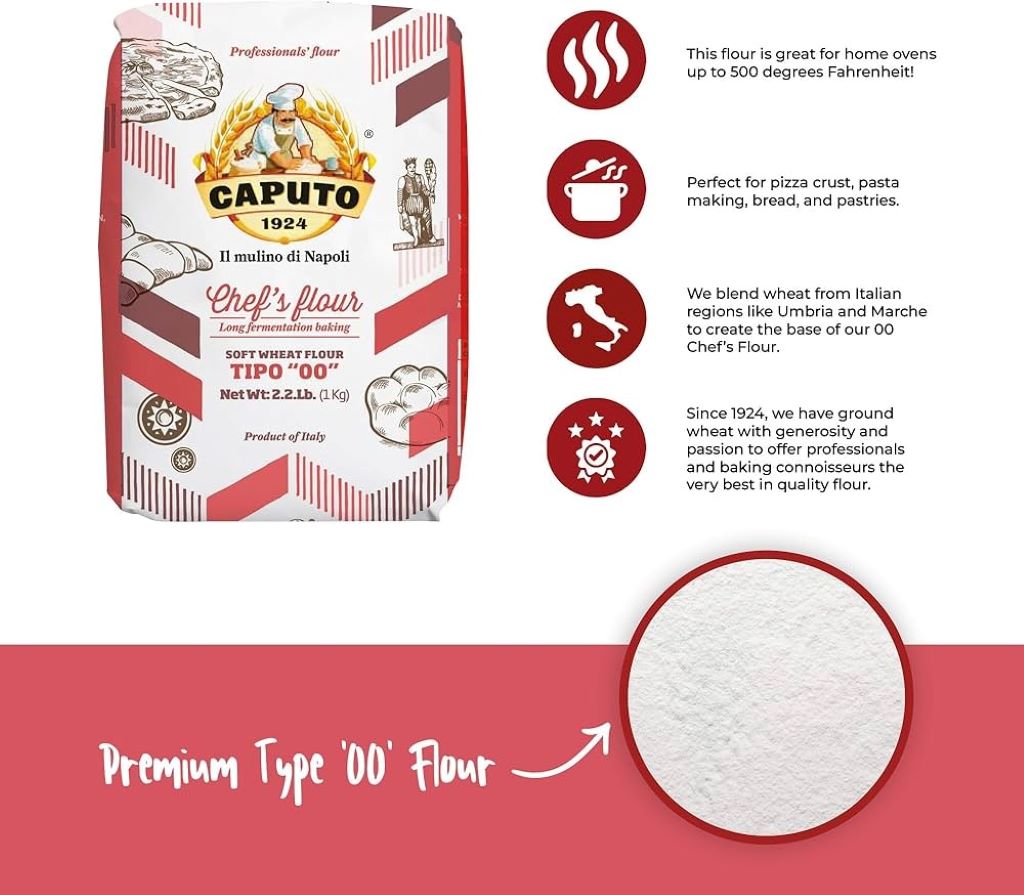 Image Source
Best Practices for Success
To truly maximize the potential of this ingredient, there are a few best practices to follow. First, proper hydration is key. Because the grind is so fine, it absorbs moisture quickly, but humidity in your kitchen can affect the ratio. It is always best to start with the recommended amount of liquid and hold a little back, or add a teaspoon of water if the dough feels too dry.
Secondly, resting the dough is non-negotiable. After kneading, the gluten network is tight and tense. Letting the dough rest, wrapped in plastic at room temperature for at least 30 minutes, allows the gluten to relax. This step ensures that when you roll the dough, it cooperates fully.
Finally, do not over-flour your work surface. Since the flour is expensive and high-quality, you want to incorporate it into the dough, not just coat the outside. Use just enough to prevent sticking.
Frequently Asked Questions
-
Is Caputo pasta flour gluten-free?
No, it is wheat-based and contains gluten. The gluten is actually essential for the structure and texture of traditional pasta. If you require a gluten-free option, Caputo does manufacture a specific gluten-free blend called Fioreglut, but their standard pasta flour is not suitable for those with celiac disease. -
Can I use this flour for making pizza?
While you can use it for pizza in a pinch, it is not the optimal choice. Caputo makes a specific “Pizzeria” flour (in a red bag) and a “Chef” flour that are better suited for the long fermentation times and high heat required for Neapolitan pizza. The pasta flour is designed for lower elasticity requirements compared to pizza dough. -
What is the shelf life of this flour?
Like all milled products, it is best used fresh. However, if stored in a cool, dry place in an airtight container, it can last for up to 12 months. In hotter or more humid climates, storing the flour in the refrigerator or freezer can extend its freshness and prevent spoilage. -
Do I need to sift the flour before using it?
Generally, this flour is ground so finely that sifting is not strictly necessary to remove clumps. However, sifting does aerate the flour, which can make the initial mixing of the eggs and flour slightly easier and more uniform. -
Does this flour work better with eggs or water?
This specific “Classica” blend is excellent for egg-based pasta. The protein content works synergistically with the proteins and fats in egg yolks to create a rich, silky dough. It can be used for water-based doughs (like orecchiette), but it truly shines when enriched with eggs.
Conclusion
The difference between a good meal and an unforgettable one often comes down to the integrity of the ingredients. In the world of Italian cooking, where simplicity reigns supreme, there is nowhere for low-quality ingredients to hide. By choosing a flour that has been crafted with generations of expertise, you are ensuring that your culinary efforts are rewarded with the best possible texture and flavor. Read More: KitchenAid Pasta Maker Attachment Review: A Must-Have Upgrade
Caputo pasta flour offers the perfect blend of tradition and technical precision. It provides the elasticity needed for complex shapes, the tenderness required for a delicate mouthfeel, and the consistency that builds confidence in the kitchen. Whether you are a novice attempting your first batch of fettuccine or a seasoned pro perfecting your agnolotti, this flour provides the reliable foundation you need.
So, tie on your apron, clear off your counter, and get ready to experience the authentic taste of Italy right in your own kitchen. There is a reason it is the top choice for pasta lovers worldwide.
Featured Image Source