

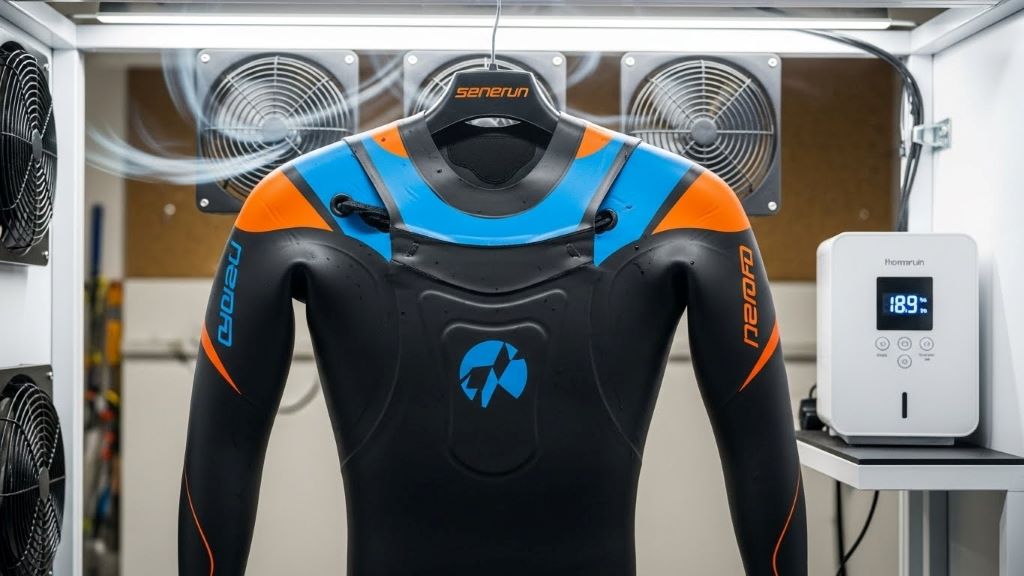
Swimrun athletes face a unique challenge that many other endurance sports don’t encounter: managing wet gear between training sessions and races. This demanding multisport discipline requires specialized equipment that takes a beating from both chlorinated pools and saltwater environments. At Swimrun The Riviera, athletes understand that proper gear maintenance extends equipment lifespan and ensures peak performance. However, many competitors overlook the critical importance of effective drying techniques.
Why Proper Drying Matters for Your Equipment
Your swimrun gear represents a significant investment in your athletic performance. Wetsuits, buoyancy shorts, pull buoys, and specialized shoes cost hundreds or even thousands of dollars combined. Therefore, implementing advanced drying methods protects this investment while preventing bacterial growth, material degradation, and unpleasant odors. Additionally, properly dried equipment performs better during your next session.
Moisture trapped in neoprene creates an ideal breeding ground for bacteria and mold. These microorganisms cause that distinctive “wetsuit smell” that becomes increasingly difficult to eliminate over time. Furthermore, prolonged dampness weakens the neoprene’s cellular structure, reducing flexibility and insulation properties. Consequently, your gear loses effectiveness faster than necessary.
Understanding Material-Specific Drying Needs
Different materials in your swimrun kit require tailored drying approaches. Neoprene wetsuits demand gentle handling to preserve their elasticity. Meanwhile, mesh running shoes need aggressive airflow to prevent mildew in their cushioning layers. Understanding these distinctions helps you develop an optimized drying system.
Neoprene responds poorly to heat and direct sunlight. The material’s closed-cell foam structure can degrade when exposed to UV rays or temperatures above 100°F. Instead, neoprene items need cool, shaded environments with excellent air circulation. Conversely, synthetic fabrics in your running apparel tolerate slightly warmer conditions and benefit from increased airflow.
Creating an Efficient Gear Drying Station
Designating a specific area for gear drying transforms the process from chaotic to systematic. Your drying station should feature multiple hanging points, proper ventilation, and protection from direct sunlight. Moreover, positioning this station near a dehumidifier or fan dramatically reduces drying time.
Install wide-shoulder hangers specifically designed for wetsuits. Standard wire hangers create stress points that damage neoprene over time. Additionally, use padded hangers or pool noodles wrapped around regular hangers to distribute weight evenly. This simple modification prevents permanent creases and maintains your wetsuit’s shape.
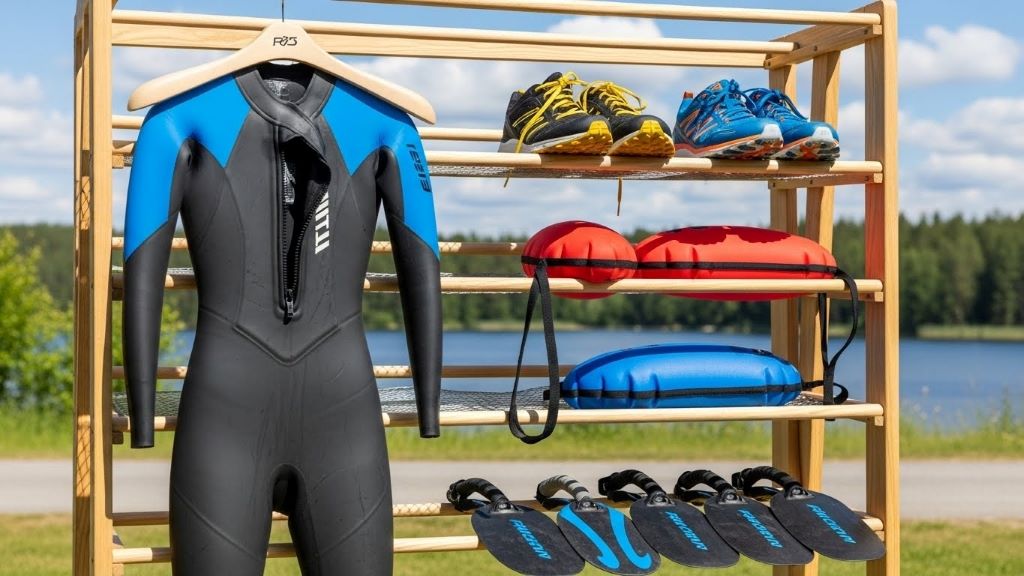
Consider investing in a portable gear drying rack with multiple tiers. These racks maximize vertical space while ensuring each item receives adequate airflow. Furthermore, they keep your equipment organized and easily accessible for your next training session.
Advanced Airflow Optimization Techniques
Strategic airflow placement accelerates drying while preventing damage. Position oscillating fans to create cross-ventilation patterns that reach every item in your drying station. However, avoid pointing fans directly at neoprene surfaces, which can cause uneven drying and material stress.
Create airflow channels by spacing items appropriately on your drying rack. Leave at least two inches between hanging garments to allow air circulation on all surfaces. Additionally, turn items inside-out periodically to ensure even drying. This technique proves especially important for wetsuits with thick neoprene sections.
Deploy multiple smaller fans rather than one large unit. This approach provides more consistent coverage across your entire gear collection. According to research from the American Council on Exercise, proper ventilation reduces bacterial growth by up to 85 percent in athletic equipment.
Temperature and Humidity Control Methods
Managing environmental conditions dramatically impacts drying efficiency. Ideal drying environments maintain temperatures between 60-75°F with relative humidity below 50 percent. These conditions prevent material damage while inhibiting bacterial growth.
Dehumidifiers extract moisture from the air, creating a drier environment that pulls water from your gear faster. Place your dehumidifier near your drying station and empty its reservoir regularly. Moreover, monitor humidity levels with an inexpensive hygrometer to optimize performance.
During humid summer months, consider running an air conditioner in your drying area. Lower temperatures might seem counterintuitive for drying, but reduced humidity compensates for the cooler air. Consequently, your gear dries thoroughly without heat-related damage.
Specialized Drying Solutions for Neoprene Items
Neoprene requires particular attention due to its unique properties. Always rinse your wetsuit thoroughly with fresh water immediately after use. Salt crystals and chlorine residue accelerate material degradation if left untreated. Therefore, this initial rinse represents your first line of defense against premature wear.
Hang wetsuits by their waists rather than shoulders to prevent stretching. Use a thick dowel or wetsuit hanger that distributes weight across the hip section. Additionally, ensure the zipper remains fully open to allow air circulation through the interior.
For faster drying, gently squeeze excess water from your wetsuit before hanging. Never wring or twist neoprene, as this damages the material’s cellular structure. Instead, press sections between your hands or roll the wetsuit in a large towel to absorb moisture.
Footwear Drying Optimization Strategies
Swimrun shoes present unique drying challenges due to their drainage holes and complex construction. Remove insoles immediately after use and dry them separately. This simple step reduces overall drying time by approximately 40 percent.
Stuff shoes with newspaper or microfiber cloths to absorb interior moisture. Replace the stuffing material every few hours until shoes feel dry. Furthermore, position shoes on their sides rather than upright to maximize drainage through their drainage ports.
Boot dryers designed for skiing or hiking work exceptionally well for swimrun footwear. These devices circulate warm air through shoe interiors without excessive heat. However, verify that temperature settings remain below 100°F to protect adhesives and synthetic materials.
Preventing Odor During the Drying Process
Bacterial odor prevention starts during the drying process rather than after it develops. Spray gear with a 50/50 mixture of water and white vinegar immediately after rinsing. This solution neutralizes odor-causing bacteria without damaging materials.
Alternatively, specialized sports equipment cleaners contain enzymes that break down organic matter. Apply these products according to manufacturer instructions during your post-session rinse. Additionally, some athletes successfully use diluted tea tree oil as a natural antibacterial agent.
Ensure complete drying before storing any gear. Even slightly damp equipment develops odors quickly in closed storage spaces. Therefore, verify that items feel completely dry to the touch, particularly in thick seams and reinforced areas.
Storage Solutions After Drying
Proper storage maintains your gear’s condition between drying and your next use. Never store damp equipment in closed bags or containers. Instead, use breathable mesh bags that allow residual moisture to escape while protecting gear from dust.
Hang wetsuits on appropriate hangers in a cool, dark closet. Folding creates permanent creases that weaken neoprene over time. Moreover, avoid storing wetsuits in garages or sheds where temperature fluctuations cause material stress.
Keep smaller items like pull buoys and hand paddles in ventilated bins. These containers protect equipment while maintaining air circulation. Additionally, store items away from direct sunlight and heat sources that cause premature degradation.
Time-Saving Drying Hacks for Busy Athletes
Training schedules often leave little time for elaborate gear maintenance. Implement these efficiency hacks to streamline your drying routine. First, rinse gear in the shower while you’re cleaning up after training. This multitasking approach saves several minutes per session.
Purchase duplicate sets of frequently used items like hand paddles and pull buoys. Having backup equipment eliminates the pressure to dry items immediately. Furthermore, rotation extends the lifespan of each piece by allowing thorough drying between uses.
Prepare your drying station the night before early morning sessions. Having everything ready reduces post-workout hassle when you’re rushed. Consequently, you’re more likely to follow proper drying protocols consistently.
Seasonal Considerations for Gear Drying
Winter and summer present distinct drying challenges requiring adapted strategies. Cold winter air holds less moisture, but indoor heating can dry gear too quickly, causing brittleness. During winter months, position gear away from radiators and heating vents.
Summer humidity extends drying times significantly. Combat this by running fans continuously and using dehumidifiers more aggressively. Additionally, consider drying gear during cooler evening hours when relative humidity drops naturally.
Coastal athletes face additional challenges from salt-laden air. Rinse gear more thoroughly in these environments and increase air circulation to prevent salt crystal formation. Moreover, inspect equipment regularly for signs of accelerated wear from salt exposure.
Monitoring Gear Condition During Drying
Regular inspection during the drying process helps identify potential issues before they become serious problems. Check for tears, loose seams, and material degradation while handling gear. Early detection allows for timely repairs that extend equipment lifespan.
Feel neoprene surfaces for soft spots indicating delamination between layers. These weak areas require immediate attention to prevent complete failure during competition. Furthermore, inspect zippers and velcro closures for debris that might impede function.
Document your gear’s condition with photos every few months. This visual record helps track degradation patterns and plan replacement purchases strategically. According to Runner’s World, proper maintenance can extend swimrun equipment lifespan by 40-60 percent compared to neglected gear.
Conclusion
Mastering advanced swimrun gear drying optimization methods protects your equipment investment while ensuring peak performance during every session. By implementing proper airflow management, humidity control, and material-specific techniques, you extend your gear’s lifespan significantly. Remember that consistent application of these methods matters more than perfection. Start with the basics like immediate rinsing and proper hanging, then gradually incorporate advanced strategies like environmental controls and specialized drying equipment. Your gear will reward you with better performance and longevity.
Frequently Asked Questions
How long should a wetsuit take to dry completely?
A properly maintained wetsuit typically requires 24-36 hours to dry completely in optimal conditions. However, thick winter wetsuits may need up to 48 hours. Always verify dryness by feeling interior seams and thick sections before storage.
Can I use a clothes dryer for my swimrun gear?
Never use a clothes dryer for neoprene items, as the heat permanently damages the material. However, mesh bags, some running apparel, and certain accessories can tolerate low-heat tumble drying. Always check manufacturer care labels before machine drying any equipment.
What’s the best way to dry a wetsuit quickly for back-to-back training sessions?
For rapid drying between sessions, use a wetsuit-specific hanger in front of multiple fans with a dehumidifier running. Additionally, turn the wetsuit inside-out after the exterior dries. This method can reduce drying time to 12-18 hours.
How do I eliminate existing odor from my swimrun gear?
Soak odorous items in a solution of cool water mixed with specialized wetsuit shampoo or white vinegar for 30 minutes. Rinse thoroughly and dry completely using optimized airflow methods. Enzyme-based sports cleaners also effectively eliminate embedded bacteria causing persistent odors.
Should I dry my swimrun gear in direct sunlight?
Avoid drying neoprene and most synthetic materials in direct sunlight. UV radiation degrades these materials rapidly, causing premature aging and reduced performance. Instead, choose shaded areas with excellent ventilation for all swimrun equipment drying.
Related Topics: