

Coming home after a long workday leaves most people exhausted and hungry. The last thing anyone wants is to spend an hour chopping vegetables and preparing ingredients. Fortunately, The Funky Kitchen offers creative solutions for busy individuals seeking satisfying meals without the hassle. Zero-chop recipes eliminate prep work entirely, allowing you to eat well without sacrificing precious evening hours.
The beauty of no-chop cooking lies in smart ingredient selection and strategic planning. Many grocery stores now offer pre-washed salads, rotisserie chickens, canned beans, and frozen vegetables that retain their nutritional value. These time-saving products transform dinner preparation from a chore into a simple assembly process. Additionally, one-pot meals and sheet pan recipes minimize cleanup, addressing another common source of post-work stress.
For those seeking inspiration beyond basic preparations, exploring easy dinner recipes for busy people provides numerous options that balance convenience with flavor. However, understanding the core principles of zero-chop cooking empowers anyone to create their own variations based on personal preferences and dietary needs.
Understanding Zero-Chop Cooking Fundamentals
Zero-chop meals rely on ingredients requiring minimal or no knife work. Canned goods, pre-cooked proteins, frozen vegetables, and whole foods like cherry tomatoes form the foundation. These ingredients maintain quality while eliminating tedious preparation steps. Moreover, modern food technology ensures frozen vegetables often contain more nutrients than their fresh counterparts sitting in refrigerators for days.
The key involves strategic shopping and pantry organization. Keeping essentials like pasta, rice, canned tomatoes, and beans readily available creates countless meal possibilities. Therefore, weekend grocery trips should focus on grab-and-go items that simplify weeknight cooking. This approach reduces decision fatigue and ensures healthy eating remains accessible even during exhausting weeks.
Quick Protein Solutions Without Cutting Boards
Protein forms the centerpiece of satisfying meals, yet raw meat preparation often requires the most work. Rotisserie chickens from grocery stores provide ready-to-eat protein perfect for various dishes. Simply shred the meat with two forks for tacos, salads, or pasta additions. Similarly, canned fish like tuna, salmon, and sardines offer omega-3 fatty acids without any preparation.
Pre-cooked sausages, deli meats, and frozen meatballs eliminate cooking time entirely. These options work wonderfully in pasta dishes, sandwiches, or paired with microwaved vegetables. Additionally, eggs cook quickly and require no chopping, making omelets, scrambles, or fried egg rice bowls excellent choices. According to Harvard Health, eggs provide high-quality protein and essential nutrients, supporting energy levels after demanding workdays.
Canned beans and lentils deserve special mention as plant-based protein powerhouses. They require only rinsing and heating, fitting perfectly into burritos, grain bowls, or soup bases. Consequently, vegetarians and meat-eaters alike benefit from keeping various bean types stocked in pantries.
Pasta Perfection in Minutes
Pasta dishes excel at zero-chop convenience while delivering comfort food satisfaction. Start with any pasta shape and combine with jarred marinara sauce, canned tomatoes, or pesto. Add protein from canned tuna, pre-cooked chicken, or frozen shrimp that cooks directly in boiling water.
Throw in frozen spinach, peas, or broccoli florets during the last few minutes of pasta cooking. These vegetables require no thawing or chopping and boost nutritional content significantly. Furthermore, finishing dishes with pre-grated Parmesan cheese and a drizzle of olive oil creates restaurant-quality flavor without extra effort.
One-pot pasta recipes simplify the process further by cooking everything in a single vessel. Combine pasta, liquid, sauce, and frozen vegetables in one pot, bringing everything to a boil together. This method reduces dishes and infuses pasta with concentrated flavors as ingredients cook simultaneously.
Rice Bowl Revolution
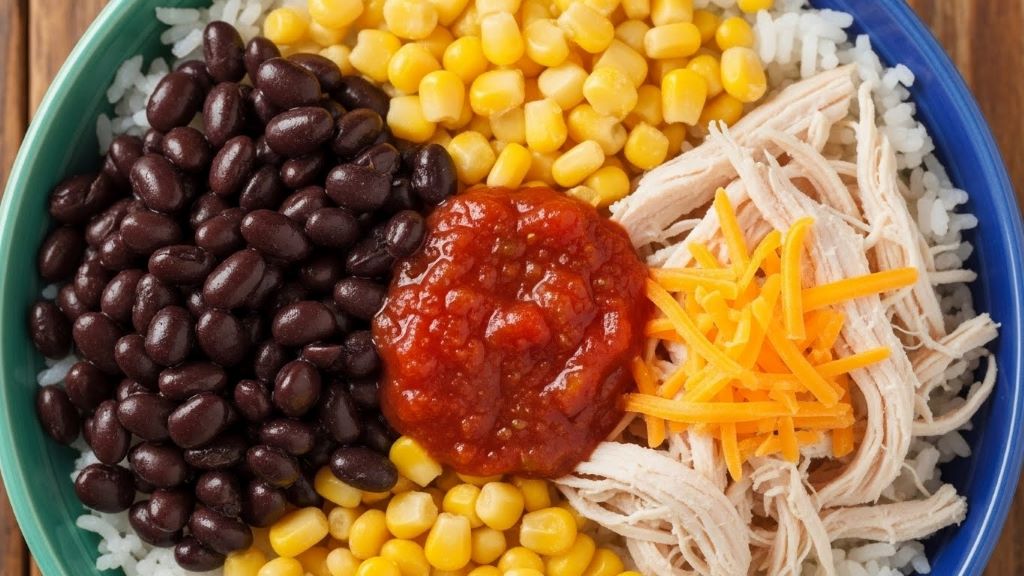
Rice bowls offer endless customization possibilities while maintaining zero-chop simplicity. Start with microwaveable rice pouches or leftover rice from previous meals. Layer with canned black beans, frozen corn, salsa, and pre-cooked chicken for a Southwestern-inspired bowl.
Asian-inspired variations work equally well using frozen stir-fry vegetables, rotisserie chicken, and bottled teriyaki or soy sauce. Add sesame seeds and sriracha for extra flavor dimension. Meanwhile, Mediterranean bowls combine rice with canned chickpeas, cherry tomatoes, cucumber slices, and store-bought hummus.
The beauty of bowl meals lies in their flexibility and visual appeal. Each component maintains its integrity while contributing to a balanced, satisfying meal. Therefore, keeping various canned goods, frozen vegetables, and sauces stocked ensures different flavor profiles throughout the week without repetition.
Sheet Pan Magic with Minimal Effort
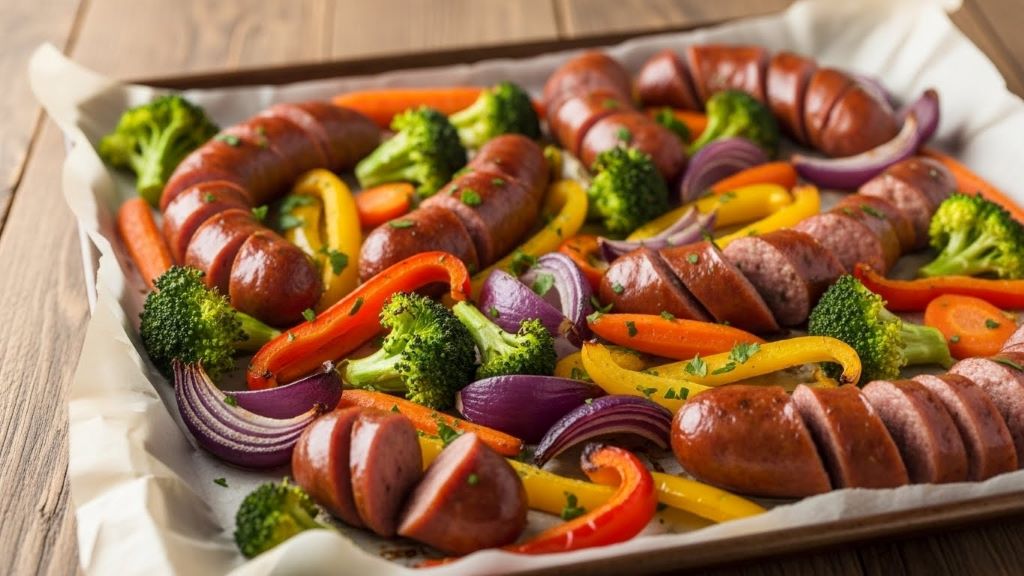
Sheet pan dinners represent the ultimate hands-off cooking method. Line a baking sheet with parchment paper and arrange pre-marinated proteins or sausages alongside frozen vegetables. Drizzle with olive oil, season with salt and pepper, then roast at 400 degrees Fahrenheit for 20-25 minutes.
Frozen Brussels sprouts, cauliflower, and green beans roast beautifully without any prep work. Add cherry tomatoes whole for bursts of sweetness that complement savory elements. Additionally, pre-cut potato wedges or baby potatoes provide satisfying carbohydrates without peeling or chopping.
Sheet pan meals require virtually no monitoring during cooking, freeing time for relaxation or other tasks. The high heat caramelizes vegetables and proteins, creating depth of flavor typically associated with more labor-intensive preparations. Cleanup involves only the sheet pan itself, making this method particularly appealing for exhausted cooks.
Soup and Stew Shortcuts
Hearty soups and stews provide comfort without demanding knife skills. Start with store-bought broth or stock as the foundation. Add canned beans, frozen vegetables, canned tomatoes, and pre-cooked proteins like rotisserie chicken or canned chicken.
Season with pre-mixed spice blends, garlic powder, and dried herbs for instant flavor complexity. Simmer everything together for 15-20 minutes, allowing flavors to meld while requiring minimal attention. Moreover, these dishes often taste better the next day, making them excellent candidates for batch cooking during slightly less exhausting evenings.
Chili presents another no-chop option combining canned beans, canned tomatoes, ground meat or meat substitute, and chili seasoning packets. Everything cooks together in one pot, creating a filling meal perfect for cold evenings. Serve with store-bought cornbread or tortilla chips for added satisfaction.
Sandwich and Wrap Innovations
Sandwiches transcend basic lunch food when approached with creativity. Use quality bread, bagels, or tortillas as the foundation. Layer with deli meats, pre-sliced cheese, and pre-washed lettuce or spinach. Add jarred roasted peppers, pickles, or olive tapenade for gourmet touches.
Wraps offer similar convenience with added portability. Spread hummus or cream cheese on tortillas, add rotissary chicken or canned tuna, then pile on pre-shredded coleslaw or bagged salad greens. Roll tightly and slice in half for a satisfying dinner requiring less than five minutes of active preparation.
Grilled cheese variations elevate this childhood favorite into adult dinner territory. Add sliced tomatoes, jarred pesto, or canned jalapeños between cheese layers before grilling. Serve alongside canned soup for a comforting meal reminiscent of simpler times yet appropriate for busy adult schedules.
Strategic Shopping for Zero-Chop Success
Successful zero-chop cooking begins at the grocery store with intentional purchasing decisions. Focus shopping trips on the perimeter where prepared foods, rotisserie chickens, and pre-cut produce live. Stock up on canned goods during sales, building a pantry that supports spontaneous meal creation.
Frozen food aisles deserve careful exploration beyond typical selections. Quality frozen vegetables, pre-cooked grains, and frozen proteins offer convenience without compromising nutrition. According to Mayo Clinic, frozen fruits and vegetables often preserve nutrients better than fresh produce transported long distances.
Investing in quality convenience products pays dividends in saved time and reduced stress. Therefore, viewing higher-priced prepared items as time purchases rather than food expenses helps justify the investment. The mental and physical relief from eliminating meal prep work during exhausting weeks proves invaluable for overall wellbeing.
Conclusion
Zero-chop meal ideas transform after-work cooking from a dreaded chore into a manageable task. By embracing prepared ingredients, strategic shopping, and simple cooking methods, anyone can enjoy nutritious, satisfying dinners without exhausting knife work. These approaches acknowledge modern life’s demands while prioritizing health and home cooking over expensive takeout alternatives. The combination of smart pantry stocking, one-pot methods, and quality convenience products creates a sustainable system for feeding yourself well despite demanding schedules. Ultimately, zero-chop cooking represents practical self-care that supports both physical health and mental wellbeing during life’s busiest seasons.
Frequently Asked Questions
Are zero-chop meals as nutritious as traditional cooking methods?
Yes, zero-chop meals can be equally nutritious when using quality ingredients. Frozen vegetables retain vitamins and minerals effectively, while canned beans and fish provide essential proteins and nutrients. The key involves selecting whole food options rather than heavily processed convenience items with excessive sodium or preservatives.
How much money can I save compared to ordering takeout regularly?
Most zero-chop meals cost between five to ten dollars per serving when using pantry staples and strategic shopping. Takeout typically ranges from twelve to twenty dollars per meal. Therefore, cooking at home saves approximately fifty to seventy percent while offering better nutrition and portion control.
What essential items should I keep stocked for zero-chop cooking?
Essential pantry items include canned beans, tomatoes, tuna, pasta, rice, and various sauces. Freezer staples should include mixed vegetables, pre-cooked proteins, and microwaveable grain pouches. Refrigerator essentials include rotisserie chicken, pre-washed salads, eggs, and cheese for maximum meal flexibility.
Can zero-chop meals accommodate dietary restrictions?
Absolutely. Zero-chop cooking works well for vegetarian, vegan, gluten-free, and dairy-free diets. Substitute ingredients according to restrictions while maintaining the no-prep philosophy. Many prepared foods now cater to specific dietary needs, making specialized zero-chop meals increasingly accessible.
How long do typical zero-chop meals take from start to finish?
Most zero-chop meals require between fifteen to thirty minutes total time, including cooking. Some options like sandwiches or rice bowls take under ten minutes. The time savings comes from eliminated prep work rather than faster cooking methods, making these meals ideal for extremely busy weeknights.
Related Topics:
How to Set Up Secure Parental Controls on Gaming Consoles: A 2025 Guide