

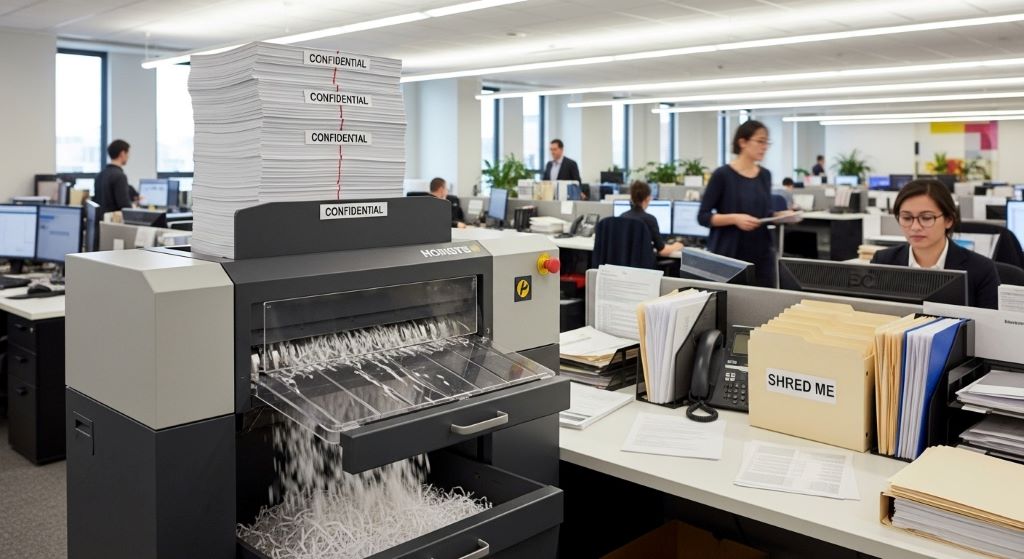
In today’s business environment, protecting sensitive information has become more critical than ever. Companies generate massive amounts of confidential documents daily, from financial records to employee files. Therefore, investing in equipment that can manage this workload efficiently is essential for maintaining both security and productivity.
Heavy-duty shredders are specifically designed to meet the demanding needs of busy offices. Unlike standard models, these machines can process substantial quantities of paper without overheating or breaking down. Furthermore, they incorporate advanced features that allow for extended operation periods, making them ideal for organizations with significant destruction requirements.
Understanding High-Volume Shredding Needs
Modern businesses face unique challenges when it comes to document destruction. Legal requirements mandate that certain information must be disposed of securely. Additionally, the sheer quantity of paperwork generated in typical office operations can quickly overwhelm basic shredding equipment.
Organizations that process large volumes of documents need reliable solutions. Banks, hospitals, law firms, and government agencies regularly handle sensitive materials that require immediate and thorough destruction. Consequently, these institutions depend on equipment capable of maintaining consistent performance throughout the workday.
The cost of data breaches has skyrockated in recent years. Companies can face substantial fines, legal actions, and reputation damage if confidential information falls into the wrong hands. Therefore, proper document destruction is not just a convenience but a business necessity.
Key Features of Heavy-Duty Shredders
Several characteristics distinguish industrial-grade shredders from consumer models. Understanding these features helps organizations make informed purchasing decisions that align with their operational needs.
Motor Power and Durability
The motor represents the heart of any shredding system. Heavy-duty models utilize powerful motors that can sustain prolonged operation without experiencing thermal shutdown. These motors are engineered with superior cooling systems that dissipate heat effectively during extended use.
Moreover, commercial-grade motors are built with higher-quality components. They feature reinforced bearings, enhanced electrical systems, and robust housing that protects internal mechanisms from dust and debris. This construction ensures longevity even under demanding conditions.
Cutting Mechanism Design
The cutting assembly in professional shredders differs significantly from residential versions. Industrial units employ hardened steel blades arranged in precise configurations. These blades maintain their sharpness over time, ensuring consistent cutting performance across thousands of sheets.
Additionally, the blade arrangement determines the security level of the shred. Cross-cut and micro-cut patterns provide superior protection compared to strip-cut designs. Heavy-duty machines can produce confetti-sized particles that make document reconstruction virtually impossible.
Sheet Capacity and Throat Width
One crucial specification is how many sheets the machine can accept simultaneously. Professional models typically handle anywhere from 20 to 100 sheets per pass. This capacity dramatically reduces the time required to process large document batches.
The throat width also matters considerably. Wider feed openings accommodate various document sizes, including legal-size papers and computer printouts. Some models feature special slots for credit cards, CDs, and other materials requiring destruction.
Continuous Operation Capabilities
The ability to run for extended periods without interruption sets commercial shredders apart from basic models. This characteristic proves essential for departments processing hundreds or thousands of documents daily.
Thermal Protection Systems
A continuous run shredder incorporates sophisticated thermal monitoring technology. These systems track internal temperatures and adjust motor performance to prevent overheating. When temperatures approach critical levels, the machine either reduces speed or initiates a brief cooling cycle.
However, well-designed units rarely need to activate these protective measures during normal operation. Their efficient cooling systems maintain safe operating temperatures even during prolonged use. This reliability ensures that workflow interruptions remain minimal.
Duty Cycle Ratings
Manufacturers specify duty cycles that indicate how long a shredder can operate before requiring rest. Heavy-duty models often feature ratings of several hours of continuous operation. Some premium units can run virtually non-stop throughout an entire workday.
Understanding duty cycles helps organizations match equipment to their workload. A department shredding continuously for eight hours needs different capabilities than one with intermittent usage. Therefore, evaluating actual usage patterns before purchase is crucial.
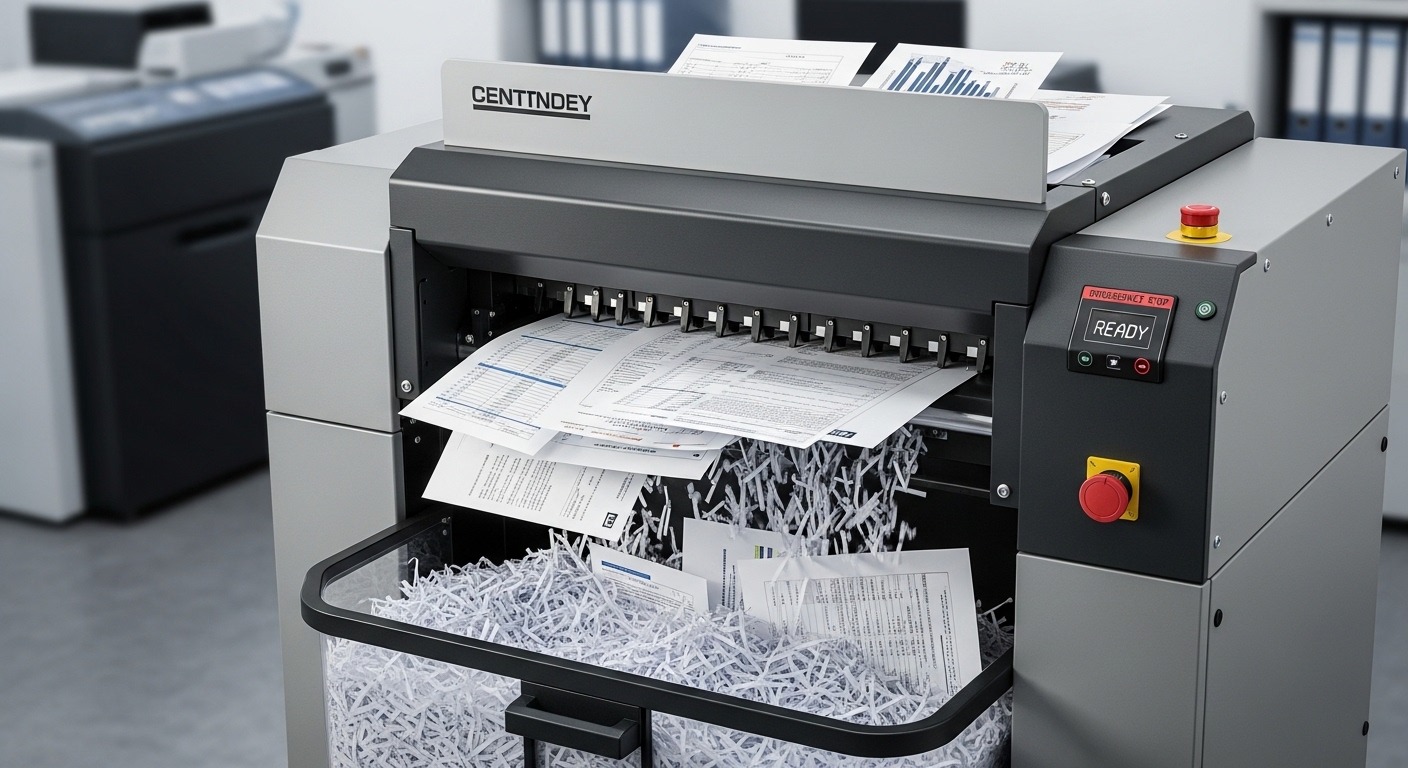
Managing High Volume Shredding Efficiently
Simply owning capable equipment does not guarantee optimal performance. Organizations must implement proper procedures and maintenance practices to maximize their investment.
Workflow Organization
Establishing systematic processes improves efficiency significantly. Designating specific times for shredding helps consolidate the task rather than interrupting work repeatedly. Additionally, collecting documents in secure bins until reaching sufficient volume makes better use of machine capabilities.
Creating dedicated shredding stations prevents bottlenecks. When multiple employees need to destroy documents, having accessible equipment reduces waiting times. Furthermore, positioning shredders near areas where confidential documents are generated streamlines the destruction process.
Proper Loading Techniques
Operating heavy-duty equipment correctly extends its lifespan and maintains performance. Avoiding overloading beyond rated capacity prevents jams and mechanical stress. Even though machines can handle substantial sheet counts, consistently maxing out capacity accelerates wear.
Furthermore, removing staples and paper clips before shredding is advisable. While many commercial units can handle these fasteners, metal objects still stress cutting mechanisms. Taking a moment to remove them preserves blade sharpness longer.
Regular Maintenance Requirements
All mechanical equipment benefits from routine care. Emptying waste bins before they overflow prevents paper dust from circulating back into the machine. This simple step significantly reduces internal contamination that can impair performance.
Additionally, periodic blade lubrication keeps cutting mechanisms operating smoothly. Special shredder oils are available that condition blades while simultaneously reducing friction. Following manufacturer recommendations for lubrication frequency ensures optimal performance.
Security Levels and Compliance
Different industries face varying regulatory requirements regarding document destruction. Understanding security classifications helps organizations select appropriate equipment and processes.
DIN Security Standards
The DIN 66399 standard provides internationally recognized security levels. These classifications range from P-1 (basic strip-cut) to P-7 (maximum security micro-cut). Organizations handling sensitive information typically require P-4 or higher, which produces particles small enough to prevent reconstruction.
Moreover, compliance requirements often specify destruction methods explicitly. Healthcare providers subject to HIPAA regulations need equipment meeting specific security thresholds. Similarly, financial institutions must adhere to standards protecting customer information.
Verification and Documentation
Some organizations require proof of destruction for audit purposes. Advanced shredders can integrate with tracking systems that log destruction activities. This documentation demonstrates compliance during regulatory reviews or legal proceedings.
Furthermore, establishing clear policies about what requires shredding prevents accidental disposal of important records. Training employees to recognize confidential materials ensures nothing slips through unnoticed. Therefore, combining capable equipment with proper procedures creates comprehensive security.
Cost Considerations and Return on Investment
Investing in heavy-duty shredding equipment represents a significant expenditure. However, examining total ownership costs reveals the value these machines provide over their operational lifetime.
Initial Purchase Price
Commercial-grade shredders cost considerably more than consumer models. Prices range from several hundred to several thousand dollars depending on capabilities. Nevertheless, this upfront investment delivers substantially better performance and longevity.
Additionally, purchasing equipment outright eliminates ongoing service fees. While shredding services charge per pound or box, owned machines incur only electricity and maintenance costs. Organizations with regular high volume shredding typically recover their investment within one to two years.
Operational Efficiency Gains
Time savings represent another important consideration. Employees spending hours feeding documents into inadequate equipment waste valuable productive time. Efficient machines complete the same tasks in a fraction of the time, freeing staff for higher-value activities.
Moreover, reducing equipment downtime prevents workflow disruptions. Reliable machines minimize the frustration and delays associated with jams, overheating, and breakdowns. Therefore, productivity improvements often justify the higher initial cost.
Security and Liability Protection
The potential costs of data breaches far exceed equipment expenses. A single incident can result in massive fines, legal fees, and reputation damage. Investing in reliable destruction capabilities protects against these catastrophic scenarios.
Furthermore, demonstrating due diligence through proper equipment and procedures may reduce liability exposure. Courts and regulators look more favorably on organizations that have taken reasonable precautions. Consequently, quality shredding equipment serves as both practical tool and insurance policy.
Selecting the Right Equipment
Choosing appropriate shredding equipment requires careful analysis of organizational needs and usage patterns. Several factors warrant consideration during the selection process.
Assessing Volume Requirements
Accurately estimating shredding needs prevents both over-buying and under-buying. Tracking document generation over several weeks provides reliable data. Organizations should account for peak periods when determining capacity requirements.
Additionally, planning for growth makes sense when making long-term investments. Equipment purchased today should accommodate anticipated increases in document volume. Therefore, selecting machines with some excess capacity provides flexibility for expansion.
Evaluating Space Constraints
Physical dimensions matter significantly in office environments. Heavy-duty shredders occupy more space than compact consumer models. Measuring available areas and ensuring adequate clearance prevents installation problems.
Moreover, considering noise levels is important in open office layouts. While commercial machines run louder than small desktop units, sound-dampening features can minimize disturbance. Placing shredders in dedicated rooms or corners helps contain noise.
Comparing Features and Specifications
Different manufacturers offer various feature combinations. Some prioritize speed, while others emphasize security level or quiet operation. Identifying which characteristics matter most to your organization guides selection.
Furthermore, reading reviews from similar businesses provides valuable insights. Understanding real-world performance helps set realistic expectations. Therefore, researching thoroughly before purchasing prevents costly mistakes.
Future Trends in Document Destruction
Technology continues advancing in the shredding industry. Understanding emerging trends helps organizations prepare for evolving needs and capabilities.
Smart Connectivity Features
Modern shredders increasingly incorporate network connectivity and monitoring capabilities. These features enable remote diagnostics, usage tracking, and maintenance scheduling. Administrators can monitor multiple machines across facilities from centralized dashboards.
Additionally, integration with document management systems creates comprehensive information lifecycle management. Digital tracking from creation through destruction ensures nothing falls through cracks. This connectivity transforms shredders from isolated tools into integrated security components.
Environmental Considerations
Sustainability concerns are driving innovation in shredding technology. Manufacturers are developing more energy-efficient motors and recyclable components. Furthermore, shredded material increasingly gets recycled rather than landfilled.
Organizations are also examining total environmental impact. Some are shifting toward digital processes that reduce paper usage altogether. However, for documents that must exist in physical form, efficient destruction remains necessary.
Conclusion
Heavy-duty office shredders represent essential tools for organizations handling substantial quantities of confidential documents. These machines combine powerful motors, durable construction, and advanced features that enable sustained high-performance operation. Understanding the characteristics that define quality equipment helps businesses make informed purchasing decisions aligned with their security and productivity needs.
Effective document destruction requires more than just capable equipment. Organizations must implement proper workflows, maintenance procedures, and employee training to maximize their investment. Furthermore, selecting shredders that meet both current demands and anticipated growth ensures long-term value.
The costs of inadequate document security can be devastating. Data breaches result in financial penalties, legal consequences, and reputation damage that far exceed equipment expenses. Therefore, investing in reliable continuous run shredder technology protects organizations against these serious risks while simultaneously improving operational efficiency.
As businesses continue generating substantial paper documentation, the need for dependable high volume shredding solutions will persist. Choosing equipment built to handle demanding workloads ensures that sensitive information receives prompt, thorough destruction. This combination of security, efficiency, and reliability makes heavy-duty shredders indispensable tools in modern office environments.
Frequently Asked Questions
What is the difference between a continuous run shredder and a regular shredder?
A continuous run shredder can operate for extended periods without overheating, often for several hours straight. Regular shredders typically require frequent cooling breaks after just minutes of use. Continuous models feature more powerful motors, better cooling systems, and components designed for sustained operation.
How many sheets can heavy-duty shredders handle at once?
Heavy-duty models typically process between 20 and 100 sheets per pass, depending on the specific machine. This capacity significantly exceeds standard shredders, which usually handle 8-12 sheets. The exact capacity depends on paper thickness and the shredder’s motor power.
Do I need to remove staples before shredding documents?
While many commercial shredders can handle staples and small paper clips, removing them extends blade life and reduces wear on cutting mechanisms. Check your specific model’s capabilities, but removing metal fasteners is generally recommended as a best practice for maintaining optimal performance.
How often should I oil my office shredder?
Most manufacturers recommend oiling shredder blades after every 30 minutes of cumulative run time or whenever performance seems diminished. For high-volume operations, this might mean daily or weekly lubrication. Always use specialized shredder oil rather than general lubricants to avoid damage.
What security level shredder do I need for confidential business documents?
Most businesses handling sensitive information should use at least a P-4 security level shredder according to DIN 66399 standards. This produces cross-cut particles approximately 2x15mm in size. Organizations subject to specific regulations like HIPAA or financial industry requirements may need P-5 or higher security levels.
Related Topics:
Inside the Imperia Ravioli Maker: Build, Quality And Performance Review
Organic Floral Décor Options for Toxin-Free Events