

Keeping fish healthy requires proper equipment, but building an aquarium doesn’t have to drain your wallet. Many newcomers to the hobby assume that quality equipment always comes with a hefty price tag. Fortunately, this isn’t true. You can find reliable pumps that keep your tank thriving without spending a fortune.
Understanding what makes a pump effective helps you identify genuine value versus marketing hype. This guide will walk you through everything you need to know about selecting budget fish tank pumps that deliver excellent performance. You’ll learn which features matter most, which ones you can skip, and how to spot quality products at lower price points.
Understanding What Aquarium Pumps Actually Do
Before shopping for pumps, you need to understand their role in your aquarium ecosystem. Pumps serve several critical functions that directly impact your fish’s health and survival.
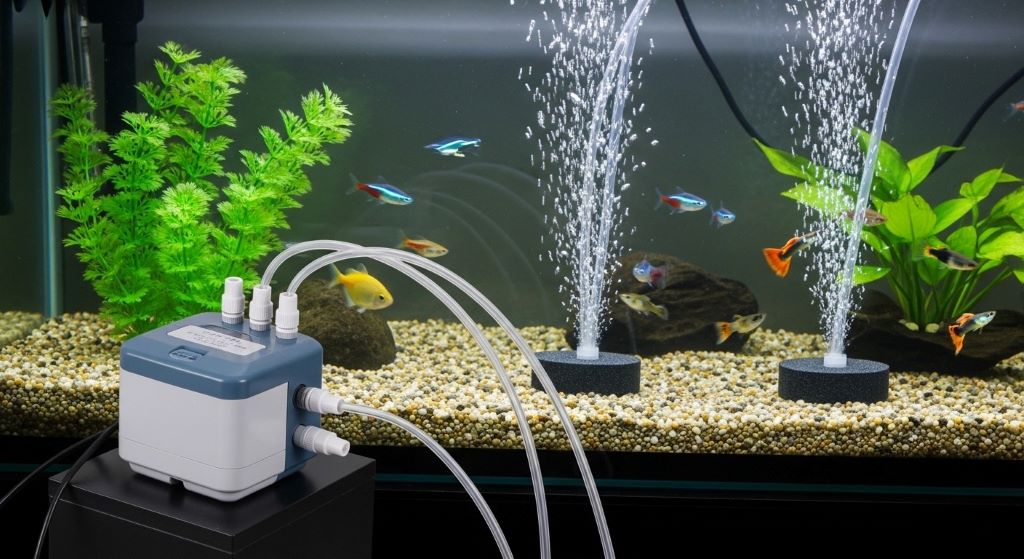
Air pumps push oxygen into your tank through air stones or decorative features. This oxygenation is vital for fish respiration and beneficial bacteria growth. Without adequate oxygen, fish become stressed and your biological filtration suffers.
Water pumps circulate water throughout your tank and power filtration systems. This circulation prevents dead zones where waste accumulates and ensures even temperature distribution. Additionally, water movement at the surface facilitates gas exchange, allowing oxygen in and carbon dioxide out.
Some pumps combine both functions, while others specialize in one task. Your tank size, fish species, and setup will determine which type you need. A planted tank with few fish might need minimal aeration, whereas a densely stocked tank requires robust circulation.
Determining Your Actual Pump Requirements
One of the biggest mistakes aquarium owners make is buying the wrong size pump for their needs. This wastes money and can actually harm your aquatic environment.
Start by calculating your tank volume accurately. Multiply length times width times height in inches, then divide by 231 to get gallons. Many people guess and end up with inadequate equipment.
For air pumps, consider how many outlets you need. Each air stone, sponge filter, or decoration requires its own connection. A single outlet pump works for basic setups, but multiple features require multi-outlet models or manifolds.
Water pump flow rate is measured in gallons per hour (GPH). A general rule suggests turning over your tank volume four to six times hourly. Therefore, a 20-gallon tank needs 80 to 120 GPH. However, this varies based on your fish species and filtration method.
Fish that prefer calm water, like bettas, need gentler flow. Active swimmers from rivers and streams appreciate stronger currents. Research your specific species before deciding on flow rates.
Key Features That Impact Performance and Value
Not all pump features justify their cost. Understanding which elements actually improve performance helps you make smarter purchasing decisions.
Adjustable flow control is incredibly valuable. This feature lets you fine-tune output without buying a completely different pump. As your tank matures or you add new fish, you can modify flow rates accordingly.
Energy efficiency directly affects long-term costs. A pump runs continuously, so electricity usage adds up over months and years. Look for models that specify wattage and calculate annual operating costs before purchasing.
Noise level matters more than many people realize. A loud pump in your bedroom or living area becomes irritating quickly. Read reviews specifically mentioning noise, as specifications don’t always tell the whole story.
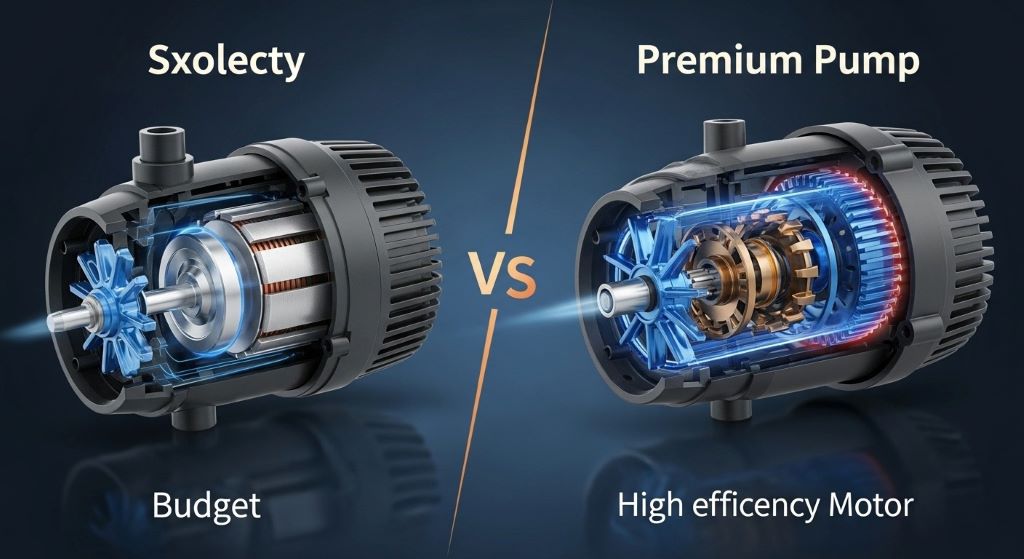
Durability determines whether your budget purchase stays affordable long-term. A cheap pump that fails after six months costs more than a moderately priced model lasting five years. Research brand reliability and warranty coverage.
Replacement part availability extends pump lifespan significantly. Diaphragms, impellers, and tubing eventually wear out. If you can replace these components cheaply, your initial investment goes much further.
Where to Find the Best Deals on Quality Pumps
Shopping strategically can save substantial money without compromising quality. Knowing where and when to buy makes a significant difference.
Online retailers often offer better prices than local pet stores. However, shipping costs can eliminate savings on smaller items. Compare total costs including delivery before purchasing.
End-of-season sales provide excellent opportunities for savings. Aquarium equipment often goes on sale during late fall and winter when fewer people start new tanks. Planning ahead lets you take advantage of these discounts.
Used equipment marketplaces can yield amazing deals. Many hobbyists upgrade their systems and sell perfectly functional pumps at fraction of retail prices. Local aquarium club forums, Facebook groups, and classified sites are gold mines for secondhand gear.
When buying used, inspect pumps carefully or request videos showing them running. Ask about age and any issues encountered. A well-maintained used pump from a quality brand often outperforms a new cheap alternative.
Generic or store-brand pumps sometimes match name-brand quality at lower prices. Large pet store chains commission products from the same factories producing premium brands. These alternatives work identically but cost less due to minimal marketing expenses.
Evaluating Cheap Aquarium Pump Guide Reviews Effectively
Reviews help identify quality products, but not all reviews are equally useful. Learning to read between the lines reveals important information.
Look for reviews from verified purchasers who’ve used pumps for months, not days. Initial impressions don’t reveal durability issues or long-term performance problems. Reviews posted six months after purchase carry more weight.
Pay attention to specific complaints rather than vague criticisms. If multiple reviews mention the same issue, like a particular part failing, that’s a red flag. Isolated complaints might reflect user error or defective individual units.
Consider the reviewer’s experience level. Beginners might not recognize normal pump behavior, leading to unfair negative reviews. Conversely, experienced aquarists can identify subtle quality differences.
Review quantity matters too. A pump with 500 reviews averaging 4.2 stars is usually safer than one with 15 reviews averaging 4.8 stars. Larger sample sizes provide more reliable data.
Watch for suspiciously positive reviews lacking detail. Fake reviews often use generic praise without mentioning specific features or real-world usage scenarios.
Understanding the True Cost of Ownership
The sticker price tells only part of the story. Calculating total ownership costs prevents unpleasant surprises and helps identify genuine bargains.
Energy consumption adds up significantly over time. A pump using 15 watts running continuously costs approximately 10 to 15 dollars annually in electricity, depending on your local rates. Over five years, that’s 50 to 75 dollars on top of purchase price.
Replacement parts factor into long-term costs. Some cheap pumps require frequent diaphragm or impeller replacements. If these parts cost 10 dollars every six months, you’ll spend 100 dollars over five years just maintaining the pump.
Tubing, check valves, and air stones wear out regardless of pump quality. However, certain pumps damage these accessories faster due to excessive pressure or vibration. Factor in replacement frequency when comparing options.
Warranty coverage provides peace of mind and potential savings. A one-year warranty protects against manufacturing defects, whereas 30-day coverage leaves you vulnerable. Some manufacturers offer excellent customer service, replacing faulty units even outside warranty periods.
Spotting Quality in Low Cost Aquarium Equipment
Affordable doesn’t mean poorly made. Certain indicators help you identify well-constructed pumps regardless of price.
Weight often correlates with quality. Heavier pumps typically contain better motors and more robust housings. Extremely lightweight models might use flimsy components that fail quickly.
Material quality is visible even in product photos. Look for pumps with rubber feet rather than plastic, as these dampen vibration better. Metal components generally outlast plastic equivalents in high-wear areas.
Detailed specifications suggest manufacturer confidence. Companies proud of their products provide comprehensive technical information. Vague descriptions might indicate the manufacturer has something to hide.
Established brands entering the budget market often produce excellent value options. These companies leverage their expertise and manufacturing relationships to create affordable lines without sacrificing core quality.
Customer service responsiveness matters when problems arise. Companies that answer questions promptly and solve issues fairly are worth supporting, even if their prices run slightly higher than absolute bottom-tier options.
Matching Pumps to Different Tank Types
Different aquarium setups have unique requirements. Choosing pumps designed for your specific situation ensures optimal performance.
Small desktop tanks under 10 gallons need gentle pumps. Overpowered equipment creates excessive turbulence that stresses fish and disrupts carefully arranged decorations. Mini air pumps and nano filters work perfectly for these applications.
Standard community tanks from 20 to 55 gallons represent the sweet spot for budget equipment. This size range has the most competitive market, with numerous affordable options delivering solid performance. You’ll find the best value here.
Large tanks over 75 gallons require more powerful pumps, which cost more. However, you can often use multiple smaller pumps instead of one large unit. This approach provides redundancy and sometimes costs less overall.
Saltwater tanks demand more robust circulation than freshwater setups. The higher oxygen requirements and need for strong water movement mean you should budget more for pumping equipment. Don’t try to cut corners here, as inadequate circulation causes serious problems.
Planted tanks benefit from gentle, directional flow that doesn’t uproot plants or create excessive surface agitation. Look for pumps with adjustable flow and consider wavemakers that create gentle currents.
Common Mistakes to Avoid When Shopping
Learning from others’ errors saves money and frustration. These common pitfalls catch many budget-conscious aquarists.
Buying undersized pumps to save money backfires badly. Insufficient circulation leads to poor water quality, sick fish, and ultimately higher costs treating problems or replacing livestock. Always meet minimum requirements, even if it stretches your budget slightly.
Ignoring noise levels creates daily annoyance. That five-dollar savings isn’t worth losing sleep or constant background buzzing. Spend a bit more for quieter operation, especially for bedroom or office tanks.
Choosing style over substance costs money long-term. Decorative pumps with elaborate housings often prioritize appearance over functionality. Simple, industrial designs usually deliver better performance per dollar.
Forgetting about backup equipment leaves you vulnerable. When a pump fails at 2 AM, you can’t just run to the store. Having a spare air pump or powerhead prevents emergency situations from becoming disasters.
Overlooking bundle deals misses potential savings. Starter kits often include pumps, filters, and other essentials at lower total cost than buying separately. Even if you don’t need everything immediately, future-proofing can be economical.
Maximizing Performance from Budget Pumps
Getting the most from affordable equipment involves proper installation, maintenance, and realistic expectations.
Positioning pumps correctly dramatically impacts their effectiveness. Air pumps work best above tank level to prevent back-siphoning. If this isn’t possible, install check valves to protect your pump. Water pumps should sit in areas with good flow to prevent running dry.
Regular cleaning maintains performance and extends lifespan. Impellers accumulate debris that reduces efficiency and increases motor strain. Cleaning monthly takes minutes but adds years to pump life.
Using quality accessories improves overall system performance. Cheap tubing degrades quickly and restricts airflow. Spending a few extra dollars on better tubing, air stones, and connectors maximizes your pump’s output.
Dialing in flow rates prevents wasted electricity. Many hobbyists run pumps at maximum capacity unnecessarily. Adjusting to the minimum effective rate reduces energy costs and wear on components.
Creating water movement patterns enhances circulation efficiency. Position pump outlets to create circular flow rather than direct streams. This moves more water with less power.
Building Your Equipment Collection Gradually
You don’t need everything immediately. Starting with essentials and adding equipment over time spreads costs and helps you learn what your specific tank actually needs.
Begin with filtration and basic aeration. These are non-negotiable for fish health. Once your tank establishes and you understand its behavior, you can add supplemental circulation or specialized equipment.
Testing different approaches before committing to expensive solutions saves money. A basic air pump might provide adequate circulation for your needs, eliminating the need for additional powerheads.
Learning DIY modifications and repairs reduces long-term costs. Many simple fixes require only basic tools and replacement parts costing a few dollars. Online communities provide tutorials for nearly every common pump issue.
Joining local aquarium clubs provides access to group buys and equipment swaps. Many clubs negotiate discounts with suppliers or organize auctions where members sell used equipment cheaply.
Recognizing When to Spend More
While this guide focuses on budget options, sometimes spending more is actually the economical choice. Knowing these situations prevents false economy.
Critical system components justify higher investment. The main filter pump for a large tank with expensive fish deserves quality equipment. Backup or supplemental pumps offer more flexibility for budget choices.
Specialty applications often require specific equipment. Breeding setups, quarantine tanks, or species with unique needs might need specialized pumps unavailable in budget ranges.
When cheaper options repeatedly fail, upgrading makes financial sense. Three failed 15-dollar pumps cost more than one reliable 50-dollar model. Track your actual spending to identify these patterns.
Energy-efficient models sometimes justify premium prices. If a 30-dollar pump uses half the electricity of a 20-dollar alternative, you’ll recover that investment within a year or two through lower utility bills.
Staying Safe While Shopping Budget Options
Some money-saving strategies carry risks. Protecting yourself from scams and dangerous products is essential.
Avoid suspiciously cheap products from unknown sellers. If a price seems too good to be true, it probably is. Counterfeit products flood certain marketplaces, and these often lack safety certifications.
Verify electrical safety certifications before using any pump. Look for UL, ETL, or CE markings indicating the product meets safety standards. Uncertified electrical equipment can cause fires or electrical shock.
Read return policies carefully when trying new budget brands. If you can’t return a pump that doesn’t work for your setup, you’re stuck with an expensive mistake.
Check seller ratings and feedback on marketplace platforms. Established sellers with thousands of positive reviews are generally safer than brand-new accounts with no history.
Conclusion
Finding quality budget fish tank pumps in 2026 requires research and strategic shopping, but it’s absolutely achievable. By understanding your actual needs, evaluating features that matter, and shopping at the right places, you can build an affordable aquarium without compromising your fish’s health.
Remember that the cheapest option isn’t always the best value. Consider total ownership costs including electricity, replacement parts, and potential failures. Sometimes spending slightly more upfront saves substantial money long-term.
This cheap aquarium pump guide has shown you how to spot quality in low cost aquarium equipment, avoid common mistakes, and maximize performance from whatever you buy. Whether you’re setting up your first tank or expanding an existing collection, these principles help you make informed decisions that balance budget constraints with practical needs.
Start with essential equipment and expand gradually as you learn your tank’s specific requirements. Join online communities to learn from experienced hobbyists and discover deals on quality used equipment. Most importantly, prioritize your fish’s health over minor cost savings. A thriving aquarium brings years of enjoyment, making every dollar invested worthwhile.
Frequently Asked Questions
What’s the minimum I should spend on an aquarium pump?
For a basic 10 to 20 gallon tank, expect to spend 15 to 30 dollars for a reliable air pump or small filter pump. Anything significantly cheaper often fails quickly or performs poorly. However, sales and used equipment can provide quality options below these ranges. Focus on established brands with good reviews rather than absolute lowest price.
How long should a budget aquarium pump last?
A well-maintained budget pump should last two to five years minimum. Premium models often last seven to ten years. Lifespan depends heavily on usage conditions, water quality, and maintenance frequency. Regular cleaning and replacing wear parts like diaphragms extends life significantly. If a pump fails within the first year, the manufacturer or seller should replace it.
Can I use a cheap pump for saltwater aquariums?
Some budget pumps work fine for saltwater, but verify they’re rated for marine use. Saltwater is corrosive and damages pumps not designed for it. Generally, you should invest more in saltwater equipment due to higher oxygen demands and the increased value of marine livestock. However, certain budget brands specifically manufacture marine-rated options.
Are expensive pumps really quieter than cheap ones?
Not always, though correlation exists between price and noise levels. Many mid-range pumps run extremely quietly, while some expensive models have noise complaints. Read specific reviews about noise rather than assuming price determines volume. Pump placement, vibration dampening, and proper installation affect noise as much as build quality.
Should I buy a more powerful pump than I need?
Buying slightly more capacity than minimum requirements provides flexibility, but excessive power wastes electricity and creates too much current. A pump with adjustable flow lets you dial down as needed, making it a smarter choice than buying exactly to minimum specs. However, don’t buy double the required capacity thinking more is always better.
Related Topics: