

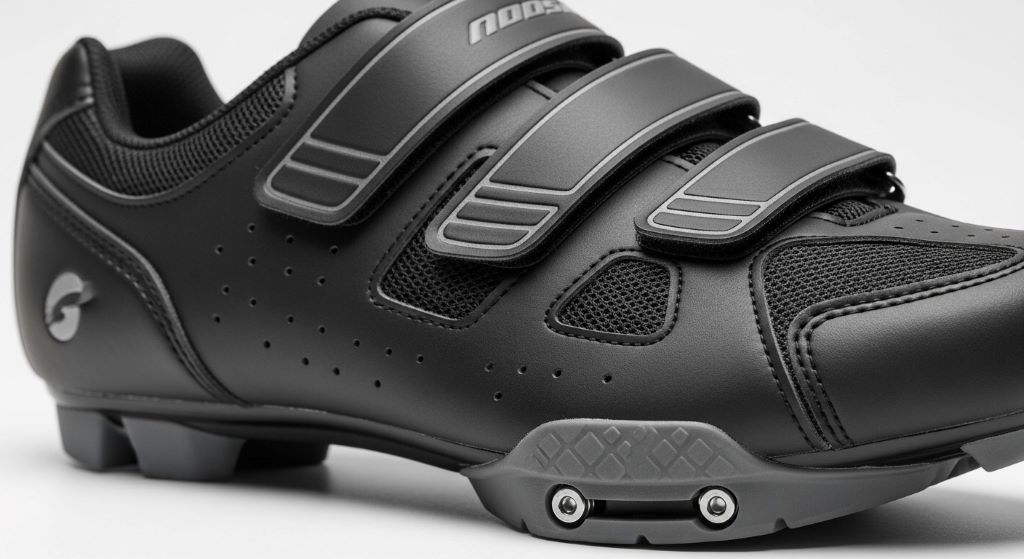
Finding the perfect cycling shoes doesn’t mean emptying your wallet. Many riders assume they need to spend hundreds of dollars to get quality footwear that performs well on the road or trail. However, the cycling shoe market has evolved significantly, offering excellent options at various price points that deliver impressive performance without breaking the bank.
Understanding what makes a cycling shoe worth your money requires looking beyond the price tag. You need to consider materials, construction quality, fit, and how well the shoes match your specific riding style. This guide will help you navigate the complex world of cycling footwear and identify options that provide genuine value for your investment.
Whether you’re a beginner looking for your first pair of clipless shoes or an experienced rider seeking to replace worn-out footwear, knowing what to look for ensures you make a smart purchase. The right shoes enhance your riding efficiency, comfort, and enjoyment while lasting multiple seasons with proper care.
Understanding What Defines Value in Cycling Shoes
Value means different things to different cyclists. For some, it’s about getting the lowest price possible. For others, it’s about finding the sweet spot between cost and performance. True value in cycling footwear combines reasonable pricing with quality construction, appropriate features, and durability.
The best value shoes don’t necessarily cost the least upfront. A slightly more expensive pair that lasts three years offers better value than cheap shoes requiring replacement every season. Additionally, shoes that fit properly and perform well make every ride more enjoyable, which is hard to quantify but incredibly important.
Consider your riding frequency and intensity when evaluating value. Casual riders who bike occasionally can prioritize different features than daily commuters or weekend warriors. Understanding your needs prevents overspending on features you won’t use while ensuring you get the capabilities you actually need.
Key Features That Impact Performance and Price
Several features directly affect both the performance and cost of cycling shoes. Knowing which features matter most helps you identify where manufacturers are offering genuine value versus charging premium prices for marginal improvements.
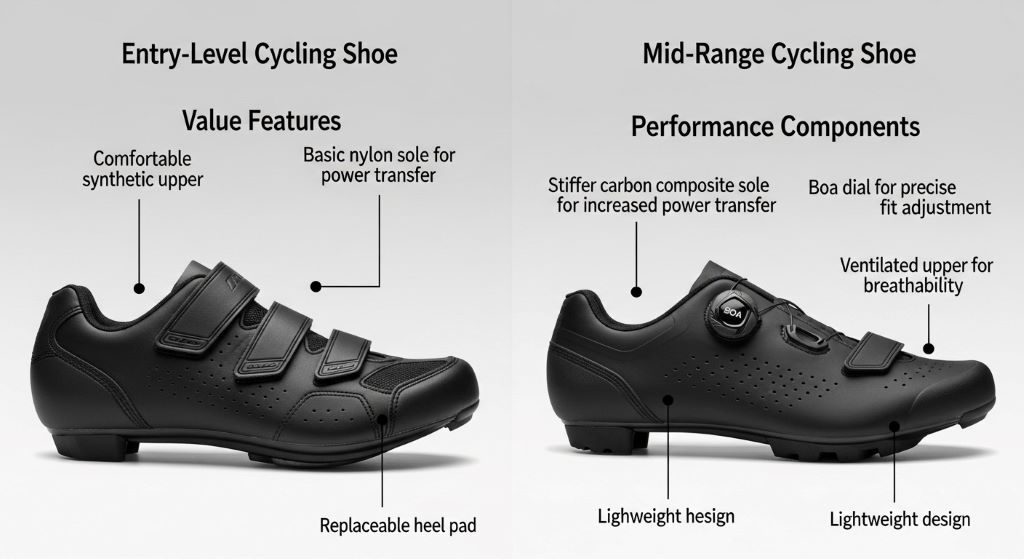
The closure system significantly impacts both fit and price. Traditional laces offer simplicity and even pressure distribution at the lowest cost. Velcro straps provide quick adjustments and work reliably for years. Ratchet buckles offer micro-adjustability and secure retention. BOA dials provide the easiest adjustment but add considerable cost. For most riders, velcro straps or a single BOA dial combined with straps offers the best balance.
Sole stiffness determines power transfer efficiency. Carbon fiber soles offer maximum stiffness but command premium prices. Nylon or composite soles provide adequate stiffness for most riders at a fraction of the cost. Unless you’re racing competitively, a quality composite sole delivers excellent performance without the carbon fiber price tag.
Upper materials affect durability, breathability, and weather resistance. Synthetic leather costs less than real leather while offering easier maintenance and faster drying. Mesh panels improve ventilation but may reduce durability. Look for reinforced toe boxes and heel cups regardless of the primary upper material.
The insole quality varies dramatically between price points. Many affordable shoes come with basic insoles that you’ll want to replace. Factor the cost of quality aftermarket insoles into your budget. Some mid-range options include better stock insoles, adding value.
Road Cycling Shoes Versus Mountain Bike Shoes
Understanding the differences between road and mountain bike shoes helps you focus your search on the right category. Each type serves distinct purposes, and choosing the wrong one wastes money regardless of the price.
Road cycling shoes feature smooth soles with three-bolt cleat mounting systems. They prioritize pedaling efficiency and lightweight construction. The stiff soles and protruding cleats make walking difficult, but they excel at transferring power to the pedals. If you primarily ride on pavement and rarely need to walk, road shoes offer the best performance.
Mountain bike shoes use two-bolt cleat systems with recessed cleats that sit flush with the sole. This design allows comfortable walking when you need to navigate obstacles or grab coffee after your ride. The soles include tread patterns for traction off the bike. They’re ideal for gravel riding, bikepacking, commuting, and any situation requiring versatility.
Some riders benefit from owning both types, but most should start with the style matching their primary riding. Mountain bike shoes offer more versatility for mixed use, making them the better choice if you’re unsure. However, dedicated road riders will appreciate the efficiency gains from proper road shoes.
Hybrid or touring shoes attempt to bridge both categories. They work reasonably well for casual riding but don’t excel in either category. Therefore, they’re best suited for true beginners who haven’t defined their riding style yet.
How to Evaluate Construction Quality
Construction quality separates shoes that last from those that fall apart after a season. Learning to assess build quality helps you identify cost-effective cycling footwear that delivers long-term value.
Examine the stitching carefully. Even stitches with no loose threads indicate quality construction. Check stress points like where the upper meets the sole and around the toe box. Reinforced stitching in these areas extends shoe life significantly.
Feel the upper materials and assess their thickness. Thin, flimsy materials won’t withstand regular use. Quality synthetics feel substantial without being heavy. Squeeze the heel counter, which should feel rigid and supportive. A soft, collapsing heel counter indicates corners were cut in construction.
Inspect the sole attachment method. Glued soles should show no gaps or excess adhesive. Some higher-quality shoes use a combination of gluing and stitching for extra durability. The cleat mounting area should feel solid with metal threaded inserts, not just holes in plastic.
Test the closure mechanisms before purchasing. Velcro should feel strong and secure. Ratchets should click smoothly with no sloppiness. BOA dials should turn easily in both directions. Any looseness or rough operation suggests quality issues.
Check the shoe’s flexibility. While you want a stiff sole for pedaling, the upper should flex somewhat to accommodate foot movement. An entirely rigid shoe will cause hot spots and discomfort during long rides.
Finding the Right Fit
Even the best value shoes are worthless if they don’t fit properly. Cycling shoes fit differently than running shoes or casual footwear, so understanding proper fit is crucial.
Try shoes later in the day when your feet are slightly swollen, mimicking how they’ll feel during long rides. Wear the socks you’ll use for cycling. Your feet swell during rides, so shoes that feel perfect in the morning might become uncomfortably tight after an hour of riding.
Your toes should have about a thumb’s width of space in front when standing. However, the shoe should feel snug through the midfoot and heel with no sliding. Many riders size up unnecessarily, leading to inefficient power transfer and potential foot problems.
Different brands fit differently. Some run narrow while others accommodate wider feet. Read reviews mentioning fit characteristics before ordering online. When possible, visit a local bike shop to try various brands and identify which ones match your foot shape.
Consider the cycling shoe’s volume as well as length and width. Low-volume shoes suit narrow feet with low insteps. High-volume shoes work better for wider feet or high arches. Getting the volume right prevents pressure points and numbness.
Remember that quality shoes should feel comfortable immediately. Unlike hiking boots, cycling shoes don’t require a break-in period. If they’re uncomfortable in the store, they’ll remain uncomfortable on the bike.
Timing Your Purchase for Maximum Savings
When you buy cycling shoes affects the value you receive. Strategic timing can save significant money on identical products.
End-of-season sales offer the best discounts. Retailers clear inventory in late summer and late winter to make room for new models. Discounts of 30 to 50 percent are common during these periods. Last year’s colors or designs perform identically to new releases but cost considerably less.
Holiday sales around Black Friday and year-end also provide opportunities. Many online retailers offer substantial discounts during these periods. However, popular sizes sell out quickly, so act fast when you find a good deal.
New model releases trigger price drops on previous versions. Manufacturers update shoes annually or biannually, often with minimal actual improvements. When a new model launches, the previous version often goes on sale despite offering nearly identical performance.
Sign up for email lists from cycling retailers and manufacturers. They often send exclusive discount codes to subscribers. Additionally, many stores offer first-purchase discounts for new customers.
Consider buying from overseas retailers if you know your size in a particular brand. European cycling shops sometimes offer better prices than domestic retailers, even with shipping. However, returns become more complicated, so only do this with brands and models you’ve tried before.
Online Shopping Versus In-Store Purchases
Both shopping methods have advantages when hunting for top-rated budget shoes. Understanding the pros and cons helps you make the best choice for your situation.
Local bike shops offer the advantage of trying multiple brands and sizes. Knowledgeable staff can provide fitting advice and help you find shoes matching your foot shape. You take the shoes home immediately without waiting for shipping. Additionally, supporting local shops helps maintain the cycling community.
However, local shops typically can’t match online prices. Their overhead costs mean higher retail prices. Selection may be limited, especially for riders with very large or small feet. Some shops focus on high-end products and carry limited budget-friendly options.
Online retailers offer massive selection and competitive prices. You can compare dozens of models quickly and read extensive reviews. Sales and discounts appear more frequently online. Free shipping and returns from major retailers reduce the risk of buying without trying.
The downside involves potential fit issues and the hassle of returns. Sizing can vary between brands and models. You can’t feel materials or test closure systems before buying. Waiting for shipping delays your riding plans.
A hybrid approach works well for many cyclists. Visit local shops to try different brands and determine your size, then watch for online sales on those specific models. This strategy gives you the confidence of knowing the fit while capturing online savings.
Reading Reviews Effectively
Customer reviews provide valuable insights but require careful interpretation. Learning to read reviews effectively helps you identify genuinely good value options.
Look for reviews from riders with similar needs and experience levels. A beginner’s perspective on their first clipless shoes differs from a racer’s assessment of performance features. Weight comments from reviewers whose riding style matches yours.
Pay attention to recurring themes across multiple reviews. One person complaining about fit might have unusual feet, but if many reviews mention the same issue, it’s likely legitimate. Common praise or criticism carries more weight than isolated opinions.
Consider the review date. Cycling shoes change between model years, sometimes significantly. Reviews from several years ago might not reflect the current version. Focus on recent feedback for the most relevant information.
Be skeptical of extremely positive reviews with limited detail. Some manufacturers encourage or incentivize positive reviews. Detailed reviews discussing both strengths and weaknesses tend to be more trustworthy than brief five-star ratings.
Professional reviews from cycling publications offer technical insights and direct comparisons between models. They test shoes systematically and can spot quality issues that casual users might miss. However, remember that professional reviewers often focus on high-end products.
Essential Accessories and Total Cost Considerations
The shoe price doesn’t represent your total investment. Several accessories are necessary, and factoring these costs helps you identify true value.
Cleats are essential but rarely included with shoes. Road cleats cost fifteen to thirty dollars, while mountain bike cleats run ten to twenty-five dollars. Budget for quality cleats from reputable manufacturers, as cheap cleats wear quickly or break unexpectedly.
Better insoles dramatically improve comfort in budget shoes. Stock insoles in affordable shoes often provide minimal support. Quality cycling-specific insoles cost thirty to sixty dollars but transform comfort and can move to your next shoes when the time comes.
Cycling-specific socks enhance comfort and wick moisture better than regular athletic socks. While not strictly necessary, they’re inexpensive and noticeably improve the riding experience. A few pairs of quality cycling socks cost less than twenty dollars total.
Shoe covers extend the season for shoes lacking weatherproofing. They cost twenty to fifty dollars depending on warmth and waterproofing levels. If you ride in varied conditions, factor this into your budget rather than paying extra for waterproof shoes.
Cleaning supplies and waterproofing treatments help shoes last longer. A small investment in maintenance products protects your larger investment in the shoes themselves.
Recognizing When Premium Features Are Worth the Cost
Some situations justify spending more on cycling shoes. Identifying when premium features provide genuine benefits versus when they’re unnecessary helps optimize your spending.
Competitive racers benefit from carbon soles’ marginal efficiency gains. The weight savings and stiffness actually impact race results. However, recreational riders won’t notice meaningful differences between quality composite and carbon soles during casual rides.
Riders in extreme climates might need specialized features. Those in hot, humid areas benefit from maximum ventilation. Cold-climate riders appreciate insulation and waterproofing. These specialized features often cost more but provide real value if you ride year-round in challenging conditions.
People with foot problems should invest in shoes accommodating their needs. Custom moldable footbeds, extra-wide sizes, or shoes designed for specific issues justify higher costs when standard shoes cause pain or injury.
High-mileage riders get better value from premium durability. If you ride several thousand miles annually, shoes lasting twice as long for fifty percent more money represent good value. Conversely, occasional riders don’t need this durability.
Most riders fall between these extremes. Quality mid-range shoes costing one hundred to one hundred fifty dollars offer the best overall value. They include most beneficial features without charging for pro-level refinements that don’t impact normal riding.
Common Mistakes to Avoid
Learning from others’ mistakes saves money and disappointment. These common errors lead cyclists to poor value purchases.
Buying shoes that are too large represents the most frequent mistake. Cycling shoes should fit snugger than running shoes. Excessive room in the toe box reduces efficiency and can cause numbness. Trust the size that feels slightly tight at first, as shoes will conform somewhat to your feet.
Focusing solely on price without considering quality leads to frequent replacements that cost more long-term. Extremely cheap shoes use poor materials and construction that fail quickly. Spending slightly more on proven models provides better value.
Choosing the wrong shoe type for your riding causes disappointment. Road shoes frustrate riders who need to walk regularly. Mountain bike shoes limit efficiency for pure road riders. Match the shoe type to your actual riding, not aspirational plans.
Ignoring return policies creates problems when shoes don’t fit. Always buy from retailers with reasonable return windows and clear policies. Keep packaging until you’ve tested shoes on a short ride.
Overlooking small brands can mean missing excellent values. Major brands charge premium prices for marketing and brand recognition. Some smaller manufacturers offer comparable quality at lower prices because they spend less on advertising.
Conclusion
Identifying the best value cycling shoes requires balancing price, quality, features, and fit. Cost-effective cycling footwear exists at various price points, from entry-level options around seventy-five dollars to mid-range shoes under one hundred fifty dollars. The key is understanding which features matter for your specific riding and avoiding paying for capabilities you won’t use.
Top-rated budget shoes share common characteristics including solid construction, appropriate closure systems, and adequate sole stiffness for their intended use. They might lack fancy materials or pro-level features, but they deliver reliable performance and reasonable durability at accessible prices. By focusing on fit, construction quality, and essential features while timing purchases strategically, you can find excellent cycling shoes without overspending.
Remember that the best value shoe for you depends on your individual needs, riding style, and budget. What works perfectly for one cyclist might be wrong for another. Take time to research options, read reviews from similar riders, and try shoes before buying when possible. With careful consideration and smart shopping, you’ll find cycling shoes that enhance your riding experience while respecting your budget.
Proper care and maintenance extend the life of any cycling shoe, maximizing your investment regardless of the initial price. Clean your shoes regularly, replace cleats before they become dangerously worn, and store shoes properly between rides. These simple steps ensure your carefully chosen cycling footwear serves you well for many miles to come.
Frequently Asked Questions
What price range should I expect for good budget cycling shoes?
Quality budget cycling shoes typically range from seventy-five to one hundred fifty dollars. Entry-level options around seventy-five to one hundred dollars work well for beginners and casual riders. Mid-range shoes from one hundred to one hundred fifty dollars offer better materials and features while still representing good value. Anything under seventy-five dollars often sacrifices quality and durability, costing more in the long run through frequent replacements.
How long should cycling shoes last with regular use?
Well-constructed cycling shoes should last two to five years depending on mileage and care. Riders covering three to five thousand miles annually might replace shoes every two to three years. Casual riders with lower mileage can expect four to five years or more. The soles and uppers typically outlast cleats, which need replacement every few thousand miles. Proper cleaning and storage significantly extends shoe life regardless of riding frequency.
Do I need different shoes for indoor and outdoor cycling?
Most cyclists use the same shoes for both indoor and outdoor riding. However, some riders prefer dedicated indoor shoes to avoid wearing down their outdoor shoes on stationary trainers. Budget-conscious cyclists should use one pair for both purposes. If you train indoors extensively, consider using older shoes or budget options for indoor sessions while saving better shoes for outdoor rides.
Are expensive cycling shoes really better than budget options?
Expensive shoes offer marginal improvements in weight, stiffness, and adjustability that matter primarily to competitive riders. For recreational cycling, well-chosen budget shoes perform nearly as well at a fraction of the cost. The difference between one hundred dollar and three hundred dollar shoes is much smaller than the difference between fifty dollar and one hundred dollar shoes. Most riders get better value from mid-priced options unless racing competitively.
Can I use mountain bike shoes for road cycling or vice versa?
While physically possible, using the wrong shoe type compromises performance and convenience. Mountain bike shoes on road pedals require adapter plates and sacrifice some efficiency. Road shoes with three-bolt cleats make walking nearly impossible and damage cleats when walking. If you ride both disciplines regularly, investing in two affordable pairs works better than one expensive pair of the wrong type. For mixed riding, mountain bike shoes offer more versatility.
Related Topics:
Why Does My Bike Creak When Pedal Hard
Philadelphia Best Bike Trails And Routes: Where to Ride Now