

Spring awakens the fishing world with warming waters and active fish. As water temperatures rise, fish emerge from winter sluggishness, ready to feed aggressively. However, nailing spring fishing success requires understanding how warming waters influence fish behavior and selecting the right baits and techniques accordingly. This guide explores proven strategies and bait selections to help anglers maximize their spring catch.
Understanding Fish Behavior in Warming Waters
In early spring, water temperatures are still low, often ranging from 40°F to 55°F. Fish metabolism slows in colder conditions, so they feed cautiously and less frequently. However, as water temperature climbs toward 60°F, many species, including bass, trout, and walleye, increase feeding activity dramatically. This metabolic shift means fish become more aggressive and willing to chase faster-moving baits.
Studies indicate that bass feeding activity peaks between 58°F and 65°F. Anglers should time their spring fishing around these temperature windows for the best results. Water temperature also influences where fish congregate. Early spring sees fish close to deeper, warmer areas or near spawning beds in shallow waters.
Choosing the Best Baits for Spring Fishing Success
Bait selection can make or break your spring fishing trip. As fish transition from lethargy to active hunters, using baits that mimic natural prey in both appearance and movement is crucial.
- Soft Plastic Worms and Creature Baits: Soft plastics remain a top choice for bass during warming waters. Their subtle movement imitates worms, crayfish, and other forage. Techniques like Texas or Carolina rigging help control bait presentation at various depths. According to Bassmaster, soft plastics account for over 40% of bass catches during spring because of their versatility and natural appeal.
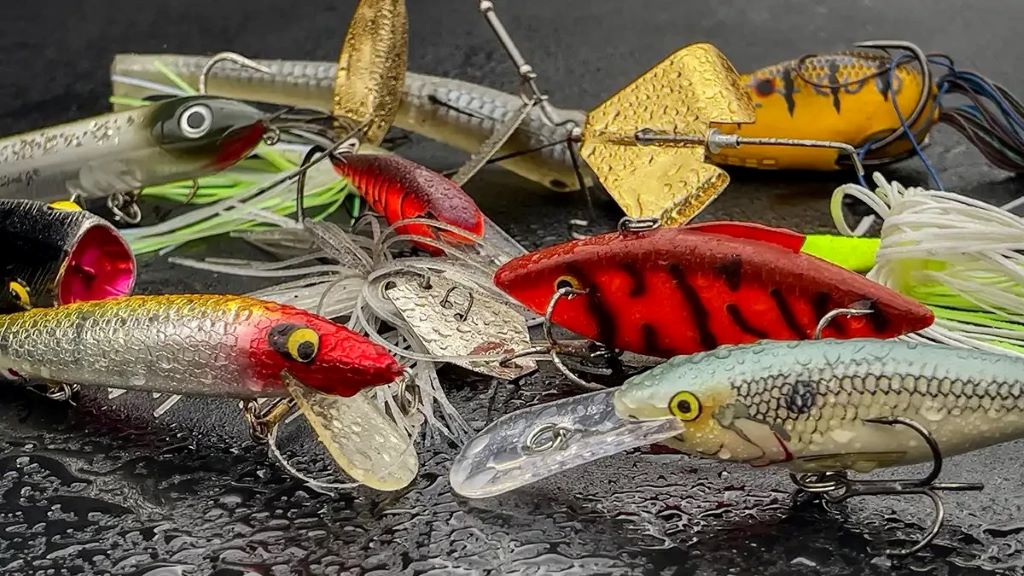
- Crankbaits: When fish become more aggressive, crankbaits that mimic baitfish provoke strikes. Anglers should use shallow to medium-diving crankbaits to target fish moving through shallower warming zones. Speed up retrieves to trigger reaction bites, as warmer waters make fish chase faster prey.
- Jigs: Jigs excel for species like walleye and bass in spring, especially when tipped with live bait like minnows or plastic trailers. Their bottom-hugging action appeals to fish transitioning between deeper and shallower zones.
- Live Bait: Minnows, nightcrawlers, and crayfish are springtime favorites for various species. Live bait’s natural scent and movement are often irresistible in chilly spring waters where fish rely more on smell.
Effective Spring Fishing Techniques for Warming Waters
Using the right technique to present your bait is as critical as bait choice itself. Adapting to fish behavior and water conditions increases your chances of landing fish consistently.
- Slow and Steady Retrieval: Early spring calls for slow retrieves, mimicking the sluggish movements of prey in colder water. However, as water warms, increase your retrieval speed gradually to match the heightened fish activity.
- Target Transition Zones: Fish use specific areas where water temperature changes quickly, such as near creek mouths, shallow bays, or submerged vegetation edges. These zones attract baitfish and predators alike. Casting around these transition zones yields more strikes.
- Use Electronics: Fish finders and depth sounders can identify warming pockets or fish-holding structures efficiently. Research by NOAA shows that anglers using electronics often outperform those relying solely on intuition, especially in large or murky water bodies.
- Work Shallow to Deep: Spring fish move vertically in the water column throughout the day. Starting with shallow presentations during early morning and switching to deeper spots as the sun warms the water enhances catch rates.
Seasonal and Species-Specific Tips
- Largemouth Bass: Focus on shallow spawning beds early spring using soft plastics or spinnerbaits. Once bass move off beds, transition to crankbaits or jigs around submerged logs and weed lines.
- Trout: Use small spoons, spinners, or live bait near stream inflows or spring-fed areas where water remains cold but oxygen-rich.
- Walleye: Target rocky points or river mouths with jigs tipped with live bait or soft plastics. Walleye prefer low-light periods, so dawn and dusk fishing increases success.
Real-World Success Stories
In 2023, anglers reported exceptional spring bass catches in the southeastern U.S. by using swimbaits and slower retrieves during early warming periods. Anglers who switched from traditional fast-moving lures to finesse tactics landed 30% more fish, proving the value of adapting to temperature-driven behavior changes.
FAQs About Spring Fishing Success: Best Baits and Techniques for Warming Waters
- What is the ideal water temperature for spring fishing?
Most species become active between 50°F and 65°F, with peak feeding around 58°F to 65°F. - Which bait works best in early spring?
Soft plastics and live bait like nightcrawlers or minnows are ideal due to slower fish metabolism. - How should I adjust my retrieval speed in spring?
Start slow in early spring, then increase speed gradually as water temperature rises. - Where should I fish during spring?
Focus on transition zones like creek mouths, shallow bays, and weed edges. - Are electronic fish finders useful in spring?
Yes, they help locate warming pockets and fish-holding structures efficiently. - Can I use the same bait for different fish species in spring?
Some baits like soft plastics work across species, but tailoring to target fish increases success. - When is the best time of day to fish in spring?
Early morning and late afternoon often yield the most bites, especially for walleye and trout.
Final Thought
Achieving spring fishing success hinges on recognizing how warming waters impact fish behavior. Choosing the right baits—soft plastics, live bait, crankbaits—and adjusting techniques to water temperature changes can turn an average trip into a memorable haul. Embrace transition zones, vary retrieval speeds, and use technology to stay ahead. With these strategies, your spring fishing ventures will reward you with bigger, more frequent catches.
Read More:
Best Pompano Rig Setup for Long Cast Pier Fishing: Tips That Catch More Fish