

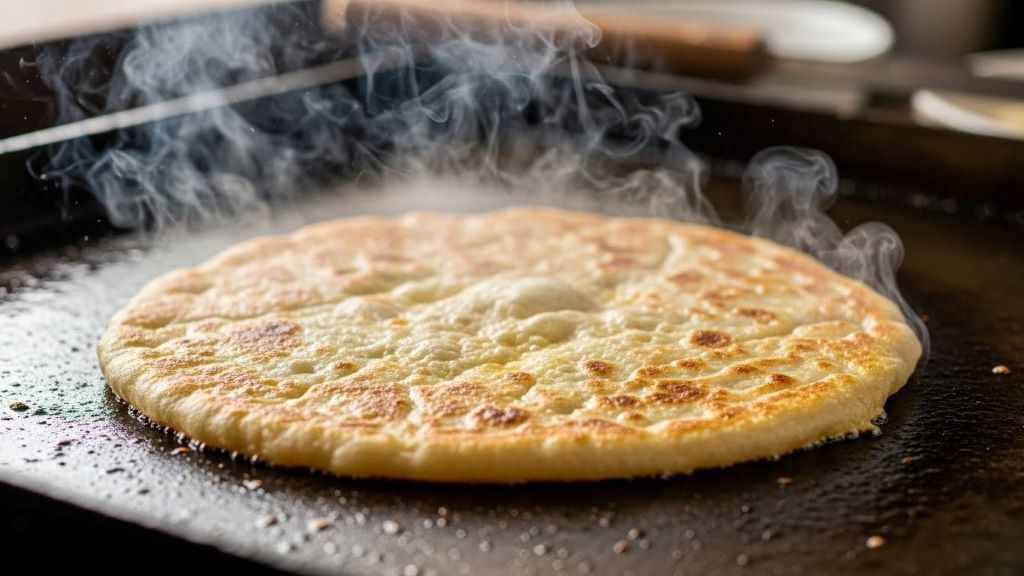
Paraguayan cuisine offers unique culinary treasures that captivate food enthusiasts worldwide. One such delicacy is mbeju, a traditional flatbread that showcases the art of starch manipulation. At tasteoflovebakery.com/, we celebrate authentic South American flavors and techniques that transform simple ingredients into extraordinary dishes. Understanding the starch hydration technique behind mbeju reveals why this dish maintains its beloved status across generations.
Understanding Mbeju and Its Cultural Significance
Mbeju represents more than just a flatbread in Paraguayan culture. It serves as a connection to indigenous Guaraní traditions. The dish emerged from resourcefulness, utilizing cassava starch that would otherwise go to waste. Today, mbeju remains a breakfast staple and comfort food throughout Paraguay. Its preparation involves a delicate balance of moisture, heat, and timing.
The key to perfect mbeju lies in mastering mbeju ingredients and their interaction during the hydration process. Unlike traditional bread-making, mbeju requires no kneading or rising time. Instead, the magic happens through controlled moisture absorption and heat application.
The Science Behind Starch Hydration
Starch hydration forms the foundation of mbeju’s unique texture. Cassava starch behaves differently from wheat flour when exposed to moisture. The process begins at a molecular level where water molecules penetrate starch granules. This interaction creates a cohesive mixture without forming gluten networks.
Temperature plays a crucial role in this transformation. Cold ingredients prevent premature gelatinization. Meanwhile, the cooking surface provides rapid heat that completes the binding process. This dual-temperature approach distinguishes mbeju from other flatbreads.
According to food science research, starch gelatinization occurs when granules absorb water and swell. However, mbeju’s technique keeps this process minimal during mixing. The real transformation happens on the hot griddle. Therefore, understanding this timing separates successful mbeju from failed attempts.
Essential Ingredients for Proper Hydration
Cassava starch serves as the primary ingredient. Its fine texture allows for even moisture distribution. Fresh cheese provides both flavor and fat content that affects hydration. The cheese’s moisture level directly impacts the final consistency. Additionally, eggs contribute binding properties and richness.
Salt enhances flavor while influencing water retention. Some recipes include milk or cream for extra moisture. However, traditional versions rely mainly on cheese moisture. The ingredient ratios must balance perfectly to achieve proper hydration levels.
Quality matters significantly in ingredient selection. Fresh cassava starch absorbs moisture more consistently than old, clumped starch. Similarly, fresh cheese with proper moisture content ensures better results. These factors combine to create the ideal environment for starch hydration.
The Hydration Technique Step by Step
The process begins with combining dry ingredients. Mix cassava starch with salt thoroughly. Next, crumble the cheese into small pieces. This increases surface area for better integration. Add eggs to the mixture gradually.
The mixing technique requires a light touch. Use your fingers to work ingredients together gently. The goal is to create moist crumbs rather than a smooth dough. This crumbly texture indicates proper hydration balance. Therefore, resist the urge to add extra liquid.
Let the mixture rest briefly. This resting period allows starch granules to absorb available moisture evenly. During this time, the mixture may appear too dry. However, trust the process. The cooking phase will complete the hydration cycle.
Cooking and Final Hydration Stage
Heat a non-stick skillet or griddle over medium heat. The surface temperature must be hot enough to create immediate contact. Take a handful of the crumbly mixture and place it on the hot surface. Press gently to form a round flatbread.
The heat triggers rapid starch gelatinization. Steam forms within the mixture, creating internal cohesion. This process binds the ingredients without additional moisture. Watch for edges to turn golden and set. Flip carefully when the bottom achieves a light crust.
The second side cooks more quickly. Therefore, monitor closely to prevent burning. The finished mbeju should hold together while maintaining a slightly crispy exterior. The interior remains soft and cheesy. This contrast defines perfect texture.

Common Hydration Mistakes to Avoid
Over-hydration ranks as the most frequent error. Adding too much liquid creates a sticky, unmanageable mixture. The result lacks proper texture and falls apart during cooking. Conversely, under-hydration produces dry, crumbly mbeju that won’t bind.
Rushing the resting period prevents even moisture distribution. The starch needs time to absorb available liquid fully. Skipping this step often leads to inconsistent results. Additionally, incorrect cooking temperature affects hydration completion.
Using old or improper starch creates problems. Starch quality affects absorption capacity significantly. Similarly, cheese with wrong moisture content throws off the balance. These ingredient issues cannot be fixed through technique alone.
Regional Variations in Hydration Methods
Different Paraguayan regions adapt the basic technique slightly. Some areas prefer drier mbeju with less cheese. Others favor a moister version with added milk. However, the fundamental hydration principle remains constant across variations.
Coastal regions sometimes incorporate slight modifications for humidity. The ambient moisture affects how starch behaves. Therefore, cooks adjust ingredient ratios accordingly. These subtle changes demonstrate deep understanding of starch chemistry.
Urban versus rural preparations also show differences. Traditional rural methods often use ingredients at hand. Meanwhile, urban cooks might add modern touches. Nevertheless, successful versions all respect proper hydration technique.
Tips for Perfect Starch Hydration Every Time
Start with room-temperature ingredients for better control. Cold cheese integrates less smoothly. Warm ingredients, however, can trigger premature gelatinization. Therefore, moderate temperature works best.
Measure ingredients accurately for consistency. While experienced cooks use intuition, beginners benefit from precise measurements. Keep notes on successful batches. This creates a personal reference for future attempts.
Practice patience throughout the process. Rushing leads to mistakes in this delicate technique. Additionally, maintain consistent heat during cooking. Temperature fluctuations affect the final hydration stage negatively.
Troubleshooting Hydration Issues
If the mixture seems too dry, resist adding water directly. Instead, incorporate additional egg or slightly more cheese. These ingredients provide moisture while maintaining proper texture. Water alone creates different problems.
When mbeju falls apart during cooking, the mixture likely needs more resting time. Alternatively, the cooking surface might be too cool. Increase heat slightly and ensure proper preheating. The immediate sizzle indicates correct temperature.
Sticky mixture indicates excess moisture. Unfortunately, this problem is harder to fix. Try adding small amounts of cassava starch gradually. Mix gently and test small portions. This salvage technique works sometimes but not always.
Health Benefits of Proper Preparation
Cassava starch offers gluten-free benefits for sensitive individuals. Proper hydration technique maximizes digestibility. The cheese provides protein and calcium. Additionally, eggs contribute essential nutrients.
According to nutritional studies, cassava-based foods offer energy through complex carbohydrates. However, preparation methods affect nutrient availability. Proper hydration ensures better nutrient absorption. Therefore, technique matters beyond just taste.
Traditional preparation methods often prove healthier than modern shortcuts. The natural ingredients and minimal processing preserve nutritional value. Furthermore, the balanced hydration creates a more satisfying food. This reduces tendency toward overeating.
Conclusion
The mbeju starch hydration technique represents centuries of culinary wisdom refined through practice. This method transforms simple cassava starch into a beloved traditional dish. Understanding the science behind starch hydration empowers home cooks to recreate authentic Paraguayan flavors. The process requires attention to ingredient quality, proper ratios, and careful timing. However, mastering this technique opens doors to numerous variations and applications. Whether you enjoy mbeju for breakfast or as a snack, appreciating the hydration method enhances the experience. The combination of traditional knowledge and scientific understanding ensures success in your kitchen.
Frequently Asked Questions
What makes cassava starch different from other starches for mbeju?
Cassava starch has unique properties that allow it to bind without gluten formation. Its fine granule structure absorbs moisture differently than corn or potato starch. This creates the characteristic texture that defines authentic mbeju. Additionally, cassava starch remains stable during the high-heat cooking process.
Can I prepare the mbeju mixture in advance?
Fresh preparation yields the best results. However, you can prepare the mixture up to two hours ahead. Keep it covered at room temperature. The starch continues hydrating during this time. Therefore, you might need to adjust consistency slightly before cooking.
Why does my mbeju fall apart when I flip it?
This usually indicates insufficient resting time or incorrect cooking temperature. The mixture needs adequate time for starch hydration. Additionally, the cooking surface must be hot enough for rapid binding. Ensure you press the mixture firmly when forming each flatbread.
What type of cheese works best for mbeju?
Fresh, soft cheese with moderate moisture content produces optimal results. Queso Paraguay is traditional, but farmer’s cheese or fresh mozzarella work well. Avoid aged or very dry cheeses as they lack necessary moisture. The cheese should crumble easily when mixed.
How do I know when the hydration balance is correct?
The mixture should resemble moist crumbs that hold together when pressed. It should not form a cohesive ball or appear wet. When you squeeze a handful, it should clump briefly but fall apart with gentle touch. This texture indicates proper hydration for successful cooking.
Related Topics:
Why Caputo Pasta Flour Is the Top Choice for Authentic Italian Pasta
KitchenAid Pasta Maker Attachment Review: A Must-Have Upgrade