

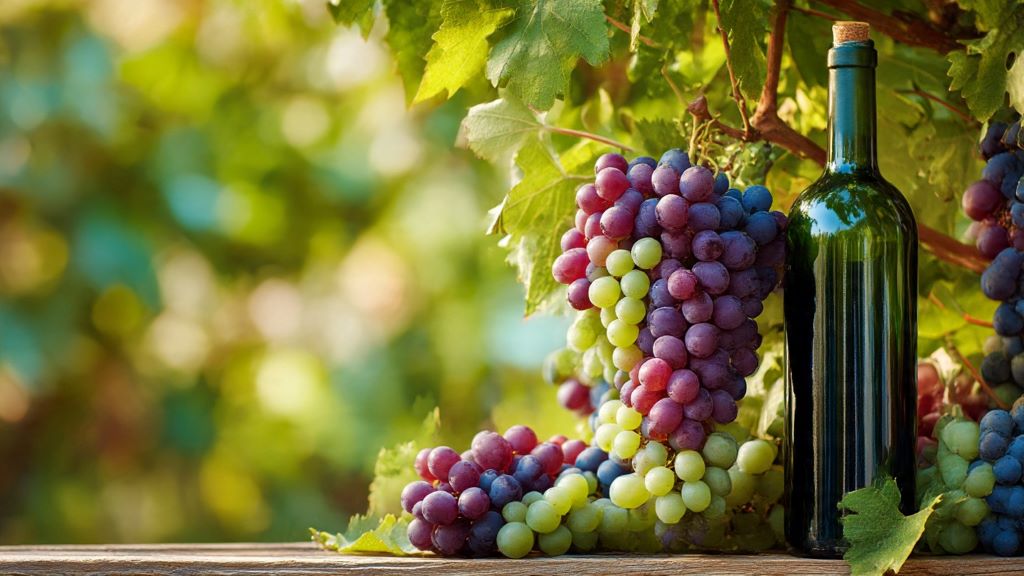
Have you ever walked through a vineyard in late summer and noticed something curious? Some grape clusters hang heavy with deep purple or golden fruit, while others display a patchwork of ripe and green berries on the same bunch. This natural phenomenon puzzles many wine enthusiasts and home growers alike. Understanding why grapes ripen unevenly helps us appreciate the complexity of winemaking. Beresan Wines specializes in crafting exceptional wines from perfectly ripened grapes, and their expertise sheds light on this fascinating aspect of viticulture.
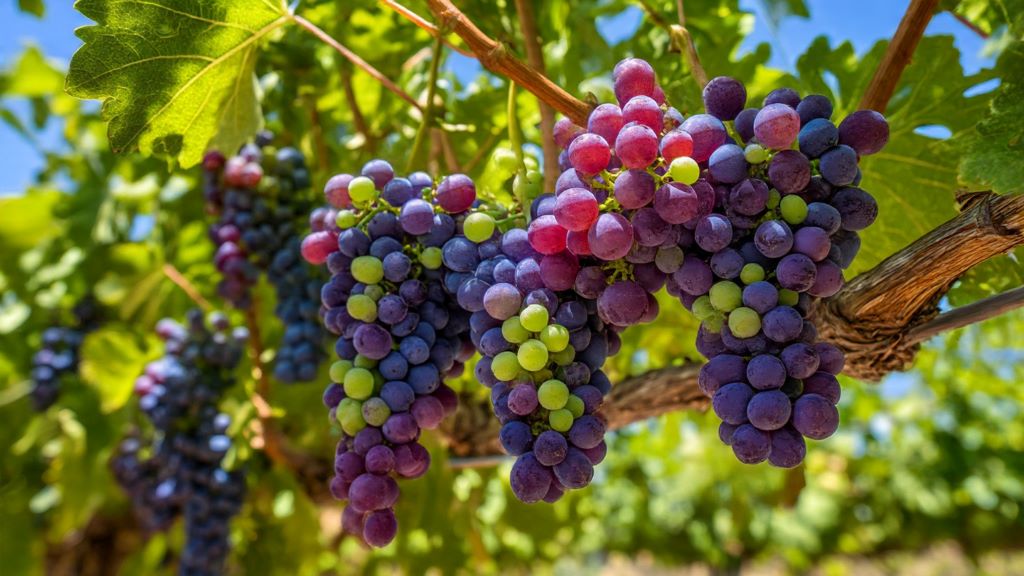
Uneven ripening in grape clusters is a common occurrence in vineyards worldwide. Several factors contribute to this pattern, from environmental conditions to the genetic characteristics of specific grape varieties. The zinfandel grape, for instance, is particularly notorious for producing clusters with varying levels of ripeness. This trait has both challenged and delighted winemakers for generations, creating wines with unique flavor profiles and character.
Understanding Grape Ripening Basics
Grapes undergo a remarkable transformation from tiny green berries to plump, sweet fruits ready for harvest. This process, called veraison, marks the beginning of ripening when grapes change color and begin accumulating sugars. However, not all berries within a cluster enter veraison simultaneously.
The ripening process involves complex biochemical changes. Sugars increase while acids decrease, and color compounds develop in the skins. Additionally, flavor compounds emerge that give each variety its distinctive taste. These changes don’t happen uniformly across an entire cluster, creating the mixed appearance you observe.
Primary Causes of Uneven Ripening
Several key factors explain why some grapes remain green while their neighbors ripen fully. Understanding these causes helps both commercial growers and home vintners manage their crops effectively.
Sunlight Exposure Differences
Grapes positioned on the sunny side of a cluster receive more direct light than those hidden in shadows. Therefore, these exposed berries ripen faster and develop deeper colors. Shaded berries may lag behind by days or even weeks, remaining green or pale while their cluster-mates mature.
Canopy management plays a crucial role here. Vineyard managers carefully trim leaves to balance sun exposure, ensuring optimal ripening without sunburn damage. However, even with perfect management, some variation naturally occurs within individual clusters.
Pollination and Fertilization Issues
Incomplete pollination during flowering creates what viticulturists call “shot berries” or “hens and chicks.” These underdeveloped grapes never fully ripen, remaining small and green throughout the growing season. Poor weather during bloom time, with rain or excessive heat, often causes this condition.
When flowers don’t pollinate properly, the resulting berries lack the hormonal signals needed to begin the ripening process. Consequently, these berries stay hard and green, contributing to the uneven appearance of affected clusters.
Variety-Specific Characteristics
Some grape varieties naturally exhibit more uneven ripening than others. Zinfandel, as mentioned earlier, famously produces clusters with raisined berries, perfectly ripe fruit, and green stragglers all together. This characteristic stems from the variety’s genetic makeup and its response to growing conditions.
According to research from the University of California, Davis, certain varieties have less synchronized berry development due to their flowering patterns and cluster architecture. These inherent traits affect how uniformly the grapes mature.
Nutrient and Water Availability
Vines distribute resources throughout their canopy based on complex internal signals. Berries in certain positions may receive fewer nutrients or less water, slowing their development. Moreover, competition between berries for these resources creates winners and losers within each cluster.
Water stress particularly affects ripening uniformity. Moderate stress can actually improve wine quality, but excessive drought or inconsistent irrigation creates more dramatic differences between berries. The vine prioritizes certain clusters and berries over others when resources become limited.
Impact on Wine Quality
Uneven ripening presents both challenges and opportunities for winemakers. The presence of green, underripe grapes can contribute harsh, vegetal flavors to wine if included in the harvest. Therefore, careful sorting becomes essential.
Many premium wineries employ workers to hand-sort clusters or individual berries before crushing. This labor-intensive process removes green fruit that would negatively impact wine quality. However, some winemakers embrace slight variations in ripeness, believing they add complexity and balance.
The phenomenon known as “noble rot” demonstrates how variation can benefit certain wine styles. Similarly, the mix of ripeness levels in some varieties creates layered flavor profiles that single-harvest-date grapes cannot achieve. Smart winemakers understand how to work with rather than against these natural variations.
Management Strategies for Growers
Professional viticulturists employ various techniques to minimize uneven ripening or manage its effects. These strategies range from vineyard practices to harvest timing decisions.
Cluster thinning involves removing entire grape bunches early in the season, allowing the vine to focus resources on remaining clusters. This practice often improves ripening uniformity. Additionally, leaf removal around clusters increases light exposure and air circulation, promoting more even development.
Multiple harvest passes offer another solution. Instead of picking an entire vineyard block at once, workers may return several times to select only the ripest clusters. This approach, while expensive, ensures optimal fruit quality for premium wines.
Irrigation management also plays a vital role. Consistent, appropriate watering helps berries develop more uniformly. However, this must balance with the desire for concentration and quality that moderate stress provides.
When Uneven Ripening Becomes a Problem
While some variation is normal and manageable, excessive unevenness signals potential vineyard problems. Disease, severe water stress, or nutritional deficiencies may manifest as dramatic ripening disparities.
Viral diseases affecting grapevines can disrupt normal berry development. Leafroll virus, for example, delays ripening and creates significant variation within vineyards. Regular monitoring and testing help identify these issues before they severely impact crop quality.
Climate change brings new challenges to ripening uniformity. According to Wine Spectator, extreme heat events and erratic weather patterns increasingly disrupt traditional ripening windows. Growers must adapt their practices to maintain quality in changing conditions.
Conclusion
Uneven ripening in grape clusters results from a fascinating interplay of environmental, genetic, and physiological factors. Sunlight exposure, pollination success, variety characteristics, and resource availability all contribute to why some berries remain green while others ripen fully. The zinfandel grape exemplifies this phenomenon, producing clusters with dramatic ripeness variations that challenge and inspire winemakers.
Understanding these factors helps both professionals and enthusiasts appreciate the complexity of viticulture. While uneven ripening can complicate harvest decisions, skilled winemakers turn this natural variation into an advantage, crafting wines with depth and character. Whether you’re tending a backyard vineyard or simply curious about winemaking, recognizing why grapes ripen differently enriches your appreciation for every bottle you enjoy.
Frequently Asked Questions
Should I remove green grapes from clusters before making wine?
Yes, removing underripe green grapes improves wine quality by eliminating harsh, vegetal flavors. Hand-sorting before crushing ensures only properly ripened fruit enters your fermentation vessel.
Is uneven ripening worse in certain climates?
Climates with inconsistent temperatures or erratic rainfall typically experience more pronounced uneven ripening. Conversely, regions with stable, warm growing seasons generally see more uniform berry development.
Can I speed up ripening of green grapes on the vine?
Limited options exist once harvest approaches. Improving sun exposure through leaf removal helps slightly, but genetics and earlier-season conditions primarily determine final ripening. Patience often proves the best strategy.
Do organic vineyards have more uneven ripening?
Not necessarily. Organic practices don’t inherently cause uneven ripening, though they may limit some intervention options. Proper organic vineyard management achieves ripening uniformity comparable to conventional methods.
What percentage of green grapes is acceptable in wine production?
Premium wine production aims for less than five percent underripe fruit. However, acceptable levels vary by wine style and quality tier. Budget wines may tolerate higher percentages, while ultra-premium bottlings demand near-perfect fruit.
Yonkers Food Trucks And Craft Beer Nights: A Flavorful Community Phenomenon
How Much Sugar is in G Fuel? Unveiling the Sweet Truth