

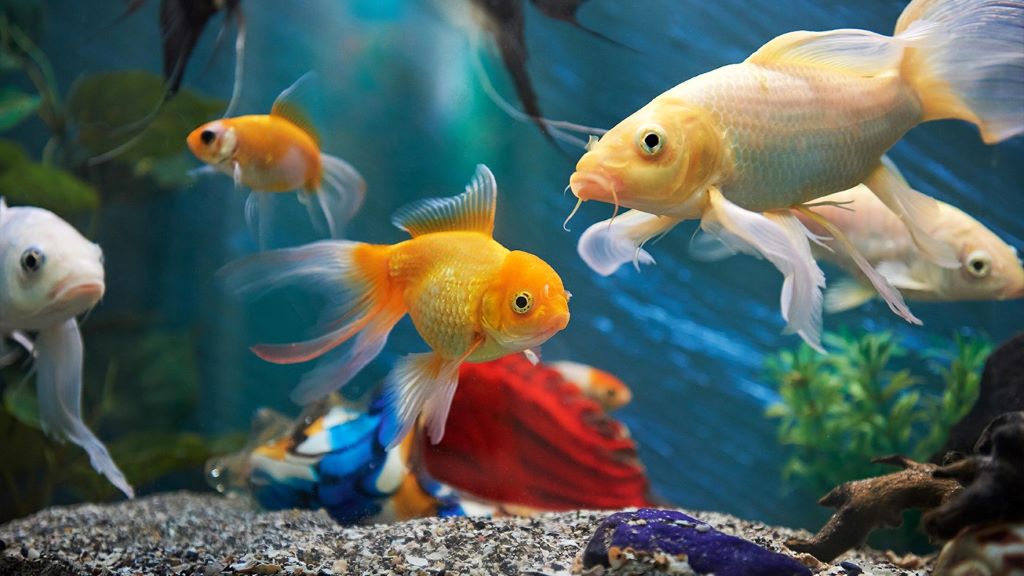
Creating a harmonious aquarium environment requires careful selection of compatible species. One of the most common problems aquarium enthusiasts face is fin nipping, which can stress fish and lead to injuries or disease. Finding peaceful community fish that coexist without aggression is essential for maintaining a healthy tank. Be Aquarium provides valuable resources for hobbyists seeking to build thriving aquatic communities.
When selecting fish for your community tank, temperament matters just as much as water parameters. Aggressive or territorial species can quickly disrupt tank harmony, while peaceful fish create a relaxing underwater landscape. Many beginners struggle to identify which species will work well together, often learning through trial and error. However, understanding the behavior patterns of different fish can prevent these costly mistakes. Researching the top ten peaceful fish before purchasing helps ensure your aquarium remains stress-free for all inhabitants.
Additionally, peaceful community fish often display more natural behaviors when they feel secure. This makes your aquarium more enjoyable to observe and creates better conditions for breeding. Therefore, choosing non-aggressive species benefits both the fish and the aquarist.
Understanding Fin Nipping Behavior
Fin nipping occurs when fish bite or tear the fins of their tank mates. This behavior can stem from various causes including territorial aggression, stress, overcrowding, or simply species-specific tendencies. Some fish are notorious nippers, such as tiger barbs and certain tetras, while others rarely show this behavior.
The consequences of fin nipping extend beyond cosmetic damage. Torn fins can become infected, leading to serious health issues. Stressed fish often hide more, eat less, and become susceptible to diseases. Moreover, once fin nipping starts, it can spread throughout the tank as other fish join in the behavior.
Understanding which species are naturally peaceful helps prevent these issues. Peaceful fish typically have calm temperaments, lack territorial instincts, and thrive in groups without establishing dominance hierarchies. These characteristics make them ideal for community settings where multiple species share the same space.
Best Peaceful Fish for Community Tanks
Corydoras Catfish
Corydoras catfish rank among the most peaceful bottom dwellers available. These small, armored catfish spend their time scavenging for leftover food along the substrate. They rarely interact aggressively with other species and prefer living in groups of six or more.
Their gentle nature makes them compatible with virtually any peaceful community fish. Corydoras come in numerous varieties, including bronze, panda, and peppered, offering visual diversity. They also help keep tanks clean by consuming uneaten food, though they still require dedicated feeding.
Neon Tetras
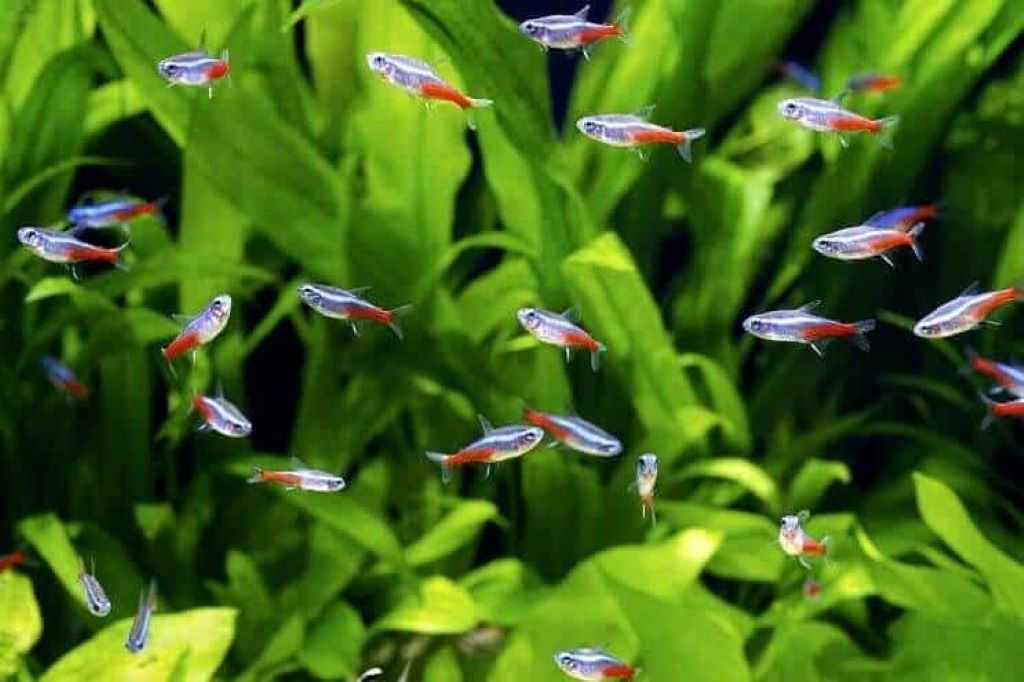
Neon tetras are small, colorful fish that create stunning displays when kept in schools. These peaceful schooling fish stay in the middle water column and rarely bother other species. Their small size and calm demeanor make them perfect for community tanks.
However, neon tetras should be kept in groups of at least ten to prevent stress. They thrive in planted tanks with gentle filtration and stable water conditions. Their bright blue and red coloration adds visual appeal without introducing aggression.
Guppies
Guppies are hardy, peaceful fish that adapt well to various water conditions. Males display vibrant colors and elaborate tail fins, while females appear more subdued. These livebearers are active swimmers that occupy the upper water levels.
Their peaceful nature makes them excellent community fish, though their breeding habits require consideration. Guppies reproduce quickly, so many aquarists keep only males or prepare for population growth. They coexist well with other peaceful species and rarely show aggression.
Platies
Platies are another peaceful livebearer species perfect for community tanks. These colorful fish come in numerous color variations including red, orange, blue, and combinations thereof. They are extremely hardy and tolerate a wide range of water parameters.
Additionally, platies are active swimmers that add movement to your aquarium without causing problems. They school loosely and interact peacefully with tank mates. Their omnivorous diet makes feeding simple, as they accept most commercial fish foods.
Harlequin Rasboras
Harlequin rasboras are small, diamond-shaped fish with distinctive black triangular markings. These peaceful schooling fish remain active throughout the day and create beautiful displays in groups. They prefer the middle to upper water levels and rarely venture to the bottom.
Their calm temperament makes them compatible with most community fish. Harlequin rasboras thrive in planted tanks with soft, slightly acidic water. They are hardy fish that adapt well to aquarium life and rarely show signs of stress.
Mollies
Mollies are peaceful, hardy fish that work well in community settings. These livebearers come in various colors including black, orange, and dalmatian patterns. They grow slightly larger than guppies and platies, reaching up to four inches.
Therefore, mollies need adequate swimming space and work best in tanks of 20 gallons or larger. They are omnivorous with a preference for algae and plant matter. Mollies coexist peacefully with other non-aggressive species and rarely cause problems.
Otocinclus Catfish
Otocinclus catfish are tiny algae eaters that remain completely peaceful toward other fish. These small catfish attach to glass, plants, and decorations, grazing on algae throughout the day. They are among the smallest catfish species, reaching only about two inches.
Their peaceful nature and algae-eating habits make them valuable additions to planted community tanks. However, otocinclus catfish require well-established tanks with sufficient algae growth or supplemental feeding. They should be kept in groups of at least three.
Cherry Barbs
Unlike their aggressive tiger barb cousins, cherry barbs are peaceful community fish. Males display brilliant red coloration during breeding, while females appear more orange-pink. These small barbs school loosely and occupy the middle water levels.
Additionally, cherry barbs are hardy fish that adapt to various water conditions. They are active swimmers that add color and movement without introducing aggression. Their peaceful temperament makes them suitable for mixed-species community tanks.
Zebra Danios
Zebra danios are extremely hardy, peaceful fish perfect for beginners. These small, striped fish are constantly active, swimming rapidly throughout the tank. They are schooling fish that should be kept in groups of six or more.
Their peaceful nature and hardiness make them excellent community fish, according to aquarium experts at Practical Fishkeeping. Zebra danios tolerate a wide temperature range and adapt to various water conditions. They rarely show aggression toward other species.
Bristlenose Plecos
Bristlenose plecos are peaceful algae eaters that remain much smaller than common plecos. These nocturnal fish spend their time attached to surfaces, grazing on algae and leftover food. Males develop distinctive bristles on their faces as they mature.
Their calm temperament and algae-eating abilities make them valuable community tank members. However, bristlenose plecos require hiding spots and driftwood, which provides necessary fiber for their diet. They grow to about five inches and need tanks of at least 20 gallons.
Creating the Perfect Environment
Peaceful fish thrive when their environmental needs are met. Proper tank size prevents overcrowding, which reduces stress and territorial behavior. Most community tanks should be at least 20 gallons, though larger tanks provide more stability and space.
Additionally, adequate filtration maintains water quality, which is essential for fish health. Regular water changes remove waste products and replenish minerals. Testing water parameters ensures conditions remain within acceptable ranges for your chosen species.
Plants and decorations provide hiding spots and break up sight lines. This reduces stress by allowing fish to establish territories without constant confrontation. Caves, driftwood, and dense plant growth create a natural environment that encourages peaceful behavior.
Feeding Considerations
Peaceful community fish generally have similar dietary requirements. Most accept high-quality flake or pellet foods as their staple diet. However, variety improves nutrition and keeps fish healthy. Supplementing with frozen or live foods like brine shrimp and bloodworms provides essential nutrients.
Overfeeding can lead to water quality issues, so feed only what fish consume in two to three minutes. Multiple small feedings throughout the day work better than one large feeding. This prevents competition and ensures all fish receive adequate nutrition.
Bottom dwellers like corydoras and plecos require sinking foods. Algae wafers and sinking pellets ensure these fish receive proper nutrition without competing with surface feeders. Therefore, using multiple food types benefits all tank inhabitants.
Monitoring Tank Dynamics
Even peaceful fish can occasionally show minor aggression during feeding or spawning. Observing your fish daily helps identify potential problems before they escalate. Watch for signs of stress including hiding, clamped fins, rapid breathing, or loss of color.
If aggression occurs, reassess tank conditions. Overcrowding, insufficient hiding spots, or water quality issues often trigger behavioral changes. Adding more plants, increasing tank size, or adjusting stocking levels can resolve many problems.
Moreover, introducing new fish requires careful consideration. Quarantine new arrivals for two to four weeks before adding them to your community tank. This prevents disease transmission and allows observation of their temperament.
Conclusion
Building a peaceful community tank requires selecting compatible species that coexist without aggression. Fish like corydoras catfish, neon tetras, guppies, platies, and harlequin rasboras create harmonious environments where all inhabitants thrive. Understanding each species’ requirements and providing adequate space, hiding spots, and proper nutrition ensures long-term success.
Additionally, monitoring tank dynamics and maintaining excellent water quality prevents stress-related behaviors. Peaceful community tanks offer relaxing viewing experiences and allow fish to display natural behaviors. Therefore, investing time in research and proper setup creates rewarding aquariums that bring joy for years.
By choosing peaceful species and meeting their needs, aquarists can enjoy vibrant, active tanks without the stress of fin nipping and aggression. The result is a beautiful underwater ecosystem that showcases the best of aquarium keeping.
Frequently Asked Questions
Can peaceful fish live with slightly aggressive species?
Mixing peaceful fish with aggressive species is generally not recommended. Even moderately aggressive fish can stress peaceful tank mates, leading to health issues and reduced lifespan. However, some semi-aggressive species can work if the tank is large enough and has adequate hiding spots. Always research specific species compatibility before combining fish with different temperament levels.
How many peaceful fish can I keep in a 20-gallon tank?
The general rule is one inch of adult fish per gallon of water, though this varies by species. A 20-gallon tank could house approximately 15 to 20 small peaceful fish like neon tetras or guppies. However, consider adult size, activity level, and waste production when stocking. Heavily planted tanks with excellent filtration can support slightly higher stocking levels.
Do peaceful fish need to be kept in groups?
Many peaceful fish are schooling species that require groups to feel secure. Neon tetras, harlequin rasboras, and corydoras catfish should be kept in groups of at least six. However, some peaceful fish like platies and guppies are social but not strictly schooling. Research each species’ social requirements before purchasing.
What causes peaceful fish to become aggressive?
Peaceful fish may show aggression due to overcrowding, poor water quality, insufficient food, breeding behavior, or illness. Stress from inadequate tank conditions often triggers behavioral changes. Ensuring proper tank size, maintaining water quality, and providing adequate resources usually resolves temporary aggression in normally peaceful species.
How long should I wait before adding new fish to my community tank?
Wait at least two to four weeks after initially cycling your tank before adding fish. Once established, wait one to two weeks between adding new groups to avoid overwhelming your biological filtration. Always quarantine new fish separately for two to four weeks to prevent disease introduction. This gradual approach ensures tank stability and reduces stress on existing inhabitants.
Related Topics:
Top 5 Low-Maintenance Fish for First Reef Aquarium