

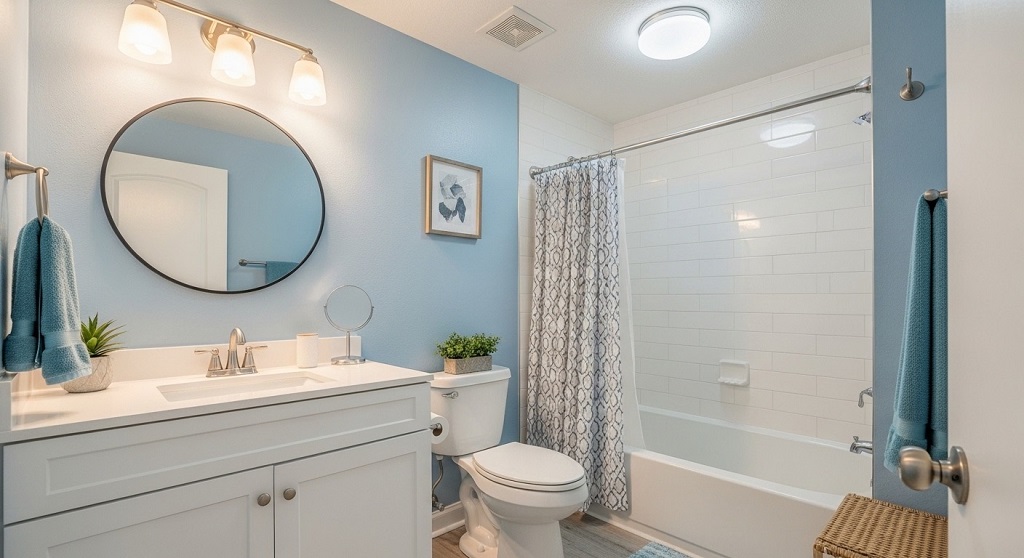
Bathroom remodeling is the process of updating the layout, fixtures, finishes, and systems of a bathroom to improve function, comfort, and value. Overspending usually happens because homeowners underestimate costs, change plans mid-project, or focus on looks before function.
A bathroom remodel looks simple on paper. Small space. Limited fixtures. But data shows otherwise. According to the 2024 U.S. Houzz Bathroom Trends Study, the average bathroom remodel costs between $9,000 and $27,000, depending on size and scope. Nearly 35% of homeowners reported exceeding their original budget.
The biggest problem? Poor planning.
Most people start with tiles and faucets. That’s backwards. A cost-controlled remodel starts with a plan, a budget buffer, and clear priorities. This guide breaks down how to plan a bathroom remodel step by step, using real cost data, contractor insights, and proven decision frameworks—without fluff.
If you want a bathroom that looks good, works well, and doesn’t drain your savings, this article is for you.
How do you set a realistic budget for bathroom remodeling?
Short answer: Set a total budget, then break it into fixed percentages for labor, materials, and contingency.
A realistic bathroom remodeling budget follows a structure, not guesses.
| Cost Category | Recommended % of Budget |
|---|---|
| Labor | 40–50% |
| Fixtures & Materials | 35–45% |
| Contingency Buffer | 10–15% |
For example, on a $15,000 remodel:
- $6,500–$7,500 for labor
- $5,500–$6,500 for materials
- $1,500–$2,000 as a buffer
Case study data from Remodeling Magazine’s Cost vs. Value Report shows that homeowners who skipped a contingency fund were 2.3× more likely to pause or downgrade their remodel mid-way.
Overspending often starts with under-budgeting. Plan higher. Spend smarter.
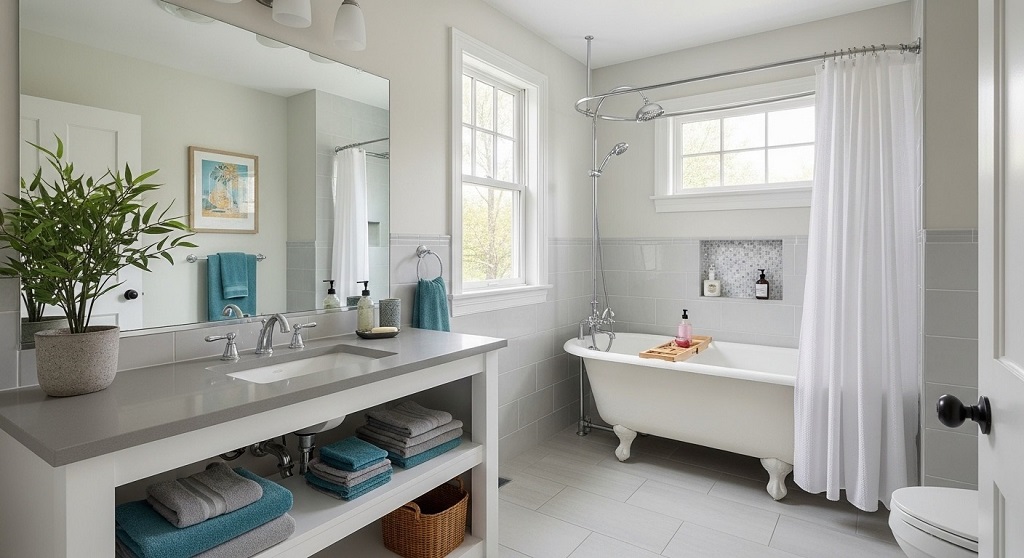
How do you plan a bathroom remodel step by step?
Short answer: Define goals, assess the existing space, lock the layout, then choose finishes.
This is the correct order:
- Define the purpose (resale, comfort, accessibility)
- Audit plumbing, wiring, and ventilation
- Lock the layout
- Select fixtures
- Choose finishes last
According to contractor surveys, layout changes account for up to 25% of unexpected costs. Moving a toilet just 2 feet can add $800–$1,500 in plumbing work.
When learning how to plan a bathroom remodel, layout discipline is non-negotiable. If plumbing stays in place, costs stay predictable.
Planning isn’t about style. It’s about reducing variables.
Which bathroom upgrades give the best value without overspending?
Short answer: Focus on fixtures, lighting, and storage—not structural changes.
High-ROI upgrades based on resale data:
- Water-efficient toilets (ROI ~60–65%)
- LED layered lighting
- Prefabricated vanities
- Porcelain tile over natural stone
Low-ROI upgrades that inflate budgets:
- Custom tile mosaics
- Freestanding tubs in small bathrooms
- Moving load-bearing walls
A 2023 National Association of Realtors report showed that minor bathroom remodeling recoups 71% of costs on resale, while upscale remodels drop to 54%.
Value comes from function, not luxury.
How can you reduce material costs without lowering quality?
Short answer: Choose look-alike materials with better durability.
Smart substitutions:
- Quartz instead of marble (40% cheaper, less maintenance)
- Porcelain tile instead of ceramic (longer lifespan)
- Acrylic shower surrounds instead of tile
Builders report that material swaps can reduce total bathroom remodeling costs by 15–25% without visual compromise.
Quality isn’t about brand names. It’s about performance per dollar.
Should you hire a contractor or manage the remodel yourself?
Short answer: DIY saves money only if you have experience.
Labor accounts for nearly half of remodel costs. That tempts homeowners to DIY. But mistakes are expensive.
Data from HomeAdvisor shows that fixing DIY plumbing errors costs an average of $1,200.
Hybrid approach:
- Hire licensed pros for plumbing and electrical
- DIY demolition, painting, and hardware installation
This approach saves 10–20% while protecting compliance and safety.
How do timelines affect bathroom remodeling costs?
Short answer: Longer timelines cost more.
Every extra week adds labor, rental, or inconvenience costs. A standard bathroom remodel should take:
- Small bathroom: 2–3 weeks
- Full bathroom: 3–5 weeks
Delays usually come from:
- Backordered materials
- Design changes mid-project
- Poor contractor coordination
Lock decisions early. Time is money.
How do you avoid hidden costs during bathroom remodeling?
Short answer: Inspect before you demolish.
Common hidden costs:
- Mold behind walls
- Outdated wiring
- Subfloor water damage
A pre-remodel inspection costing $200–$400 can save thousands. Insurance data shows water damage repairs average $3,300.
Planning reduces surprises. Surprises inflate budgets.
How do permits and codes impact your remodel budget?
Short answer: Skipping permits risks fines and resale issues.
Permit costs range from $150 to $1,000 depending on scope. But unpermitted work can reduce home value and void insurance claims.
Always confirm:
- Electrical code compliance
- Ventilation requirements
- Plumbing permits
Code compliance is cheaper than correction.
Conclusion: How can you remodel your bathroom without overspending?
Overspending on bathroom remodeling is rarely about bad luck. It’s about weak planning.
When you define a clear budget, lock your layout, choose value-driven materials, and plan every decision before demolition, costs stay controlled. Real data proves it. Homeowners who plan thoroughly spend less and report higher satisfaction.
The goal isn’t the cheapest bathroom. It’s the smartest one.
Ready to plan your bathroom remodel the right way? Start with a written budget today. Compare options. Ask better questions. And treat planning as the most important upgrade you’ll make.
Take action now: Download a bathroom remodel checklist or consult a licensed contractor before you buy a single tile.
Frequently Asked Questions About Bathroom Remodeling
How much does bathroom remodeling cost on average?
Bathroom remodeling costs typically range from $9,000 to $27,000. Minor updates cost less, while full remodels with layout changes cost more.
How to plan a bathroom remodel on a tight budget?
Keep plumbing in place, choose prefabricated fixtures, and prioritize functional upgrades like lighting and storage.
What is the most expensive part of bathroom remodeling?
Labor is usually the most expensive, accounting for up to 50% of total costs.
How long does a bathroom remodel usually take?
Most bathroom remodels take 2–5 weeks, depending on size and complexity.
Does bathroom remodeling increase home value?
Yes. Minor bathroom remodels recoup around 70% of costs on resale.
Can I remodel a bathroom for under $10,000?
Yes, if you avoid layout changes, use stock materials, and limit custom work.
Do I need permits for bathroom remodeling?
Permits are required for plumbing, electrical, and structural changes in most areas.
Related Topics: Dopamine-Regulation Apps for Phone Dependency
Related Topics: How Students Compare AI vs Human Homework Help