

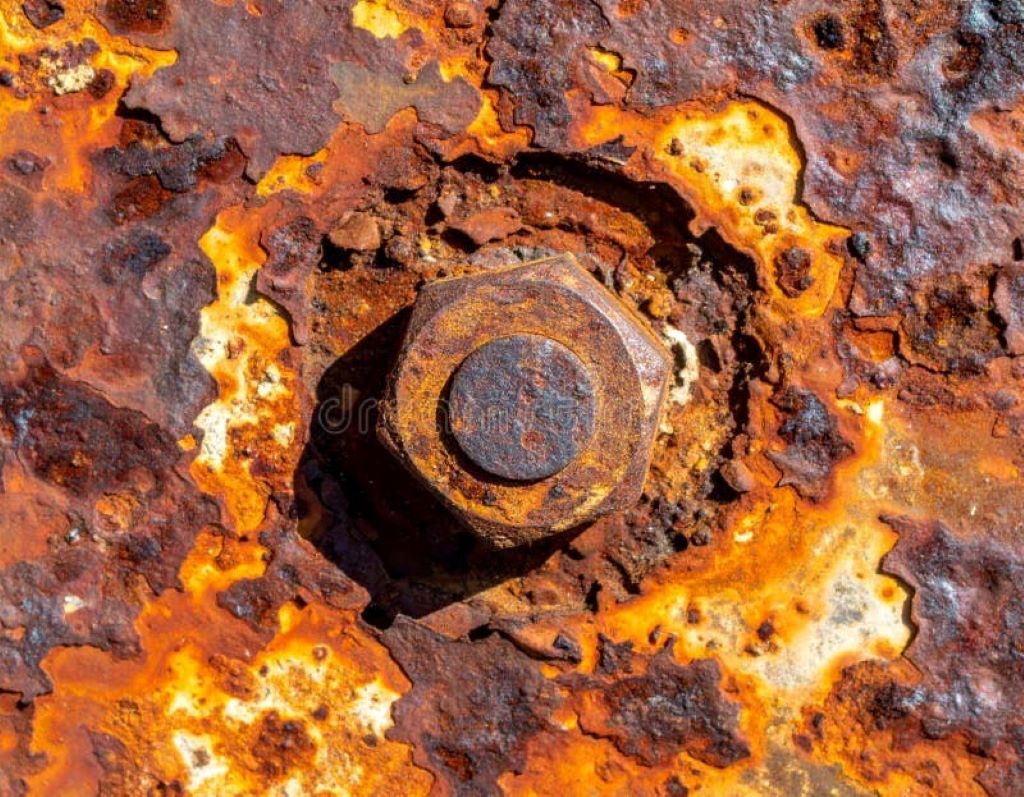
It’s a sight that makes any aquarist’s heart sink: an unnatural orange or brown stain spreading from a piece of equipment. Rust. This unwelcome guest is more than just an eyesore; it can be a serious threat to the delicate balance of your aquatic ecosystem. While many components can be to blame, one of the most common and overlooked culprits is the filter itself. Understanding the causes, dangers, and solutions for rust is critical for any tank owner. When tackling complex aquarium problems, checking resources like the Reef Aquarium Blog can offer a wealth of information to help you maintain a healthy system.
Discovering rust in aquarium environments is a common fear, especially for those with saltwater setups or metal stands. Rust is, in simple terms, the oxidation of iron. When iron or an iron-based alloy (like many types of steel) is exposed to both oxygen and water, it corrodes and forms iron oxide. Your aquarium, being a container full of oxygenated water, is the perfect environment for this process.
While iron is a necessary trace element for many living things, including plants and even fish, the form and concentration matter greatly. Rust from a corroding piece of metal releases iron particles into the water column in an uncontrolled way. This can lead to a cascade of problems that threaten the health of your tank’s inhabitants. Let’s explore why rust is such a significant threat and how to deal with it, starting with the heart of your tank: the filter.
Why Rust is a Major Threat to Your Aquarium
The presence of rust is not just a cosmetic problem. It is an active sign that something is breaking down and potentially leaching harmful substances into the closed environment of your fish tank.
The Danger of Heavy Metals
The primary danger from rust is heavy metal toxicity. The corroding metal piece, whether it’s a screw, a pin, or a clip, can release a high concentration of iron directly into the water. In a small, enclosed volume like an aquarium, these concentrations can build up quickly.
Fish are particularly vulnerable. High levels of iron can damage their delicate gill tissues, leading to respiratory distress. You might observe your fish gasping at the surface or breathing rapidly. Prolonged exposure can weaken their immune systems, making them susceptible to other diseases.
Additionally, invertebrates are often far more sensitive to heavy metal contamination than fish. Shrimp, crabs, and snails can be the first to show signs of distress and may die from levels of contamination that fish can temporarily tolerate. For reef tank enthusiasts, corals can also be negatively affected, as excess iron can interfere with their growth and coloration.
Water Quality and Aesthetics
Beyond direct toxicity, rust can have other negative effects. The rust particles can tint the water, giving it a cloudy or yellowish-brown appearance. These particles will eventually settle, staining your substrate, silicone, and decorations with a stubborn orange film that is very difficult to remove. This visual degradation ruins the natural beauty you’ve worked so hard to create.
Common Culprits: Identifying the Source of Rust
To solve the problem, you must first find the source. While it could be anything metal, the filter is a prime suspect because it runs 24/7 and has several small, often hidden, components.
Aquarium Filter Rust Issues
The very device meant to keep your water clean can sometimes be the source of its contamination. Many filters, especially older or cheaper models, use metal parts that are not designed for long-term submersion.
- Impeller Shafts and Magnets: This is the most common filter-related rust source. The impeller is the small spinning part that “pulls” water through the filter. In many older hang-on-back or internal filters, the impeller spins on a small metal pin or shaft. If this pin is not made of high-grade stainless steel or ceramic, it will inevitably rust. The rust then gets blasted directly into your water column. Modern, high-quality filters almost exclusively use ceramic shafts, which are inert and cannot rust.
- Screws and Fasteners: Look closely at your filter housing, both inside and out. Are there any metal screws holding it together? Canister filters, in particular, may have metal clamps or screws on the lid or hose fittings. If these are made of low-grade steel, they will corrode, especially in the high-humidity environment of a filter lid or cabinet.
- Media Baskets: Some filter media baskets or internal support structures might be made of coated metal. If this coating chips or cracks, the metal underneath will be exposed to water and begin to rust.
Beyond the Filter: Other Rust Sources
If your filter checks out, it’s time to expand your search. The “rust in aquarium” problem can originate from many other places.
- Metal Aquarium Stands: This is a huge issue, especially for saltwater tanks where salt creep and humidity are constant. A metal stand can rust from the outside in, with flakes of rust potentially falling into a sump below. More insidiously, humidity can cause rust on the inside of the stand’s frame, weakening its structural integrity over time.
- Aquascaping and Maintenance Tools: Never leave your tools in the tank! Metal aquascaping scissors, tweezers, or scrapers, even those labeled “stainless steel,” can rust if left submerged. Many stainless steel products are “stain-resistant,” not “stain-proof.”Only high-grade 316 stainless steel or titanium is truly safe for prolonged marine contact. Always remove, rinse, and dry your tools immediately after use.
- Decorations: Be extremely cautious with cheap aquarium decorations. Many seemingly harmless resin figures or artificial plants are held together with hidden metal staples or wires. Once the thin outer coating dissolves, these metal parts will rust and leach toxins directly into your water. Always buy from reputable aquarium brands.
- Hose Clamps: If you use a canister filter or a sump, check the hose clamps on your plumbing. Standard hardware store clamps are often zinc-plated and will rust spectacularly in a short amount of time. Always use 100% plastic clamps or high-grade (316) stainless steel clamps for any aquarium plumbing.
- Light Fixtures: Check the screws and brackets on your light fixture. If water splashes from an air stone or during maintenance, it can cause these parts to rust. The rust can then drip back down into the tank.
A Proactive Approach: Preventing Rust Before It Starts
The best way to deal with rust is to prevent it from ever happening. A little vigilance and smart purchasing decisions can save you a world of trouble.
Choosing the Right Equipment
When buying a new filter, heater, or pump, specifically look for models that use inert materials.
- Filter Impellers: Actively check the product description or reviews to confirm the filter uses a ceramic impeller shaft. This is the single most important preventative step for filter rust.
- Heaters: Most modern heaters are fully submersible and encased in glass or titanium. Avoid any old models with exposed metal parts.
- Hardware: If you must use metal components like screws or clamps, ensure they are made from marine-grade 316 stainless steel or titanium. Never use standard steel or zinc-plated hardware.
Regular Maintenance Checks
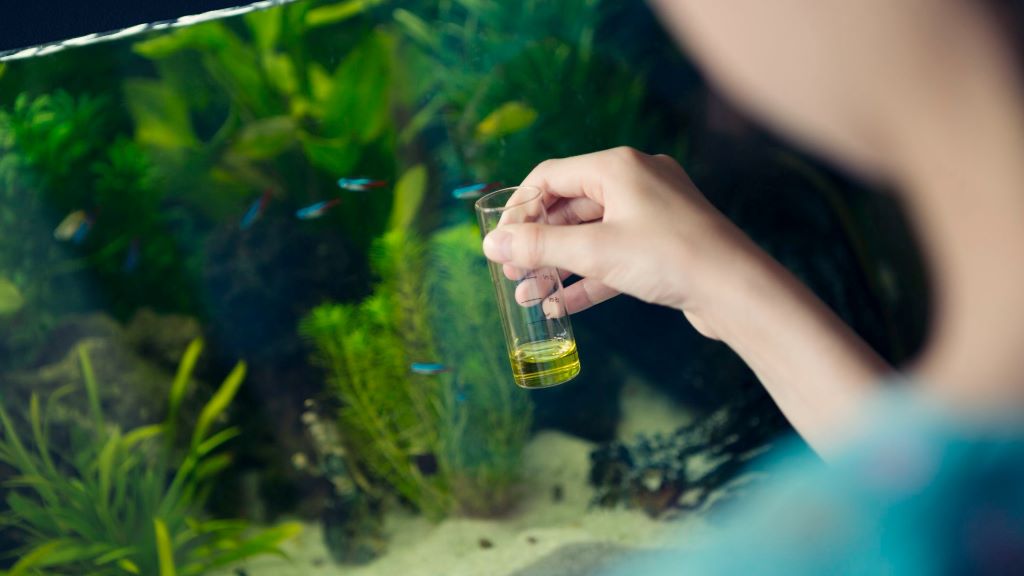
Incorporate a “rust check” into your regular aquarium maintenance routine.
- Filter Cleaning: Every time you clean your filter media, take the impeller assembly apart. Look at the shaft and the magnet. Check for any orange staining or pitting on the metal.
- Equipment Inspection: Quickly scan any equipment in the tank. Look at heater clips, powerhead mounts, and intake tubes for any metal components showing signs of wear.
- Stand and Cabinet: Once a month, wipe down your aquarium stand. For metal stands, check all weld points and joints for any bubbling paint or orange dust, which are the first signs of rust.
- Tools: Keep your aquascaping tools completely separate from the tank and ensure they are always dry when stored.
Emergency Response: How to Remove Rust and Fix the Problem
If you’ve found rust, don’t panic. Act quickly and methodically to remove the source and mitigate the damage.
Step 1: Identify and Remove the Source
This is the most critical step. The rust will continue to be a problem until the offending object is gone. If it’s a filter pin, you must replace the entire filter or find a replacement impeller with a ceramic shaft. If it’s a decoration, remove it immediately. Do not try to “seal” or “paint” a rusting object that stays in the tank; it is rarely a permanent or safe solution.
Step 2: Cleaning and Water Changes
Once the source is removed, you need to get the rust particles out of the system.
- Siphon any visible rust debris from the substrate during your next water change.
- Perform a large water change, around 30-50%, to dilute the dissolved heavy metals in the water column.
- For stains on the glass, a simple algae scraper or mag-float cleaner will usually work. Stains on silicone are much tougher and may be permanent.
- If equipment outside the tank (like a canister filter lid) has rust stains, you can clean it with a cloth soaked in white vinegar or lemon juice. Be sure to rinse it thoroughly with fresh water before it comes into contact with aquarium water again.
Step 3: Using Chemical Filtration
To remove the dissolved heavy metals you can’t see, add fresh chemical filtration to your filter.
- Activated Carbon: High-quality activated carbon can help remove a variety of impurities and may pull some dissolved metals from the water.
- Specialty Media: The most effective solution is a specialty filter pad or media designed specifically to remove heavy metals. Products like Poly-Filter are excellent for this. The pad will even change color to indicate which metals it has absorbed, giving you peace of mind.
Conclusion: A Healthy Tank is a Rust-Free Tank
Finding rust in your aquarium can be alarming, but it is a solvable problem. The key is to understand that the issue often begins with equipment choices. Aquarium filter rust issues are particularly common, making it essential to inspect your filter’s components, especially the impeller, on a regular basis.
By choosing equipment with no corrodible metal parts, practicing vigilant maintenance, and knowing how to act quickly if rust appears, you can protect your fish, invertebrates, and corals. Rust has no place in a healthy aquatic environment. Therefore, a proactive approach to prevention is always the best strategy for the long-term success of your aquarium.
Frequently Asked Questions (FAQs)
-
Is a little rust in my aquarium dangerous?
Yes. Any visible rust means a metal object is actively corroding. This object will continue to leach heavy metals into the water until it is removed. While a tiny speck might not cause an immediate crash, it is a serious warning sign that should be addressed immediately.
-
Can rust kill my fish?
Yes, in high enough concentrations, rust (iron oxide) can lead to heavy metal poisoning. This damages a fish’s gills, causing respiratory distress, stress, a weakened immune system, and eventually death. Invertebrates like shrimp are even more sensitive and can be killed by levels that fish might temporarily survive.
-
How can I tell if my filter impeller is rusting?
You will need to disassemble the filter’s motorhead to inspect the impeller, which is the small, propeller-like part. Pull it out and look at the pin it spins on. If the pin is metallic and has any orange or brown discoloration, it is rusting. You may also see rust stains inside the filter housing or on your filter media.
-
Is the brown stuff in my tank always rust?
No. Most of the time, a brown, dusty film that coats your glass, substrate, and plants is not rust. It is most likely diatoms, a type of brown algae that is very common in new tanks. Diatoms are harmless and will usually go away on their own as the tank matures. Rust will almost always be clearly linked to a specific metal object.
-
Can I use metal tools in my aquarium?
You can, but with extreme caution. Only use tools specifically sold for aquarium use, preferably made from 316-grade stainless steel or titanium. Most importantly, never store them in the tank. Use them for your maintenance or aquascaping, and then immediately remove, rinse, and dry them thoroughly.
Related Topics:
Spring Fishing Success: Best Baits and Techniques for Warming Waters
Top Low-Maintenance Aquarium Plants for Busy Hobbyists