

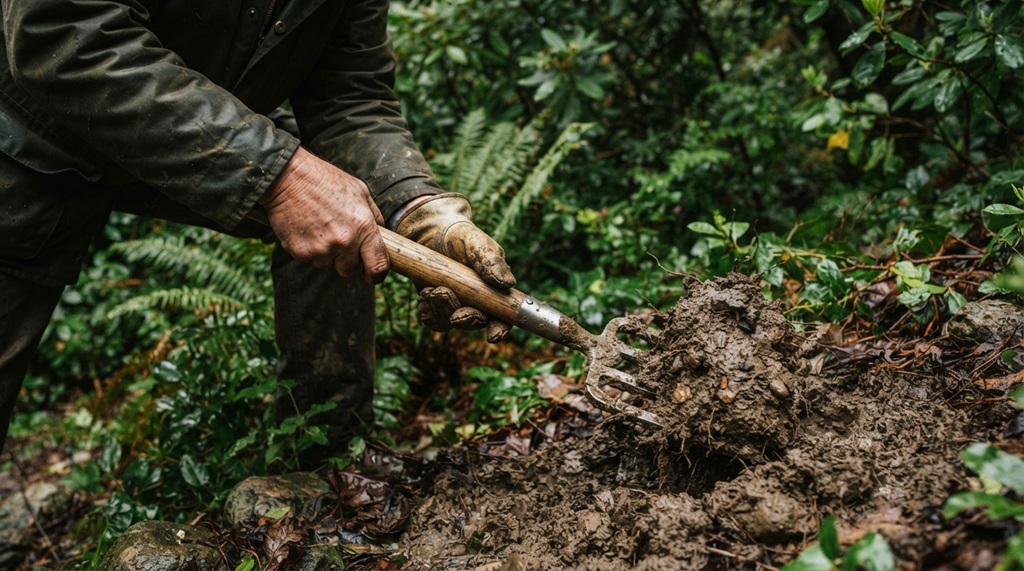
Picture this: you’re on your knees in your Tacoma backyard, the soil is damp from last night’s rain, and you reach for your hand fork. But instead of slicing through the loam, the tines bend like wet spaghetti. Frustrating, right? Finding the perfect hand fork for washington gardens isn’t about grabbing the cheapest tool at the big-box store. It’s about matching the tool to our unique Pacific Northwest conditions heavy clay, persistent weeds, and nine months of moisture. Let’s cut through the gardening noise and find the tool that will actually make you enjoy weeding again.
What Makes Washington Soil Different for Hand Forks?
Washington’s soil is a beast of its own. From the glacial till in Seattle to the volcanic loam near Mount St. Helens, your hand fork needs to handle extremes. In western Washington, we battle acidic, clay-heavy soil that turns rock-hard in summer and sticky in winter. Eastern Washington, however, offers sandy loam that drains fast but lacks organic matter. A one-size-fits-all fork simply fails in these conditions. The perfect hand fork for washington gardens must be engineered to break compaction without bending, and it must resist rust when left in damp soil (which we all do accidentally).
Identifying Your Local Soil Type
Before buying, grab a handful of moist soil from your garden. Squeeze it. If it forms a ribbon that holds together, you have clay. If it crumbles instantly, you have sand. Most Washington gardeners are dealing with a hybrid silty clay that is notorious for binding tool tines. Knowing this helps you prioritize fork strength over finesse. For clay-dominant beds, choose a fork with thicker, round tines that can pry rather than slice. For sandy eastern soils, a lighter fork with sharper tines reduces wrist fatigue.
Why Tine Shape Matters for Wet Climates
Washington’s frequent rain means you’ll often work in moist soil. Flat tines tend to clump with mud, making every lift a chore. Look for tines that are slightly curved or have a diamond cross-section. These designs shed soil better and require less effort to clean. Also, consider the gap between tines: a wider gap moves more soil, but a narrower gap is better for teasing out small weeds like bittercress, which thrives in our cool, wet springs.
Which Hand Fork Material Lasts Longest in the PNW?
Stainless steel should be your default choice. Carbon steel is stronger but rusts quickly when exposed to our acidic soil and constant moisture. A hand fork made from high-grade stainless steel (like 410 or 420) resists corrosion and stays sharp longer. Aluminum is lightweight for backpackers but bends under pressure in hard, dry clay. The perfect hand fork for washington gardens must feature a head that is forged from a single piece of steel, not welded, to prevent snap points.
Stainless Steel vs. Carbon Steel vs. Titanium
Titanium is the premium option it’s flexible, rust-proof, and light, but it costs twice as much as steel. For most home gardeners in Washington, stainless steel offers the best balance. If you’re gardening in the San Juan Islands where salt spray is a factor, titanium or a coated stainless steel is worth the splurge. Always check for a brushed finish, which helps prevent soil from sticking.
The Scoop on Handle Attachments
Inspect where the head meets the handle. A tang that extends full-length through the handle is non-negotiable for longevity. Many budget forks use a short tang that wiggles loose within a year. Look for a fork where the metal goes completely through the wooden or composite handle and is secured with a rivet or a flush screw. This is the first place where cheap tools fail in Washington’s heavy soil.
Choosing the Ideal Handle Length for Ergonomic Weeding
While compact four-to-five-inch handles excel at delicate, precision work, they inevitably increase physical fatigue by forcing you into a deep bend over your soil beds. For most Pacific Northwest gardeners, a standard five-to-six-inch handle offers the ultimate sweet spot delivering maximum digging leverage without sacrificing nimble control in dense beds. If you struggle with lower back or joint discomfort, select a hand fork featuring an angled head or offset shaft; this neutralizes wrist strain and allows for fluid movement during extended weeding sessions. Creating an inviting outdoor sanctuary with well-maintained borders pairs effortlessly with curated interior flourishes much like learning to choose artificial wedding flowers that look real, achieving a refined, high-end aesthetic requires selecting tools and accents designed for both lasting durability and effortless realism.
Grip Comfort for Rainy Spring Days
Latex-coated grips are a Godsend in Washington’s damp climate. They provide grip even when your hands are wet or muddy. Wooden handles look beautiful but become slippery. Composite or rubberized handles are practical, but they lack the warmth of wood. Consider a hybrid: a hardwood core with a rubber grip overlay. This gives you durability and comfort, ensuring you can keep that firm hold while pulling out stubborn quack grass.
Can One Hand Fork Handle Both Weeding and Planting?
No, but a few come close. A fork with a sharp, pointed tip is excellent for loosening soil for transplants, but it’s less effective for slicing through weed roots. Conversely, a fork with a wider, flat head is great for dividing perennials but is clumsy for delicate work in your raised beds. For versatility, choose a fork with a narrow head (about 1 inch wide) and sharp tines. This allows you to work in tight spaces and still break up the top inch of soil efficiently.
When to Use a Hand Fork vs. a Trowel
Use a hand fork when you need to aerate, weed, or break up clods. Use a trowel when you need to dig a precise planting hole or scoop out soil. Many Washington gardeners try to use a trowel for weeding, but trowels create a smooth hole that weeds love to re-inhabit. A fork, on the other hand, allows water and air to penetrate, disrupting weed seeds in the top layer. This distinction is vital for maintaining healthy soil structure in our rainfall-heavy environment.
Is a Wide Tine Spacing Better for Breaking Up Clay?
Yes, for initial soil prep. Wide spacing allows more soil to pass through and reduces the force needed to push into hard ground. However, for routine weeding in established beds, tight spacing is better. Most premium forks offer a compromise: four tines, spaced about 3/4 of an inch apart. This is sufficient for most tasks, from breaking up the crusty topsoil in July to planting bulbs in November. The perfect hand fork for washington gardens is one that feels like a natural extension of your arm, regardless of the spacing specs.
Test the Flex in Your Local Nursery
Don’t buy online blind. Visit a local nursery like Swanson’s or Molbak’s and physically test the flex. Hold the fork by the handle and press the tines against the floor. A good fork will have slight flex but will not bend permanently. If the tines are too stiff, they will transmit shock to your wrist. If they are too soft, they will bend on rocks common in glacial till soil prevalent in King County.
Which Brands Do Washington Master Gardeners Recommend?

Local Master Gardeners consistently recommend brands like DeWit, Sneeboer, and Burgon & Ball. These brands use high-quality boron steel or forged stainless steel. However, brand loyalty isn’t everything. A lesser-known brand like “Flexrake” offers a surprisingly durable fork for a fraction of the cost. The key is not the name on the handle but the gauge of the steel. A thick, 5mm gauge steel is essential for our hard, dry summer soil.
Price Point vs. Longevity
Expect to spend between $25 and $60 for a quality hand fork. A $15 fork will likely break or rust within one season. Consider this: a $50 fork that lasts 20 years costs you $2.50 a year. A $15 fork that lasts 2 years costs you $7.50 a year. The math is clear for serious gardeners. However, if you’re a renter or just starting out, a mid-range fork (around $30) offers adequate performance without the hefty investment.
| Feature | Cheap Fork ($15) | Premium Fork ($50+) |
|---|---|---|
| Steel Type | Hardened Carbon Steel (rusts) | Stainless Steel (rust-resistant) |
| Connection | Short tang with epoxy | Full tang with rivet |
| Handle | Untreated Ash | Rubberized composite |
| Lifespan | 1-2 years | 10+ years |
How to Maintain Your Hand Fork for Year-Round Use
Rinse your fork after each use and dry it, even if it’s stainless steel. This prevents mineral buildup from our hard water. Occasionally, oil the wooden handle with linseed oil to prevent cracking during winter storage. Sharpen the tines annually with a file. A sharp fork cuts through weeds rather than tearing them out, which reduces physical effort and prevents weed regrowth.
Winter Storage Tips for Damp Climates
Never store your hand fork outside in a bucket. In Washington, the winter temperature fluctuates above and below freezing, causing moisture to condense and rust. Hang your tools indoors or in a shed with good ventilation. Stick the tines in a bucket of sand mixed with vegetable oil. This cleans, sharpens, and protects the metal throughout the dormant season. This simple practice will double the life of the perfect hand fork for washington gardens.
When Should You Replace Your Hand Fork?
If the tines are worn down to less than half their original thickness, it’s time to replace them. If the handle has splinters that you cannot sand down, replace it. It’s not worth the risk of injury. Also, if you notice the fork bending under normal pressure, it has lost its temper and will likely snap. Don’t donate a broken tool to charity; recycle it.
The Environmental Angle of Buying Durable Tools
Buying a quality tool is an eco-conscious choice. It keeps metal out of landfills and reduces the carbon footprint of shipping new cheap tools every few years. In a state that prides itself on environmental stewardship, investing in a durable hand fork aligns with your values. Consider repairing your fork many garden stores sell replacement handles (like Hida Tool in Portland) to extend its life further.
Frequently Asked Questions
What is the best hand fork for tough clay soil in Washington?
Look for a fork with thick, round tines made of stainless steel. A full-tang design and a wide tine gap (around 0.75 inches) will help you break through compacted clay without bending the tool.
How do I prevent my hand fork from rusting in Seattle’s rain?
Wipe it dry after every use and store it indoors. Apply a thin layer of food-grade mineral oil to the metal head twice a year. Avoid leaving it in the soil overnight, as acidic moisture accelerates corrosion.
Are wooden handles better than rubber handles for wet weather?
Rubber or composite handles provide better grip when wet. Wooden handles are comfortable but can become slippery. If you prefer wood, choose one with a waxed finish and wear gardening gloves.
Can I use a hand fork to dig out dandelion roots?
Yes, but only if the tines are strong and straight. Insert the fork deep next to the taproot and gently pry the soil. A standard trowel is often better for deep taproots, but a fork is excellent for shallow-rooted weeds.
What is a forged hand fork?
A forged fork is made from a single piece of heated steel hammered into shape, rather than being stamped from thin sheet metal. Forging makes the grain of the metal follow the shape of the tool, which dramatically increases durability.
Is titanium worth the extra cost?
Yes, if you have arthritis or severe wrist pain. Titanium is 40% lighter than steel and very flexible. However, it can be difficult to find in local stores and is less effective for heavy-duty prying in rocky soil.
How often should I sharpen my hand fork?
At least once a year, preferably in early spring. Use a flat file to sharpen the inside edges of the tines. This will preserve the cutting edge and make your work much easier.
Make the Smart Choice for Your Backyard
Your hand fork is the hardest-working tool in your shed. It deserves more attention than a passing glance at the rack. By focusing on soil compatibility, material strength, and ergonomic design, you ensure that your gardening time is productive and pain-free. The perfect hand fork for washington gardens is not a mythical object it’s a practical choice based on steel gauge, tang length, and grip comfort.
Don’t settle for a tool that fights you. Visit a reputable garden center, take your time, and feel the weight of the fork in your hand. Consider your specific microclimate whether you’re dealing with rainshadow effects in Sequim or heavy rainfall in Forks. With the right tool, you can turn that weedy patch into a thriving vegetable bed. So, invest in a quality fork, treat it with respect, and it will serve you for decades to come. Your knees and your back will thank you this spring.