


Getting quality sleep makes an enormous difference in your daily life. However, many people struggle with neck pain, shoulder discomfort, and restless nights simply because they’re using the wrong pillow. If you sleep on your side, choosing the right pillow becomes even more critical for maintaining proper spinal alignment and waking up refreshed.
Side sleeping is the most common sleep position, with studies showing that over 60 percent of adults prefer this position. Despite its popularity, side sleeping creates unique challenges that require specific pillow characteristics. The gap between your head and the mattress is larger when lying on your side compared to sleeping on your back, which means you need adequate support to keep your spine neutral.
This comprehensive guide will walk you through everything you need to know about selecting the perfect pillow for side sleeping in 2026. You’ll discover what features matter most, how to evaluate different materials, and what to avoid when shopping. By the end, you’ll have the knowledge to make an informed decision that improves your sleep quality and overall health.
Understanding Why Side Sleepers Need Special Support
Your spine runs from the base of your skull down to your tailbone, and maintaining its natural alignment during sleep prevents pain and stiffness. When you lie on your side, your head sits several inches above the mattress. Without proper support, your head either drops down toward the mattress or gets pushed up too high, creating an unnatural angle.
This misalignment strains the muscles, tendons, and ligaments in your neck. Over time, this nightly stress leads to chronic pain, headaches, and even pinched nerves. Additionally, poor alignment can affect your shoulder position, causing compression and discomfort in that joint.
The space between your ear and the outer edge of your shoulder determines how much support you need. People with broader shoulders require more height, while those with narrower frames need less. This individual variation explains why one-size-fits-all pillows rarely work well for side sleepers.
Furthermore, side sleeping affects pressure points differently than other positions. Your shoulder and hip bear most of your body weight, and the wrong pillow can fail to account for how your shoulder compresses into the mattress. This compression changes the effective height needed for proper support.
Key Features of a Side Sleeper Support Pillow
The ideal side sleeper support pillow must possess several essential characteristics that work together to provide optimal comfort and alignment. Understanding these features helps you identify quality options and avoid common pitfalls.
Height, or loft, is perhaps the most critical factor. Your pillow needs enough height to fill the gap between your head and the mattress completely. Too little height allows your head to sink down, bending your neck sideways. Too much height pushes your head up, creating the opposite problem. Most side sleepers need a pillow between four and six inches tall, though individual needs vary.
Firmness affects both comfort and support. A pillow that’s too soft compresses completely under your head’s weight, failing to maintain proper height throughout the night. Conversely, an overly firm pillow refuses to conform to your head’s shape, creating pressure points and discomfort. The best option offers a medium-firm to firm feel that supports your head while still allowing some contouring.
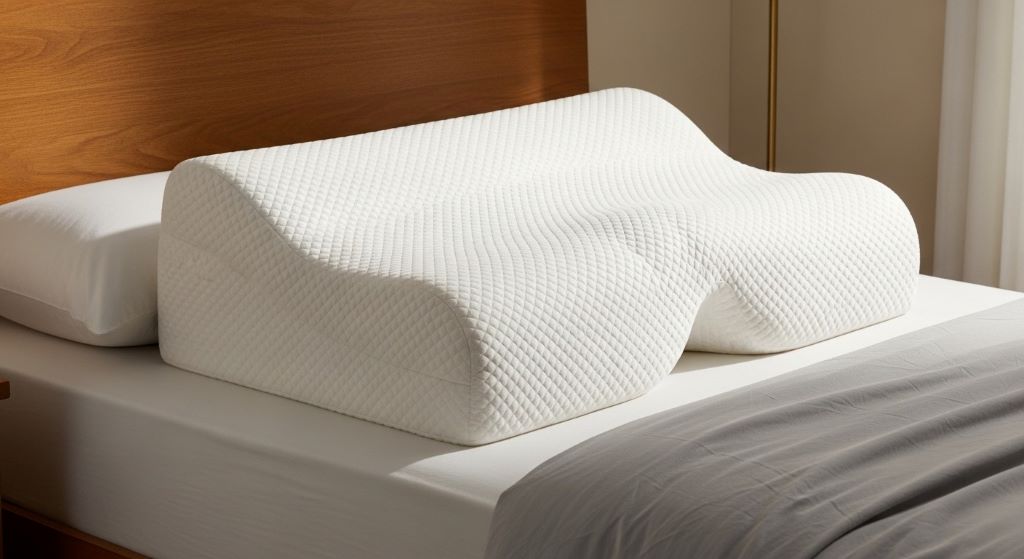
Shape matters more than many people realize. Traditional rectangular pillows work fine, but contoured designs with specific zones for different sleeping positions can enhance support. Some pillows feature a higher edge specifically designed for side sleeping, giving you the exact loft needed in that position.
Materials determine how the pillow feels, how long it lasts, and how it responds to your head’s pressure. Different materials have distinct properties that affect everything from temperature regulation to maintenance requirements. We’ll explore specific materials in detail later.
Adjustability has become increasingly popular in modern pillow design. Some pillows allow you to add or remove fill material, letting you customize the height and firmness to your exact preferences. This feature proves especially valuable if you’re unsure about your ideal specifications or if your needs change over time.
The Importance of Thickness in Pillow Selection
When shopping for a thick pillow, you need to balance adequate height with comfort and practicality. Thickness directly impacts your neck alignment, making it a crucial consideration for side sleepers.
The right thickness depends on several personal factors. Measure the distance from the side of your head to the outer edge of your shoulder while standing naturally. This measurement gives you a starting point for determining your ideal pillow height. Remember that your mattress firmness affects this calculation, as softer mattresses allow your shoulder to sink more deeply.
Most side sleepers find success with pillows in the four to six inch range. Those with broader shoulders or who sleep on firmer mattresses often need pillows at the higher end of this spectrum. Conversely, people with narrower frames or softer mattresses typically prefer moderate thickness.
Testing thickness at home proves more reliable than brief trials in stores. Your body needs time to adjust to new support, and what feels perfect in a showroom might feel different after a full night’s sleep. Look for retailers offering generous trial periods that let you truly evaluate whether the thickness works for you.
Keep in mind that some materials compress more than others over time. A pillow that starts at five inches might settle to four inches after several months of use. Quality materials resist this compression better, maintaining their height and support longer.
How Neck Alignment Affects Your Overall Health
Proper neck alignment during sleep extends benefits far beyond simply avoiding a stiff neck. Your neck contains vital structures including blood vessels, nerves, and your spinal cord, all of which function better when positioned correctly.
A neck alignment pillow maintains the natural cervical curve of your spine. This curve, a gentle forward arch when viewed from the side, should remain consistent whether you’re standing, sitting, or sleeping. When your pillow supports this curve properly, the surrounding muscles can relax completely rather than working all night to compensate for poor positioning.
Poor alignment restricts blood flow to your brain. The vertebral arteries run through your cervical spine, and twisting or bending your neck can compress these vessels. Better alignment ensures optimal circulation, which contributes to deeper sleep and better cognitive function during waking hours.
Nerve compression from misalignment can cause problems beyond neck pain. Pinched nerves in your neck can create numbness, tingling, or pain in your shoulders, arms, and hands. Many people experience what they think are shoulder or arm problems when the root cause actually lies in their sleeping position and pillow choice.
Additionally, proper alignment reduces stress on the temporomandibular joint, or TMJ. This jaw joint sits close to your neck, and poor head positioning can contribute to jaw pain, teeth grinding, and headaches. Many people find these issues improve significantly when they switch to a properly supportive pillow.
Material Options and Their Benefits
The material inside your pillow dramatically affects its performance, durability, and suitability for side sleeping. Each material type offers distinct advantages and potential drawbacks.
Memory foam has dominated the pillow market for years due to its excellent contouring abilities. This material responds to heat and pressure, conforming closely to your head and neck shape. Traditional memory foam can trap heat, but newer gel-infused and ventilated versions address this issue. Memory foam maintains its shape well and provides consistent support, making it excellent for side sleepers who need reliable alignment.
Latex offers similar conforming properties to memory foam but with a more responsive feel. It bounces back more quickly when you move, which some sleepers prefer. Latex naturally resists dust mites and mold, making it a good choice for allergy sufferers. It also sleeps cooler than traditional memory foam. However, latex pillows tend to be heavier and more expensive.
Down and feathers create luxuriously soft pillows that can be molded to your preferred shape. While they provide a plush sleeping experience, they generally don’t offer enough support for side sleepers unless densely packed. Down pillows also require frequent fluffing to maintain their shape and may trigger allergies in sensitive individuals.
Synthetic fills like polyester fiber offer an affordable, hypoallergenic alternative to down. Quality varies significantly in this category, with some options providing decent support while others flatten quickly. These pillows work best for people who prefer a softer feel and don’t need maximum support.
Buckwheat hulls create firm, moldable pillows that stay cool throughout the night. These natural materials shift to accommodate your head’s position while maintaining substantial support. The rustling sound bothers some sleepers initially, though most adjust after a few nights. Buckwheat pillows can be heavy and require occasional hull replacement.
Hybrid designs combine multiple materials to leverage their respective strengths. For example, a pillow might feature a memory foam core for support with a down alternative outer layer for comfort. These combinations often provide the best balance of support and comfort for side sleepers.
Temperature Regulation for Better Sleep
Overheating during sleep disrupts your sleep cycles and prevents truly restorative rest. Your pillow contributes to your overall sleep temperature more than you might expect, making cooling features an important consideration.
Your head releases significant body heat throughout the night. Traditional pillow materials can trap this heat, creating an uncomfortable warm spot that forces you to flip your pillow repeatedly searching for the cool side. Modern pillow technology addresses this problem through various innovative solutions.
Breathable covers made from natural materials like cotton, bamboo, or Tencel promote airflow around your head. These fabrics wick moisture away from your skin and allow heat to dissipate rather than building up. Look for covers with good thread counts that balance softness with breathability.
Ventilation channels cut into the pillow’s interior create pathways for air to flow through the material. This design feature works particularly well in solid foam pillows that might otherwise trap heat. The channels also add flexibility, helping the pillow conform to your head shape.
Phase-change materials actively regulate temperature by absorbing and releasing heat as needed. These advanced fabrics maintain a consistent surface temperature throughout the night, preventing both overheating and excessive cooling. While more expensive, they provide superior temperature control for hot sleepers.
Cooling gel infusions in memory foam help dissipate heat more effectively than traditional foam. The gel particles conduct heat away from your head, preventing the warm spots that characterize older memory foam pillows. This technology has improved significantly in recent years, making gel-infused foam a reliable choice for temperature-sensitive sleepers.
Finding the Right Firmness Level
Firmness represents a somewhat subjective characteristic, as what feels firm to one person might feel soft to another. However, understanding firmness helps you narrow down your options effectively.
Side sleepers generally need medium-firm to firm pillows that resist compression throughout the night. Your head weighs between 10 and 12 pounds, and a pillow must support that weight without collapsing. Additionally, the pillow needs to support your neck without letting it bend unnaturally.
Testing firmness requires more than just pressing the pillow with your hand. Lie on the pillow in your normal sleeping position and assess whether it maintains its height. Your ear should not touch the mattress, and your nose should point straight forward rather than tilting up or down.
Consider your mattress firmness when selecting pillow firmness. A soft mattress allows your shoulder to sink deeply, reducing the gap between your head and the mattress. Therefore, you might need a less thick or slightly softer pillow. Conversely, a firm mattress keeps your shoulder elevated, creating a larger gap that requires a firmer, higher pillow.
Your body weight also influences ideal firmness. Heavier individuals compress pillows more than lighter people, which means they may need firmer options to maintain adequate support throughout the night. Lighter individuals might find very firm pillows uncomfortable and unyielding.
Special Considerations for Combination Sleepers
Many people don’t stay in one position all night. If you primarily sleep on your side but occasionally shift to your back, you need a pillow that accommodates both positions reasonably well.
Adjustable pillows work beautifully for combination sleepers. By adding or removing fill, you can find a middle ground that provides decent support in multiple positions. Start with enough fill for side sleeping, then adjust if you find yourself uncomfortable when rolling to your back.
Contoured pillows often feature multiple height zones designed for different sleeping positions. The higher sections support side sleeping while lower areas accommodate back sleeping. These designs help combination sleepers maintain better alignment regardless of how they move during the night.
However, if you spend 80 percent or more of your sleep time on your side, prioritize side sleeping support even if it means slight compromise in other positions. Your primary sleeping position deserves primary consideration in your pillow choice.
Budget Considerations and Long-Term Value
Pillow prices range from under twenty dollars to several hundred dollars. Understanding what drives these price differences helps you determine where to invest your money.
Budget pillows typically use less expensive materials that may not maintain their shape or support as long as premium options. They might serve adequately for guest rooms or temporary solutions but often need replacement within a year. For your primary sleeping pillow, investing more usually provides better value over time.
Mid-range pillows, priced between fifty and one hundred dollars, often offer the best combination of quality and value. They use decent materials, provide good support, and last several years with proper care. Most side sleepers find excellent options in this price range.
Premium pillows costing over one hundred dollars feature advanced materials, superior construction, and often include extended warranties. While expensive upfront, they typically last longer and provide better support, potentially justifying the higher cost for people with specific needs or chronic pain issues.
Calculate cost per year of use rather than just the purchase price. A pillow lasting five years costs far less annually than cheap pillows you replace yearly. Additionally, consider the value of better sleep and reduced pain, which improves your quality of life in ways that extend beyond simple dollars.
Trial Periods and Warranties
Buying a pillow sight unseen, or even after a brief store trial, involves some uncertainty. Progressive retailers now offer trial periods that let you test pillows in your own bed for extended periods.
Look for trial periods of at least 30 nights, as your body needs time to adjust to new support. Some companies offer 100-night trials, giving you several sleep cycles to truly evaluate whether a pillow works for you. Read the return policy carefully to understand any conditions or fees.
Warranties protect your investment against defects and premature wear. Quality pillows often include warranties ranging from one to ten years. These warranties typically cover manufacturing defects and significant loss of support but not normal wear or improper care.
Understanding what voids a warranty is crucial. Many warranties become invalid if you remove or damage the pillow cover, wash the pillow improperly, or use it without a pillowcase. Follow care instructions precisely to maintain warranty coverage.
Customer reviews provide valuable insights into real-world durability and performance. Look for reviews from people who’ve used the pillow for several months rather than just initial impressions. Pay attention to comments about how well the pillow maintains its height and support over time.
Care and Maintenance for Longevity
Proper care extends your pillow’s lifespan and maintains its supportive properties. Different materials require different maintenance approaches.
Always use a pillow protector in addition to your regular pillowcase. Protectors shield your pillow from oils, sweat, and other contaminants that accelerate breakdown. Wash protectors weekly along with your sheets to maintain hygiene.
Most memory foam and latex pillows cannot be machine washed. Spot clean them as needed and air them out regularly to prevent odor buildup. Remove the cover if it’s washable and clean it according to manufacturer instructions.
Down and synthetic fill pillows can often be machine washed, though you should verify care instructions first. Use gentle cycles with mild detergent, and ensure the pillow dries completely to prevent mold growth. Adding dryer balls helps fluff the fill and prevent clumping.
Fluff your pillow daily to redistribute fill materials and maintain proper loft. This simple habit takes seconds but significantly extends pillow life, particularly for down and fiberfill options.
Replace your pillow when it no longer springs back to shape, develops lumps or flat spots, or fails to provide adequate support. Most pillows need replacement every one to three years, though quality materials and proper care can extend this timeframe.
Conclusion
Choosing the best pillow for side sleeping requires understanding your body’s specific needs and the features that support healthy alignment. A proper side sleeper support pillow maintains the natural curve of your spine, keeps your head at the right height, and provides consistent support throughout the night. The thickness must fill the gap between your head and mattress, while the firmness should resist compression without creating pressure points.
Material selection impacts everything from temperature regulation to durability, so consider your personal preferences and any sensitivities when evaluating options. A quality neck alignment pillow addresses the unique challenges of side sleeping by supporting your cervical spine properly, which reduces pain and improves overall sleep quality. Additionally, features like adjustability, cooling technology, and ergonomic designs can enhance your sleeping experience.
Remember that the most expensive pillow isn’t necessarily the best choice for you. Focus on finding a thick pillow that matches your measurements, sleeping preferences, and budget. Take advantage of trial periods to ensure your selection works well over time, and maintain your pillow properly to maximize its lifespan.
Investing time and resources into selecting the right pillow pays dividends in better sleep, reduced pain, and improved daytime energy. Your pillow is one-third of the sleep equation along with your mattress and sleeping environment, and getting it right makes a remarkable difference in your overall health and wellbeing.
Frequently Asked Questions
How do I know if my current pillow is the right height for side sleeping?
Lie on your side in your normal sleeping position and have someone take a photo from behind you. Your head should form a straight line with your spine, not tilting up or down. Your ear should align with your shoulder. If your head tilts toward the mattress, you need more height. If it tilts upward, you need less. Additionally, waking with neck pain or stiffness often indicates improper pillow height.
Can I use the same pillow for side sleeping and back sleeping?
While possible, one pillow rarely serves both positions optimally. Side sleeping requires significantly more height than back sleeping to maintain spinal alignment. If you change positions throughout the night, consider an adjustable pillow where you can modify the fill, or choose a contoured design with different height zones. Alternatively, keep two different pillows and switch based on your position.
How long should a good side sleeper pillow last?
Quality pillows typically last two to three years with proper care, though this varies by material. Memory foam and latex pillows often last longer than down or synthetic fill options. Replace your pillow when it no longer maintains its shape, develops permanent indentations, or fails to provide adequate support. If you wake with neck pain despite previously sleeping well, your pillow has likely exceeded its useful life.
Are expensive pillows worth the investment for side sleepers?
Higher-priced pillows often use superior materials that maintain support longer and provide better alignment. However, the best pillow for you depends on matching the right features to your specific needs rather than simply buying the most expensive option. Many mid-range pillows between fifty and one hundred dollars offer excellent value. Focus on finding proper height, firmness, and material rather than price alone.
What’s the difference between a cervical pillow and a regular pillow for side sleepers?
Cervical pillows feature contoured designs with built-in curves that specifically support your neck’s natural alignment. They often have a depression for your head and raised sections for neck support. Regular pillows provide uniform height throughout. While cervical pillows can work well for side sleepers, they’re not mandatory. Many side sleepers achieve excellent alignment with traditional rectangular pillows that have appropriate height and firmness for their body type.
Related Topics:
Momcozy Nursing Pillow Review: Pros, Cons and Real Experience
Best Washable Pregnancy Pillow: Your Key to Restful Nights and Easy Care