

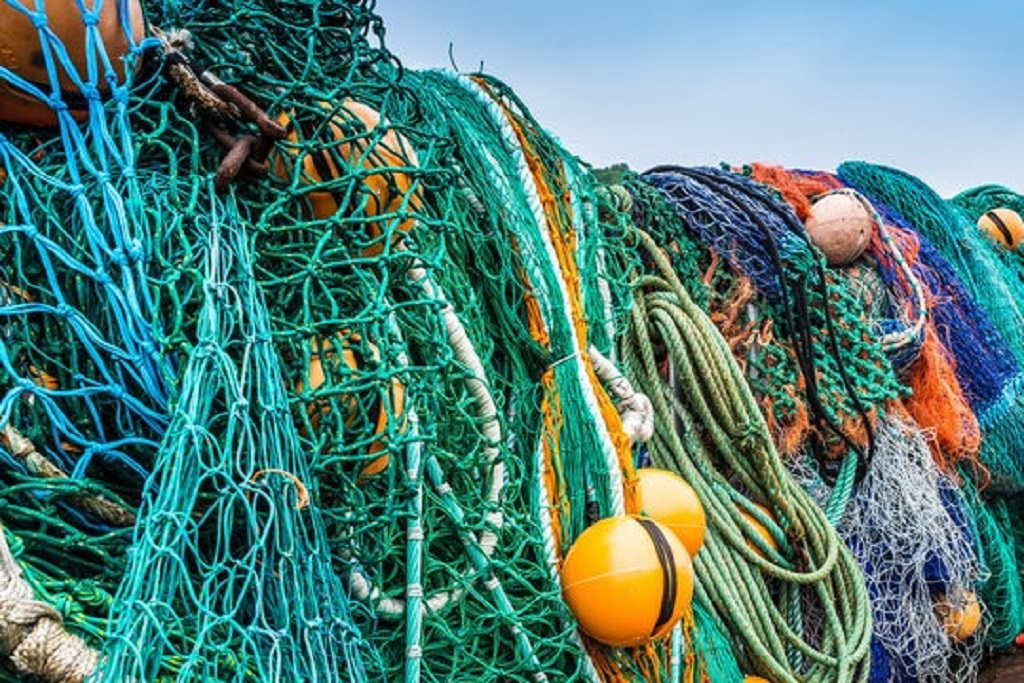
For thousands of years, humans have relied on fishing as a primary food source. But one element—often overlooked—has silently evolved into a technological marvel: the fishing net. The evolution of fishing nets: from hand-knotted to high-tech tells the story of how simple ropes became data-driven tools that fuel the global seafood industry.
Ancient Origins: Hand-Knotted Simplicity
Fishing nets date back to at least 8300 BC. Archaeological findings from Antrea, Finland, revealed remnants of hand-knotted nets made from willow fibers. Early fishermen used organic materials such as flax, reeds, or cotton—readily available and biodegradable. These nets were handmade, requiring hours of labor and a deep understanding of local waters.
Ancient Egyptians depicted net fishing in tomb carvings. Greeks and Romans recorded the use of drag nets and casting nets. Despite regional differences, these tools shared a common theme: durability over complexity.
Manual net-making was considered a craft passed down through generations. However, handmade nets wore out quickly and couldn’t sustain heavy loads or resist strong currents. Their limitations created a bottleneck for increasing fish harvests.
Industrial Revolution: The Rise of Machine-Made Nets
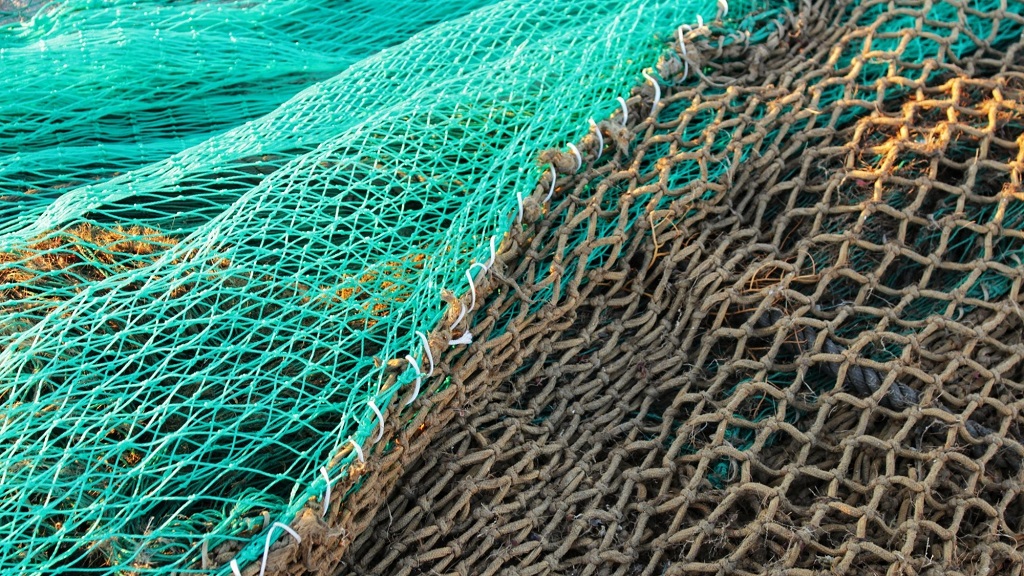
The 18th and 19th centuries ushered in mass production. Cotton, hemp, and linen nets became standard, thanks to mechanized looms. Factories began producing uniform netting, enabling faster repairs and greater consistency.
But the real game-changer came in the 20th century: synthetic fibers. Nylon, invented in the 1930s, revolutionized net production. It was stronger, lighter, and more resistant to rot than any natural fiber.
By the 1950s, nylon replaced natural fibers in most commercial applications. According to the Food and Agriculture Organization (FAO), synthetic nets increased fishing efficiency by up to 70%. Fishermen could now cast larger nets, venture into deeper waters, and target species previously out of reach.
Still, this boom came with drawbacks. Synthetic nets introduced “ghost fishing”—lost or discarded nets that continue trapping marine life. Environmental concerns began to rise.
Modern Era: Smart Nets and Eco-Solutions
The evolution of fishing nets: from hand-knotted to high-tech reached its peak in the 21st century. With the introduction of data analytics, sensor technology, and machine learning, nets became intelligent tools rather than just passive traps.
Today’s smart nets incorporate sensors that detect species, size, and even real-time movements. Companies like SafetyNet Technologies have developed LED-equipped nets to reduce bycatch—unintended capture of non-target species. A study published by Nature found that bycatch reduction could reach up to 90% using light-based deterrents.
Fishermen can now monitor nets via satellite, ensuring they don’t lose gear and minimizing ghost fishing. GPS tracking also helps retrieve lost nets quickly. These innovations enhance sustainability while maintaining productivity.
Additionally, biodegradable nets are gaining traction. While synthetic nets take over 600 years to decompose, new bio-based alternatives break down in under five. Norway, for example, mandates biodegradable escape panels in lobster traps to protect juvenile catches.
Industry Data and Economics
The global fishing net market was valued at $1.85 billion in 2023 and is projected to reach $2.8 billion by 2030, according to Fortune Business Insights. This growth is driven by rising seafood demand and regulatory shifts encouraging sustainable practices.
However, cost remains a barrier. High-tech nets can cost up to 10 times more than conventional ones. While large fleets can afford this transition, small-scale fishermen—who make up 90% of the world’s fisheries workforce—struggle to adopt these tools.
Governments and NGOs are stepping in. Grants and subsidies aim to bridge the gap. Training programs are teaching fishermen how to integrate technology without losing traditional wisdom.
Environmental and Ethical Considerations
Fishing gear is responsible for nearly 46% of plastic waste in the ocean, according to a 2018 Ocean Cleanup study. Smart nets and biodegradable alternatives directly address this crisis.
Some critics argue that high-tech gear may increase overfishing by making fleets too efficient. However, this assumes poor regulatory enforcement. If managed correctly, technology can improve selectivity, reduce waste, and protect ecosystems.
A balanced approach is necessary—where innovation doesn’t sacrifice sustainability. Combining tradition with technology could preserve both marine biodiversity and the livelihoods of millions.
Global Case Studies
In Japan, researchers have developed AI-powered nets that distinguish between tuna and other species. This avoids fines and supports marine conservation.
In Chile, salmon farms use anti-predator nets made from high-tensile polymers that withstand sea lion attacks without harming the animals. These innovations prevent economic loss and encourage humane solutions.
In India, coastal communities are adopting solar-powered net haulers. This reduces manual labor, improves catch efficiency, and supports women entering the industry.
These examples showcase how diverse solutions are tailored to regional needs. One size doesn’t fit all in the evolution of fishing nets.
Future of Fishing Nets
The future is undeniably digital. Experts predict AI-driven fishing gear that adjusts mesh size in real-time, based on sonar readings. Researchers are also exploring blockchain to track nets and ensure responsible sourcing.
Drones and underwater robots may soon deploy, monitor, and retrieve nets autonomously. This will reduce human error, enhance safety, and lower operational costs.
Education will be critical. Future fishermen must learn to navigate both stormy seas and data dashboards. The industry needs policies that balance profit with preservation.
Read More Also: How to Set Up Secure Parental Controls on Gaming Consoles
FAQs
What were early fishing nets made of?
They were made from natural materials like flax, reeds, or cotton, and were hand-knotted.
When did synthetic nets become popular?
Synthetic fibers like nylon became mainstream in the 1950s due to their strength and durability.
What is ghost fishing?
Ghost fishing refers to lost nets that continue trapping marine life, causing ecological harm.
Are high-tech nets expensive?
Yes, they can be up to 10 times more costly, but offer greater efficiency and environmental benefits.
How do smart nets work?
They use sensors, LEDs, and GPS to monitor catches, avoid bycatch, and enhance sustainability.
Are biodegradable nets effective?
Yes, they decompose much faster and are increasingly being used in conservation-conscious regions.
What’s next for fishing net technology?
Expect AI-driven mesh adjustment, drone-operated nets, and blockchain tracking for traceability.
Read More Also: How is Hydraulic Hose Measured? A Beginner’s Guide
Final Thought
The evolution of fishing nets: from hand-knotted to high-tech is more than a story of invention—it’s a reflection of our changing relationship with the ocean. We’ve moved from simple hand tools to intelligent systems that can distinguish fish species in real-time. Yet the challenge remains: balancing innovation with environmental responsibility.
For fishing to be truly sustainable, the nets of tomorrow must be smarter, greener, and accessible to all. With responsible regulation, fair economics, and continued research, the humble net may become a beacon of marine stewardship.
Whether you’re a policymaker, a tech innovator, or a coastal fisher, your net holds the future. Cast it wisely.